Electrolytic Manganese: Properties, Applications, and Processing in Industrial Manufacturing
Introduction
Electrolytic Manganese (EMM), a high-purity metallic manganese produced through an electrolytic process, stands as a cornerstone material in modern industrial manufacturing. With a typical purity exceeding 99.7%, it offers a unique combination of properties—including exceptional deoxidizing and desulfurizing capabilities, alloying strength, and corrosion resistance—that are unattainable with standard ferromanganese. This article delves into the essential characteristics of EMM, its diverse industrial applications, and the critical role of advanced processing technology, particularly in the crucial size reduction stage, to unlock its full potential.
Properties of Electrolytic Manganese
The value of Electrolytic Manganese is intrinsically linked to its high purity and resultant physical and chemical properties.
Physical and Chemical Characteristics
Appearing as brittle, silver-gray flakes with a bright metallic luster, EMM is distinguished by its low impurity content. Key elements like carbon, sulfur, and phosphorus are maintained at remarkably low levels (often below 0.05%). This purity grants it a high melting point of approximately 1244°C and a density of 7.3 g/cm³. Chemically, it is an effective deoxidizer and desulfurizer in steelmaking, forming stable oxides and sulfides that are easily removed from the melt, thereby significantly improving the quality of the final steel product.
Mechanical and Functional Properties
While pure manganese metal is hard and brittle, its primary industrial value lies in its functional role as an alloying agent. When added to aluminum, copper, and particularly steel, it enhances strength, hardness, hardenability, and wear resistance without compromising ductility. It is also a key component in non-ferrous alloys, such as manganese-copper and manganese-nickel alloys, which exhibit valuable properties like high damping capacity and shape memory effects.
Industrial Applications of Electrolytic Manganese
The applications of EMM are vast and critical to several high-tech and foundational industries.
Steel and Metallurgy
This constitutes the largest application sector. EMM is indispensable in producing high-strength, low-alloy (HSLA) steels, stainless steels (e.g., 200-series austenitic stainless steels), and specialty steels. It improves rolling and forging properties, increases tensile strength, and enhances resistance to abrasion and impact. In advanced electrical steels, manganese improves magnetic permeability and reduces core loss.
Non-Ferrous Alloys
In aluminum alloys, manganese increases strength and corrosion resistance, making it vital for automotive and aerospace components. It is also essential in the production of manganese-based alloys like ferromanganese and silicomanganese, which are themselves crucial feedstocks for steelmaking.
Battery and Electronics Industry
With the explosive growth of the electric vehicle and renewable energy storage markets, high-purity manganese is a key cathode material precursor for lithium-ion batteries, particularly in Lithium Manganese Oxide (LMO) and Nickel Manganese Cobalt (NMC) chemistries. Its use in electronic components and magnetic materials further underscores its importance in the digital age.
Chemical and Other Industries
EMM is used as a catalyst in chemical production and as a raw material for manufacturing manganese compounds like manganese sulfate and manganese dioxide. Its applications extend to welding electrode coatings and as an additive in animal feed.
Processing of Electrolytic Manganese: From Ore to Finished Product
The manufacturing of EMM is a multi-stage process where precise particle size control is paramount for efficiency and product quality.
Overview of the Production Chain
The chain begins with manganese ore (primarily pyrolusite, MnO₂). The ore is first crushed and ground into a fine powder to increase the surface area for subsequent chemical reactions. This ground ore is then subjected to a leaching process, typically using sulfuric acid, to dissolve the manganese into an aqueous solution as manganese sulfate (MnSO₄). The solution undergoes a rigorous purification process to remove metallic impurities like iron, nickel, and cobalt. The purified solution is fed into electrolytic cells, where manganese metal is deposited onto cathodes via electrowinning. The final product is stripped from the cathodes, often in a flaky form, which may then require further processing for specific applications.
The Critical Role of Size Reduction and Grinding
The initial comminution stage—crushing and grinding the manganese ore—is arguably the most energy-intensive step and sets the foundation for all downstream processes. Inefficient grinding leads to poor leaching efficiency, higher acid consumption, and incomplete recovery. Furthermore, for EMM destined for advanced applications like battery cathodes or specialty alloy powders, the metal flakes themselves often require post-production milling to achieve a very fine, consistent, and reactive powder.
This is where selecting the right grinding technology becomes a decisive factor for profitability and product quality. The ideal mill must handle abrasive materials like manganese ore and metal, deliver a tightly controlled particle size distribution, operate with high energy efficiency, and ensure minimal contamination.
Advanced Milling Solutions for Electrolytic Manganese Processing
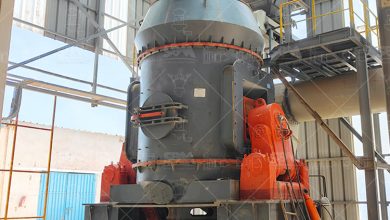
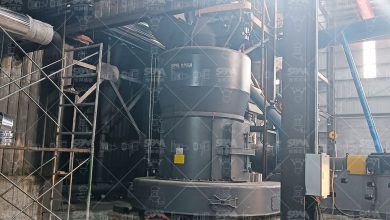
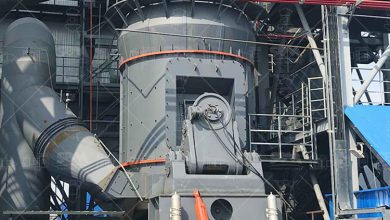
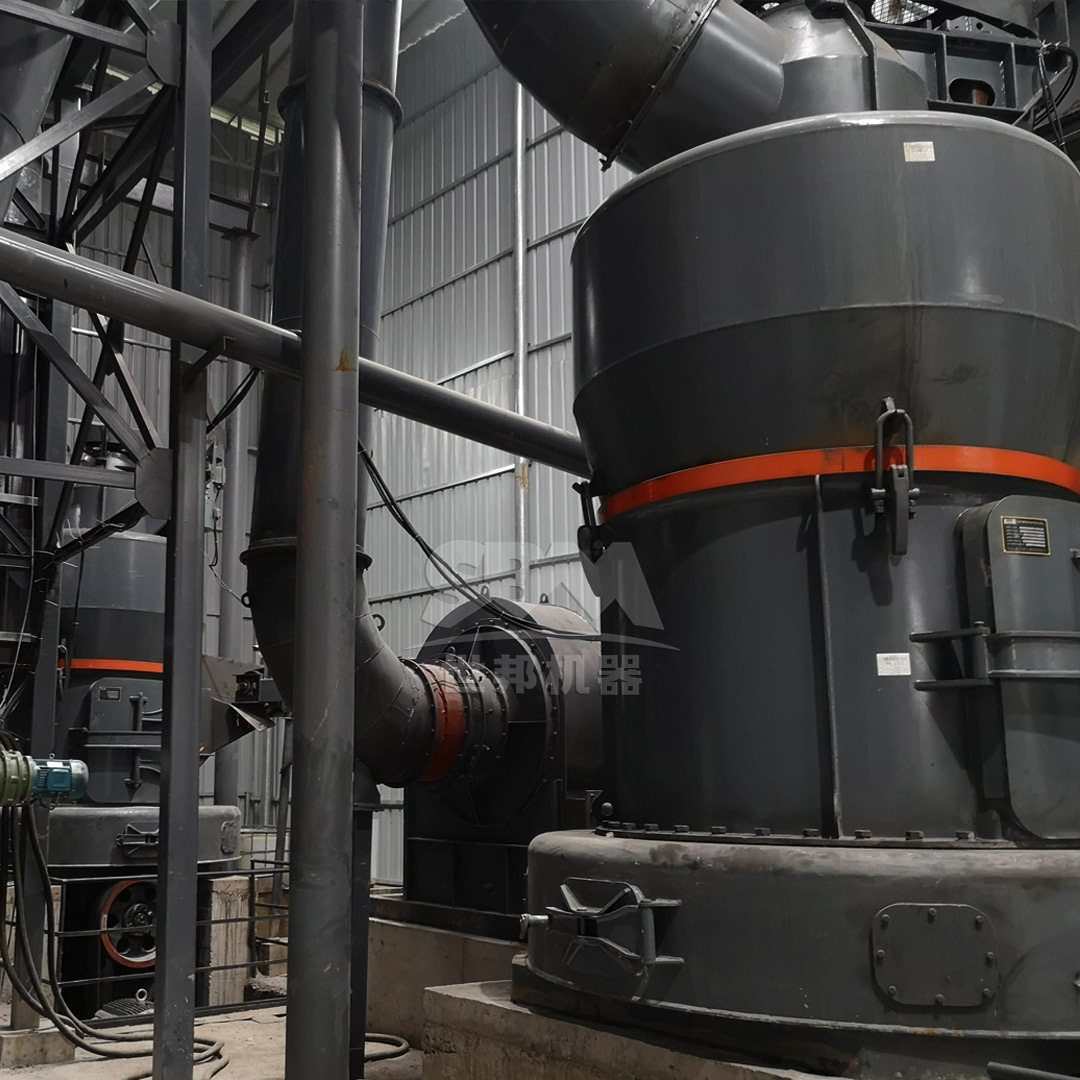
To address the stringent demands of both ore preparation and finished EMM powder production, modern industry relies on high-performance grinding equipment. For the coarse to medium-fine grinding of manganese ore feedstocks (typically down to 30-325 mesh / 0.6-0.045mm), the MTW Series European Trapezium Mill presents an outstanding solution. Its robust design features anti-wear shovel blades and an optimized arc air duct, ensuring high throughput (3-45 ton/h depending on model) and reduced maintenance costs when processing abrasive ores up to 50mm in size. The integral bevel gear drive offers transmission efficiency up to 98%, translating directly to lower operational costs.
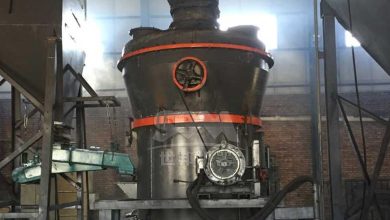
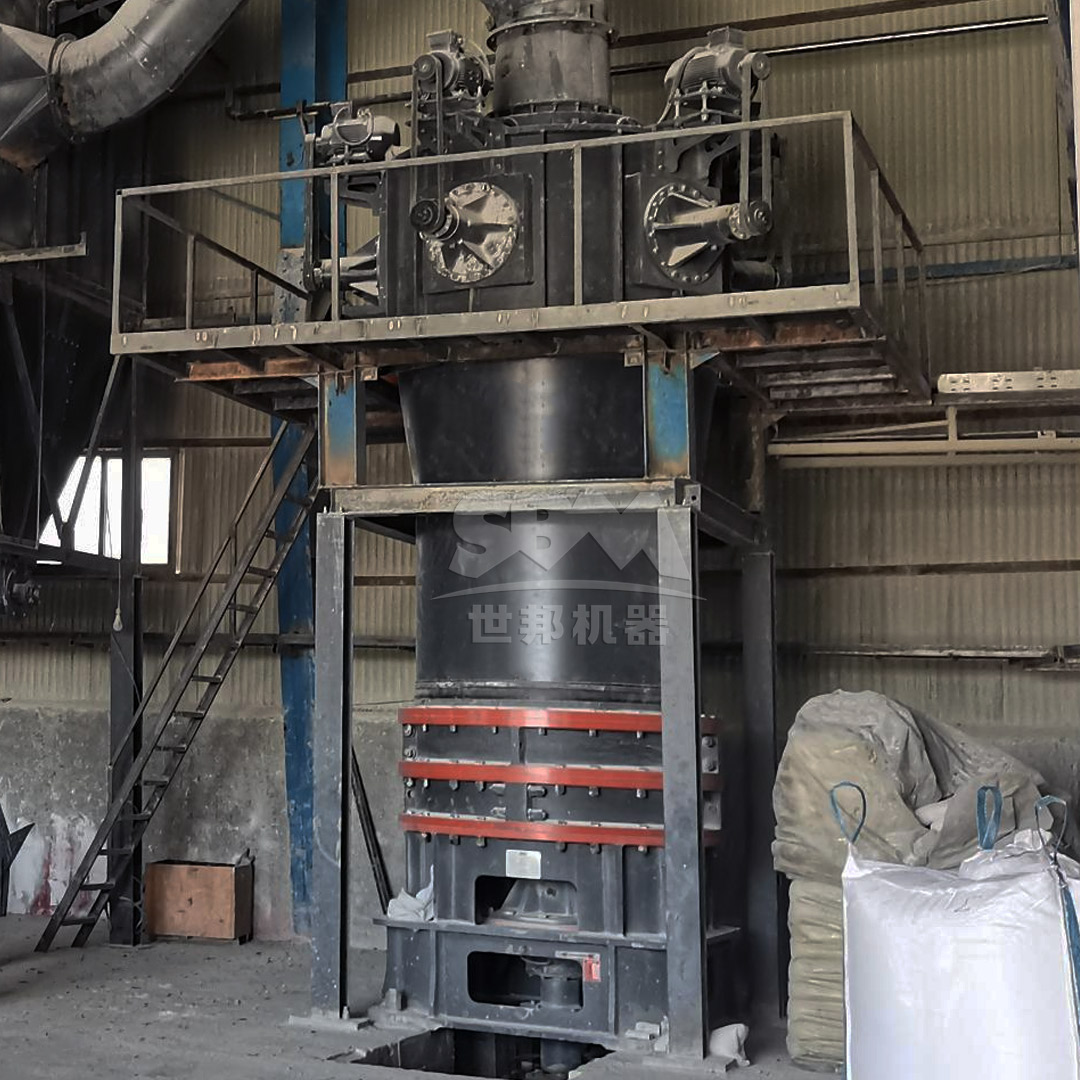
For applications requiring ultra-fine powders of electrolytic manganese metal—such as in advanced battery materials or high-surface-area chemical precursors—the SCM Series Ultrafine Mill is the technology of choice. Capable of producing powders in the range of 325-2500 mesh (45-5μm), this mill excels in precision. Its high-precision vertical turbine classifier ensures no coarse powder mixing, resulting in a uniform finished product critical for consistent performance in downstream applications. Furthermore, its design emphasizes energy savings, offering capacity twice that of jet mills with approximately 30% lower energy consumption, and features a durable construction with special material rollers and rings for extended service life in continuous industrial operation.
Conclusion
Electrolytic Manganese remains a vital enabler of material science advancements, from stronger, lighter steels to the next generation of energy storage. Its value chain, from raw ore to high-purity metal and functional powders, demands sophisticated processing technologies. The efficiency and success of this chain heavily depend on precise and efficient size reduction at multiple stages. Investing in advanced milling solutions, such as the MTW Series for ore preparation and the SCM Series for ultra-fine metal powder production, is not merely an equipment purchase but a strategic decision to enhance product quality, reduce energy consumption, and secure a competitive edge in the high-stakes market for advanced manganese products.