Electric Fused Magnesia Grinding Process and Equipment for Refractory Materials
Introduction
Electric Fused Magnesia (EFM) is a critical raw material in refractory production, valued for its high melting point, excellent thermal stability, and superior corrosion resistance. The grinding process plays a pivotal role in determining the final properties of EFM-based refractories. This article explores the technical requirements for EFM grinding and introduces advanced equipment solutions that optimize productivity and product quality.
Characteristics of Electric Fused Magnesia
EFM possesses unique physical properties that present specific challenges for grinding operations. With a Mohs hardness of 5.5-6.0 and typically containing crystalline structures of periclase, EFM requires specialized grinding approaches. The material’s abrasive nature demands wear-resistant grinding components, while its thermal sensitivity necessitates controlled grinding temperatures to prevent phase transformations that could compromise refractory performance.
Grinding Process Requirements for Refractory Applications
Particle Size Distribution Control
Refractory formulations demand precise particle size distributions to achieve optimal packing density and sintering behavior. The grinding system must produce powders with controlled size ranges from coarse aggregates (1-3mm) to fine fillers (below 45μm). Proper distribution ensures minimal porosity and enhanced mechanical strength in the final refractory products.
Contamination Prevention
Maintaining chemical purity is paramount in EFM processing. Iron contamination from grinding media can significantly degrade the high-temperature performance of magnesia refractories. Equipment must incorporate ceramic or specialized alloy components to minimize metallic contamination during the grinding process.
Thermal Management
Excessive heat generation during grinding can cause micro-cracking and alter the crystalline structure of EFM. Effective cooling systems and controlled grinding intensity are essential to preserve the material’s intrinsic properties and ensure consistent refractory performance.
Advanced Grinding Equipment Solutions
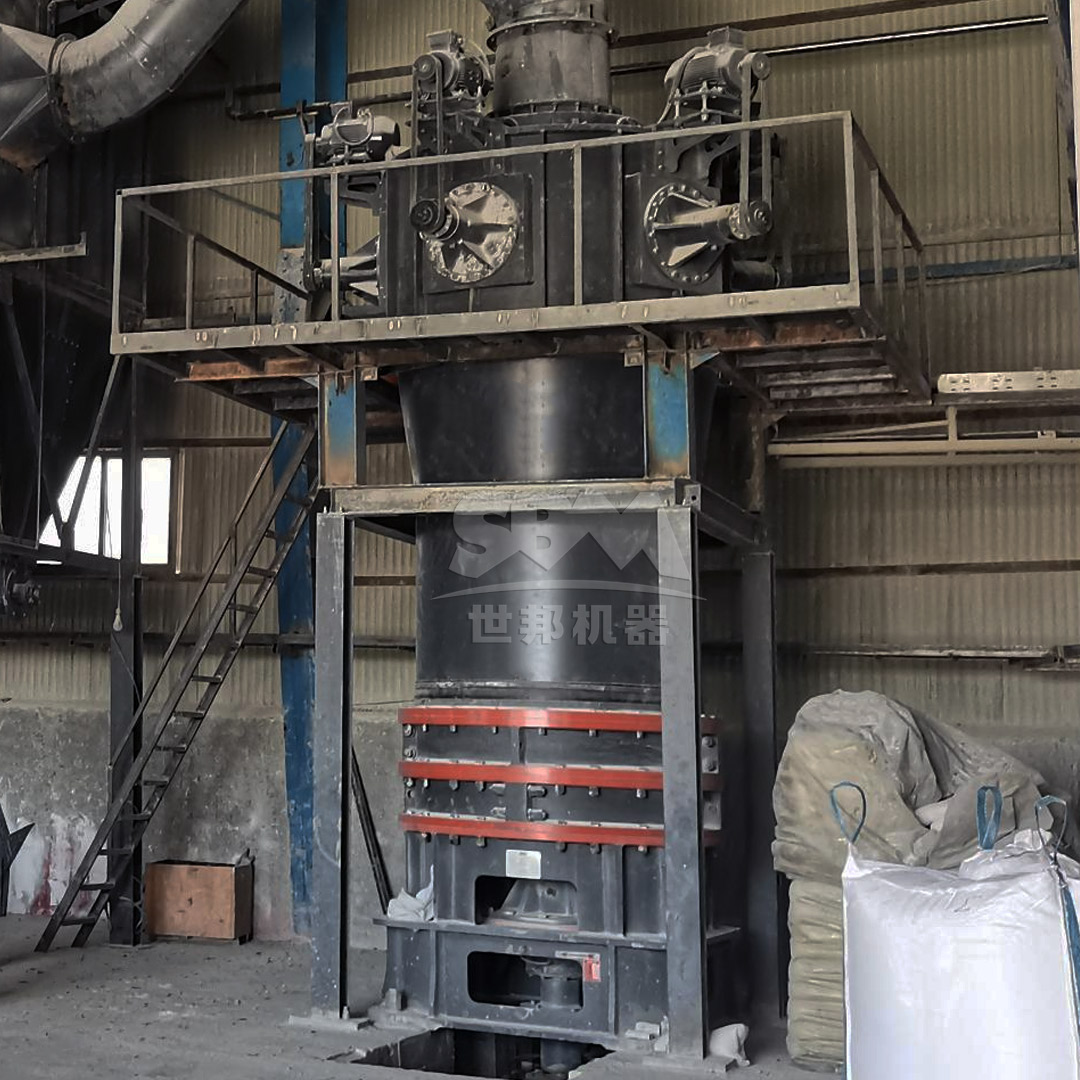
SCM Series Ultrafine Mill for Fine Powder Production
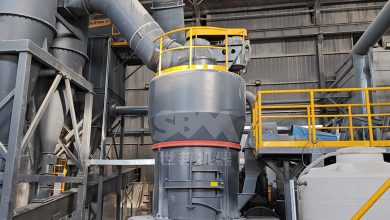
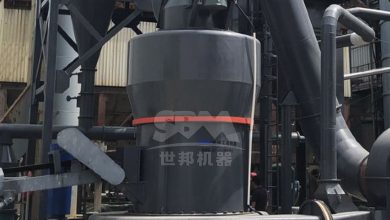
For applications requiring ultrafine EFM powders (325-2500 mesh), the SCM Series Ultrafine Mill represents the pinnacle of grinding technology. This system excels in producing precisely controlled fine powders essential for high-performance refractory formulations.
The mill’s vertical turbine classifier ensures accurate particle size cuts without coarse powder contamination, while its special material roller and grinding ring assembly provides exceptional wear resistance – crucial for handling abrasive materials like EFM. With capacity reaching 25 ton/h and energy consumption 30% lower than conventional jet mills, the SCM series offers both economic and technical advantages for refractory manufacturers.
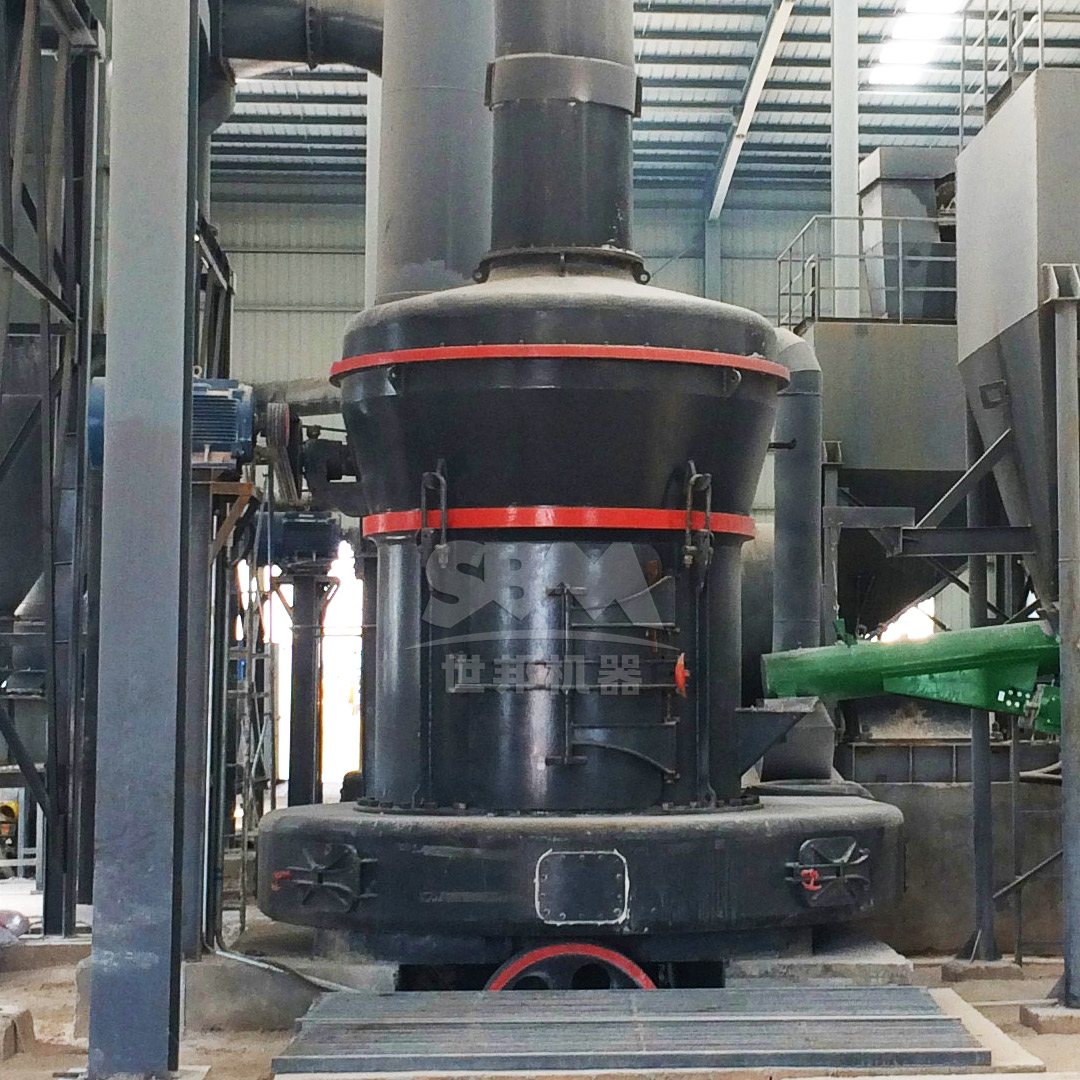
MTW Series Trapezium Mill for Medium-Fine Grinding
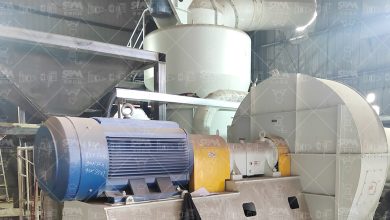
When processing EFM to medium-fine ranges (30-325 mesh), the MTW Series Trapezium Mill delivers outstanding performance. Its curved air channel design minimizes energy loss during material transport, while the wear-resistant shovel blades significantly reduce maintenance costs – a critical factor in continuous refractory production operations.
The MTW series incorporates advanced bevel gear overall transmission with 98% efficiency, providing reliable operation with reduced installation costs. Models ranging from MTW110 to MTW215G offer capacities from 3-45 ton/h, making them suitable for various production scales in refractory manufacturing facilities.
Process Optimization Strategies
Multi-Stage Grinding Approach
Implementing a multi-stage grinding system combining coarse crushing, intermediate grinding, and fine powder production optimizes energy efficiency and product quality. Hammer mills can perform initial size reduction, followed by trapezium mills for intermediate grinding, and completed with ultrafine mills for the finest fractions.
Integrated Classification Systems
Modern grinding systems incorporate high-efficiency classifiers that enable real-time adjustment of product fineness. This capability allows refractory manufacturers to quickly adapt to different product specifications without equipment modifications, enhancing production flexibility.
Automation and Process Control
Advanced control systems monitor critical parameters including feed rate, grinding pressure, classifier speed, and temperature. Automated feedback loops maintain consistent product quality while optimizing energy consumption and reducing operator intervention.
Case Study: EFM Grinding Line Configuration
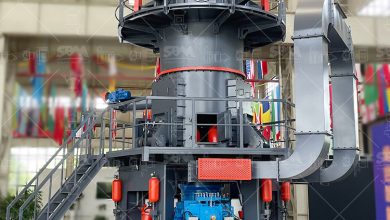
A typical modern EFM grinding line might include a jaw crusher for primary size reduction, followed by a bucket elevator for material transport to the grinding system. The SCM1680 Ultrafine Mill, with its 315kW main motor and capacity of 5-25 ton/h, serves as the core grinding unit when producing high-value ultrafine EFM powders for specialized refractory applications.
This configuration demonstrates how selecting appropriate equipment models based on production requirements ensures optimal performance. The integrated pulse dust collection system maintains workplace environment standards while recovering valuable product, achieving collection efficiency exceeding international standards.
Quality Assurance in EFM Grinding
Consistent product quality begins with proper raw material characterization and continues through the entire grinding process. Regular monitoring of particle size distribution, specific surface area, and chemical purity ensures the ground EFM meets refractory specifications. Modern grinding equipment with automated control systems provides the reproducibility required for high-quality refractory production.
Future Trends in EFM Grinding Technology
The evolution of EFM grinding technology continues toward higher efficiency, greater automation, and improved sustainability. Developments in wear-resistant materials extend component life, while advanced classifier designs enable more precise particle size control. Integration of artificial intelligence for process optimization and predictive maintenance represents the next frontier in refractory material processing.
Conclusion
The grinding process for Electric Fused Magnesia requires careful consideration of material characteristics and refractory application requirements. Advanced grinding equipment like the SCM Series Ultrafine Mill and MTW Series Trapezium Mill provide refractory manufacturers with the technological capabilities to produce high-quality EFM powders efficiently and consistently. By selecting appropriate grinding solutions and implementing optimized process strategies, producers can enhance their competitive position in the global refractory market while meeting the evolving demands of high-temperature industrial applications.