Effect of Natural Gypsum Grinding on the Performance of Building Gypsum Products
Introduction
The quality and performance of building gypsum products are significantly influenced by the grinding process of natural gypsum. Proper grinding not only affects the particle size distribution but also impacts the hydration characteristics, setting time, and mechanical strength of the final product. This article examines the critical relationship between gypsum grinding parameters and product performance, with particular emphasis on how advanced grinding technologies can optimize these properties.
The Importance of Particle Size in Gypsum Products
Particle size distribution is a fundamental factor determining the quality of building gypsum. Finer particles generally lead to improved reactivity and faster setting times, while coarser particles may provide better workability and reduced water demand. The optimal particle size range for most building gypsum applications falls between 45-325 mesh (350-45μm), with specific applications requiring even finer distributions up to 2500 mesh (5μm).
The grinding process must achieve a balanced particle size distribution to ensure optimal performance. Too many fine particles can increase water demand and cause rapid setting, while excessive coarse particles may result in poor strength development and surface finish.
Grinding Technology Selection for Natural Gypsum
Selecting appropriate grinding equipment is crucial for achieving the desired gypsum properties. Different grinding technologies offer varying capabilities in terms of particle size control, energy efficiency, and production capacity.
Conventional Grinding Systems
Traditional ball mills and hammer mills have been widely used for gypsum grinding. While these systems are capable of producing acceptable products, they often suffer from limitations in particle size control, high energy consumption, and significant heat generation that can partially dehydrate the gypsum.
Advanced Grinding Solutions
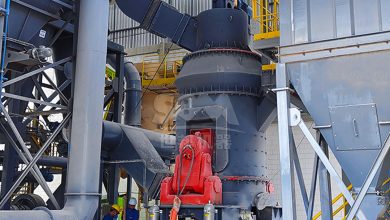
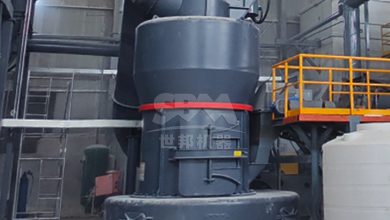
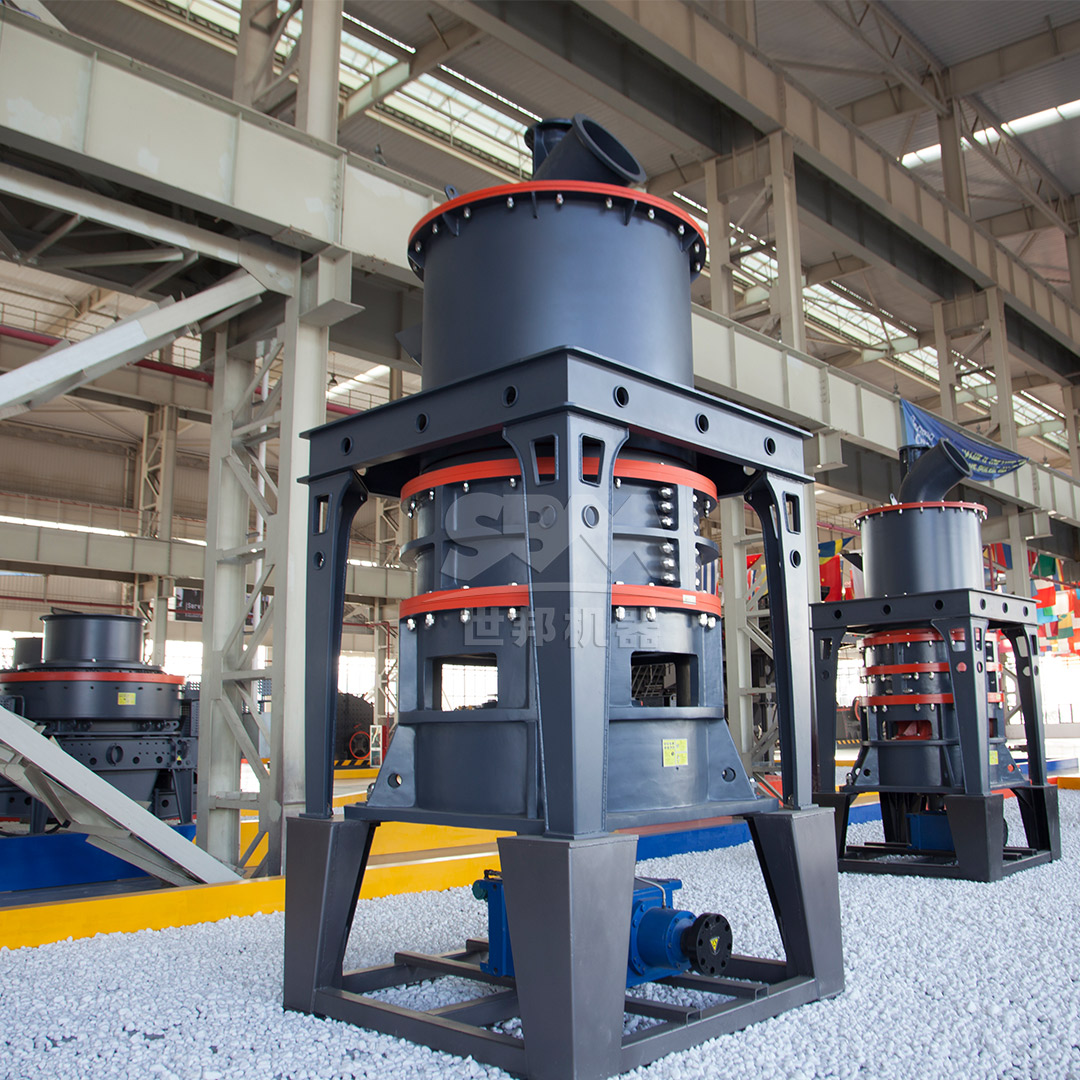
Modern grinding technologies offer significant advantages for natural gypsum processing. Among these, the SCM Series Ultrafine Mill stands out for its exceptional performance in producing high-quality building gypsum. With an output fineness range of 325-2500 mesh (D97≤5μm) and processing capacity of 0.5-25 tons per hour, this equipment provides precise control over particle size distribution.
The SCM Ultrafine Mill incorporates several advanced features that make it particularly suitable for gypsum grinding:
- High-efficiency grinding with 30% lower energy consumption compared to conventional systems
- Precise particle size control through vertical turbine classifiers
- Special wear-resistant materials that extend component life
- Environmental compliance with pulse dust collection efficiency exceeding international standards
Impact of Grinding Parameters on Gypsum Properties
Setting Time and Hydration Characteristics
The fineness of gypsum powder directly influences its setting behavior. Finer particles hydrate more rapidly due to increased surface area, leading to shorter setting times. However, excessively fine grinding can cause flash setting, which is undesirable for most applications. The SCM Ultrafine Mill’s precise classification system allows manufacturers to optimize particle size for specific setting time requirements.
Mechanical Strength Development
Compressive and flexural strengths of gypsum products are strongly correlated with particle size distribution. A well-graded particle system with controlled fine content typically results in higher density and improved mechanical properties. The ability of advanced grinding systems to produce consistent particle distributions ensures reproducible strength characteristics in the final products.
Water Demand and Workability
Grinding fineness affects the water requirement of gypsum mixtures. Finer particles generally increase water demand due to higher specific surface area. Proper grinding technology selection can help balance fineness and water demand to achieve optimal workability without compromising strength.
Case Study: Optimizing Building Gypsum Production
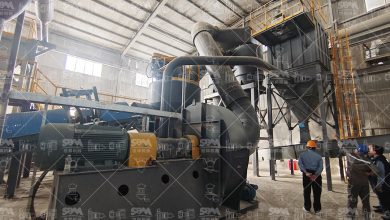
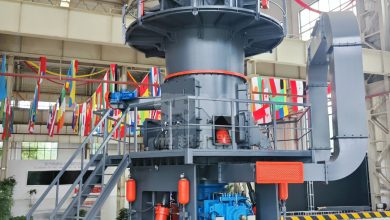
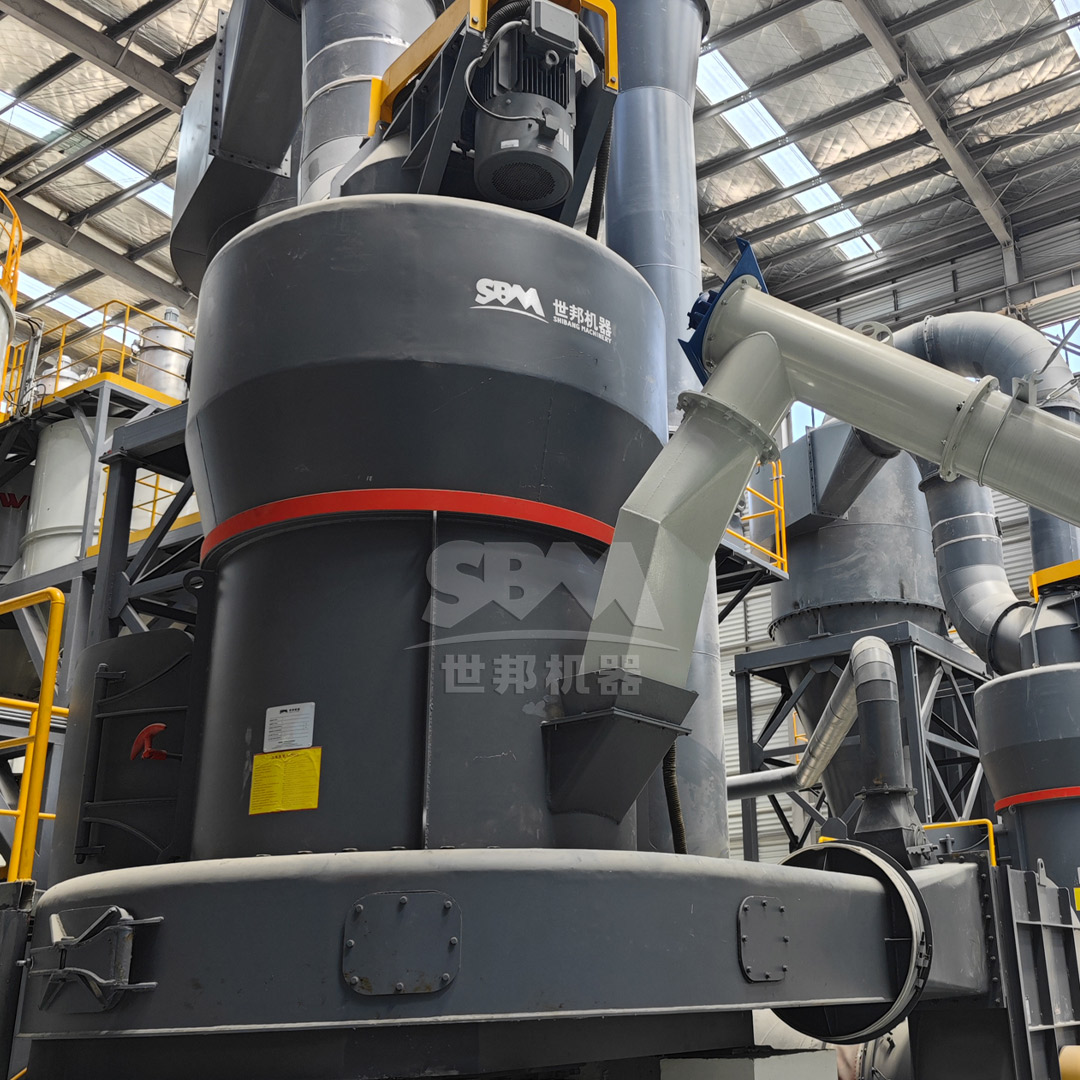
A recent implementation of the MTW Series Trapezium Mill in a commercial gypsum plant demonstrated significant improvements in product quality and production efficiency. The MTW Series, with its output fineness range of 30-325 mesh and processing capacity of 3-45 tons per hour, proved ideal for producing construction-grade gypsum products.
Key benefits observed included:
- 30% reduction in energy consumption compared to previous grinding systems
- Improved product consistency with precise particle size control
- Reduced maintenance costs through wear-resistant component design
- Enhanced environmental performance with advanced dust collection
The curved air duct design and combined shovel blade configuration of the MTW Series contributed to more efficient material transport and reduced wear, resulting in lower operating costs and improved product quality.
Economic Considerations in Gypsum Grinding
The selection of grinding equipment must balance technical performance with economic factors. Advanced grinding systems like the SCM Ultrafine Mill and MTW Series Trapezium Mill offer compelling economic advantages through:
- Reduced energy consumption per ton of product
- Lower maintenance costs due to durable component design
- Increased production capacity without proportional increases in operational costs
- Reduced waste through precise particle size control
These economic benefits, combined with improved product quality, make modern grinding technologies increasingly attractive for gypsum product manufacturers.
Environmental and Sustainability Aspects
Modern grinding technologies contribute significantly to the environmental performance of gypsum product manufacturing. Key environmental benefits include:
- Reduced energy consumption leading to lower carbon emissions
- Advanced dust collection systems minimizing particulate emissions
- Noise reduction technologies creating better working environments
- Efficient use of raw materials through precise particle size control
The SCM Ultrafine Mill, with its noise levels below 75dB and pulse dust collection efficiency exceeding international standards, represents the current state of the art in environmentally responsible grinding technology.
Future Trends in Gypsum Grinding Technology
The evolution of grinding technology continues to address the changing needs of the building materials industry. Emerging trends include:
- Integration of artificial intelligence for real-time process optimization
- Development of hybrid grinding systems combining multiple grinding principles
- Increased focus on energy efficiency and carbon footprint reduction
- Enhanced flexibility to handle varying raw material characteristics
These advancements will further improve the quality and sustainability of building gypsum products while reducing manufacturing costs.
Conclusion
The grinding process plays a crucial role in determining the performance characteristics of building gypsum products. Advanced grinding technologies, such as the SCM Series Ultrafine Mill and MTW Series Trapezium Mill, offer significant advantages in terms of product quality, energy efficiency, and environmental performance. By selecting appropriate grinding equipment and optimizing operational parameters, manufacturers can produce high-quality gypsum products that meet the demanding requirements of modern construction applications while maintaining economic viability and environmental responsibility.