Effect of Limestone Powder Addition on the Properties of Cementitious Materials
Abstract
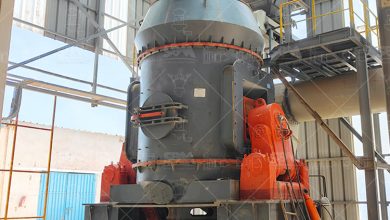
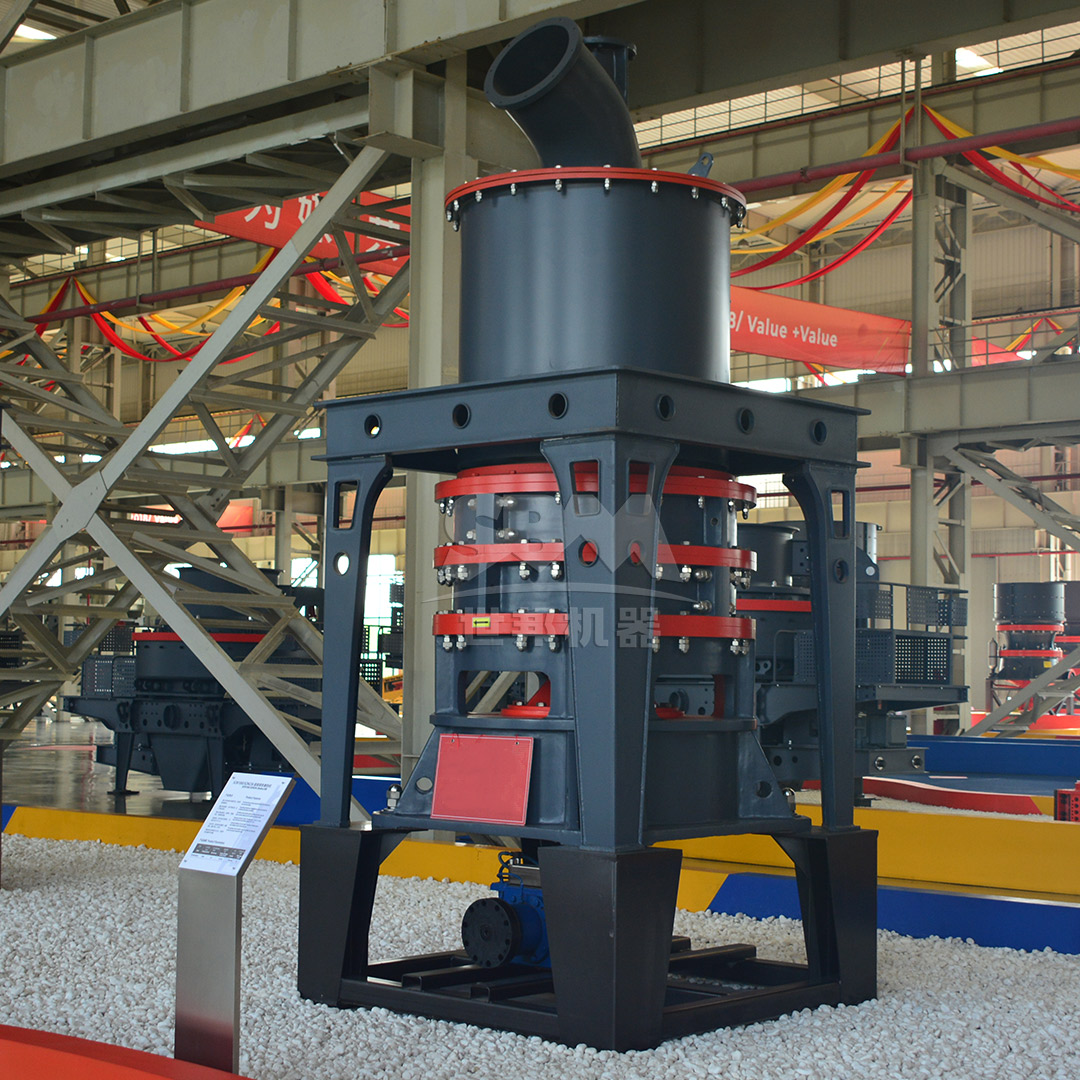
The incorporation of limestone powder as a supplementary cementitious material has gained significant attention in the construction industry due to its potential to enhance the properties of cementitious composites while reducing environmental impact and production costs. This comprehensive review examines the multifaceted effects of limestone powder addition on the fresh, mechanical, and durability properties of cement-based materials. The particle size distribution, fineness, and chemical composition of limestone powder play crucial roles in determining the performance characteristics of the final product. Advanced grinding technologies, such as our SCM Ultrafine Mill and MTW Series Trapezium Mill, enable precise control over these parameters, ensuring optimal performance in various applications.
Introduction
Limestone powder has emerged as a valuable mineral addition in modern cementitious systems, serving both as a filler and as a reactive component in the presence of supplementary cementitious materials. The growing demand for sustainable construction materials has accelerated research into the effective utilization of limestone powder in concrete and mortar formulations. This paper systematically analyzes the mechanisms through which limestone powder influences cement hydration, microstructure development, and long-term performance, providing insights for optimizing mix designs and production processes.
Chemical and Physical Properties of Limestone Powder
The effectiveness of limestone powder in cementitious systems is predominantly governed by its chemical composition and physical characteristics. High-purity limestone typically contains over 85% calcium carbonate (CaCO₃), with minor amounts of magnesium carbonate, silica, alumina, and iron oxides. The physical properties, particularly particle size distribution and specific surface area, significantly influence the material’s performance as a cement replacement.
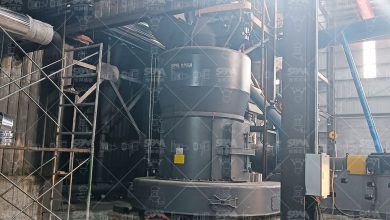
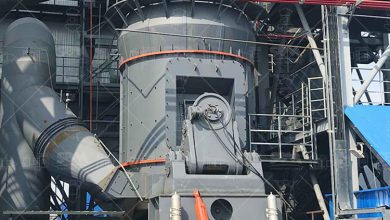
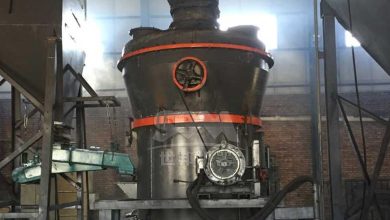
Modern grinding equipment, such as our SCM Ultrafine Mill, can produce limestone powder with controlled particle size distributions ranging from 325 to 2500 mesh (D97 ≤ 5μm). This equipment features advanced vertical turbine classifiers that ensure precise particle size control without coarse powder contamination. The high efficiency and energy-saving design, with 30% lower energy consumption compared to jet mills, makes it an ideal solution for producing high-quality limestone powder for cementitious applications.
Effects on Fresh Properties
Workability and Rheology
The addition of limestone powder significantly influences the rheological behavior of cementitious mixtures. Fine limestone particles act as micro-fillers, improving particle packing density and reducing the water demand for a given workability. The spherical morphology of properly ground limestone particles enhances lubricity, resulting in improved flow characteristics. Studies have demonstrated that optimal limestone powder content (typically 5-15% by mass of cement) can reduce water demand by 3-8% while maintaining similar slump values.
Setting Time
Limestone powder addition generally accelerates the initial and final setting times of cement paste due to the nucleation effect provided by calcium carbonate crystals. The fine particles serve as nucleation sites for hydration products, particularly for C-S-H gel and ettringite formation. This acceleration effect is more pronounced with finer limestone powders and higher replacement levels, though the impact remains within practical limits for most construction applications.
Mechanical Properties
Early-Age Strength Development
The incorporation of limestone powder typically enhances early-age strength development (1-7 days) through physical and chemical mechanisms. The filler effect improves particle packing, while the nucleation effect accelerates hydration kinetics. Research indicates that with proper particle size optimization, limestone powder replacements up to 15% can achieve comparable or even superior early-age compressive strength compared to plain cement mixtures.
Long-Term Strength
The long-term mechanical performance of limestone powder-modified cementitious materials depends on multiple factors, including the limestone content, fineness, and the presence of other supplementary cementitious materials. While the dilution effect may lead to slightly reduced ultimate strength at high replacement levels (above 20%), the formation of carboaluminate phases through reactions with aluminum-containing compounds can contribute to strength development beyond 28 days. The synergistic effects between limestone powder and supplementary cementitious materials like fly ash or slag can further enhance long-term performance.
Durability Aspects
Transport Properties
The addition of properly graded limestone powder significantly improves the transport properties of cementitious materials by reducing porosity and refining the pore structure. The filler effect decreases the critical pore diameter and increases the tortuosity of the pore network, thereby reducing permeability to aggressive ions. This refinement of the microstructure enhances resistance to chloride penetration, carbonation, and sulfate attack when appropriate mix designs are implemented.
Dimensional Stability
Limestone powder-modified systems generally exhibit improved dimensional stability with reduced autogenous shrinkage and drying shrinkage. The optimized particle packing and reduced water demand contribute to this enhanced performance. Additionally, the formation of carboaluminate phases may help stabilize the AFm phases, reducing the risk of delayed ettringite formation and associated expansion.
Production Considerations and Equipment Selection
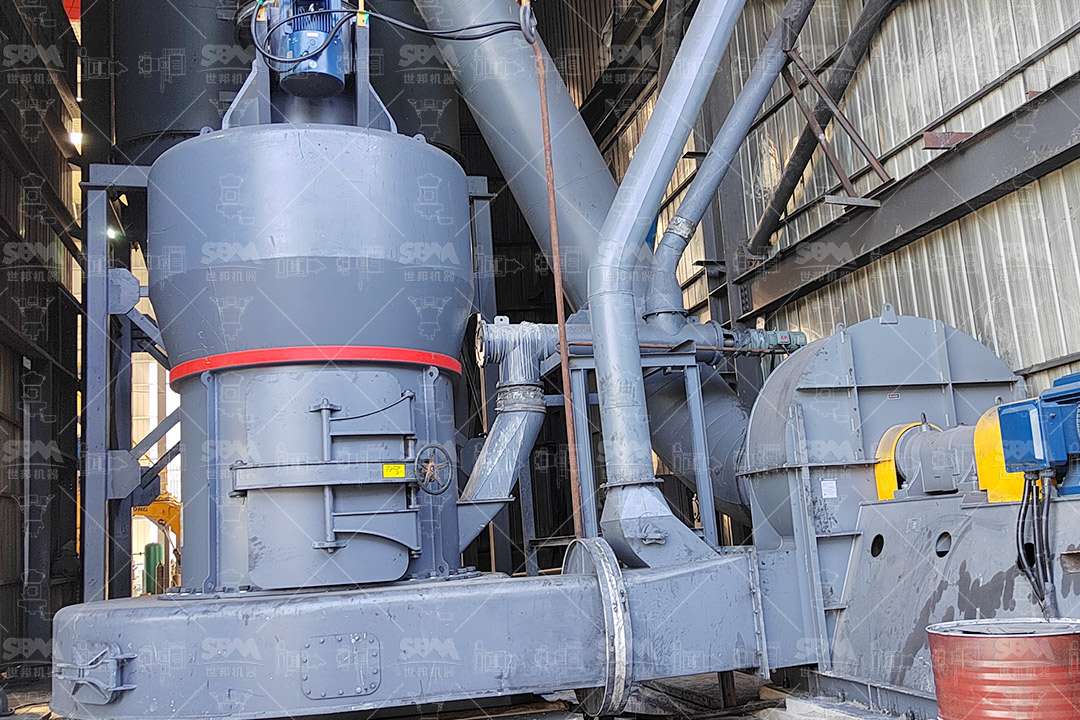
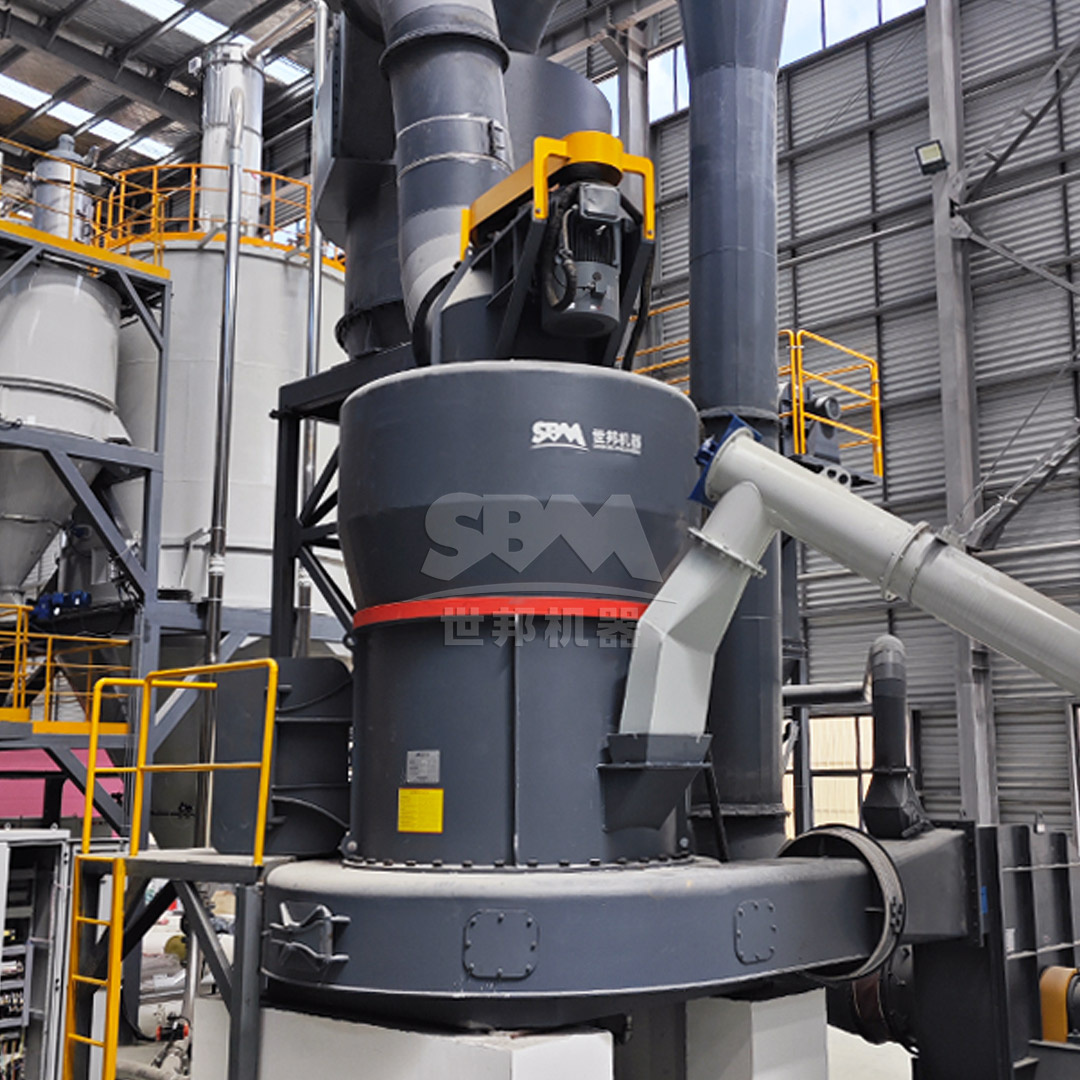
The production of high-quality limestone powder for cementitious applications requires advanced grinding technology capable of delivering consistent particle size distribution and high production efficiency. Our MTW Series Trapezium Mill offers an excellent solution for medium-fine grinding applications, with output fineness ranging from 30 to 325 mesh (up to 0.038mm). This equipment features innovative curved air duct design that minimizes energy loss and enhances transmission efficiency, with overall energy savings of up to 30% compared to conventional grinding systems.
The MTW Series incorporates advanced wear-resistant components, including specially designed shovel blades that reduce maintenance costs and extend service life. With processing capacities ranging from 3 to 45 tons per hour depending on the model, this equipment meets the production requirements of most modern cement and concrete plants. The integrated pulse dust collection system ensures environmental compliance with emission standards superior to national requirements.
Synergistic Effects with Other SCMs
Limestone powder demonstrates excellent synergistic effects when combined with other supplementary cementitious materials. In ternary systems containing limestone powder, fly ash, and cement, the limestone enhances early-age reactivity while fly ash contributes to long-term strength development and durability. Similarly, combinations with slag cement benefit from the complementary reaction kinetics, with limestone providing early nucleation sites and slag contributing to later-age pozzolanic reactions.
Environmental and Economic Benefits
The utilization of limestone powder in cementitious materials offers substantial environmental advantages, including reduced clinker factor in cement production, lower CO₂ emissions, and decreased energy consumption during manufacturing. From an economic perspective, limestone powder represents a cost-effective alternative to Portland cement, with potential savings of 15-30% in material costs depending on local market conditions and transportation logistics.
Case Studies and Practical Applications
Numerous field applications have demonstrated the successful implementation of limestone powder in various construction projects. High-performance concrete mixtures incorporating 10-15% limestone powder have been used in bridge decks, high-rise buildings, and pavement applications, showing excellent workability, mechanical performance, and durability. Self-consolidating concrete formulations particularly benefit from the improved rheology provided by well-graded limestone powders.
Future Perspectives and Research Needs
Future research should focus on optimizing limestone powder characteristics for specific applications, developing standardized testing methods for performance evaluation, and exploring novel combinations with emerging supplementary cementitious materials. The integration of advanced characterization techniques, including in-situ monitoring of hydration processes and nano-scale analysis of interfacial transition zones, will provide deeper insights into the fundamental mechanisms governing limestone powder performance in cementitious systems.
Conclusion
The strategic incorporation of limestone powder in cementitious materials offers significant technical, economic, and environmental benefits. When properly processed using advanced grinding equipment like the SCM Ultrafine Mill and MTW Series Trapezium Mill, limestone powder enhances fresh properties, mechanical performance, and durability characteristics through multiple mechanisms including filler effects, nucleation sites, and chemical reactions. The optimal utilization of this valuable resource requires careful consideration of particle characteristics, replacement levels, and compatibility with other mixture components. As the construction industry continues to prioritize sustainability, limestone powder is poised to play an increasingly important role in developing high-performance, environmentally friendly cementitious materials.