Dry Process vs Wet Process for Calcium Hydroxide Production: Advantages and Disadvantages
Introduction
Calcium hydroxide (Ca(OH)₂), commonly known as slaked lime or hydrated lime, is a versatile chemical with applications spanning construction, water treatment, chemical synthesis, and environmental remediation. Its production fundamentally revolves around the hydration of quicklime (calcium oxide, CaO). The industry primarily employs two distinct methodologies: the dry process and the wet process. The choice between these processes significantly impacts product characteristics, operational costs, energy consumption, and final application suitability. This article provides a comprehensive technical comparison of dry and wet process technologies for calcium hydroxide production, analyzing their respective advantages and disadvantages to guide informed decision-making.
1. The Dry Process for Calcium Hydroxide Production
The dry process involves hydrating quicklime with a precisely controlled, minimal amount of water, typically in the form of steam or a fine mist. The reaction is exothermic and is carried out in specialized hydrators (e.g., atmospheric or pressure hydrators). The resulting product is a dry, fine powder.
1.1 Process Flow and Key Equipment
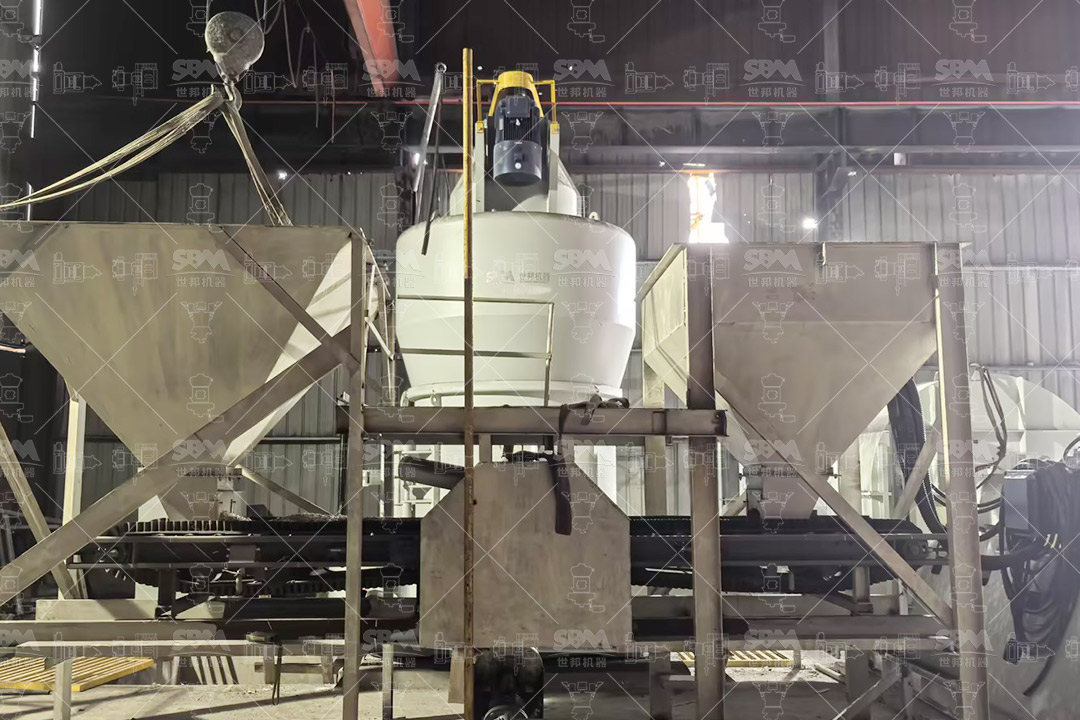
The process begins with high-calcium limestone being calcined in a kiln to produce reactive quicklime. After cooling and initial size reduction (crushing), the quicklime is fed into a hydrator. Here, it comes into contact with a controlled amount of water or steam. The hydration reaction (CaO + H₂O → Ca(OH)₂ + heat) proceeds rapidly. The heat generated must be managed to prevent “overburning” or dead-burning of the lime. The hydrated lime is then typically air-classified to remove any unreacted core particles or grit. The final, critical step is ultra-fine grinding to achieve the desired particle size distribution and specific surface area, which directly influences reactivity.
1.2 Advantages of the Dry Process
- High Purity and Consistency: The controlled, minimal water addition prevents the dissolution of impurities, often resulting in a product with higher chemical purity and consistent quality.
- Superior Dry Powder Properties: The final product is a free-flowing, dry powder with a very high specific surface area, making it ideal for dry powder applications in construction (e.g., dry mortar mixes, soil stabilization), flue gas desulfurization (dry injection), and chemical processes.
- Lower Drying Costs: Since the product is inherently dry, no subsequent energy-intensive drying step is required, leading to significant energy savings.
- Easier Storage and Handling: Dry powder is less prone to caking (if properly stabilized) and is easier to transport in bulk tankers or bags compared to slurries.
- Flexibility in Fineness: The process allows for precise control over the final particle size through advanced grinding and classification systems, enabling production of everything from coarse fillers to sub-micron powders.
1.3 Disadvantages of the Dry Process
- High Capital Investment: The requirement for sophisticated hydrators, efficient heat dissipation systems, and high-performance fine grinding mills results in higher initial capital expenditure.
- Dust Control Challenges: The entire process, especially grinding and packaging, generates significant dust, necessitating robust and costly dust collection and filtration systems to ensure a clean working environment and meet emission standards.
- Potential for Incomplete Hydration: If not meticulously controlled, the process can leave a core of unreacted CaO (grit) in the particles, which can negatively affect performance in sensitive applications.
- Higher Energy Consumption in Grinding: Achieving ultra-fine particle sizes requires substantial electrical energy input in the milling stage.
2. The Wet Process for Calcium Hydroxide Production
The wet process, or slaking process, involves reacting quicklime with an excess of water to produce a calcium hydroxide slurry, typically containing 20-40% solids by weight. This slurry can be used directly or further processed into a paste or dried powder.
2.1 Process Flow and Key Equipment
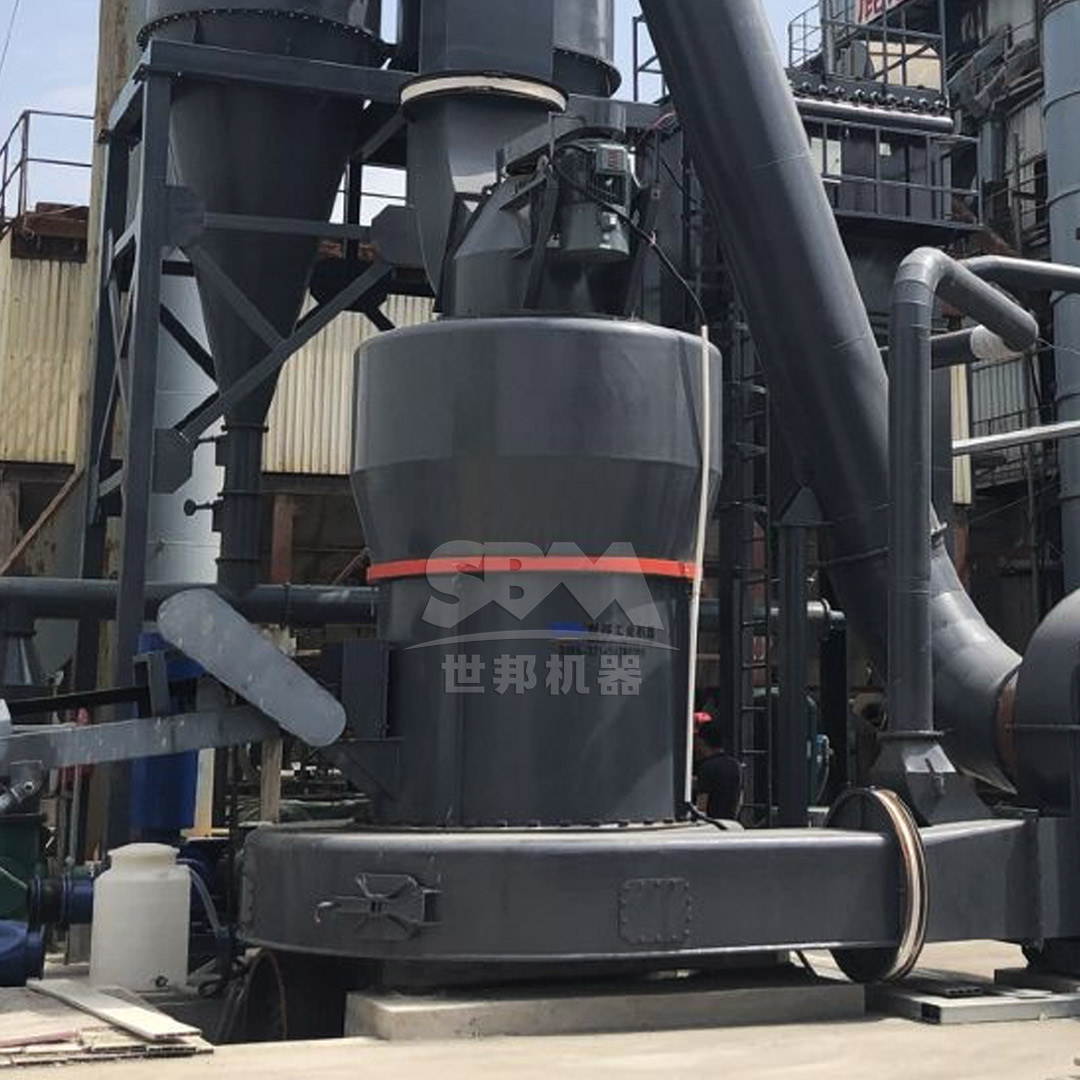
Quicklime is fed into a slaker, which is essentially a stirred tank reactor. A large excess of water is added, initiating a violent exothermic reaction. The slaker is designed to manage this heat and ensure thorough mixing to achieve complete hydration. The resulting milk-of-lime slurry is then passed through a grit removal system (e.g., drag chain, rake classifier, or hydrocyclone) to separate out unreacted impurities and coarse particles. The refined slurry can be stored in agitated tanks for direct use. To produce a dry powder, the slurry must undergo dewatering (e.g., using a filter press or vacuum belt filter) followed by a thermal drying process (e.g., rotary dryer, flash dryer, or spray dryer), which is highly energy-intensive.
2.2 Advantages of the Wet Process
- Complete Hydration: The excess water ensures virtually 100% conversion of CaO to Ca(OH)₂, eliminating concerns about unreacted grit in the final product.
- Effective Impurity Removal: The slurry phase allows for relatively easy mechanical separation of insoluble impurities (sand, silicates, unburned stone) through settling and classification.
- Lower Initial Grinding Requirements: The slaking process itself contributes to size reduction. The quicklime feed does not need to be as finely ground as in the dry process, as the reaction with water helps break down particles.
- Ideal for Slurry-Based Applications: For end-users who require lime in slurry form (e.g., water treatment plants, paper mills, certain chemical processes), the wet process delivers a ready-to-use product without the need for on-site slaking.
2.3 Disadvantages of the Wet Process
- Extremely High Energy Cost for Dry Powder: Converting the slurry into a dry powder is prohibitively expensive due to the latent heat of vaporization required to remove the large amount of water. This often makes dry powder from the wet process less economically competitive.
- Product Quality Limitations for Dry Powder: The drying process (especially spray drying) can lead to the formation of hard agglomerates and may reduce the ultimate specific surface area and reactivity compared to a dry-hydrated powder.
- Wastewater and Disposal Issues: The grit removal system generates a waste stream that requires handling and disposal. Process water recycling must be managed to avoid buildup of dissolved impurities.
- Corrosion and Scaling: Lime slurry is highly alkaline and can cause scaling in pipes, pumps, and tanks, increasing maintenance costs.
- Bulkier Product for Transportation: Transporting slurry involves moving significant amounts of water, which is inefficient compared to transporting dry powder.
3. Critical Analysis: Choosing the Right Process
The decision between dry and wet process is not merely technical but fundamentally economic and market-driven.
- Choose the Dry Process if: The primary product is a high-value, high-fineness dry powder for applications where reactivity, purity, and dry flow properties are paramount. The market price justifies the higher capital and grinding energy costs. The producer has access to high-quality limestone and can manage dust emissions effectively.
- Choose the Wet Process if: The end product is destined for slurry-based applications, eliminating the drying cost entirely. The quicklime source has higher impurity levels that are more easily removed via wet classification. The scale of operation for dry powder is small, making the capital for a dry plant unjustifiable, and a simple slurry drying line is sufficient.
For modern, large-scale production of premium-grade dry calcium hydroxide powder, the dry process is overwhelmingly the technology of choice. Its superiority hinges on the ability to integrate advanced fine grinding technology.
4. The Role of Advanced Grinding Technology in Dry Process Optimization
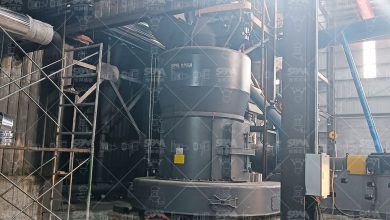
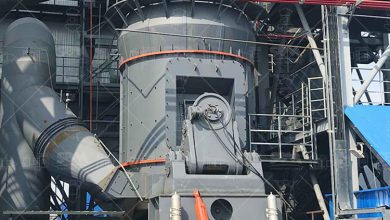
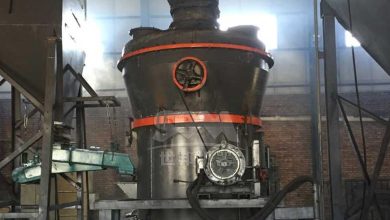
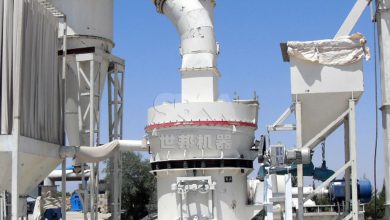
The final grinding stage in the dry process is where product value is truly defined. Traditional ball mills, while robust, are inefficient for achieving ultra-fine sizes (< 10μm) and have high energy consumption. Modern vertical roller mills and ultra-fine grinding mills offer transformative advantages.
For producing standard fineness hydrated lime (e.g., 200-325 mesh/75-45μm) efficiently and at high capacity, the MTW Series European Trapezium Mill is an excellent solution. Its optimized arc air duct and integral bevel gear drive provide high transmission efficiency and reduced energy loss. The anti-wear shovel and roller design significantly lower maintenance costs, which is crucial for abrasive materials like lime. With a capacity range of 3-45 tons per hour and the ability to handle feed sizes up to 50mm, the MTW series is ideal for the main grinding circuit in a high-tonnage dry process plant.
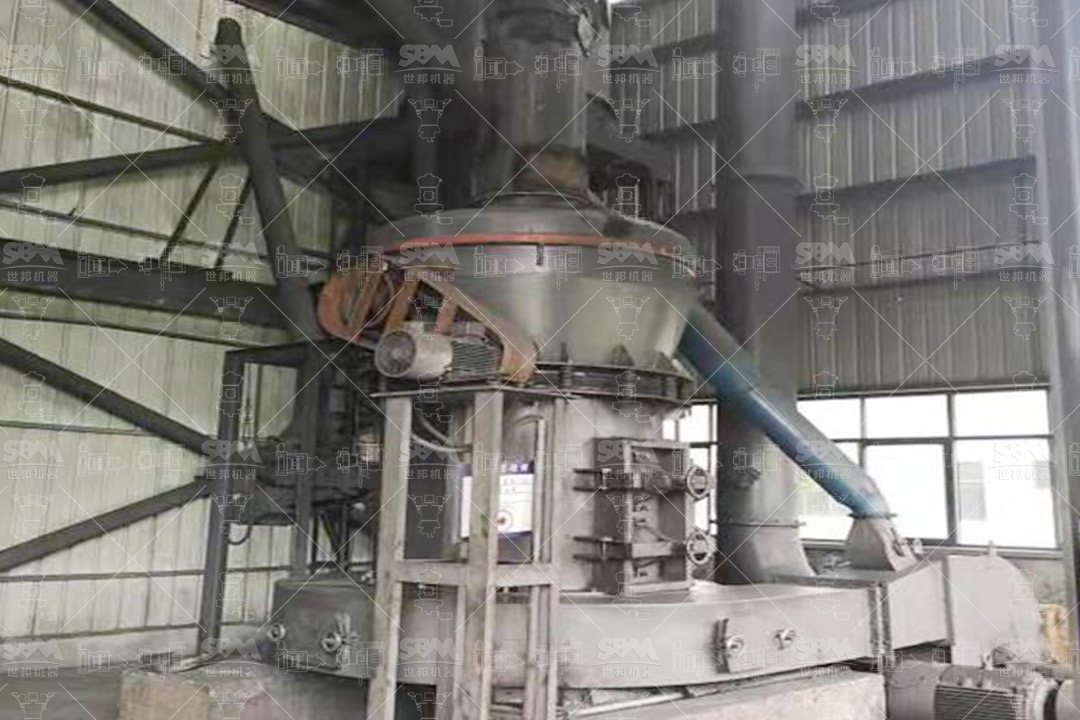
However, for producing high-value, ultra-fine or coated calcium hydroxide (e.g., 800-2500 mesh/20-5μm) used in advanced polymers, sealants, or as a functional filler, a dedicated ultra-fine mill is required. This is where our SCM Series Ultrafine Mill excels. Engineered specifically for the 5-45μm range, it incorporates a high-precision vertical turbine classifier that ensures sharp particle size cuts and no coarse powder mixing, guaranteeing a uniform product. Its grinding chamber design and special material rollers achieve high efficiency with energy consumption reportedly 30% lower than jet mills. Furthermore, its pulse dust collection system and soundproof design directly address the key environmental and operational challenges of the dry process, making it a technologically superior and responsible choice for premium product lines.
5. Conclusion
The wet and dry processes for calcium hydroxide production serve different market segments. The wet process is economically rational for slurry production and niche applications, while the dry process is the cornerstone of modern, high-quality dry powder manufacturing. The disadvantages of the dry process, particularly energy use in grinding and dust control, are being systematically overcome by technological innovation in milling equipment. By selecting advanced grinding solutions like the MTW Series Mill for high-capacity standard fineness production or the SCM Series Ultrafine Mill for premium ultra-fine products, producers can optimize their dry process lines for maximum efficiency, product quality, and environmental compliance, securing a competitive advantage in the marketplace.