Dry Grinding vs Wet Grinding for Manganese Ore: Which Method is Better?
Introduction
The processing of manganese ore, a critical raw material for steel production, batteries, and various chemical applications, hinges significantly on the comminution stage. Among the most fundamental decisions in designing a manganese ore beneficiation or preparation circuit is the choice between dry and wet grinding methods. This choice is not merely operational but impacts the entire downstream process flow, product quality, energy consumption, and overall economic viability. This article provides a comprehensive technical comparison of dry and wet grinding for manganese ore, analyzing their respective principles, advantages, limitations, and ideal application scenarios to guide operators and plant designers toward the optimal solution.
Understanding the Core Processes
Dry Grinding
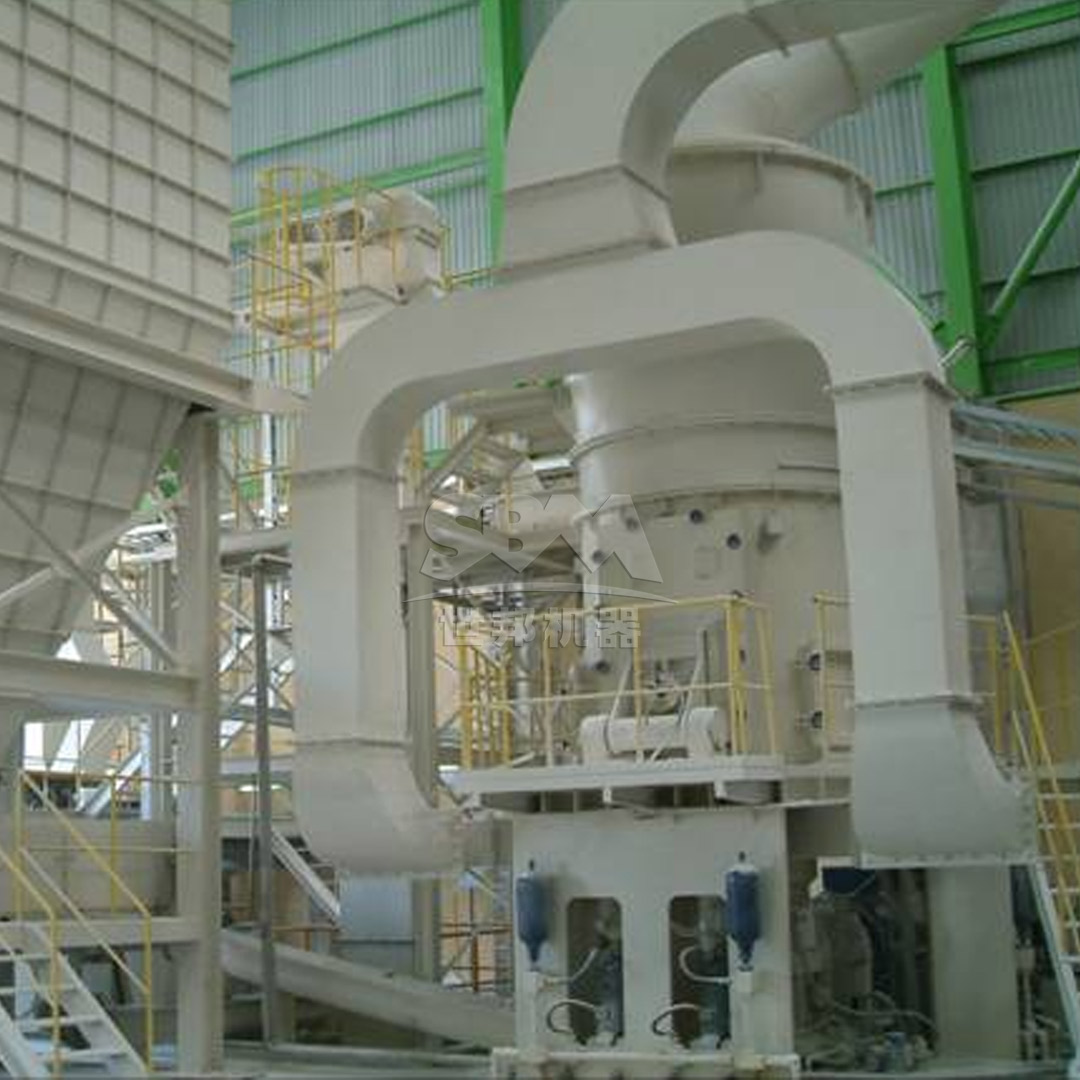
Dry grinding involves the size reduction of manganese ore in the absence of water or any other liquid medium. The ore is fed into a grinding mill where mechanical forces—such as impact, compression, and attrition—break it down into finer particles. The resulting product is a dry powder, which is then typically transported and classified using air. Key equipment includes Raymond mills, vertical roller mills, and ball mills operated in dry mode.
Wet Grinding
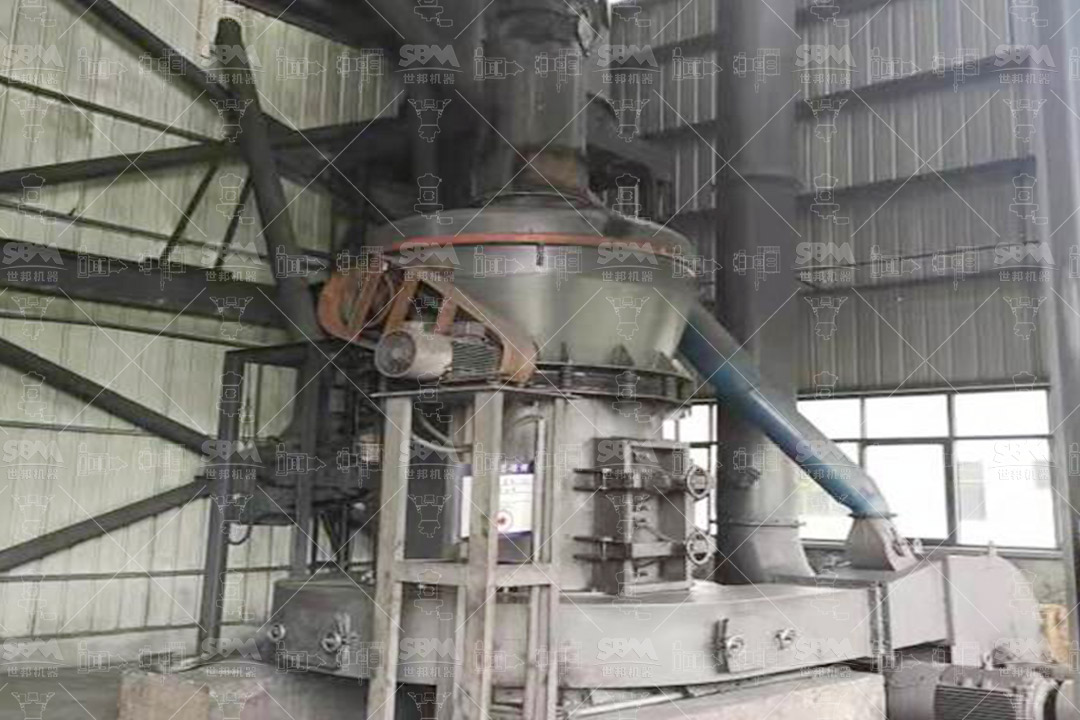
Wet grinding, in contrast, mixes the manganese ore with water (or sometimes another liquid) to form a slurry before or during the grinding process. The grinding action takes place within this liquid medium, often inside a tumbling ball mill or rod mill. The slurry is then processed through hydrocyclones or screens for classification, with the final product often requiring dewatering through thickeners and filters.
Comparative Analysis: Advantages and Disadvantages
Dry Grinding for Manganese Ore
Advantages:
- Lower Capital and Operating Cost: Eliminates the need for expensive slurry handling equipment (pumps, pipelines, thickeners, filters) and a water supply/recirculation system. This significantly reduces initial investment and ongoing maintenance.
- No Dewatering Required: The final product is immediately ready for dry downstream processes like magnetic separation (for some ore types) or direct shipping/bagging, saving substantial energy and cost associated with drying.
- Suitable for Arid Regions: A clear advantage in locations where water is scarce or expensive.
- Reduced Corrosion: Eliminating water minimizes corrosion-related wear on equipment components.
Disadvantages:
- Dust Generation: Creates significant dust, requiring robust and efficient dust collection systems (baghouses, cyclones) to protect the environment and worker health, adding to equipment complexity.
- Higher Risk of Overgrinding & Agglomeration: Dry fine particles are prone to coating grinding media and liners, reducing efficiency. They can also agglomerate, making it harder to achieve a uniform, ultra-fine product.
- Heat Generation: The grinding process can generate considerable heat, potentially affecting the properties of the ore and requiring cooling systems for the mill or the air used in classification.
- Generally Lower Energy Efficiency for Fine Grinding: Achieving very fine sizes (e.g., below 325 mesh) can be less energy-efficient in dry systems compared to wet systems due to the cushioning effect of particles in air versus liquid.
Wet Grinding for Manganese Ore
Advantages:
- Higher Grinding Efficiency & Finer Product: The liquid medium helps transport material, reduces agglomeration, and cushions impacts to prevent excessive heat. This often leads to higher throughput and the ability to achieve a finer, more uniform particle size distribution, which is crucial for liberation in subsequent beneficiation steps like flotation.
- No Dust Issues: The slurry environment completely suppresses dust, creating a cleaner and safer working environment.
- Easier Material Handling: Slurries can be pumped easily through pipelines, simplifying intra-plant transport.
- Beneficial for Downstream Wet Processes: If the next stage is wet high-intensity magnetic separation (WHIMS) or flotation, wet grinding provides a seamless, energy-efficient integration.
Disadvantages:
- High Water Consumption: Requires a large and reliable water source. While water can be recycled, there are always losses due to evaporation and product moisture.
- High Dewatering Costs: The final concentrate or product must be dewatered, involving capital-intensive and energy-consuming equipment like thickeners, vacuum filters, or dryers. This adds a major operational cost center.
- Corrosion and Erosion: The abrasive slurry accelerates wear on pumps, pipelines, and mill liners, leading to higher maintenance costs and part replacement frequency.
- Tailings Disposal: Creates wet tailings that require management in ponds or tailings storage facilities, posing environmental and space challenges.
Key Decision Factors for Manganese Ore
The optimal choice depends on a holistic assessment of the project’s specific conditions:
- Ore Characteristics: Moisture content, clay content, and abrasiveness. High-clay ores can cause plugging in dry systems, favoring wet grinding.
- Target Product Size: For coarse to medium grinding, dry methods are often competitive. For ultra-fine grinding (<45μm) required for advanced applications, wet ball milling has traditionally been superior, though modern dry grinding technology is closing the gap.
- Downstream Process: This is often the deciding factor. A dry magnetic separation circuit pairs naturally with dry grinding. A flotation or WHIMS circuit is inherently wet and thus favors wet grinding.
- Water Availability and Cost: Arid regions heavily favor dry processing.
- Environmental Regulations: Strict regulations on tailings dams or water usage can sway the decision toward dry processing.
- Overall Plant Economics: A detailed CAPEX/OPEX analysis comparing the full circuit—from grinding through to final product handling—is essential.
The Role of Advanced Grinding Equipment
The evolution of grinding technology has blurred the traditional lines between dry and wet efficiency. Modern dry grinding mills can achieve fineness and efficiency levels once exclusive to wet systems, making dry processing a viable option for more applications.
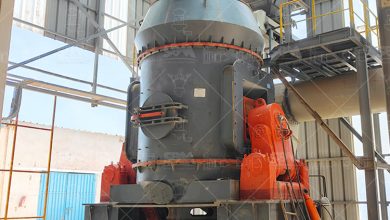
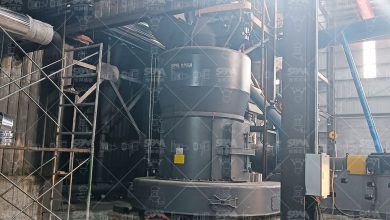
For high-capacity, efficient dry grinding of manganese ore to medium fineness (e.g., 30-325 mesh), the MTW Series Trapezium Mill represents an excellent solution. Its advanced design features, such as the curved air duct for reduced flow resistance, integral transmission with bevel gear (98% efficiency), and wear-resistant volute structure, directly address the challenges of dry processing. It offers high throughput (3-45 TPH depending on model), excellent energy efficiency, and lower maintenance costs, making it ideal for large-scale manganese ore preparation plants where water conservation is a priority.
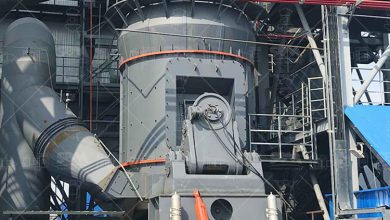
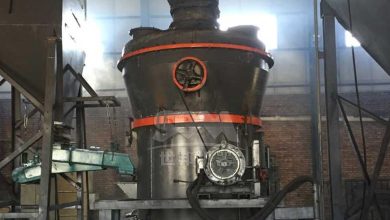
When the application demands ultra-fine dry grinding of manganese ore for specialized chemical or battery-grade products (325-2500 mesh), the SCM Ultrafine Mill is the technological answer. Its vertical turbine classifier ensures precise particle size cuts with no coarse powder contamination, while its special-material grinding rollers and rings provide exceptional durability against abrasive ores. With an energy consumption 30% lower than jet mills and a fully enclosed, pulse-dust-collection system ensuring environmental compliance, the SCM series enables the economic production of high-value, superfine manganese powder in a dry state, bypassing the costly dewatering stage entirely.

Conclusion
There is no universally “better” method for grinding manganese ore. Wet grinding remains the robust, high-efficiency standard for circuits requiring ultra-fine liberation and integrated wet beneficiation, despite its water and dewatering burdens. Dry grinding, empowered by advanced equipment like the MTW Trapezium Mill and SCM Ultrafine Mill, offers a compelling, cost-effective, and environmentally friendly alternative, particularly for coarse-to-medium grinding, in water-scarce regions, or for processes where a dry final product is desired. The decision must be driven by a detailed technical and economic evaluation of the specific ore body, desired product specifications, local resources, and the complete process flow sheet. Consulting with experienced equipment suppliers to test the ore and model the complete circuit is a critical step in selecting the optimal grinding strategy.