Dry and Wet Process for Ground Calcium Carbonate Production: Methods & Equipment
Introduction to Ground Calcium Carbonate (GCC) Production
Ground Calcium Carbonate (GCC) is a vital industrial mineral used in numerous applications, including plastics, paints, paper, adhesives, and construction materials. The production of GCC involves two primary processes: dry and wet grinding. Each method has distinct advantages and is selected based on the desired product characteristics, energy efficiency, and end-use requirements. This article explores both processes in detail, highlighting the methods, equipment used, and technological advancements that enhance efficiency and product quality.
Dry Process for GCC Production
The dry process is widely used for producing GCC with a particle size range of 45μm to 5μm. It involves grinding dried raw materials, such as limestone or marble, without the addition of water. This method is energy-efficient and suitable for applications where moisture content must be minimized.
Key Steps in the Dry Process
- Crushing: Large limestone rocks are crushed into smaller pieces (≤50mm) using primary crushers like jaw crushers or hammer mills.
- Drying: The crushed material is dried to reduce moisture content to below 1%, ensuring efficient grinding.
- Grinding: The dried material is ground into fine powder using specialized mills. The choice of mill depends on the required fineness and production capacity.
- Classification: The ground powder is classified to separate particles of the desired size. Oversized particles are returned for further grinding.
- Collection: The final product is collected using cyclone separators and bag filters.
Equipment for Dry Grinding
Dry grinding requires robust and efficient equipment to achieve the desired fineness while minimizing energy consumption. Key equipment includes:
- Hammer Mills: Used for initial crushing to reduce particle size to below 50mm.
- Grinding Mills: Various mills are employed, such as ball mills, Raymond mills, and advanced ultrafine mills.
- Classifiers: Dynamic classifiers ensure precise particle size distribution.
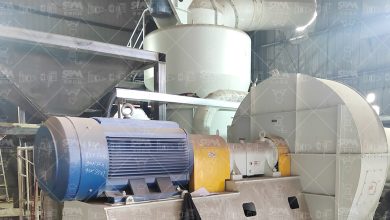
- Dust Collectors: Pulse jet bag filters capture fine particles and maintain a dust-free environment.
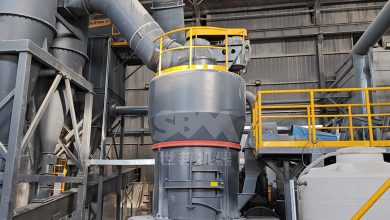
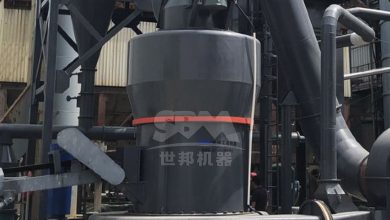
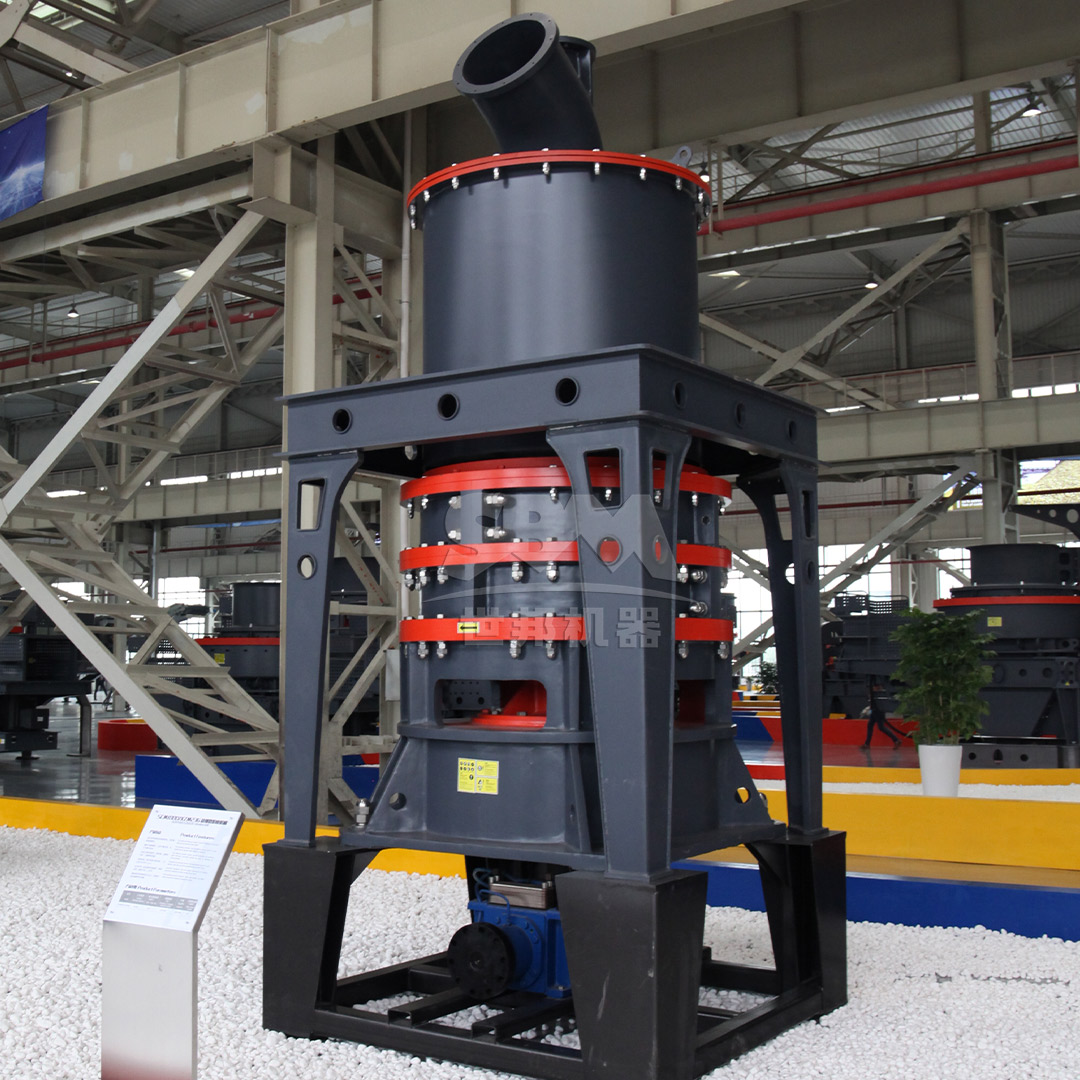
For ultra-fine grinding in the dry process, the SCM Ultrafine Mill is an excellent choice. This mill can achieve a fineness of 325-2500 mesh (D97 ≤5μm) with high efficiency and low energy consumption. Its intelligent control system automatically adjusts to maintain consistent product quality, while its durable design ensures long-term reliability. With models ranging from SCM800 to SCM1680, it offers capacities from 0.5 to 25 tons per hour, making it suitable for various production scales.
Wet Process for GCC Production
The wet process involves grinding limestone or marble in a water-based slurry. This method is preferred for producing GCC with very fine particle sizes (below 2μm) and narrow particle size distributions. It is commonly used in applications such as paper coating and plastics, where high brightness and smoothness are required.
Key Steps in the Wet Process
- Crushing: Similar to the dry process, raw materials are crushed to a manageable size.
- Wet Grinding: The crushed material is mixed with water to form a slurry, which is ground in ball mills or specialized wet grinding mills.
- Classification: Hydrocyclones or centrifuges classify the slurry to achieve the desired particle size.
- Dewatering: The slurry is dewatered using filters or centrifuges to reduce moisture content.
- Drying: The dewatered cake is dried to produce the final powder, or the slurry is used directly in some applications.
Equipment for Wet Grinding
Wet grinding requires equipment that can handle slurries and achieve ultra-fine particle sizes. Key equipment includes:
- Ball Mills: Traditional wet ball mills are used for grinding slurries, with steel balls as grinding media.
- Stirred Media Mills: These mills use rotating agitators to grind slurries to very fine sizes.
- Hydrocyclones: These devices classify particles based on size and density.
- Filter Presses: Used for dewatering the slurry to form a filter cake.
- Dryers: Spray dryers or rotary dryers remove moisture from the filter cake.
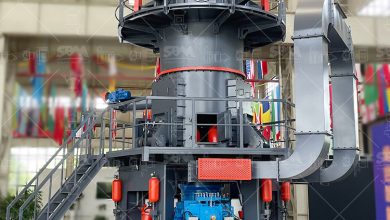
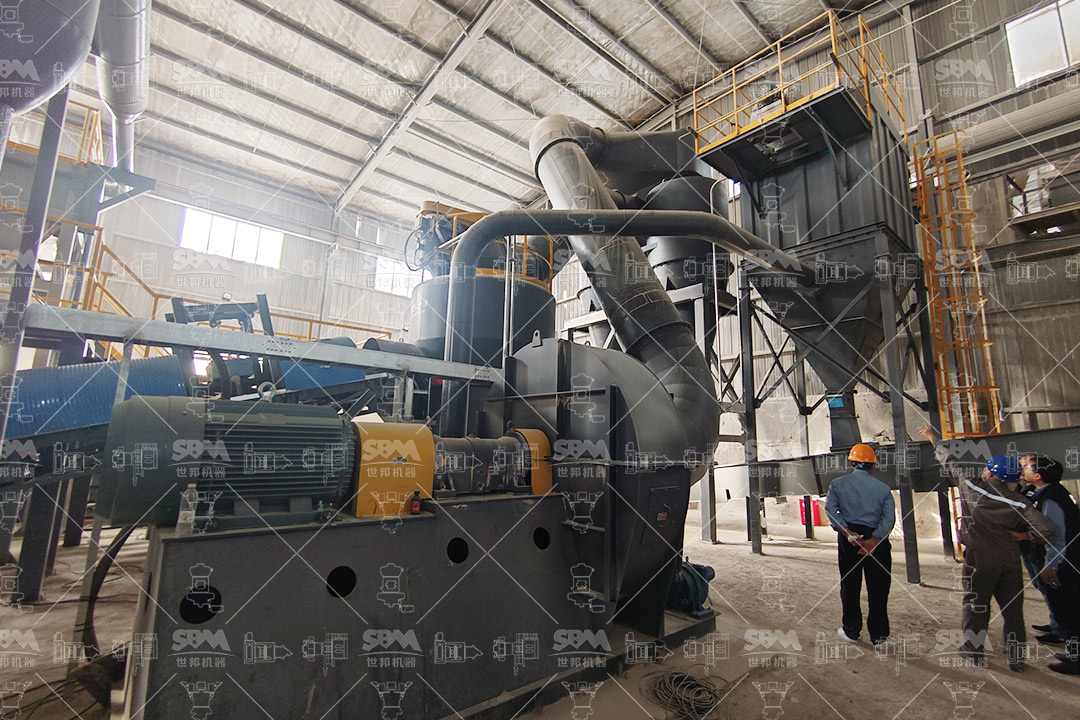
For wet grinding applications, the MTW Series Trapezium Mill is highly recommended. Although primarily designed for dry grinding, its robust construction and efficient classification system make it adaptable for certain wet grinding processes. With outputs ranging from 30 to 325 mesh and capacities up to 45 tons per hour, it offers versatility and reliability. Its curved air duct and wear-resistant design reduce energy loss and maintenance costs, ensuring consistent performance.
Comparison of Dry and Wet Processes
Both dry and wet processes have their advantages and limitations. The choice between them depends on factors such as product requirements, energy consumption, and capital investment.
| Factor | Dry Process | Wet Process |
|---|---|---|
| Particle Size | 45μm to 5μm | Below 2μm |
| Energy Consumption | Lower | Higher |
| Moisture Content | Very low | Requires drying |
| Capital Cost | Lower | Higher |
| Applications | Plastics, paints, construction | Paper coating, plastics |
Technological Advancements in GCC Production
Recent advancements in grinding technology have significantly improved the efficiency and quality of GCC production. Key innovations include:
- Automated Control Systems: Modern mills are equipped with PLC systems that monitor and adjust grinding parameters in real-time, ensuring consistent product quality.
- High-Efficiency Classifiers: Advanced classifiers provide precise particle size control, reducing energy consumption and improving product uniformity.
- Wear-Resistant Materials: The use of high-chrome alloys and ceramics in grinding components extends equipment life and reduces maintenance.
- Environmental Features: Pulse jet dust collectors and noise reduction technologies minimize environmental impact.
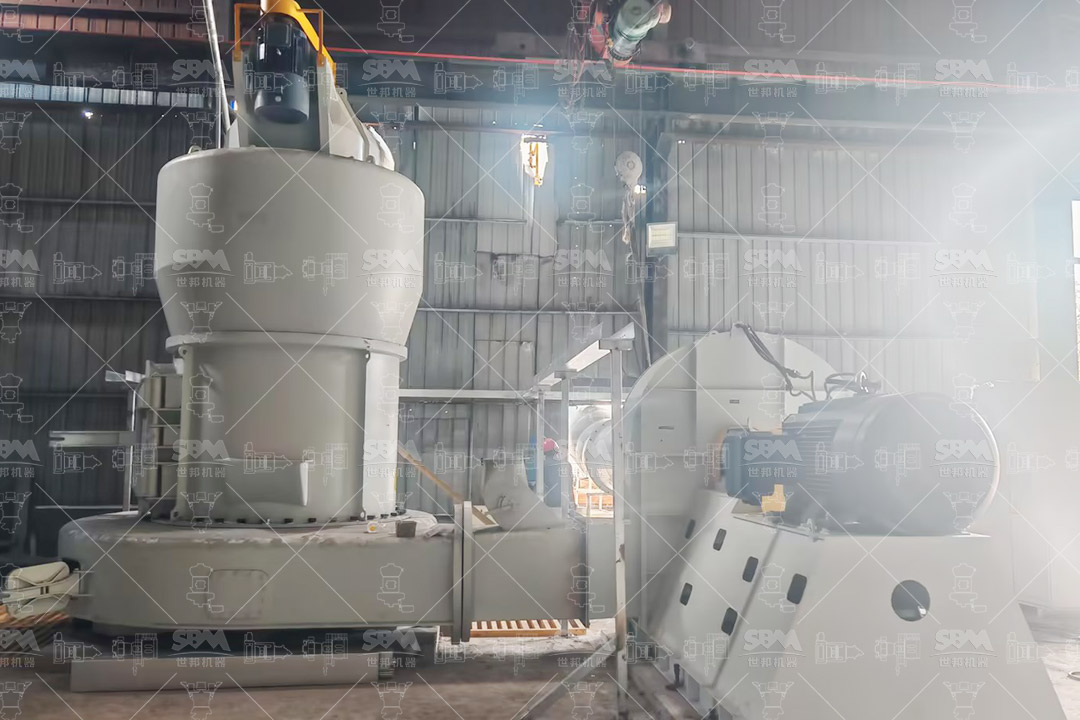
For instance, the SCM Ultrafine Mill incorporates many of these advancements. Its vertical turbine classifier ensures accurate particle size distribution, while its pulse dust collector exceeds international environmental standards. Additionally, its modular design allows for quick maintenance and reduced downtime.
Conclusion
The production of Ground Calcium Carbonate through dry and wet processes involves sophisticated equipment and precise control to meet the diverse needs of various industries. The dry process is ideal for producing finer powders with low moisture content, while the wet process excels in achieving ultra-fine particles for specialized applications. Advances in grinding technology, such as those seen in the SCM Ultrafine Mill and MTW Series Trapezium Mill, have made both processes more efficient, environmentally friendly, and cost-effective. By selecting the appropriate method and equipment, producers can optimize their operations and deliver high-quality GCC products to the market.