Different Sulfur Content Petroleum Coke Uses and Applications
Introduction
Petroleum coke (petcoke), a carbon-rich solid derived from oil refinery coker units or other cracking processes, is a versatile industrial material with applications spanning multiple sectors. Its properties, particularly its sulfur content, are the primary determinants of its end-use. This article provides a comprehensive overview of the classification, processing requirements, and applications of petroleum coke based on sulfur content, and explores the critical role of advanced grinding technology in unlocking its value.
Classification of Petroleum Coke by Sulfur Content
The sulfur content in petcoke is a critical quality parameter, directly influencing its environmental impact, handling requirements, and economic value. It is broadly categorized as follows:
1. Low-Sulfur Petroleum Coke (Sulfur < 3%)
This premium-grade petcoke is produced from sweet (low-sulfur) crude oils. Its low impurity content makes it highly desirable for applications where sulfur emissions are strictly regulated or where sulfur can negatively affect product quality.
2. Medium-Sulfur Petroleum Coke (Sulfur 3% – 5%)
This is a common grade, offering a balance between cost and performance. It requires more sophisticated emission control systems when used as fuel but remains a significant feedstock for many industrial processes.
3. High-Sulfur Petroleum Coke (Sulfur > 5%)
Derived from sour (high-sulfur) crude oils, this grade is the most abundant and cost-effective. Its use is often restricted to facilities equipped with advanced flue gas desulfurization (FGD) technology or in processes where sulfur is not a contaminant.
Applications and Processing Requirements
Anode-Grade Coke (For Aluminum and Steel Industries)
This is the most demanding application, exclusively using low-sulfur calcined petroleum coke (CPC). The coke must be calcined (heated to ~1300°C to remove volatiles) and then ground to a precise particle size distribution to produce carbon anodes for aluminum smelting or graphite electrodes for electric arc furnace steelmaking. Sulfur and metal impurities must be minimized to ensure anode performance and longevity.
Processing Need: Ultra-fine and consistent grinding of calcined coke is paramount. The grinding system must produce powders with tight particle size control (often in the range of 150-325 mesh for anode paste, and even finer for additives) to ensure optimal packing density and electrical conductivity in the final carbon product.
Fuel-Grade Coke (For Power Plants and Cement Kilns)
Primarily high-sulfur petcoke is used as a low-cost, high-heating-value fuel. It is pulverized and injected into boilers or cement kilns as a coal substitute. The key challenge is managing SOx emissions, requiring robust FGD systems.
Processing Need: High-capacity, reliable grinding to a fine powder (similar to pulverized coal, typically around 200 mesh) to ensure efficient combustion. The grinders must handle abrasive materials with high throughput and low maintenance costs.
Calcined Coke for Other Carbon Products
Low to medium-sulfur CPC is used to manufacture carbon brushes, lithium-ion battery anode materials, and specialty graphite. These applications require extremely high purity and very fine or even nano-sized powders.
Processing Need: Ultra-fine grinding and classification technology capable of achieving particle sizes in the micrometer (μm) and sub-micrometer range (D97 ≤ 5μm) with high efficiency and minimal contamination.
Sulfur Recovery and Chemical Feedstock
High-sulfur petcoke can be gasified to produce syngas (H2 + CO) for power generation or chemical synthesis. The sulfur is recovered as elemental sulfur or sulfuric acid. It can also be used as a reducing agent in some metallurgical processes.
Processing Need: Pre-processing may involve coarse crushing or grinding to prepare feedstock for gasifiers or other reactors.
The Critical Role of Grinding Technology
Transforming raw or calcined petroleum coke into a usable powder is a fundamental step that dictates product quality and process economics. The choice of grinding equipment must align with the target particle size, required throughput, and the abrasive nature of coke.
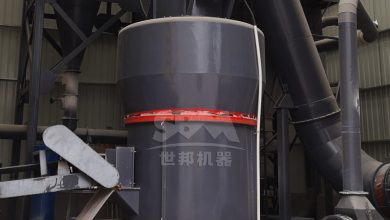
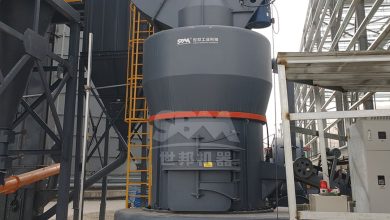
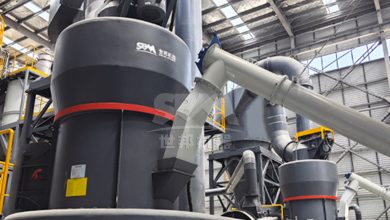
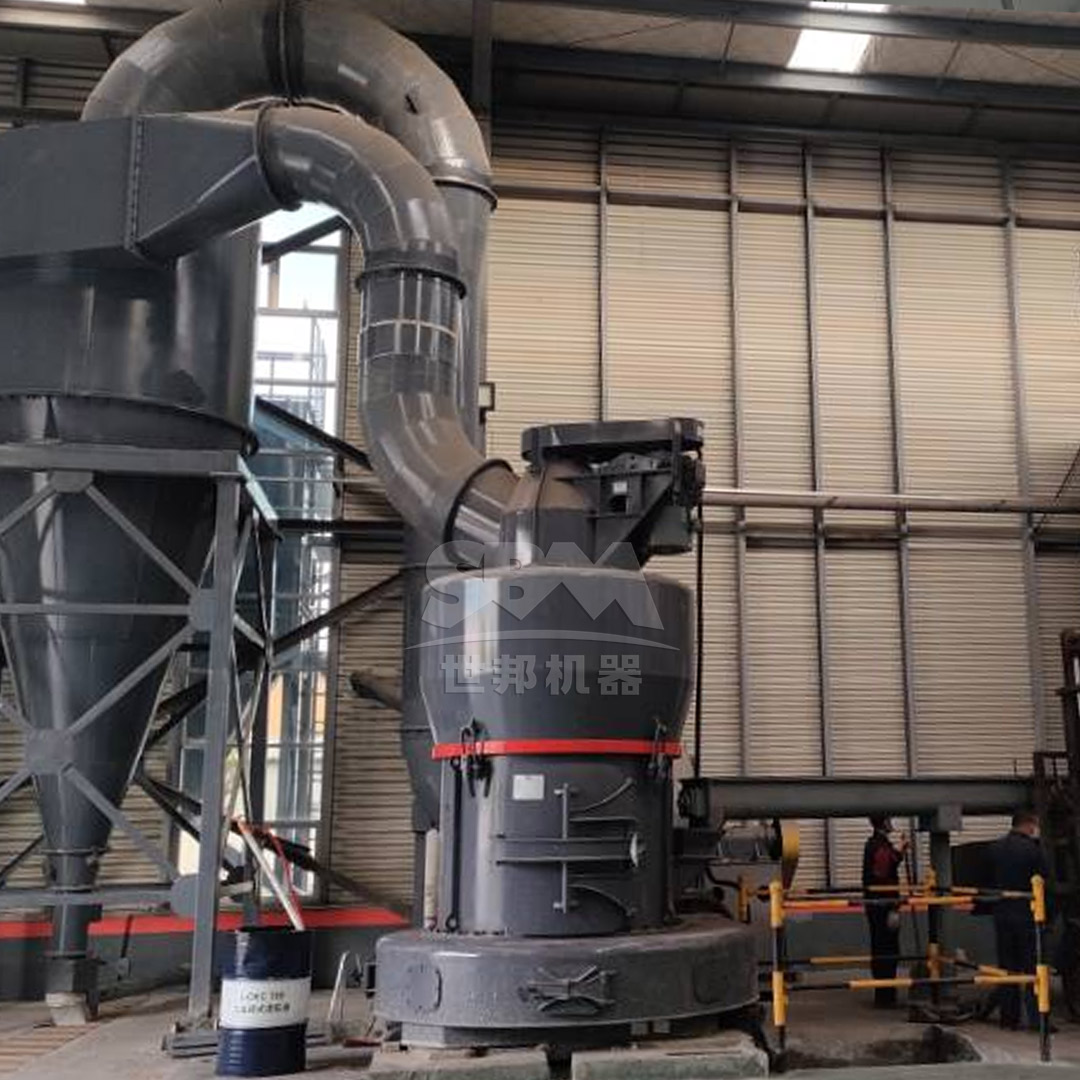
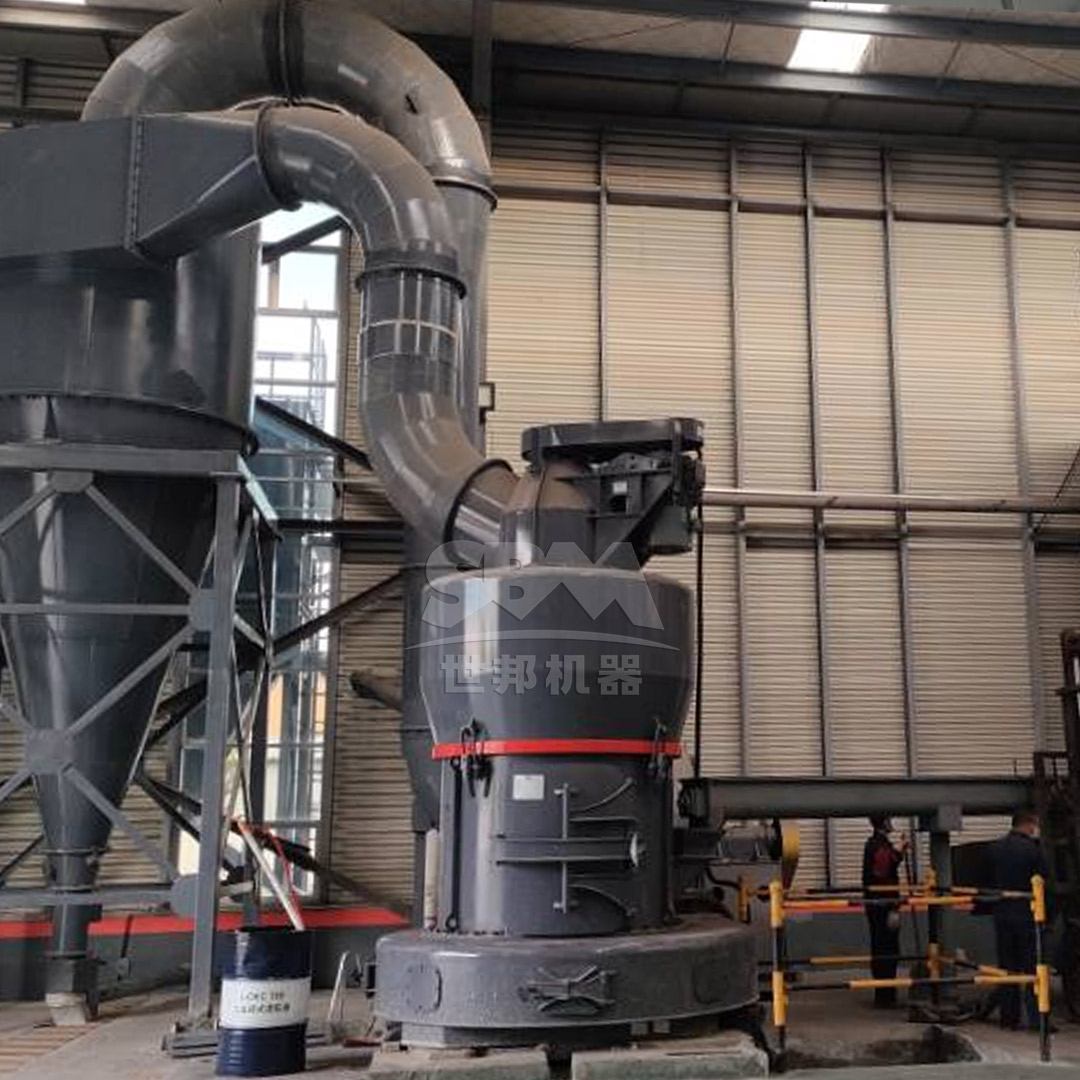
For coarse to medium-fine grinding (e.g., for fuel preparation or pre-calcination sizing), robust and high-capacity mills are essential. Our MTW Series European Trapezium Mill is ideally suited for this task. With an input size of up to 50mm and a capacity ranging from 3 to 45 tons per hour, it can efficiently process petroleum coke to a fineness of 30-325 mesh. Its advantages, such as the wear-resistant shovel design, curved air duct for reduced energy loss, and integral gear transmission with 98% efficiency, make it a reliable and cost-effective workhorse for fuel-grade petcoke preparation. The durable construction ensures stable operation when handling abrasive materials, minimizing downtime.
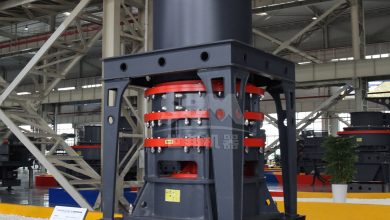
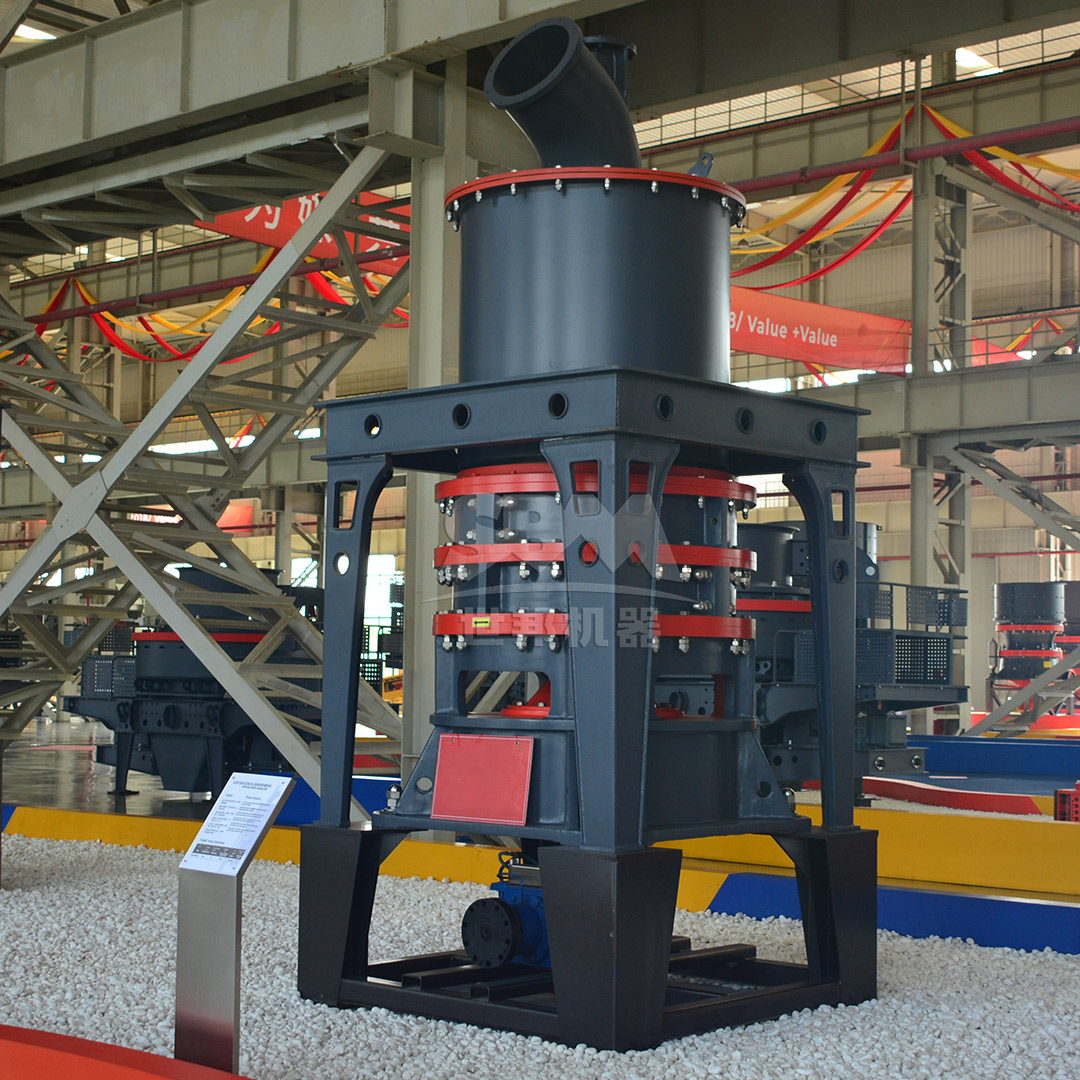
For high-value applications like anode production or advanced carbon materials, achieving ultra-fine and uniform powders is non-negotiable. This is where our flagship SCM Series Ultrafine Mill excels. Engineered for precision, it can grind materials with an input size of ≤20mm down to an exceptional fineness of 325-2500 mesh (D97 ≤ 5μm). Its vertical turbine classifier ensures precise particle size cuts without coarse powder contamination, resulting in a highly uniform product—a critical factor for anode density and performance. Furthermore, its high efficiency and energy-saving design, offering twice the output of jet mills with 30% lower energy consumption, provide a significant economic advantage for producers of premium calcined coke products. The mill’s durable components and environmentally friendly operation (with noise levels ≤75dB) make it a sustainable choice for modern industrial plants.
Conclusion
The journey of petroleum coke from a refinery by-product to a valuable industrial commodity is defined by its sulfur content. Low-sulfur coke finds its way into high-tech metallurgical and material science applications, while high-sulfur coke serves as an important energy source where emissions are controlled. Across all these pathways, advanced grinding technology acts as a critical enabler. Selecting the right milling solution—from high-capacity trapezium mills for fuel preparation to ultra-fine grinding systems for specialty carbons—is essential for optimizing product quality, operational efficiency, and environmental compliance. By understanding the specific requirements of each petcoke grade and application, industries can fully leverage the potential of this versatile carbon material.