Differences Between Silica and Wollastonite: Properties and Applications
Introduction
In the world of industrial minerals, silica and wollastonite stand as two crucial materials with distinct characteristics and applications. While both find extensive use across multiple industries, their fundamental differences in chemical composition, physical properties, and performance characteristics make them suitable for different applications. Understanding these differences is essential for manufacturers and engineers seeking to optimize their material selection for specific industrial processes and end-use requirements.
Fundamental Chemical and Physical Properties
Silica (SiO₂)
Silica, also known as silicon dioxide, is one of the most abundant minerals on Earth, constituting approximately 59% of the Earth’s crust. It occurs naturally in various crystalline forms, with quartz being the most common, as well as in amorphous forms such as fused silica. The basic building block of silica is the SiO₄ tetrahedron, where each silicon atom is covalently bonded to four oxygen atoms in a tetrahedral arrangement.
Key physical properties of silica include:
- High hardness (7 on the Mohs scale)
- Melting point of approximately 1,710°C
- Low thermal expansion coefficient
- Excellent electrical insulation properties
- Chemical inertness to most acids (except hydrofluoric acid)
- Transparency to visible and ultraviolet light in pure forms
Wollastonite (CaSiO₃)
Wollastonite is a calcium inosilicate mineral that typically occurs as triclinic crystals in metamorphic rocks. Unlike silica, wollastonite contains both calcium and silicon in its chemical structure, giving it unique properties that differentiate it from pure silica minerals. The crystal structure consists of chains of SiO₄ tetrahedrons linked by calcium ions in octahedral coordination.
Distinctive physical properties of wollastonite include:
- Acicular (needle-like) crystal habit
- White color with vitreous to pearly luster
- Mohs hardness of 4.5-5.0
- Melting point of approximately 1,540°C
- Low moisture absorption
- Alkaline nature (pH 9.8 in water)
Comparative Analysis of Key Properties
Thermal Properties
Silica exhibits superior thermal stability with a melting point of 1,710°C compared to wollastonite’s 1,540°C. However, wollastonite demonstrates lower thermal expansion and higher thermal shock resistance, making it valuable in applications involving rapid temperature changes. The linear thermal expansion coefficient of wollastonite is approximately 6.5×10⁻⁶/°C, significantly lower than most other minerals.
Mechanical Properties
The acicular structure of wollastonite provides reinforcement capabilities in composite materials, similar to fiber reinforcement. This needle-like morphology contributes to improved flexural strength, dimensional stability, and reduced cracking in ceramic and plastic applications. In contrast, silica particles typically exhibit more equiaxial shapes, providing different reinforcement mechanisms.
Chemical Reactivity
Wollastonite’s alkaline nature (pH 9.8) makes it reactive with acids, while silica remains largely inert except to hydrofluoric acid. This difference significantly impacts their behavior in various chemical environments and composite systems. Wollastonite can act as a pH buffer in certain applications, while silica maintains neutral characteristics.
Industrial Applications
Silica Applications
Silica finds extensive use across numerous industries due to its abundance, hardness, and chemical stability. Major applications include:
- Glass Manufacturing: Primary raw material for all types of glass products
- Construction: Key component in concrete, mortars, and building materials
- Electronics: High-purity silica for semiconductor manufacturing
- Foundry: Molding sand for metal casting operations
- Ceramics: Body and glaze component in traditional ceramics
- Chemicals: Precursor for silicon compounds and catalysts
Wollastonite Applications
Wollastonite’s unique properties make it suitable for specialized applications where its acicular morphology and alkaline nature provide distinct advantages:
- Plastics and Polymers: Reinforcement filler replacing asbestos and fiberglass
- Ceramics: Fluxing agent reducing firing temperatures and improving strength
- Paints and Coatings: Functional filler providing durability and corrosion resistance
- Construction Materials: Cement additive and asbestos replacement
- Metallurgy: Flux in steel production and welding rod coatings
- Friction Products: Brake pads and clutch facings
Processing Requirements and Equipment Solutions
Silica Processing Challenges
Processing silica to required specifications presents several challenges, including its high hardness which causes significant wear on processing equipment, the need for precise particle size control for different applications, dust control requirements due to silicosis hazards, and maintaining chemical purity for high-value applications.
Wollastonite Processing Considerations
Wollastonite processing requires careful attention to preserving its acicular morphology, managing its alkaline characteristics during wet processing, achieving specific aspect ratios for reinforcement applications, and maintaining brightness and color consistency for premium applications.
Advanced Milling Solutions for Mineral Processing
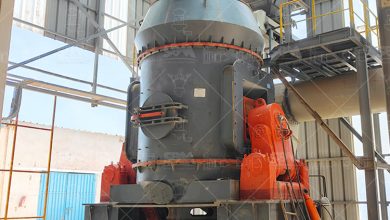
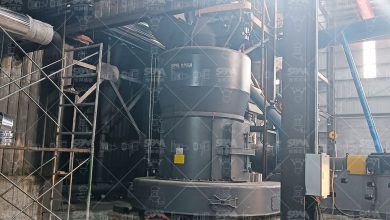
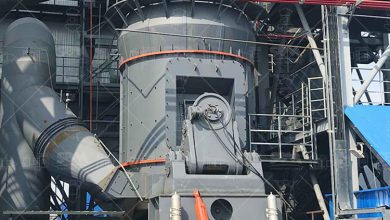
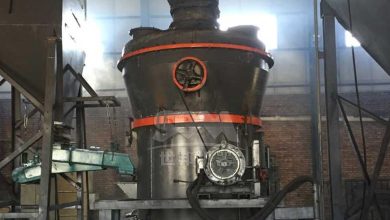
The efficient processing of both silica and wollastonite requires specialized milling equipment capable of handling their distinct characteristics. For wollastonite processing where preserving the acicular structure is crucial, and for high-purity silica applications requiring ultra-fine particles, our SCM Ultrafine Mill provides an ideal solution.
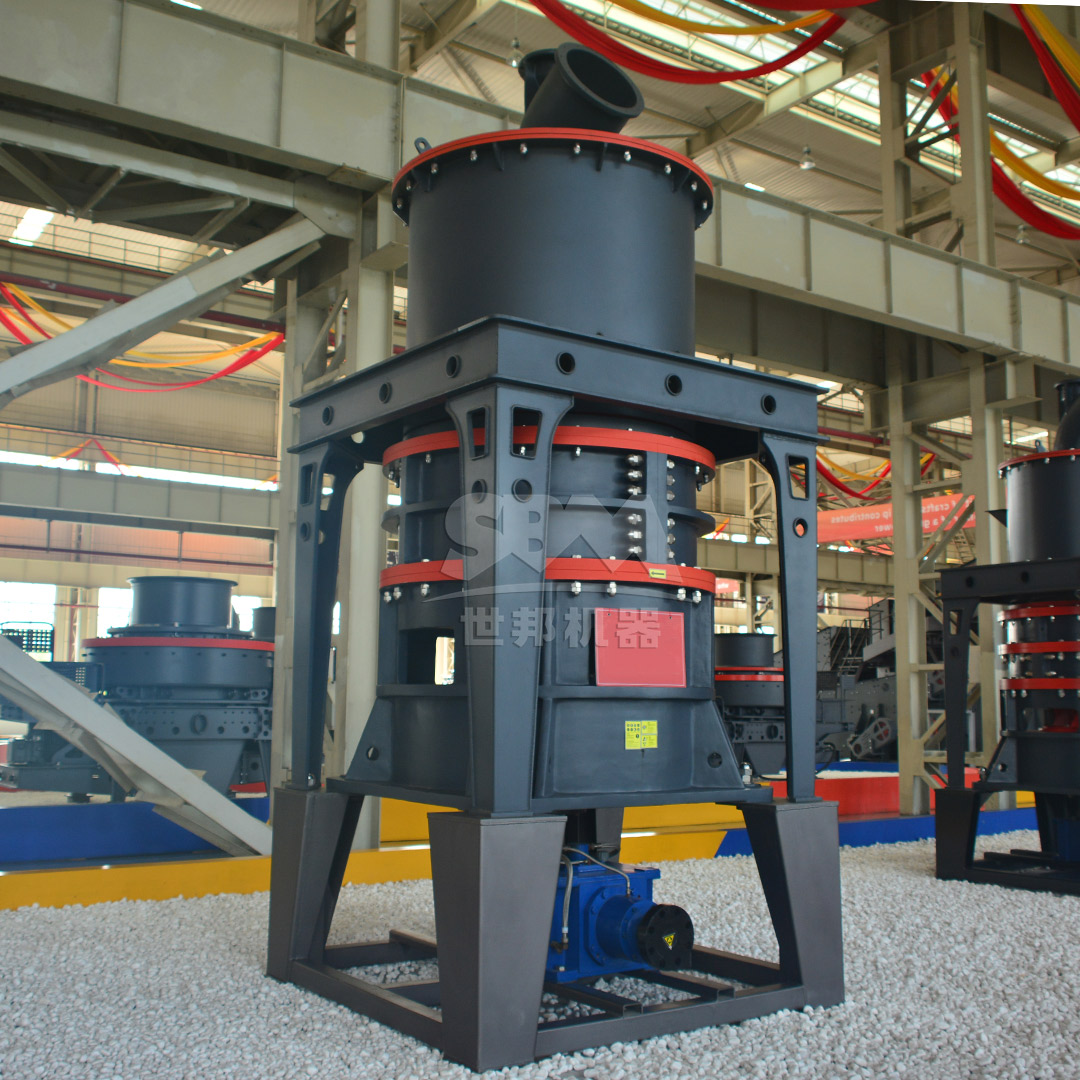
Our SCM Ultrafine Mill series offers several advantages for processing these minerals:
- Precision Particle Control: Capable of producing particles in the range of 325-2500 mesh (D97≤5μm), essential for high-value applications of both silica and wollastonite
- High Efficiency: With capacity reaching 25 ton/h and energy consumption 30% lower than conventional jet mills, it provides cost-effective processing
- Preservation of Crystal Structure: The gentle grinding action helps maintain wollastonite’s acicular morphology
- Consistent Quality: Advanced classification system ensures uniform particle size distribution
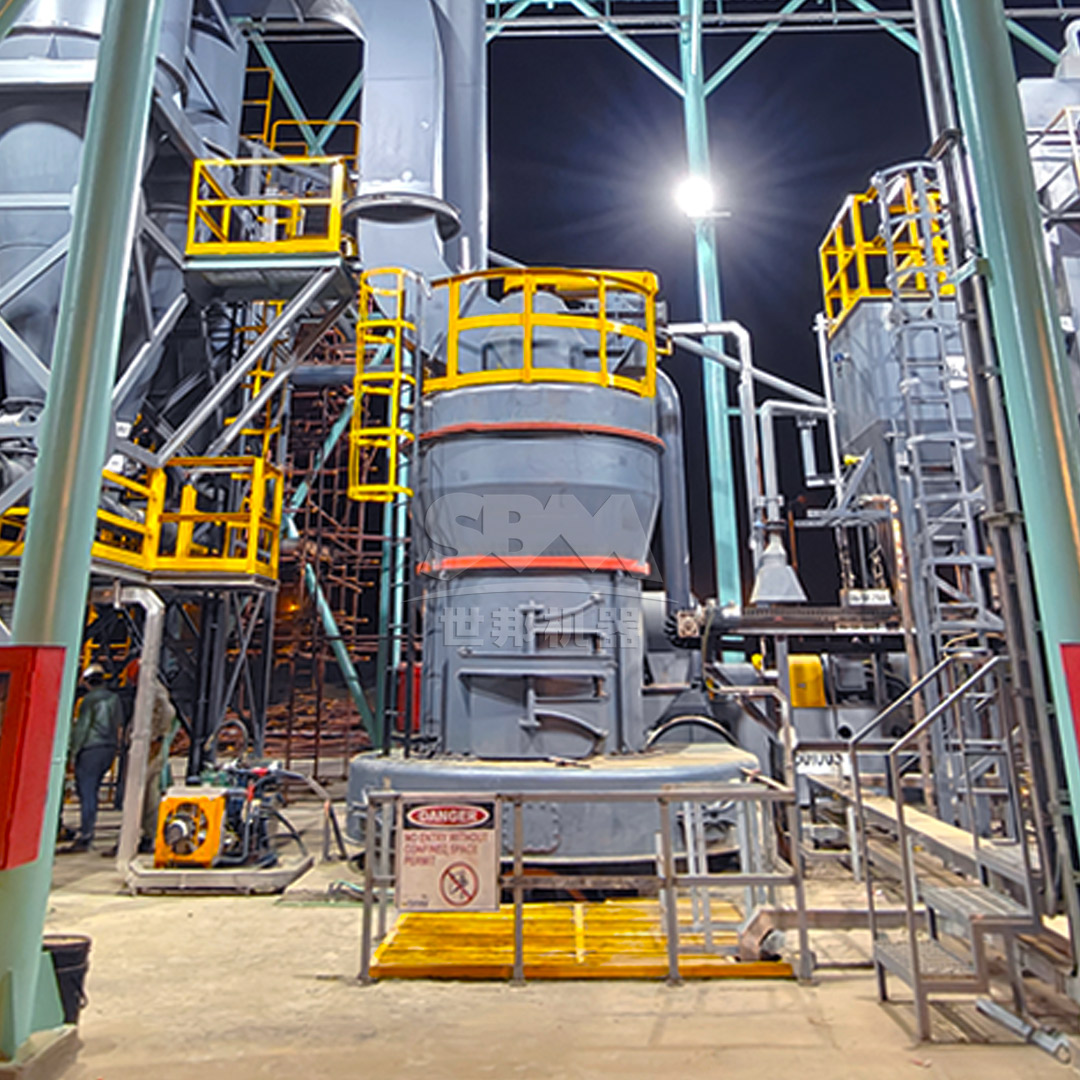
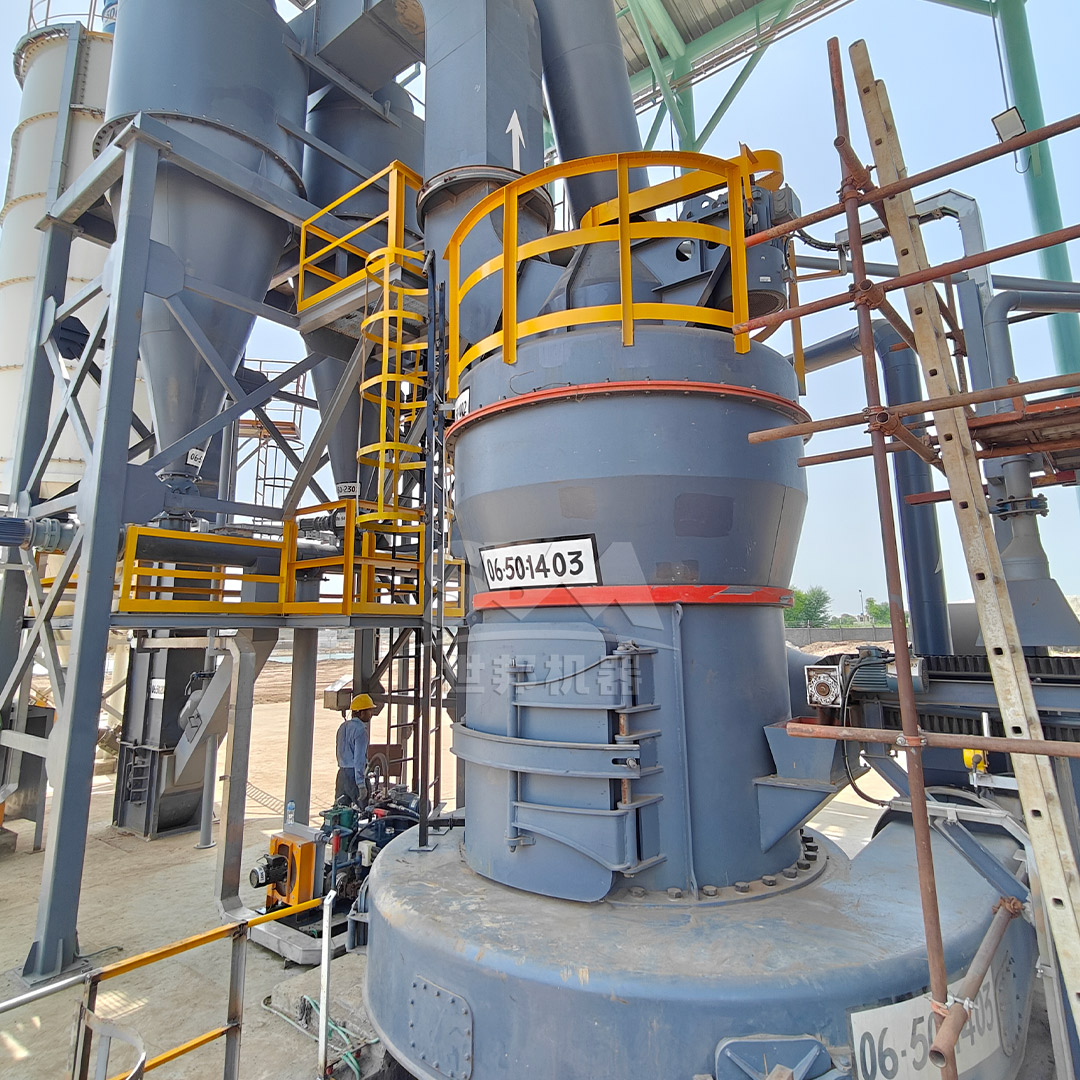
For larger-scale processing requirements, particularly for silica in construction applications or wollastonite in ceramic formulations, our MTW Series Trapezium Mill offers robust performance with capacities up to 45 ton/h and the ability to handle feed materials up to 50mm in size.
Environmental and Health Considerations
Silica Health Concerns
Crystalline silica dust poses significant health risks, particularly silicosis, a serious lung disease. Regulatory agencies worldwide have established strict exposure limits for respirable crystalline silica. Proper dust control measures, engineering controls, and personal protective equipment are essential when processing silica materials.
Wollastonite Safety Profile
Wollastonite generally presents lower health risks compared to crystalline silica. However, the acicular nature of wollastonite fibers requires careful handling to minimize inhalation exposure. The International Agency for Research on Cancer (IARC) has classified wollastonite as not classifiable as to its carcinogenicity to humans (Group 3).
Market Trends and Future Outlook
The global markets for both silica and wollastonite continue to evolve, driven by technological advancements and changing regulatory landscapes. Key trends include:
- Growing demand for high-purity silica in electronics and photovoltaic applications
- Increasing use of wollastonite as a sustainable alternative to synthetic fibers in composites
- Development of surface-modified wollastonite for enhanced polymer compatibility
- Expansion of precipitated silica markets in tire reinforcement and personal care
- Technological innovations in processing equipment enabling new applications
Conclusion
Silica and wollastonite, while both classified as industrial minerals, serve distinct roles across various industries due to their fundamental differences in chemical composition, physical properties, and performance characteristics. Silica’s abundance, hardness, and chemical stability make it indispensable in construction, glass, and electronics, while wollastonite’s unique acicular morphology and alkaline nature provide specific advantages in plastics, ceramics, and specialized applications.
The selection between these minerals depends on multiple factors including required mechanical properties, thermal characteristics, chemical compatibility, and cost considerations. Advances in processing technologies, particularly in precision milling equipment like our SCM Ultrafine Mill and MTW Series Trapezium Mill, continue to expand the applications and improve the performance of both materials in their respective domains.
As industries continue to seek materials that offer specific performance advantages while addressing environmental and health concerns, both silica and wollastonite will maintain their importance in the industrial minerals landscape, each serving unique market needs based on their inherent characteristics and processing capabilities.