Difference Between Slaked Lime and Hydrated Lime: A Detailed Comparison
Introduction: Understanding Lime Terminology
The terms “slaked lime” and “hydrated lime” are frequently encountered in industrial, construction, and chemical contexts, often leading to confusion. While they are chemically identical, subtle distinctions in their production, physical form, and historical usage persist. This article provides a comprehensive, professional comparison to clarify these terms, explore their applications, and discuss the critical role of modern grinding technology in producing high-quality lime products for various industries.
Chemical Identity and Core Definition
At their most fundamental level, slaked lime and hydrated lime refer to the same chemical compound: calcium hydroxide (Ca(OH)₂). This inorganic compound is produced by the exothermic reaction of calcium oxide (CaO, quicklime) with water (H₂O), a process known as slaking or hydration.
The chemical reaction is: CaO + H₂O → Ca(OH)₂ + Heat
Therefore, the primary product is identical. The variation in terminology often stems from the scale, method, and intended application of the production process.
Historical and Contextual Distinctions
- Slaked Lime: This term has older, more traditional roots, often associated with on-site, small-batch, or manual slaking processes. It might imply a less controlled reaction, sometimes resulting in a lime putty or slurry. The word “slaked” vividly describes the quenching of the reactive quicklime with water.
- Hydrated Lime: This is the preferred modern industrial term. It describes calcium hydroxide produced in a controlled factory setting using automated hydrators. The process is designed to yield a dry, fine, uniform powder with consistent chemical and physical properties, ready for bagging or bulk shipment.
Production Processes: From Quarry to Powder
The journey to both slaked and hydrated lime begins with high-calcium limestone (calcium carbonate, CaCO₃). This limestone is calcined in a kiln at temperatures exceeding 900°C to drive off carbon dioxide, producing calcium oxide (quicklime).
The divergence occurs in the next step:
- Traditional/On-site Slaking: Quicklime lumps are combined with an excess of water. The violent reaction generates significant heat and steam, resulting in a wet, putty-like material called lime putty or a milk-of-lime slurry. This material may be used directly or allowed to dry and age.
- Industrial Hydration: Pre-crushed quicklime is fed into a mechanical hydrator. A precisely controlled amount of water is added. The exothermic reaction is managed within the equipment to produce a dry powder. The critical final step is the fine grinding and classification of this powder to achieve the desired particle size distribution, reactivity, and handling characteristics.
Key Physical and Chemical Properties
While the base chemistry is Ca(OH)₂, the form and physical properties can differ based on production:
| Property | Industrial Hydrated Lime (Dry Powder) | Traditional Slaked Lime (Putty/Slurry) |
|---|---|---|
| Physical State | Dry, fine, free-flowing powder | Wet paste (putty) or aqueous suspension (slurry) |
| Moisture Content | Typically less than 2% | High, variable water content |
| Particle Size | Controlled, uniform fineness (e.g., 200-325 mesh) | Variable, often coarser and less uniform |
| Reactivity | Consistent and predictable | Can vary batch-to-batch |
| Shelf Life & Storage | Long shelf life if kept dry; stored in bags/silos | Limited shelf life; requires containment to prevent carbonation |
| Handling | Easy for pneumatic or mechanical conveying | Requires pumping or manual handling |
Industrial Applications and Selection Criteria
The choice between using dry hydrated lime powder or a slaked lime slurry depends heavily on the application.
Primary Applications of Dry Hydrated Lime Powder:
- Water and Wastewater Treatment: For pH adjustment, softening, and removal of impurities like phosphorus and heavy metals. Powdered hydrated lime is ideal for precise dosing.
- Flue Gas Desulfurization (FGD): Used in power plants to remove sulfur dioxide (SO₂) from exhaust gases. A fine, reactive powder is essential for high surface area and efficient reaction.
- Construction: In mortars, plasters, and soil stabilization. Modern construction typically uses bagged, standardized hydrated lime powder.
- Chemical Manufacturing: As a precursor or reagent in producing calcium stearate, bleaching powder, and other chemicals.
- Mining and Metallurgy: For pH control in mineral processing and as a flocculant.
Applications for Lime Slurry/Putty:
- Specialist Traditional Building: Conservation work on historic buildings where the properties of aged lime putty are required for authenticity.
- Certain Chemical Processes: Where a pre-dispersed aqueous form is more convenient for direct reaction.
The Critical Role of Fine Grinding Technology
The performance of industrial hydrated lime is intrinsically linked to its particle size. Finer particles have a greater specific surface area, leading to faster dissolution, higher reactivity, and more efficient consumption in chemical processes. This makes the selection of grinding equipment paramount for lime producers.
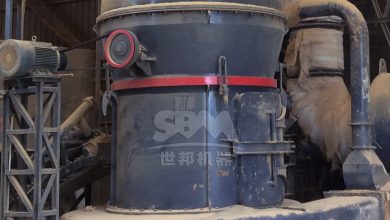
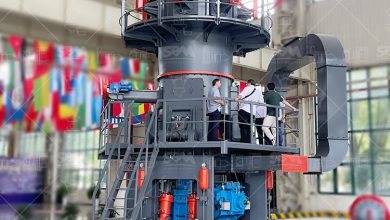
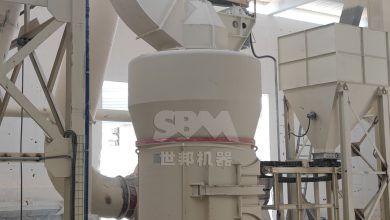
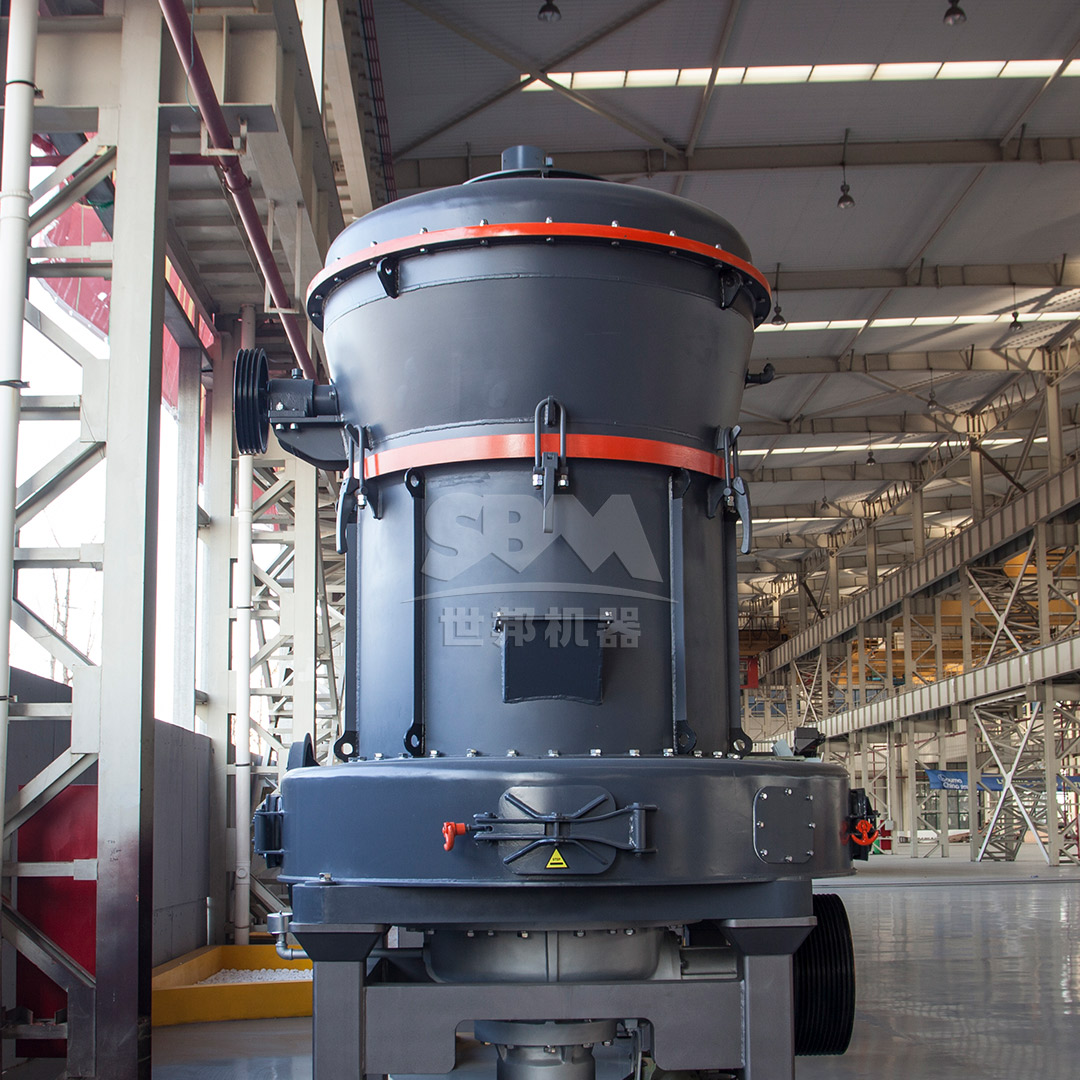
For producing high-quality hydrated lime with fineness ranging from coarse (30 mesh) to ultra-fine (2500 mesh), advanced milling systems are required. Our MTW Series European Trapezium Mill is exceptionally well-suited for lime processing. It handles feed sizes up to 50mm and delivers a consistent output in the range of 30-325 mesh (600-45μm), with capacities from 3 to 45 tons per hour. Its advantages, such as the wear-resistant volute structure, integral bevel gear drive for high transmission efficiency, and optimized air duct design, make it a robust and energy-efficient choice for producing hydrated lime for construction, water treatment, and general chemical use.
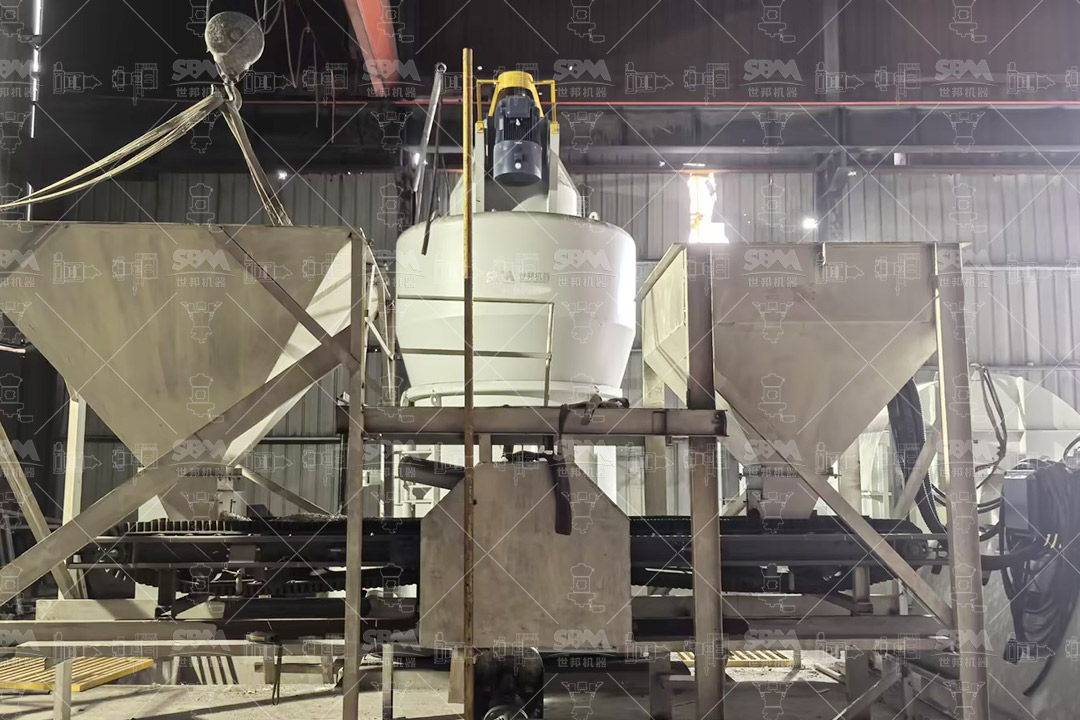
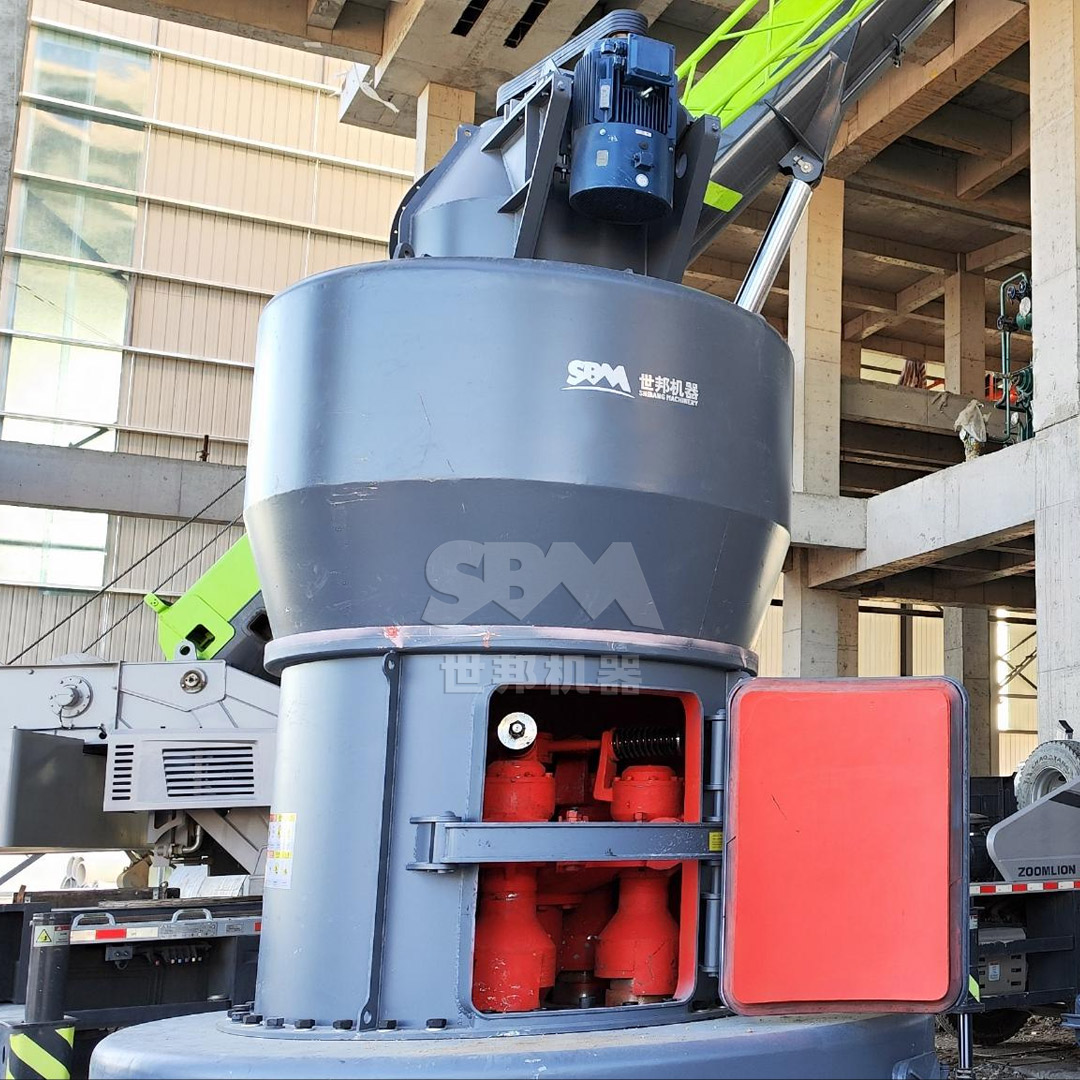
For applications demanding the highest levels of fineness and purity—such as high-performance fillers in polymers, advanced chemical synthesis, or specialized environmental applications—an ultra-fine grinding solution is necessary. Our SCM Series Ultrafine Mill excels in this domain. It can process hydrated lime to an impressive fineness of 325-2500 mesh (45-5μm) with high efficiency and low energy consumption. Its vertical turbine classifier ensures precise particle size cuts without coarse powder mixing, resulting in a uniform, high-quality product. The durable design, featuring special material rollers and rings, ensures long service life even with abrasive materials.
Conclusion: A Matter of Precision and Application
In summary, slaked lime and hydrated lime are chemically synonymous (calcium hydroxide). The term “hydrated lime” is the standard in modern industry, denoting a dry, finely powdered product manufactured under controlled conditions. “Slaked lime” often carries a more traditional connotation, potentially referring to a wet paste or slurry.
The true differentiator in today’s market is not the name, but the quality, consistency, and fineness of the hydrated lime powder. Achieving these attributes requires state-of-the-art grinding technology. Whether the need is for high-volume production of standard-grade lime with our MTW Series Mill or for premium ultra-fine lime products with our SCM Series Ultrafine Mill, selecting the right milling equipment is the key to unlocking the full potential and value of lime in its countless industrial applications.