
Difference Between Calcite, Marble, and Limestone for Heavy Calcium Carbonate Production
Introduction: The Critical Role of Raw Material Selection
The production of high-quality heavy calcium carbonate (GCC) is a cornerstone of numerous industries, including plastics, paints, coatings, paper, and construction. While the end product is chemically defined as CaCO₃, the choice of starting material—calcite, marble, or limestone—profoundly impacts the entire production process, from mining and beneficiation to grinding, final product characteristics, and economic viability. This article provides a detailed, professional analysis of the distinctions between these three primary sources, guiding producers toward optimal raw material selection and efficient processing solutions.
1. Geological Origin and Mineralogical Composition
Understanding the genesis of these rocks is key to predicting their processing behavior.
1.1 Calcite
Calcite is a pure mineral form of calcium carbonate (CaCO₃), crystallizing in the trigonal system. It is the primary constituent of limestone, marble, and chalk. In the context of GCC production, “calcite” often refers to high-purity calcite ore deposits, where the mineral calcite is the dominant phase, typically exceeding 95% CaCO₃ content. These deposits are usually formed by chemical precipitation from marine or freshwater environments. Their high intrinsic purity minimizes the need for intensive beneficiation.
1.2 Marble
Marble is a metamorphic rock originating from the recrystallization of limestone or dolomite under intense heat and pressure. This process, known as metamorphism, increases the grain size and interlocking of calcite (or dolomite) crystals, resulting in the characteristic hardness, density, and often striking veined appearance of marble. The purity of marble varies significantly depending on the original limestone and the nature of metamorphic fluids; it can range from very high-purity white statuary marble to varieties containing silicate minerals, graphite, or iron oxides.

1.3 Limestone
Limestone is a sedimentary rock composed primarily of the mineral calcite. It forms from the accumulation of shell, coral, algal, and fecal debris in marine settings or by direct chemical precipitation. Limestone is typically more heterogeneous than pure calcite ore. It often contains varying amounts of silica (as quartz or clay), dolomite (CaMg(CO₃)₂), iron oxides, and organic matter. Its texture can range from fine-grained to coarsely crystalline.
2. Key Physical and Chemical Properties Affecting Processing
| Property | Calcite (Ore) | Marble | Limestone |
|---|---|---|---|
| Mohs Hardness | ~3 | 3-4 (generally harder due to recrystallization) | 3-4 (can vary with silica content) |
| Whiteness/Brightness | Very High (often >95%) | High to Very High (white varieties), but can be stained | Moderate to High, depends on impurities |
| Crystal Structure | Fine to coarse crystalline, often friable | Coarse, interlocking crystals | Variable: micritic (fine) to sparitic (coarse) |
| Impurity Profile | Low; minor silicates, dolomite | Silicate veins (e.g., quartz, mica), graphite, iron oxides | Higher; clay, silt, silica, organic matter, dolomite |
| Abrasiveness | Low | Moderate to High (hard, interlocked grains) | Low to High (directly related to free silica content) |
| Beneficiation Need | Minimal (simple washing/sorting) | Moderate (removal of stained sections, veins) | Often Essential (washing, flotation, magnetic separation) |
3. Implications for Heavy Calcium Carbonate Production
3.1 Mining and Beneficiation
- Calcite: Offers the simplest start. High purity allows for minimal processing, often just crushing, washing, and removal of obvious gangue. This results in lower operational costs and waste.
- Marble: Mining must be selective to avoid stained or veined sections, especially for high-value GCC grades. Beneficiation may involve optical sorting or manual cobbing to remove impurity bands.
- Limestone: Requires the most complex beneficiation circuit. Processes like washing, attrition scrubbing, flotation (to remove silicates), and magnetic separation (to remove iron-bearing minerals) are common to achieve a commercially viable brightness and chemical purity. This adds significant capital and operational expense.
3.2 Grinding and Classification
This is the most energy-intensive stage, and raw material properties dictate equipment selection and wear rates.
- Grindability: Pure calcite is relatively soft and easy to grind. Marble, with its interlocking crystals, can be tougher, requiring more specific energy. Limestone’s grindability is highly variable and negatively impacted by abrasive quartz impurities.
- Wear on Equipment: The abrasiveness of the feed material is a critical cost factor. Marble and silica-rich limestone cause significantly higher wear on grinding elements (rollers, rings, liners) and classifier components compared to pure calcite.
- Product Fineness and Shape: Different crystal structures can influence particle shape after milling. Calcite and marble tend to produce particles with a more defined crystalline shape, which can affect packing density and reinforcement in polymers. Fine grinding efficiency is paramount for high-value GCC grades (e.g., >1250 mesh).
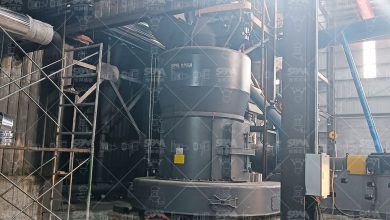
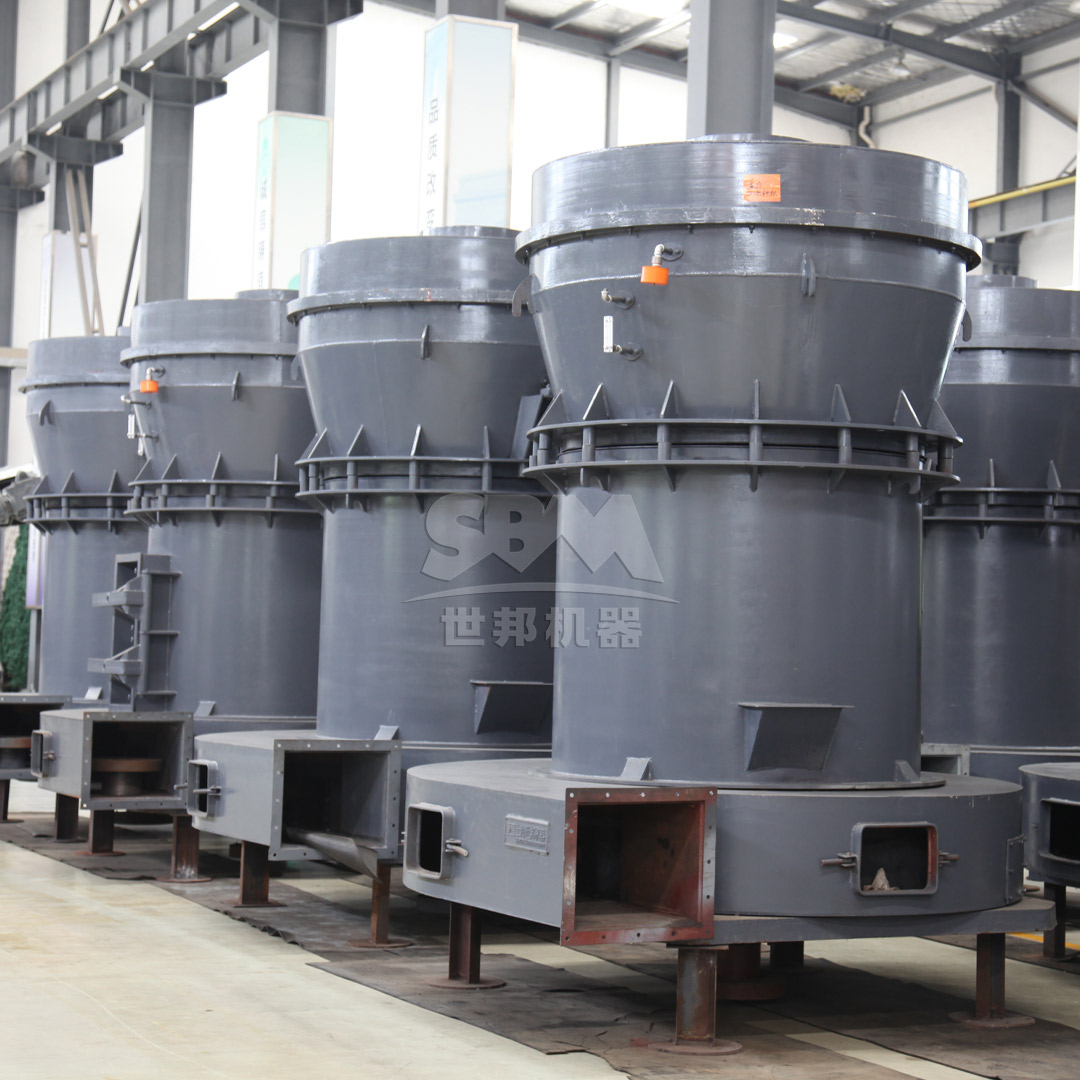
For high-volume, coarse to medium-fine grinding (30-325 mesh) of materials like limestone or marble, the MTW Series Trapezium Mill is an industry-proven workhorse. Its advantages are particularly relevant here:
- Durability: The combination of a wear-resistant curved air duct, high-strength guard plates, and a conical gear overall transmission system ensures reliable, low-maintenance operation even with moderately abrasive feeds.
- Efficiency: With a transmission efficiency of up to 98% and an optimized airflow design, it delivers high capacity (3-45 T/H depending on model) with reduced energy loss, making it cost-effective for large-scale GCC production from various raw materials.
- Precision: Its efficient classification system ensures consistent product fineness from 30 to 325 mesh, which is ideal for many filler and construction applications.
3.3 Final Product Quality and Market
- Brightness & Purity: Calcite-derived GCC typically achieves the highest natural brightness (>95 ISO), commanding premium prices in plastics, masterbatch, and high-grade paper coatings. High-quality white marble follows closely. Limestone-based GCC often requires chemical bleaching to reach similar brightness levels.
- Chemical Consistency: Calcite and homogeneous marble deposits offer superior batch-to-batch consistency. Limestone quality can fluctuate, requiring tight quality control of the raw material feed.
- Cost Structure: While calcite ore might have a higher initial cost per ton, lower beneficiation and grinding costs can make it economically attractive for high-end markets. Limestone’s lower raw material cost is offset by higher processing costs. Marble sits in an intermediate position.
4. Equipment Selection for Optimal GCC Production
Choosing the right milling technology is non-negotiable for profitability. The selection depends on the target fineness, raw material characteristics, and required capacity.
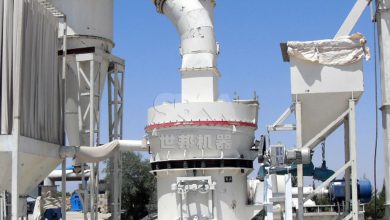
For producing ultra-fine GCC (325-2500 mesh or D97 ≤ 5μm) from high-purity calcite or marble where exceptional whiteness and top-cut control are critical, the SCM Ultrafine Mill is the superior choice. Its design directly addresses the needs of high-value GCC production:
- Ultra-Fine & Precise Classification: The vertical turbine classifier provides sharp particle size cuts, ensuring no coarse particles contaminate the final product—a key requirement for coatings and high-performance composites.
- Energy Efficiency: It offers twice the output of jet mills while reducing energy consumption by 30%, dramatically lowering the operating cost per ton of premium ultrafine powder.
- Product Protection: The fully sealed grinding chamber and efficient pulse dust collection system prevent contamination and preserve the high brightness of the feed material. The low-noise design (<75dB) also improves the working environment.
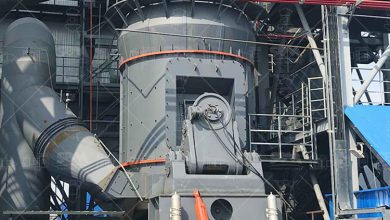
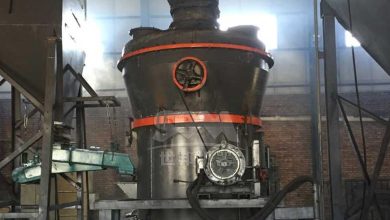
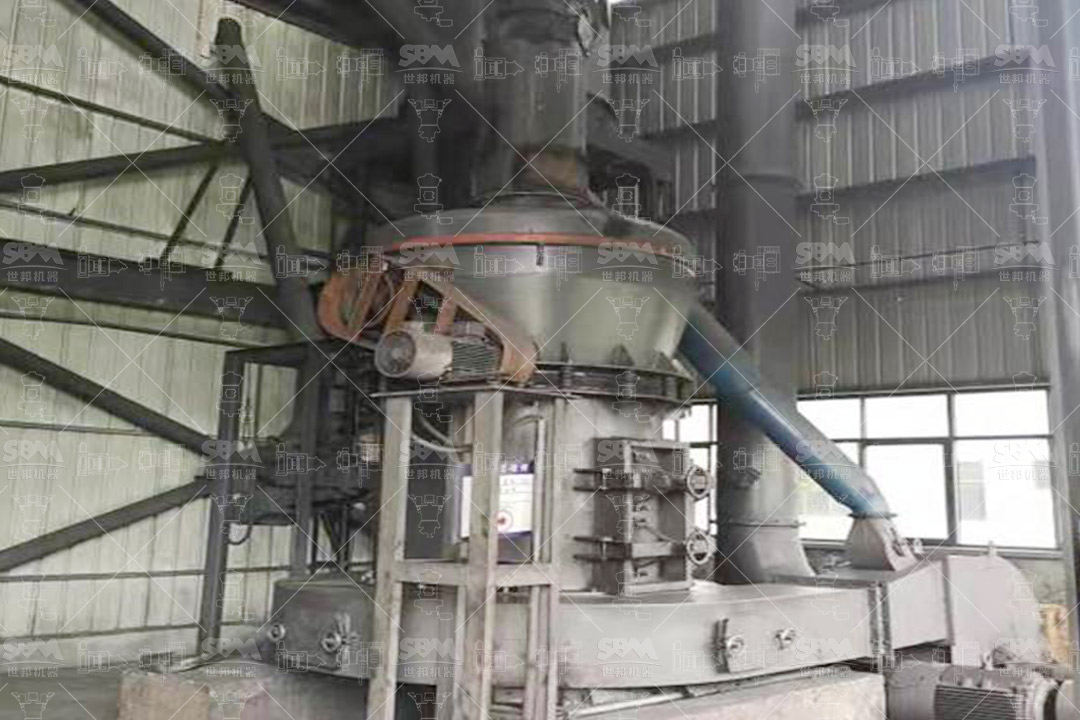
For integrated, large-scale production lines handling limestone from crushing to finished powder, LM Series Vertical Roller Mills offer a compelling solution with their集约化设计 (integrated design), combining crushing, grinding, drying, and classifying in a single unit, significantly reducing footprint and infrastructure costs.
5. Conclusion and Strategic Recommendations
The choice between calcite, marble, and limestone is not merely a sourcing decision but a strategic one that defines the production process, capital investment, operating costs, and market positioning.
- For Premium, Ultra-Fine GCC Markets: High-purity calcite ore, processed through an ultra-fine mill like the SCM series, is the gold standard. It ensures maximum brightness, low abrasion, and efficient production of high-value products.
- For High-Volume, Coarse to Fine GCC: Consistent marble or high-quality limestone can be effectively processed in robust, high-capacity mills like the MTW Series or LM Vertical Mills, offering an excellent balance of quality, throughput, and operational cost for fillers in plastics, paints, and construction.
- For Cost-Sensitive Applications: Limestone remains a viable feedstock, but producers must invest in comprehensive beneficiation and select wear-resistant grinding equipment to manage impurity content and abrasiveness, ensuring consistent final product quality.
Ultimately, a successful GCC operation aligns its geology with its technology. By understanding the fundamental differences in raw materials and partnering them with precision-engineered grinding solutions like the SCM Ultrafine Mill for top-tier products or the MTW Trapezium Mill for high-volume efficiency, producers can optimize their process, enhance product quality, and secure a competitive advantage in the global calcium carbonate market.