Development and Utilization Suggestions for Kaolin Clay Mines in Guizhou
1. Introduction: The Strategic Importance of Guizhou’s Kaolin Resources
Guizhou Province, renowned for its rich mineral endowment, possesses significant reserves of kaolin clay, a versatile industrial mineral with applications spanning ceramics, paper, paints, plastics, rubber, and advanced materials. The development of these resources presents a substantial opportunity for regional economic growth and industrial upgrading. However, maximizing the value of Guizhou’s kaolin requires a strategic approach that moves beyond raw material extraction. This article outlines key suggestions for the sustainable development and high-value utilization of kaolin clay mines in Guizhou, focusing on technological innovation, product diversification, and market-oriented processing.
2. Current Status and Challenges in Guizhou’s Kaolin Industry
The kaolin industry in Guizhou is characterized by abundant reserves but faces several challenges that hinder its full potential. Many operations are still at a relatively small scale, with processing techniques often limited to simple crushing, drying, and classification. This results in products primarily serving the low to mid-range market, such as ceramic body formulations and fillers, where profit margins are slim. Key challenges include:
- Inconsistent Quality: Natural variations in kaolin composition (e.g., iron, titanium content) require sophisticated beneficiation.
- Limited Product Fineness and Purity: Inability to consistently produce ultra-fine, high-brightness, and narrowly classified powders demanded by premium markets.
- High Energy Consumption: Traditional grinding and drying processes are energy-intensive, increasing operational costs and environmental footprint.
- Technological Gap: A lack of advanced, automated processing lines limits efficiency and product consistency.
3. Strategic Development Pathways: From Ore to High-Value Product
3.1. Advanced Beneficiation and Purification
The first step towards value addition is effective beneficiation. Depending on the ore type (primary or sedimentary), processes such as selective mining, hydrocycloning, magnetic separation (for iron removal), flotation, and chemical bleaching (for brightness enhancement) should be implemented. Establishing modular beneficiation plants that can be tailored to specific mine outputs is recommended.
3.2. The Core of Value Addition: Precision Grinding and Classification
The physical properties of kaolin—especially particle size distribution, shape, and surface area—are critical determinants of its value. Moving from coarse fillers to functional additives requires precision grinding technology. For large-scale production of fine to medium-fineness kaolin powders (30-325 mesh) used in ceramics, paper coating, and polymer fillers, robust and efficient grinding systems are essential.
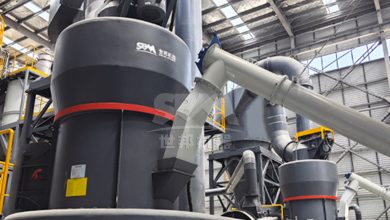
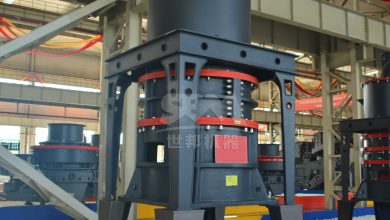
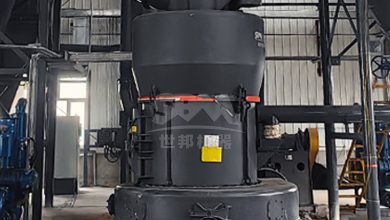
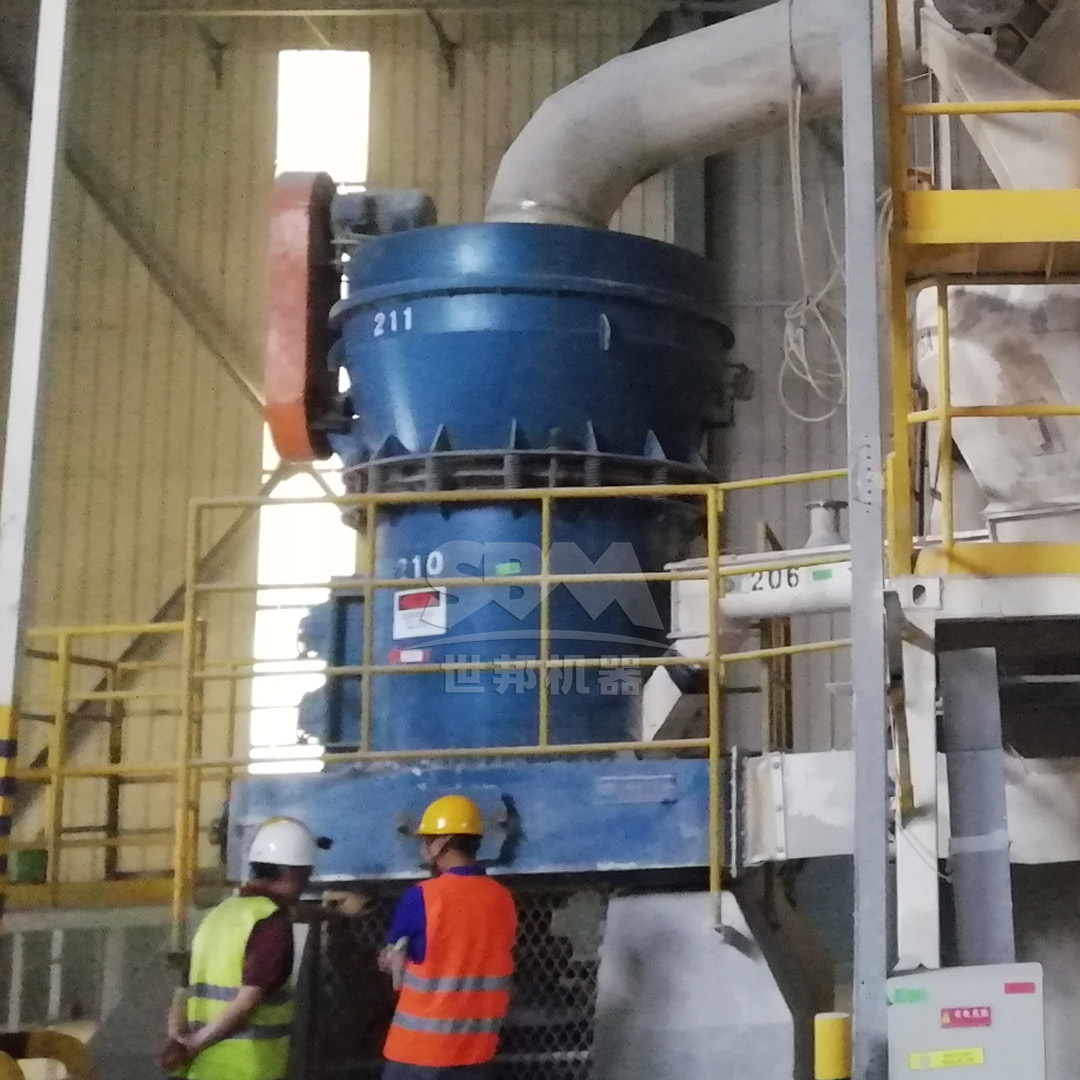
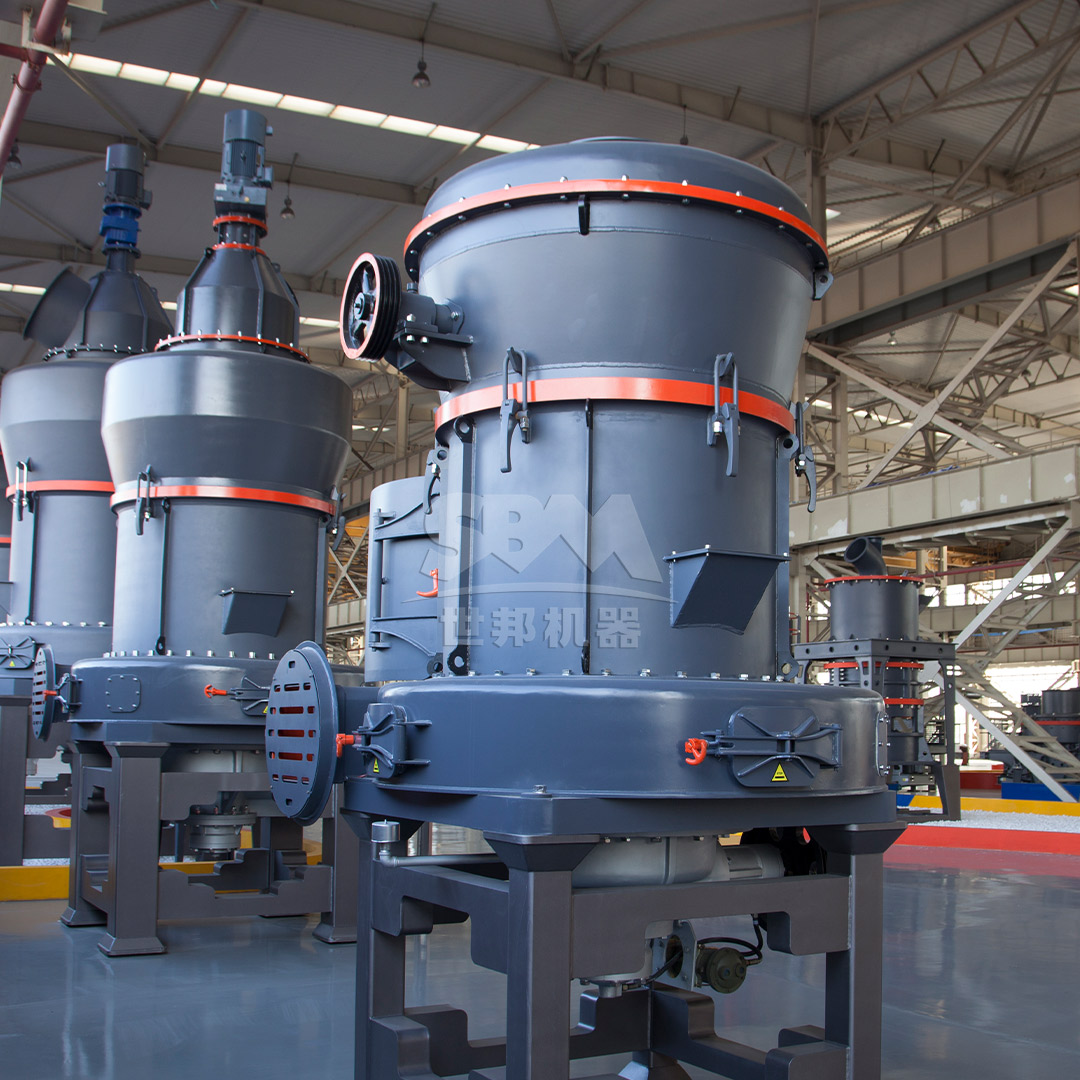
In this context, the MTW Series European Trapezium Mill presents an ideal solution for Guizhou’s kaolin processors. With an input size of up to 50mm and an output range of 30-325 mesh (down to 0.038mm), it handles raw, dried kaolin lumps efficiently. Its technical advantages are particularly relevant:
- Anti-wear Design: The combined shovel blades and curved roller design significantly reduce maintenance costs and extend component life when processing abrasive kaolin.
- High Transmission Efficiency: The integral bevel gear drive achieves 98% efficiency, translating to lower energy costs per ton of product.
- Precise Classification: An optimized internal classifier ensures consistent particle size cut, crucial for meeting paper coating or filler specifications.
For operations targeting capacities between 3 to 45 tons per hour, models like the MTW175G or MTW215G offer the perfect balance of output, fineness control, and operational economy, forming the backbone of a modern kaolin processing plant.
3.3. Venturing into Ultra-High Value Markets: The Ultrafine Frontier
The highest value markets for kaolin lie in ultrafine (below 10μm or 1250 mesh) and surface-modified products used in high-performance plastics, specialty coatings, advanced ceramics, and pharmaceuticals. Producing these grades requires specialized grinding technology that can achieve extreme fineness without contaminating the product or causing excessive heat degradation.
For this transformative stage, the SCM Series Ultrafine Mill is the technology of choice. Capable of producing powders from 325 to 2500 mesh (45-5μm), it unlocks the premium segment of the market. Its advantages for high-value kaolin production are decisive:
- High-Precision Turbine Classifier: This is its core feature, enabling precise particle size cutting and ensuring no coarse powder is mixed into the final product, which is vital for applications requiring narrow particle size distribution.
- High Efficiency & Energy Saving: Offering double the capacity of traditional jet mills with 30% lower energy consumption, it makes ultrafine processing economically viable.
- Eco-friendly Operation: With pulse dust collection efficiency exceeding international standards and low-noise design, it supports sustainable and community-friendly plant operations.
Implementing an SCM series mill, such as the SCM1000 or SCM1250, allows Guizhou’s kaolin producers to manufacture products like calcined kaolin for cable insulation or surface-treated kaolin for automotive plastics, dramatically increasing profit margins.
4. Integrated Processing Plant Recommendations
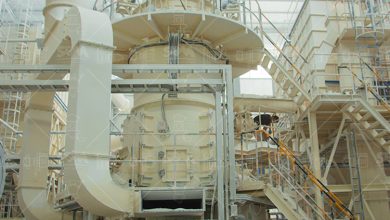
A suggested flow for a modern, value-added kaolin plant in Guizhou is as follows:
- Raw Ore Handling & Drying: Crushing, storage, and rotary drying to reduce moisture.
- Primary Grinding (Coarse): Using a hammer mill or similar to reduce dried lumps to below 50mm.
- Beneficiation Circuit: Magnetic separators, hydrocyclones, and bleaching tanks to improve brightness and purity.
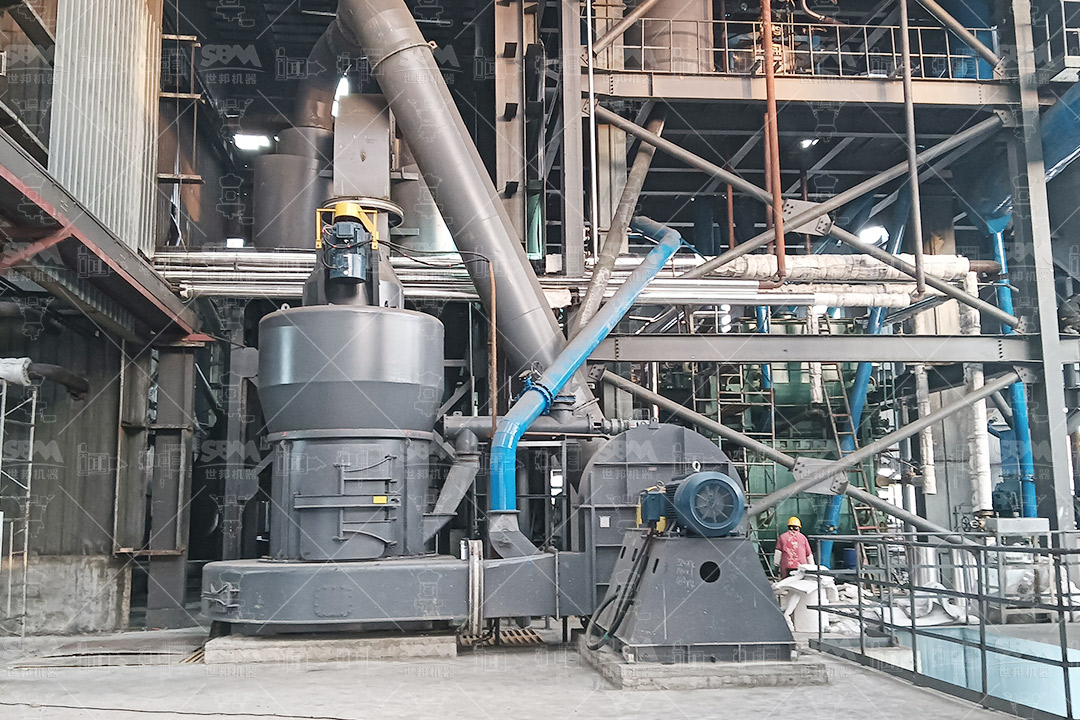
- Intermediate Grinding & Classification: The MTW Series Mill grinds and classifies the purified slurry or cake to standard commercial grades (e.g., 325 mesh for filler).
- Ultrafine Processing Line (Optional for premium products): Feeding the intermediate product into an SCM Series Ultrafine Mill to produce superfine and ultrafine powders.
- Surface Modification & Packaging: Silane or stearate treatment for specialized applications, followed by bagging or bulk loading.
5. Sustainability and Environmental Considerations
Development must be sustainable. Key considerations include:
- Implementing dry stacking or paste thickening for tailings management to reduce water usage and environmental risk.
- Utilizing energy-efficient technologies like the recommended mills to lower carbon footprint.
- Designing plants with full dust collection (a inherent feature of both MTW and SCM mills) and water recycling systems.
- Progressive land rehabilitation concurrent with mining activities.
6. Conclusion: Building a Competitive Kaolin Cluster in Guizhou
The future of Guizhou’s kaolin industry lies not in selling raw clay, but in exporting high-performance, specification-grade mineral products. This requires a committed investment in advanced processing technology. By adopting a strategic development model centered on beneficiation and precision size reduction—leveraging robust solutions like the MTW Series European Trapezium Mill for mainstream products and the cutting-edge SCM Series Ultrafine Mill for high-end markets—Guizhou can transform its kaolin resources into a cornerstone of a modern, high-value materials industry. Collaboration between mine owners, technology providers, and research institutions will be key to realizing this potential and establishing Guizhou as a significant player in the global functional minerals market.