Current Status of Comprehensive Utilization of Electrolytic Manganese Slag Resources
Introduction
Electrolytic manganese slag (EMS), a major by-product of the electrolytic manganese metal industry, presents a significant environmental challenge due to its massive annual output and complex composition, which includes heavy metals like manganese, ammonia nitrogen, and soluble salts. Historically treated as waste and disposed of in landfills, EMS has led to severe soil and groundwater contamination. However, driven by the global push for a circular economy and stringent environmental regulations, the paradigm is shifting from ‘waste disposal’ to ‘resource utilization.’ This article explores the current status, technological pathways, and future directions for the comprehensive utilization of EMS resources, highlighting the critical role of advanced processing equipment in enabling high-value applications.
Composition and Environmental Challenges of EMS
EMS is primarily composed of silicon, calcium, aluminum, and iron oxides, alongside problematic elements such as residual soluble manganese (Mn2+), ammonium ions (NH4+), and trace heavy metals. Its high moisture content, fine particle size, and potential for leaching make it a persistent pollutant. The traditional practice of stockpiling not only occupies vast land resources but also poses long-term risks of acid mine drainage and heavy metal migration. Therefore, developing efficient, scalable, and economically viable utilization technologies is imperative for the sustainable development of the manganese industry.
Current Pathways for Comprehensive Utilization
1. Building and Construction Materials
This remains the most volume-consuming application for EMS, leveraging its pozzolanic activity and fine particle size.
- Cementitious Materials: EMS can be used as a supplementary cementitious material (SCM) after proper treatment to remove ammonia and stabilize heavy metals. It partially replaces clinker in cement production, reducing CO2 emissions and improving certain concrete properties like durability. The key is achieving a consistent and fine powder to ensure reactivity.
- Aggregates and Bricks: Sintered or non-sintered EMS can be used to produce lightweight aggregates, paving bricks, and wall materials. The process often involves mixing EMS with other industrial wastes (e.g., fly ash, coal gangue) and using pressure molding and curing.
2. Agricultural Amendments and Soil Remediation
After detoxification (removing soluble Mn and NH4+), EMS rich in silicon and calcium can be processed into soil conditioners or silicon-calcium fertilizers. These products can improve soil structure, neutralize acidity, and provide slow-release nutrients. Furthermore, modified EMS shows promise in immobilizing heavy metals in contaminated soils, acting as a cost-effective remediation agent.
3. Recovery of Valuable Elements
This represents a high-value direction but involves more complex processes.
- Manganese Recovery: Techniques like water leaching followed by precipitation or electrolysis can recover residual manganese, improving overall resource yield from the primary process.
- Ammonia Nitrogen Recovery: Methods such as steam stripping or chemical precipitation can recover ammonia nitrogen, which can be converted into ammonium salts for fertilizer use, simultaneously solving a major pollution issue.
4. Functional Materials
Advanced research focuses on transforming EMS into high-value functional materials.
- Geopolymers: The aluminosilicate content in EMS makes it a potential precursor for geopolymer synthesis, an alternative to Portland cement with a lower carbon footprint.
- Adsorbents: Processed and activated EMS can be engineered into porous adsorbents for wastewater treatment, effectively removing dyes, phosphates, and even other heavy metals.
- Ceramic and Glass-Ceramic Products: Through high-temperature melting and controlled crystallization, EMS can be converted into glass-ceramics with good mechanical properties and chemical stability for decorative or structural uses.
Technological Bottlenecks and the Role of Advanced Processing Equipment
The transition from laboratory-scale success to industrial-scale application faces several bottlenecks. A primary challenge is the efficient and uniform size reduction and classification of pretreated EMS. The material’s abrasiveness, variable moisture content, and the stringent fineness requirements for applications like SCMs or functional powders demand robust, precise, and energy-efficient grinding systems.
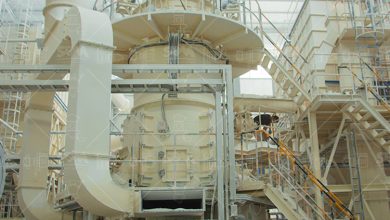
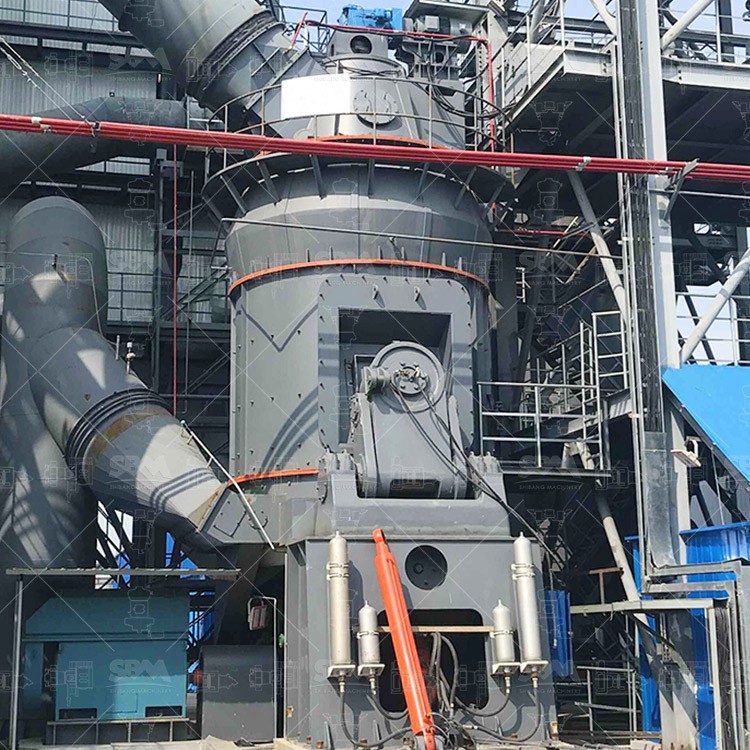
Traditional ball mills, while common, often suffer from high energy consumption, limited classification accuracy, and significant wear. Modern dry grinding technologies, particularly vertical roller mills and ultra-fine grinding mills, offer superior solutions. These systems integrate grinding, drying (if needed), classification, and collection into a single, efficient unit.
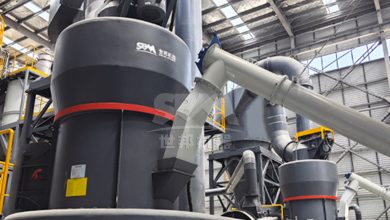
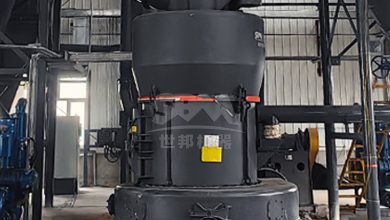
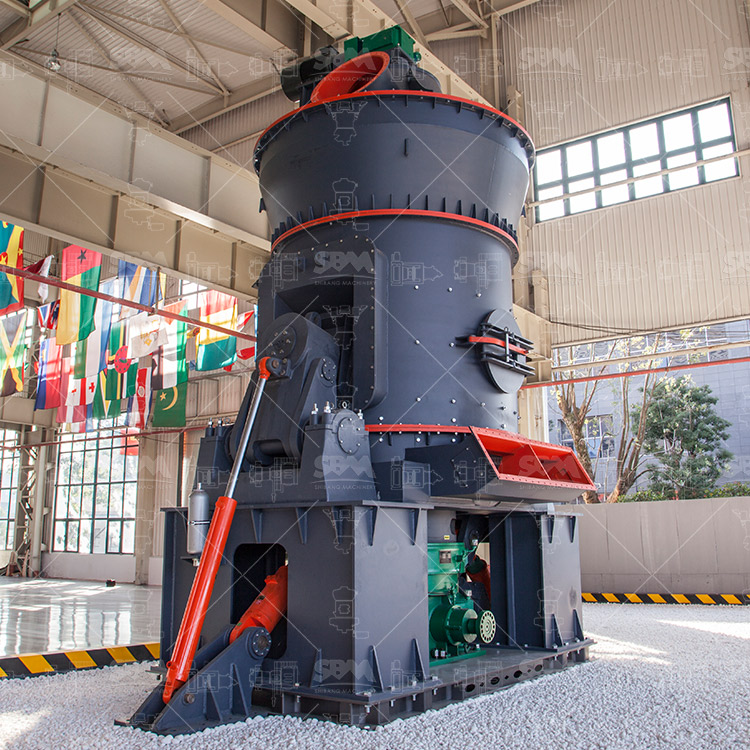
For instance, in producing high-quality SCM from EMS, achieving a Blaine fineness of over 420 m²/kg or a D97 below 45 microns is often necessary. This requires a mill that can handle moderately abrasive materials, provide a narrow particle size distribution, and operate with low specific energy consumption. Our LM Series Vertical Roller Mill is ideally suited for this task. Its集约化设计 integrates multiple processes, significantly reducing footprint and基建成本. More importantly, its料床粉磨原理 and intelligent control system result in能耗较传统球磨系统降低30-40%, while the磨辊与磨盘非接触设计 and use of special耐磨材料 extend component life dramatically. The integrated high-efficiency classifier ensures precise cut-point control, producing the consistent fine powder required for optimal pozzolanic activity in cement blends.
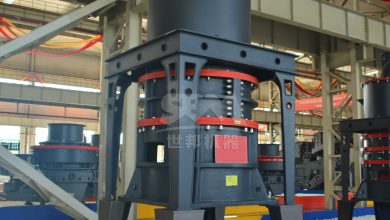
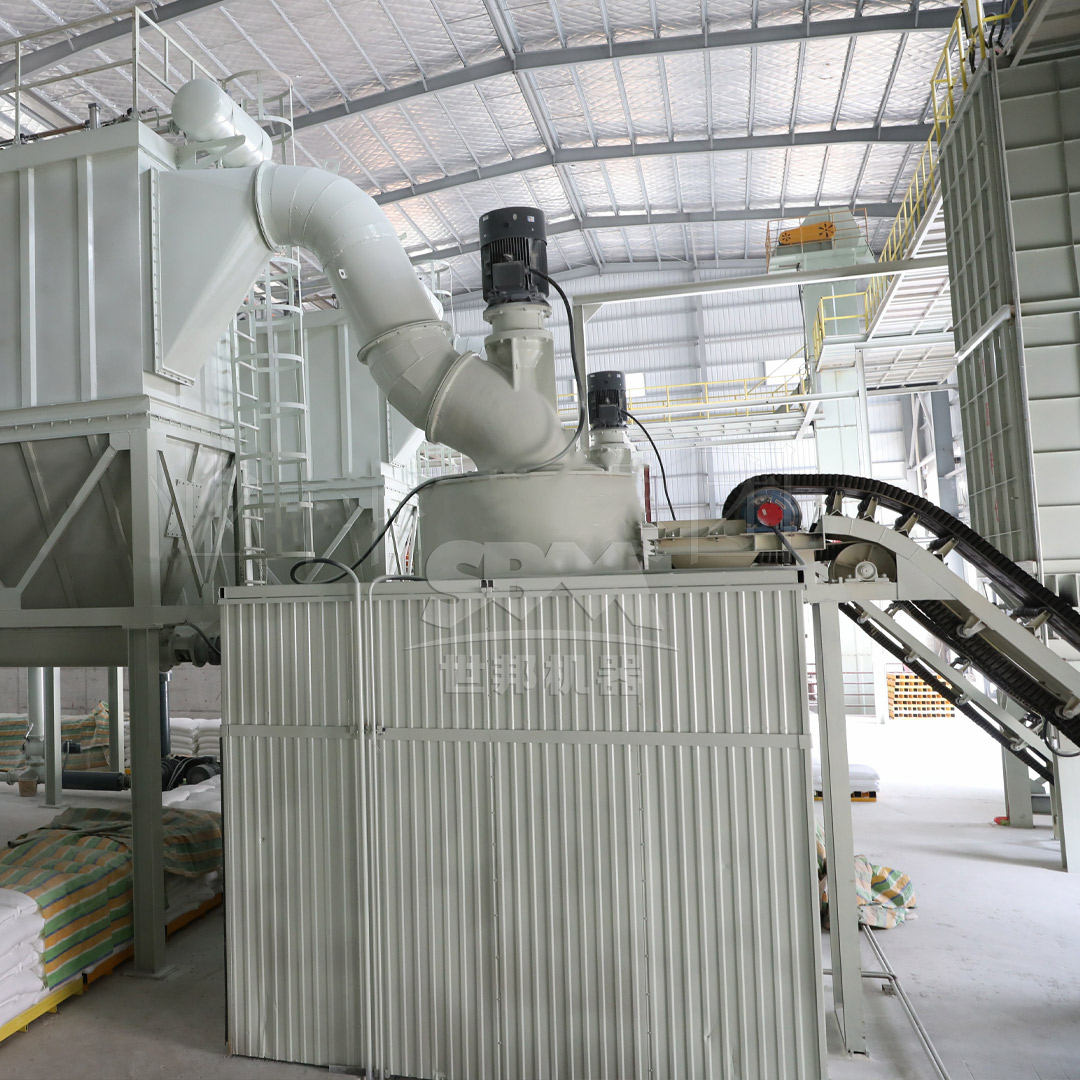
For even higher-value applications, such as producing ultra-fine functional powders for adsorbents or advanced ceramics, finer grinding is essential. Here, our SCM Series Ultrafine Mill provides an unparalleled solution. Capable of producing powders in the range of 325-2500 mesh (D97 ≤5μm), it is a game-changer for value-added EMS products. Its高效节能 design offers产能为气流磨2倍 while能耗降低30%. The核心优势 lies in its高精度分级 system; the vertical turbine classifier ensures精准粒度切割 with无粗粉混入, yielding an exceptionally uniform product critical for downstream chemical reactivity or sintering behavior. The耐用设计, featuring special material rollers and磨环, ensures stable operation when processing challenging materials like treated slag.
Future Perspectives and Conclusion
The future of EMS utilization lies in the development of integrated, multi-product synergy processes. An ideal model would involve: 1) On-site detoxification and ammonia recovery, 2) Magnetic separation or other methods to remove/ recover specific components, and 3) Direction of the processed residue into tailored pathways—coarse fractions for aggregates, medium fractions for cement blends via efficient vertical mills like the LM series, and fine/ultra-fine fractions for functional materials using advanced mills like the SCM series.
Policy support, standardized product specifications, and lifecycle assessment are crucial to foster market acceptance. Technological advancement, particularly in cost-effective, reliable, and flexible preprocessing and grinding equipment, is the key enabler. By adopting advanced milling solutions that prioritize efficiency, precision, and durability—such as the LM Vertical Roller Mill for large-scale construction material production and the SCM Ultrafine Mill for high-end functional materials—the electrolytic manganese industry can effectively transform a persistent environmental liability into a valuable resource, contributing significantly to industrial symbiosis and a sustainable future.