Current Status and Comprehensive Utilization Approaches of Calcium Carbide Slag
Introduction
Calcium carbide slag (CCS), a by-product generated from the hydrolysis of calcium carbide in acetylene production, presents a significant environmental and economic challenge for the chemical industry. Composed primarily of calcium hydroxide (Ca(OH)2) with impurities like silica, alumina, and carbon, its annual global production reaches tens of millions of tons. Historically treated as waste, improper disposal leads to land occupation, dust pollution, and soil alkalization. However, with the advancement of circular economy principles and green manufacturing, CCS is increasingly recognized as a valuable secondary resource rich in calcium. This article explores the current status of CCS management and details comprehensive, high-value utilization approaches, with a particular focus on the critical role of advanced grinding technology in unlocking its potential.
Current Status and Challenges of CCS Management
Globally, the management of CCS remains a pressing issue. In regions with developed acetylene-based PVC or chemical industries, vast quantities of wet slag (containing 40-50% water) are generated. The primary challenges include:
- High Disposal Costs: Landfilling requires significant space and management costs, alongside potential environmental penalties.
- Environmental Hazards: Its strong alkalinity (pH > 12) can contaminate groundwater and soil, while fine dry dust poses air quality risks.
- Underutilization: Despite its potential, a large proportion of CCS is not effectively utilized, representing a loss of valuable calcium content.
- Technical Barriers: The gelatinous nature of wet CCS and the requirement for specific particle sizes in downstream applications necessitate efficient and precise processing equipment.
The key to transforming this waste into a resource lies in efficient dewatering, drying, and most importantly, size reduction and classification to meet the stringent specifications of various application fields.
High-Value Comprehensive Utilization Pathways
1. Building Materials and Construction
This represents the largest volume application for CCS.
- Supplementary Cementitious Material (SCM): Finely ground CCS can partially replace Portland cement. Its pozzolanic and hydraulic properties contribute to strength development, especially after carbonation curing. The reactivity is highly dependent on fineness and specific surface area.
- Raw Material for Cement Clinker: CCS serves as a low-cost calcium source, replacing limestone in the raw meal. This reduces quarrying, lowers CO2 emissions from limestone calcination, and utilizes the waste heat from kilns for drying.
- Autoclaved Aerated Concrete (AAC) & Silicate Products: CCS is used as a calcium component in the production of AAC blocks and sand-lime bricks, reacting with silica under high-pressure steam.
- Stabilizer for Soil and Road Bases: Its alkalinity and binding properties make it suitable for soil stabilization and as a filler in road construction layers.
2. Environmental Remediation
CCS is effective in treating various waste streams.
- Flue Gas Desulfurization (FGD): As a cheap alkali, CCS slurry can absorb SO2 from industrial flue gases, forming calcium sulfite/sulfate. Its efficiency competes with limestone-based FGD.
- Acidic Wastewater Neutralization: It is widely used to treat acid mine drainage and industrial acidic effluents, precipitating heavy metals as hydroxides.
- Phosphate Removal: CCS can be used to recover phosphate from wastewater, producing a calcium phosphate precipitate usable as fertilizer.
3. Chemical Industry Raw Material
CCS is a precursor for various calcium chemicals.
- Precipitated Calcium Carbonate (PCC): This is a high-value application. CCS is first converted to calcium chloride or directly carbonated with CO2 (e.g., from flue gas) to produce high-purity PCC used in paper, plastics, paints, and rubber. The morphology and particle size of PCC are critical quality parameters.
- Production of Calcium Chloride and Other Salts: Through reactions with hydrochloric acid or other chemicals.
The Critical Role of Grinding Technology in CCS Valorization
For nearly all high-value applications, the physical processing of CCS—particularly grinding—is a decisive step. The reactivity, binding properties, and performance in final products are directly influenced by particle size distribution (PSD), specific surface area, and purity.
- For SCMs and Cement: Ultra-fine grinding (often to a D97 < 20µm or even < 10µm) significantly enhances the pozzolanic activity, allowing for higher replacement rates without compromising concrete strength and durability.
- For PCC and Fillers: Precise control over particle size and shape is paramount. Narrow PSD and specific micron or sub-micron sizes are required to achieve desired opacity, brightness, and reinforcement in end-products.
- For Chemical Reactions: Increased surface area from fine grinding accelerates reaction kinetics, improving yield and efficiency in processes like carbonation or neutralization.
Therefore, selecting the right grinding system is not just about size reduction; it’s about enabling the economic feasibility and quality standards of CCS recycling projects.
Recommended Grinding Solutions for CCS Processing
Based on the diverse fineness requirements across CCS applications, we recommend two of our flagship grinding systems, each excelling in different segments of the market.
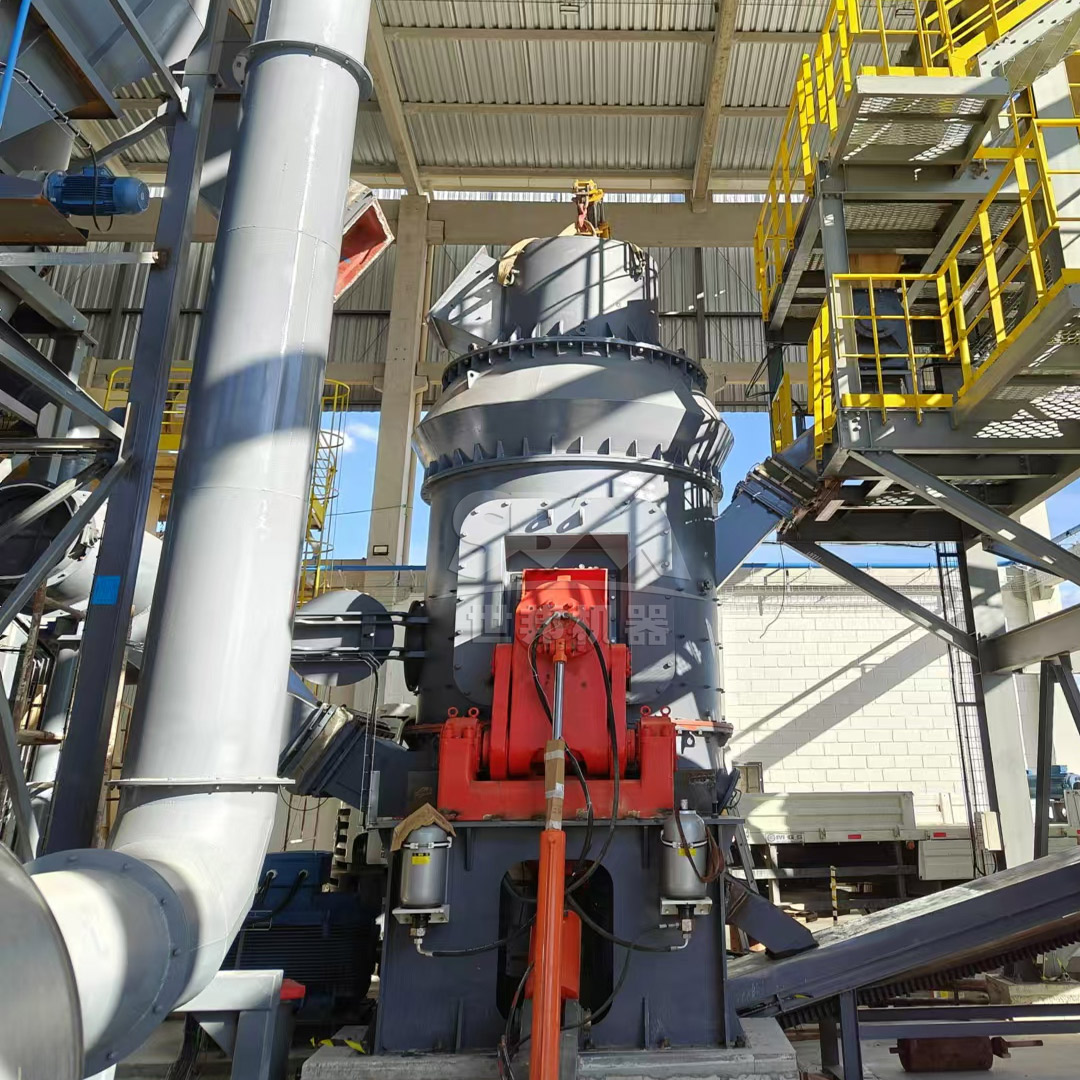
1. For Ultra-Fine and High-Value Applications: SCM Ultrafine Mill
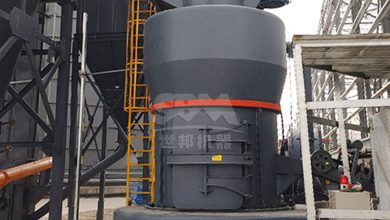
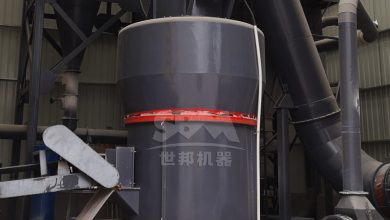
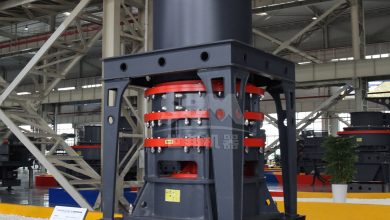
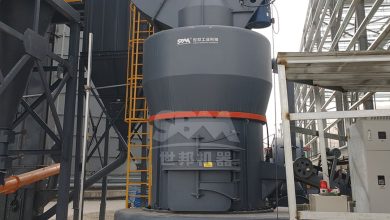
When the target product is a highly reactive SCM, a specialty filler, or a precursor for high-grade PCC, achieving a consistent and very fine powder is essential. Our SCM Ultrafine Mill is engineered precisely for this demanding task.
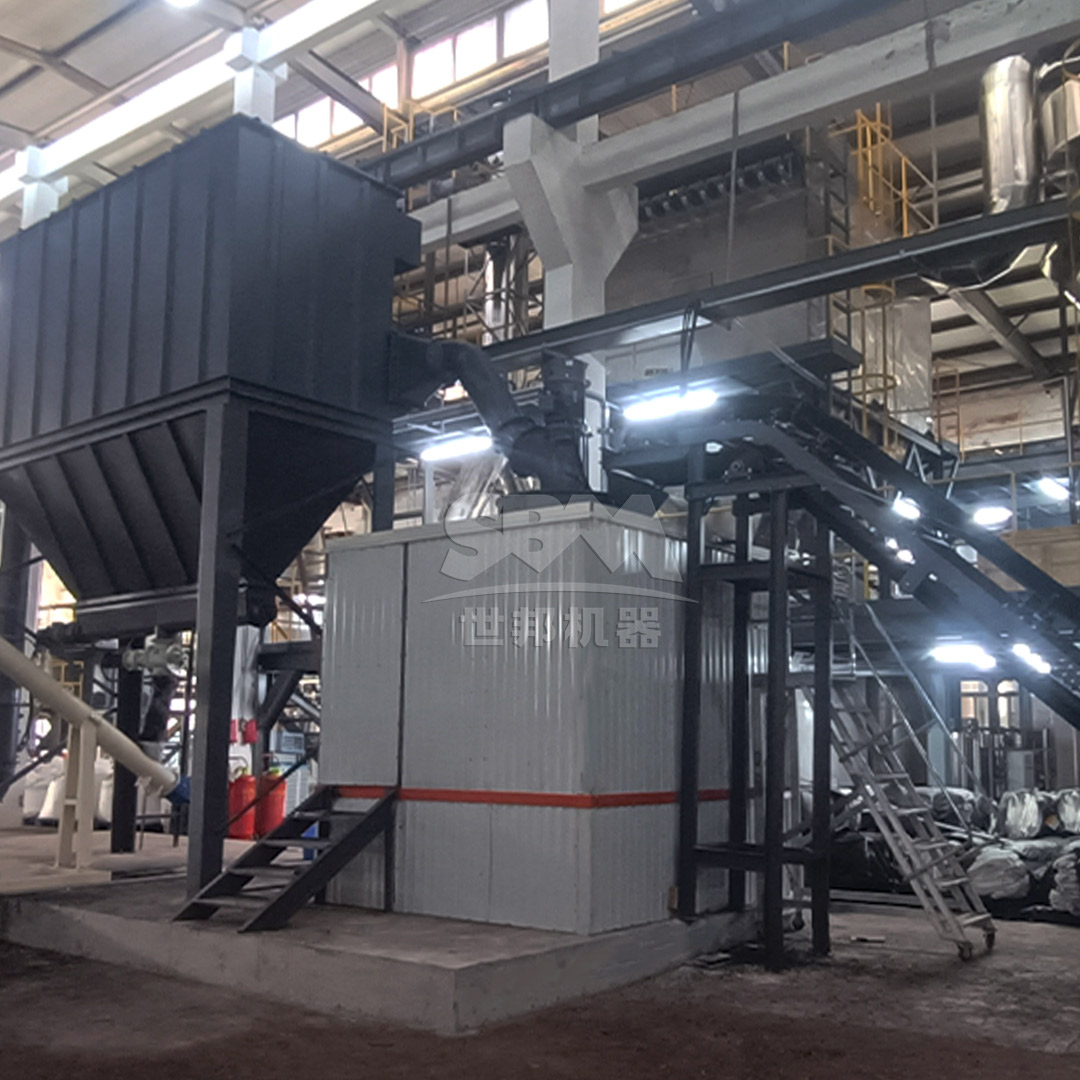
Capable of producing powders in the range of 325 to 2500 mesh (D97 ≤ 5µm), the SCM series is ideal for producing ultrafine calcium hydroxide or processed CCS powders. Its vertical turbine classifier ensures precise cut-point control, eliminating coarse particles and delivering a uniform product crucial for performance. The grinding mechanism, utilizing multiple grinding rings and rollers, offers high efficiency with energy consumption up to 30% lower than traditional jet mills. Furthermore, its pulse dust collection system and low-noise design (≤75dB) make it an environmentally sound choice for modern plants.
For pilot projects or medium-scale production of ultrafine CCS powder, the SCM1000 model (1.0-8.5 ton/h, 132kW) offers an excellent balance of capacity and fineness control.
2. For Large-Scale Building Material Production: MTW Series Trapezium Mill
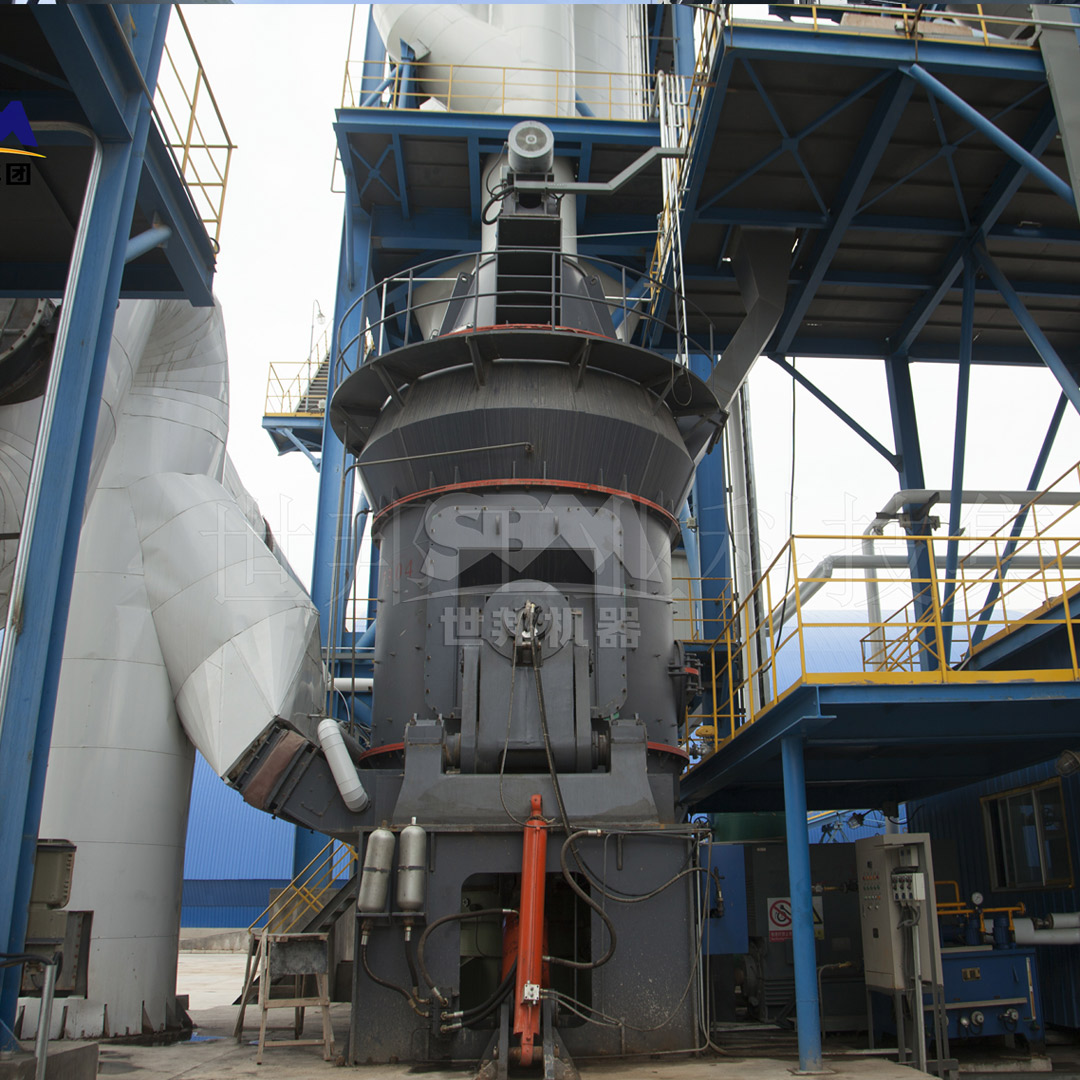
For high-volume applications such as preparing CCS for cement raw meal or producing SCMs at a coarser but still effective fineness (e.g., 30-325 mesh), robust and high-capacity grinding is key. Our MTW Series Trapezium Mill stands out as the optimal solution.
Designed for heavy-duty operation, it handles feed sizes up to 50mm and delivers outputs ranging from 30 to 325 mesh with capacities from 3 to 45 tons per hour. Its curved air duct minimizes flow resistance, and the integral conical gear transmission ensures stable, efficient power transfer with 98% efficiency. The wear-resistant design of components like the combined shovel blades reduces maintenance costs significantly. This mill is perfectly suited for integrated plants where dried CCS needs to be ground consistently and reliably for bulk use in construction materials.
For major cement plants or dedicated CCS processing facilities, the MTW215G model (15-45 ton/h, 280kW) provides the throughput needed for impactful waste diversion and resource recovery.
Conclusion and Future Outlook
The comprehensive utilization of calcium carbide slag is no longer a theoretical concept but a practical pathway towards industrial symbiosis and sustainable development. The transition from waste to resource is technically viable across building materials, environmental protection, and the chemical industry. The success of these valorization routes is intrinsically linked to advanced processing technologies, with grinding playing a pivotal role in determining product quality and economic viability.
Investing in the right grinding equipment, such as the SCM Ultrafine Mill for premium products or the MTW Trapezium Mill for large-scale commodity applications, is a strategic decision that can define the profitability and environmental benefit of a CCS recycling project. As policies increasingly favor circular economies and carbon reduction, the efficient processing and utilization of CCS will continue to gain importance, turning an environmental liability into a cornerstone of green manufacturing.