Copper Matte Vertical Mill: Application and Benefits in Mineral Processing
Introduction
The processing of copper matte, a crucial intermediate product in pyrometallurgical copper extraction, presents unique challenges in comminution. Achieving the optimal particle size distribution is paramount for subsequent hydrometallurgical processes like leaching, where surface area directly impacts reaction kinetics and metal recovery rates. Traditional grinding systems, such as ball mills, often fall short in terms of energy efficiency, footprint, and the ability to produce a consistent, ultra-fine product. This is where vertical roller mill (VRM) technology has emerged as a transformative solution, offering a compelling combination of performance, economy, and environmental benefits for copper matte processing plants.
The Vertical Mill Advantage in Copper Matte Processing
Vertical roller mills operate on the principle of bed compression grinding. Material is fed onto a rotating grinding table and is ground under pressure applied by hydraulically loaded rollers. This method offers several distinct advantages over conventional tumbling mills for abrasive materials like copper matte.
1. Superior Energy Efficiency
The single greatest benefit of VRM technology is its significantly lower specific energy consumption. By utilizing a bed compression mechanism rather than impact and attrition between tumbling media, energy losses are minimized. Studies have shown that vertical mills can reduce grinding energy consumption by 30% to 50% compared to traditional ball mill circuits for the same fineness target. For high-tonnage copper operations, this translates into massive operational cost savings and a substantially reduced carbon footprint.
2. Precise Particle Size Control and Product Quality
Copper matte leaching efficiency is highly sensitive to particle size. VRMs integrate an internal dynamic classifier that allows for real-time, precise control of the product fineness. The ground material is transported by an air stream to the classifier, where oversized particles are rejected and returned to the grinding table. This closed-circuit operation within a single machine ensures a steeper particle size distribution with fewer oversize particles and a more uniform product, leading to more predictable and efficient downstream leaching performance.
3. Compact Footprint and Simplified Layout
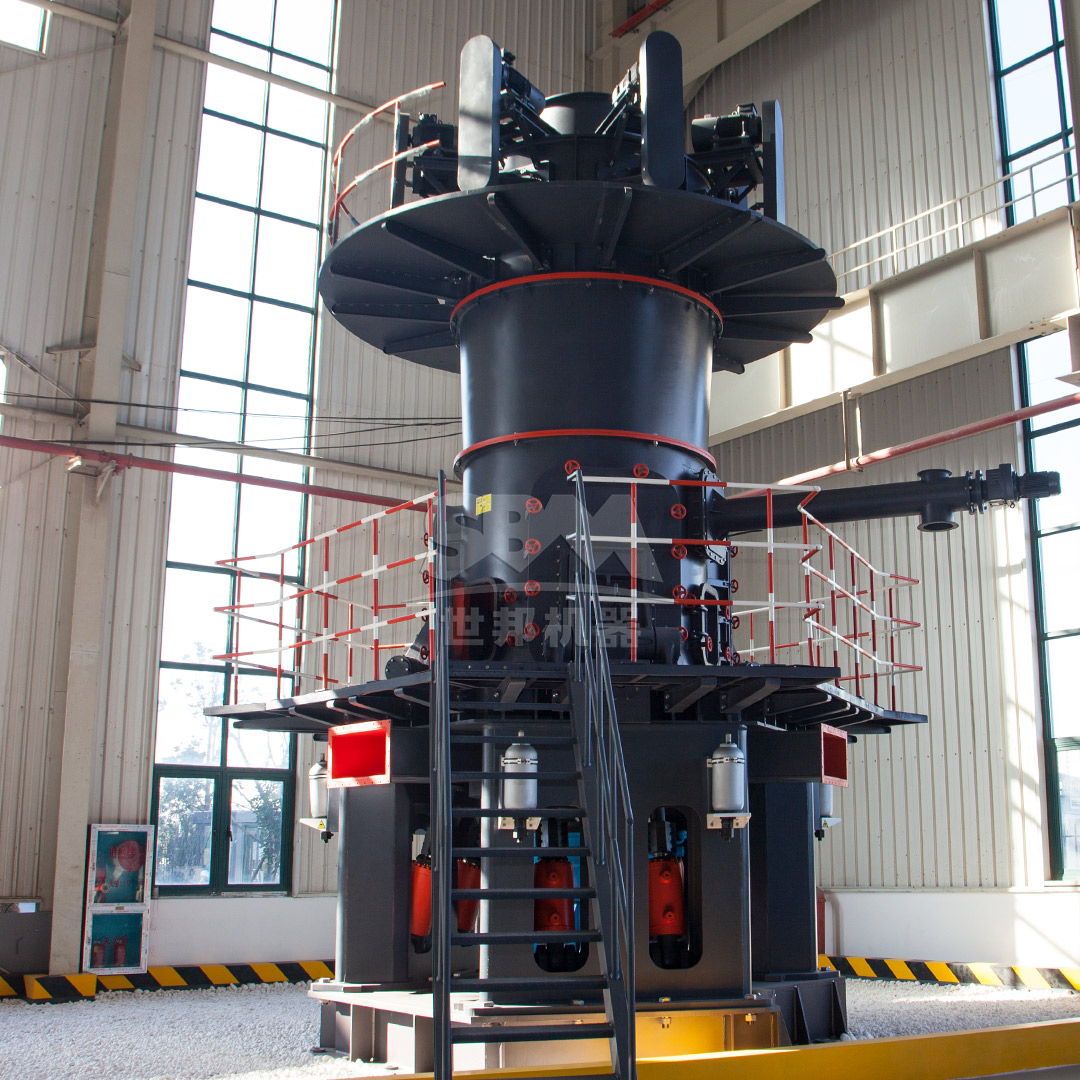
A vertical mill integrates multiple functions—crushing, grinding, drying (if equipped with a hot gas generator), and classification—into a single, vertical unit. This leads to a plant footprint that can be up to 50% smaller than a comparable ball mill system with its associated conveyors, pumps, and classifiers. The simplified layout reduces civil engineering costs, simplifies piping and ductwork, and makes the plant easier to maintain and operate.
4. Enhanced Operational Stability and Lower Noise
VRMs operate with minimal vibration and significantly lower noise levels (typically below 85 dB(A)) than ball mills. The grinding process is contained within a sealed housing operating under negative pressure, which virtually eliminates dust emissions. This creates a much cleaner and safer working environment, aiding in compliance with increasingly stringent environmental and occupational health regulations.
Key Considerations for Copper Matte Application
While VRMs offer clear benefits, their successful application to copper matte requires careful consideration of material properties and mill design:
- Abrasiveness: Copper matte is highly abrasive. The mill must be equipped with wear parts (grinding rollers and table liners) made from advanced composite materials or high-chromium alloys to ensure extended service life and maintain grinding efficiency.
- Grindability: The hardness and composition of the matte affect throughput. Mill drive power and roller pressure must be appropriately sized.
- Drying Capability: If the feed material is moist, the VRM can be configured with a hot air system to dry the material during grinding, eliminating the need for a separate dryer.
Introducing Our LM Series Vertical Roller Mill: The Optimal Solution
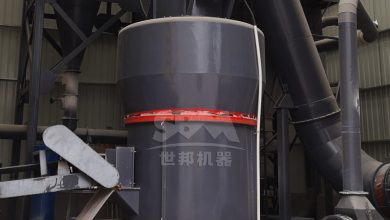
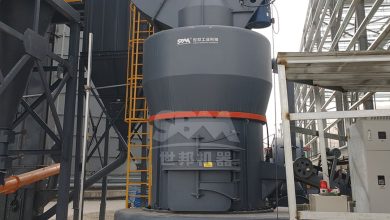
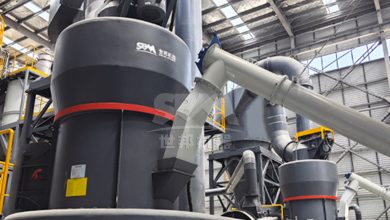
For processors seeking to modernize their copper matte grinding circuit, our LM Series Vertical Roller Mill stands out as a purpose-engineered solution. Designed to handle the demanding requirements of mineral processing, the LM Series embodies the core benefits of VRM technology while incorporating robust features for maximum reliability.
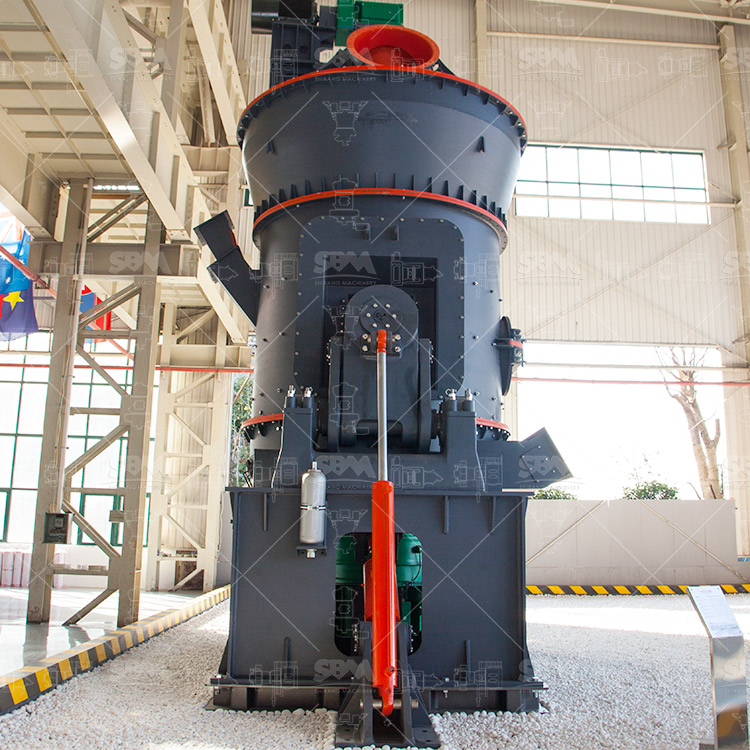
The LM Series is engineered for high capacity and exceptional durability. Its集约化设计 (Intensive Design) integrates multiple processes, significantly reducing plant footprint and基建成本 (infrastructure costs). A key advantage for abrasive copper matte is its low running cost, achieved through磨辊与磨盘非接触设计 (a non-contact design for rollers and grinding table) and ultra-wear-resistant components, extending service life by multiples compared to conventional systems.
Furthermore, our mill features advanced intelligent control systems that allow for expert-level automatic operation, remote monitoring, and real-time adjustment of key parameters to maintain optimal product fineness and throughput. From the compact LM130K model to the high-capacity LM280K, the series offers a range of outputs from 10 to over 170 tons per hour, with product fineness adjustable between 30-325 mesh (600-45μm), making it perfectly suited for preparing copper matte for leaching operations.
For Ultra-Fine Grinding Requirements: The SCM Ultrafine Mill
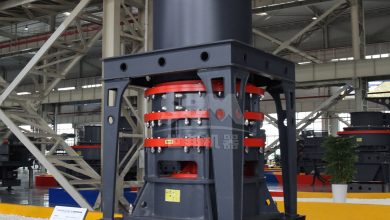
In some advanced hydrometallurgical processes or for producing high-value copper-based chemicals, an even finer grind may be required. For these demanding applications where the target is a D97 of 5μm (2500 mesh), we recommend our SCM Series Ultrafine Mill.
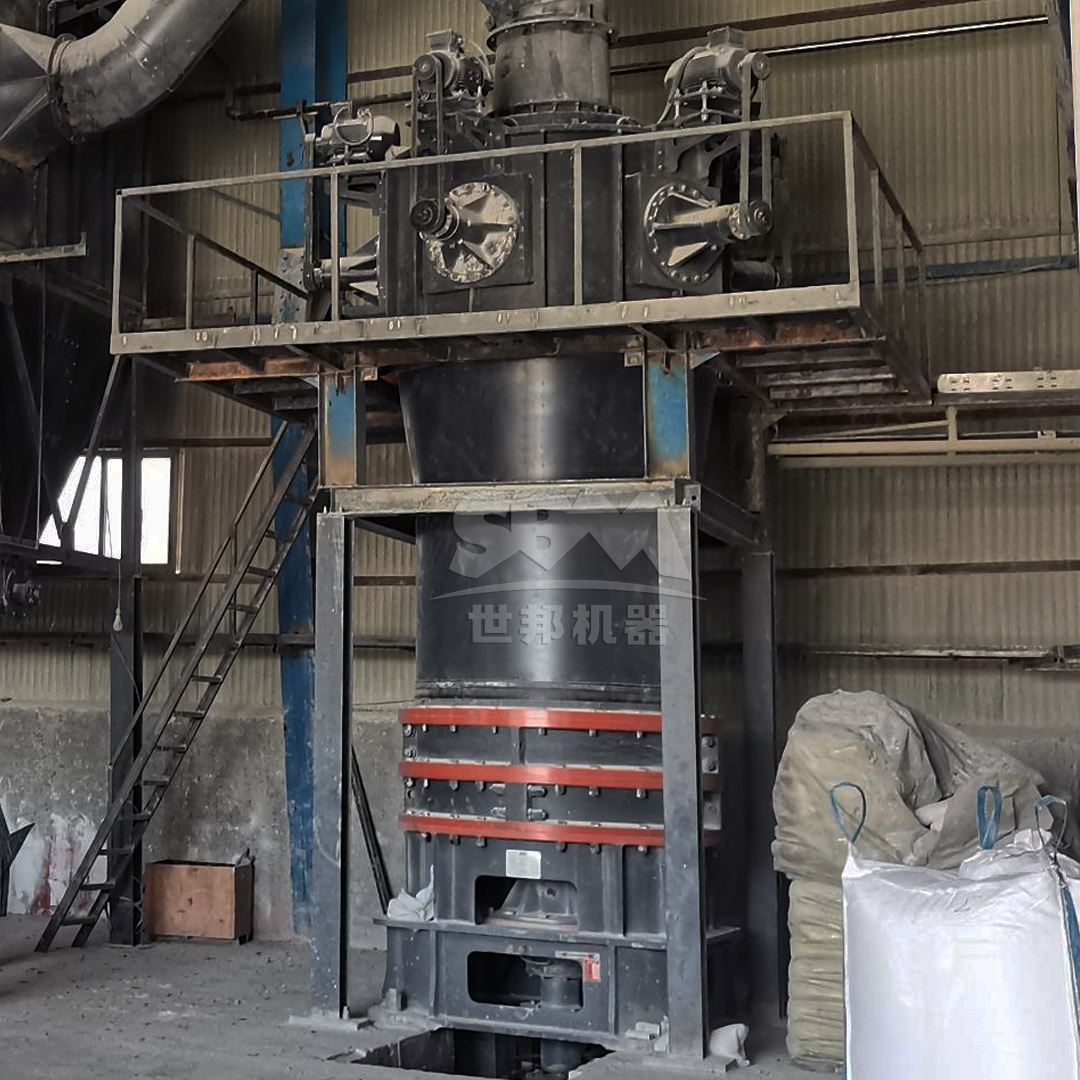
This mill is a technological leader in superfine grinding. Its high-efficiency and energy-saving design delivers twice the capacity of jet mills while reducing energy consumption by 30%. The integrated vertical turbo classifier ensures precise particle size cuts with no coarse powder contamination, yielding an exceptionally uniform product. For copper matte applications requiring ultra-fine powders to maximize surface area and reaction rates, the SCM Series, with models like the SCM1680 offering up to 25 ton/h capacity, provides an unparalleled solution.
Conclusion
The adoption of vertical roller mill technology represents a significant leap forward in the processing of copper matte. By delivering unmatched energy efficiency, precise particle size control, a compact footprint, and superior environmental performance, VRMs directly address the economic and operational challenges of modern mineral processing. Our LM Series Vertical Roller Mill, with its robust design and intelligent operation, provides an ideal primary grinding solution, while our SCM Ultrafine Mill stands ready to meet the most stringent ultra-fine grinding demands. Investing in this advanced milling technology is not merely an equipment upgrade; it is a strategic move towards more sustainable, profitable, and competitive copper production.