Comprehensive Utilization Plan for Mining Waste Rock and Slag: Strategies and Solutions
1. Introduction: The Imperative for Sustainable Mining
The global mining industry generates staggering volumes of waste rock and slag annually, creating significant environmental and economic challenges. These by-products, if left untreated, occupy vast land areas, pose risks of soil and water contamination through leaching, and represent a substantial loss of potentially valuable resources. A paradigm shift from viewing these materials as mere waste to recognizing them as secondary resources is critical for the future of sustainable mining. This article outlines a comprehensive utilization plan, detailing strategies and technological solutions to transform mining waste into valuable products, thereby promoting circular economy principles within the extractive sector.
2. Characterization and Assessment of Waste Streams
The first step in any effective utilization plan is a thorough characterization of the waste materials. Waste rock and slag vary dramatically in composition, particle size, and mineralogy depending on the primary ore and extraction process.
- Waste Rock: Typically consists of overburden and low-grade ore with particle sizes ranging from fine dust to large boulders. Its chemical composition is often similar to natural aggregates but may contain trace metals.
- Slag: A glassy, granular by-product of smelting or refining processes. It possesses pozzolanic or latent hydraulic properties, making it suitable for construction applications. Key parameters include basicity, glass content, and grindability index.
A detailed assessment, including X-ray diffraction (XRD), chemical analysis, and physical property tests, is essential to determine the most viable pathways for valorization.
3. Core Strategies for Comprehensive Utilization
3.1. Backfilling and Land Rehabilitation
Using processed waste rock as backfill in mined-out cavities is a primary, low-value but high-volume application. It enhances geotechnical stability and reduces surface stockpiling. For effective backfilling, material often needs to be crushed and graded to a specific size distribution.
3.2. Production of Construction Aggregates
Crushing and screening waste rock to produce aggregates for road bases, sub-bases, and concrete is a well-established practice. The quality must meet relevant standards for strength, durability, and soundness. Slag, particularly air-cooled blast furnace slag, is an excellent aggregate for asphalt and Portland cement concrete.
3.3. Use as Supplementary Cementitious Materials (SCMs)
This is a high-value application for certain slags. Granulated blast furnace slag (GBFS) and some non-ferrous slags, when finely ground, react with water and calcium hydroxide to form cementitious compounds. They can replace a significant portion of Portland clinker in concrete, reducing CO2 emissions and improving long-term durability. The key to unlocking this value is achieving a very fine and consistent powder.
3.4. Mineral Recovery and Re-mining
Historical waste dumps may contain economically recoverable metals given advances in extraction technologies. Bioleaching, hydrometallurgy, and improved physical separation methods can be applied to “re-mine” these resources, turning liabilities into assets.
3.5. Manufacture of Geopolymers and Other Value-Added Products
Aluminosilicate-rich waste rock and slag can be activated by alkaline solutions to form geopolymer binders, a sustainable alternative to traditional cement. Other innovative uses include glass-ceramics, rock wool insulation, and soil amendments.
4. Critical Technological Solutions: The Role of Advanced Comminution
The transformation of coarse, heterogeneous waste into a uniform, specification-grade product hinges on efficient and flexible grinding technology. The choice of mill is paramount and depends on the target fineness, capacity, and material abrasiveness.
4.1. For Coarse to Medium Grinding (Producing Aggregates & Pre-grinding)
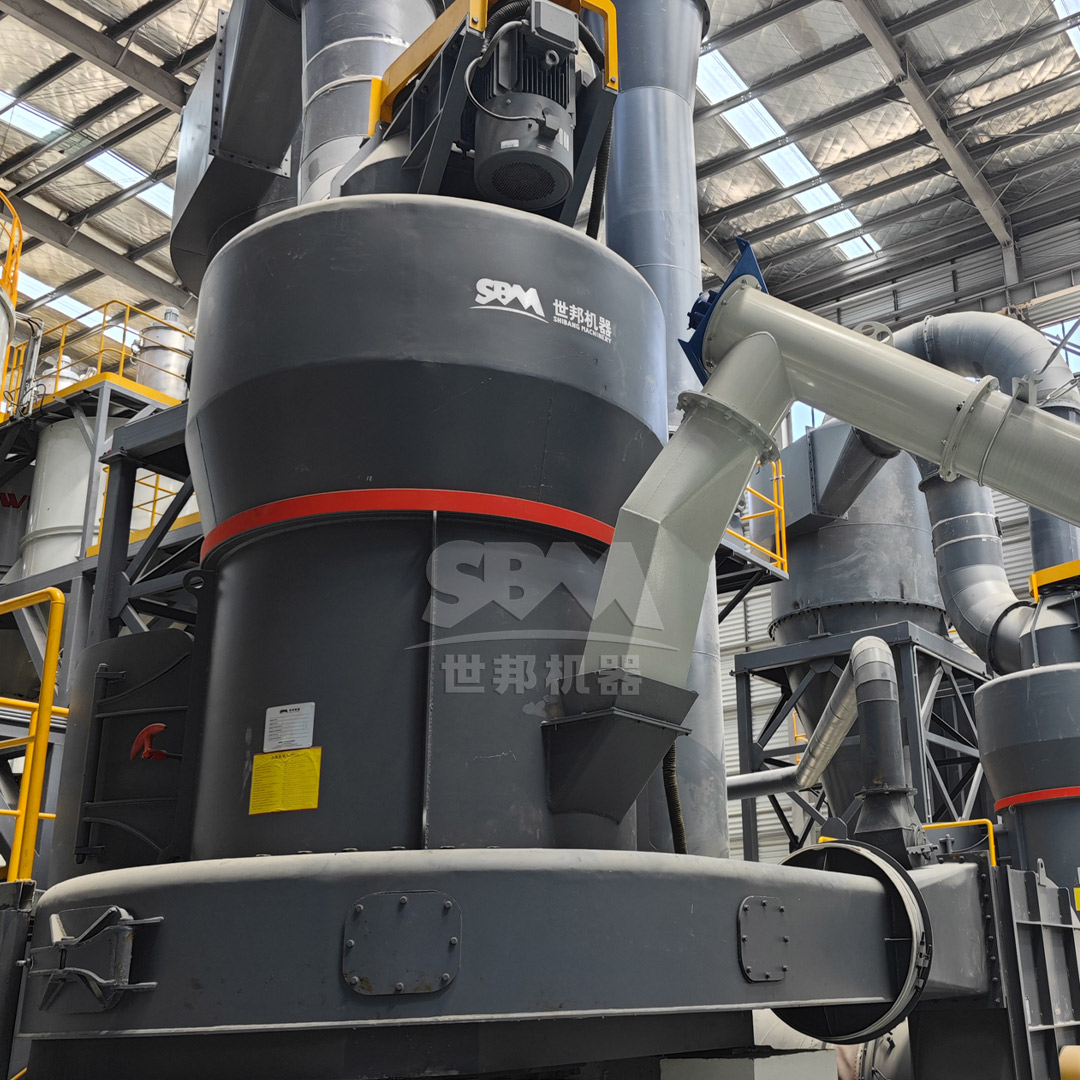
Hammer mills and jaw crushers provide initial size reduction. For integrated pre-grinding systems that handle large feed sizes (≤50mm) at high capacities (up to 45 ton/h), the MTW Series European Trapezium Mill is an outstanding solution. Its anti-wear shovel design and optimized arc air duct ensure reliable operation with abrasive materials like waste rock, while the integral bevel gear drive offers high transmission efficiency and energy savings—a crucial factor for cost-effective waste processing.
4.2. For Fine and Ultrafine Grinding (Producing SCMs & High-value Fillers)
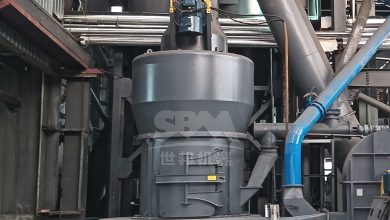
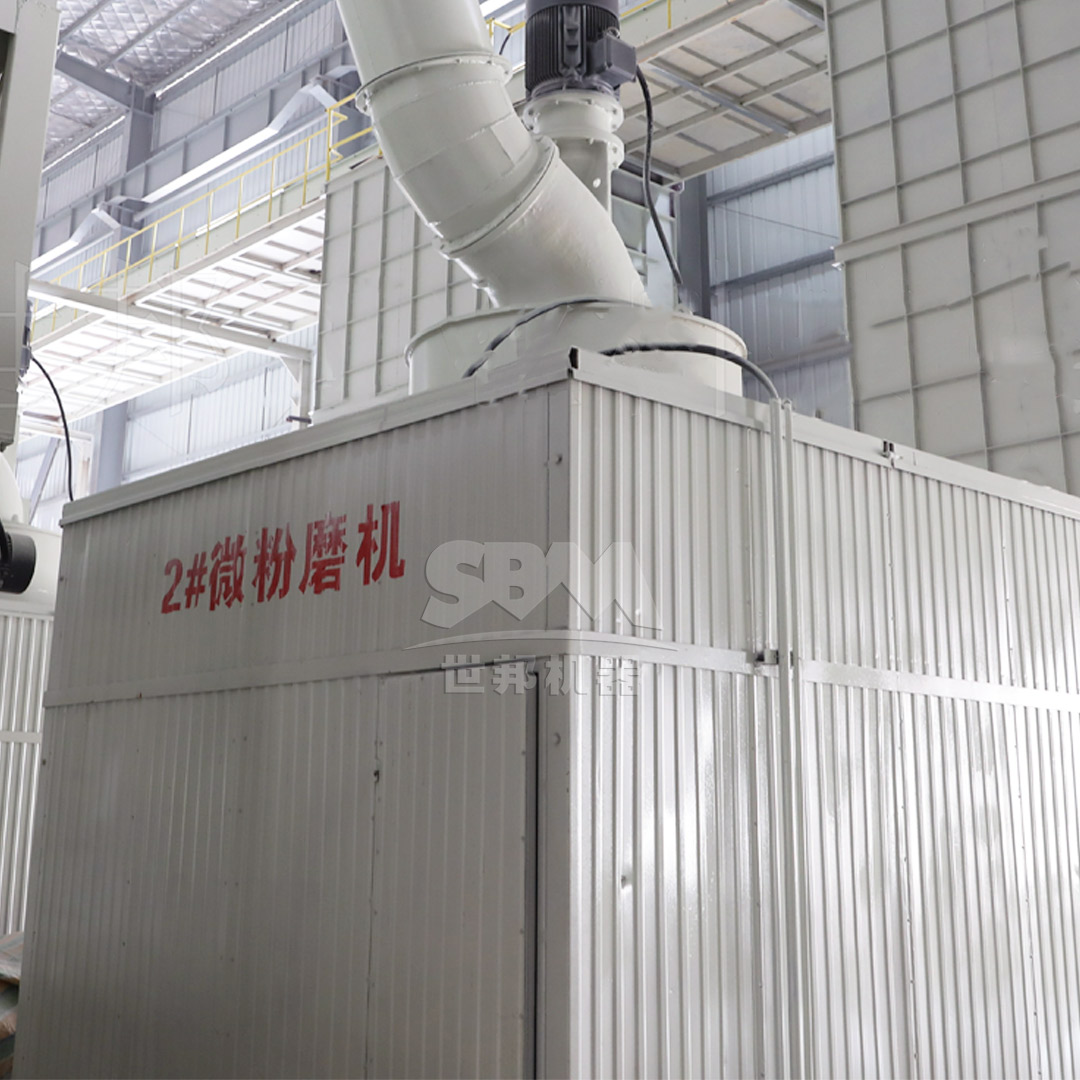
Producing premium supplementary cementitious materials or fine fillers requires grinding down to 325 mesh (45μm) and beyond. This is where advanced vertical roller mills and ultrafine grinding systems excel. For instance, the SCM Series Ultrafine Mill is specifically engineered for this demanding application. Capable of producing powder in the range of 325-2500 mesh (45-5μm) from feed sizes up to 20mm, it is ideal for transforming granulated slag into high-value SCM. Its high-efficiency classification system ensures a uniform product with no coarse particles, and its energy-saving design (30% lower consumption than jet mills) makes the valorization process economically viable. The fully sealed, negative pressure operation also addresses the dust control challenges inherent in fine powder production.
5. Integrated Processing Flowsheet
A proposed flowsheet for a comprehensive waste utilization facility includes:
- Primary Sorting & Crushing: Removal of oversized debris and primary crushing with jaw crushers.
- Secondary Processing & Screening: Further reduction with cone crushers or hammer mills and screening into aggregate fractions.
- Beneficiation (if applicable): Magnetic separation or gravity concentration to recover residual metals.
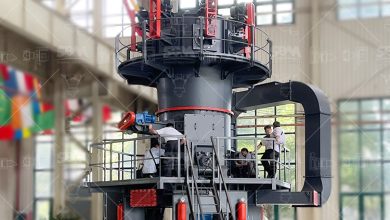
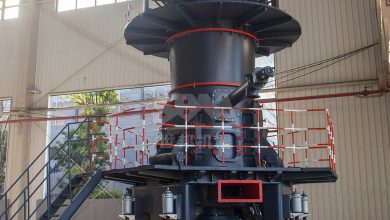
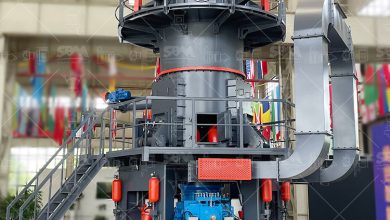
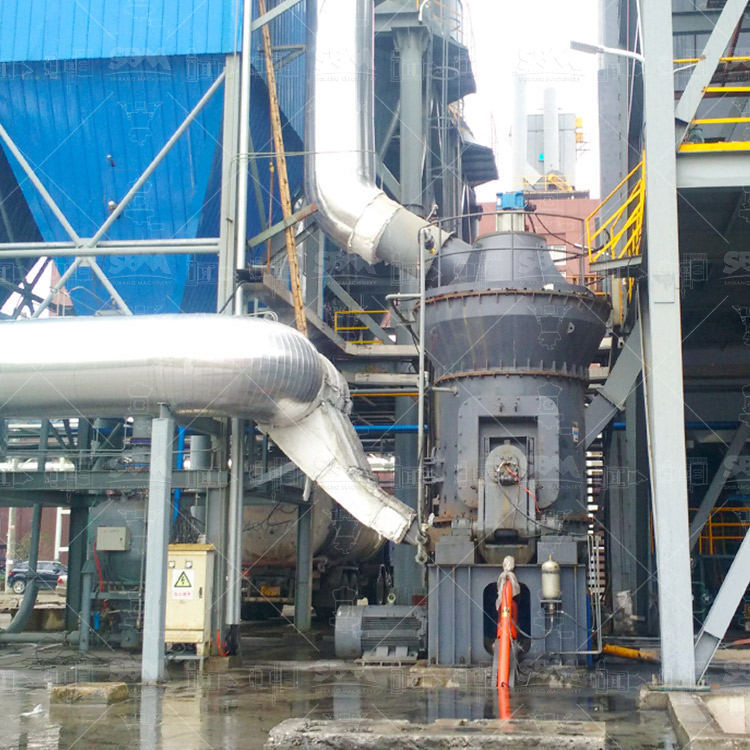
- Fine Grinding Circuit: For SCM production, materials are fed into a vertical roller mill (like the LM Series for high-capacity slag grinding) or an ultrafine mill (like the SCM Series for premium products).
- Quality Control & Storage: Automated packaging and silo storage for finished products.
6. Economic and Environmental Benefits
Implementing this plan yields a triple bottom line benefit:
- Environmental: Drastically reduces landfill requirements, minimizes leaching risks, lowers the carbon footprint of construction materials (through SCM use), and conserves natural resources (e.g., quarried aggregates).
- Economic: Creates new revenue streams from waste, reduces long-term liability management costs, and can lower raw material costs for downstream industries like construction.
- Social: Improves the public perception of mining, supports sustainable development goals, and can create new jobs in processing and manufacturing.
7. Conclusion
The comprehensive utilization of mining waste rock and slag is no longer a niche concept but a necessity for a responsible and profitable mining industry. Success requires a site-specific strategy based on careful material characterization, selection of the appropriate high-value application, and investment in robust, energy-efficient processing technology. By leveraging advanced grinding solutions such as the MTW Series Mill for coarse-to-medium processing and the SCM Series Ultrafine Mill for high-value additive production, mining companies can effectively close the loop, transforming environmental liabilities into economic assets and contributing to a more sustainable materials economy.