Comprehensive Utilization of Stone Powder: Applications and Benefits
Introduction: From Waste to Resource
The stone processing industry, encompassing quarrying, cutting, and polishing, generates vast quantities of fine particulate by-products, commonly known as stone powder or stone dust. Historically viewed as a waste material requiring disposal, this powder has become a focal point for sustainable industrial practices. The comprehensive utilization of stone powder not only addresses critical environmental challenges related to landfill use and dust pollution but also unlocks significant economic value by transforming a liability into a versatile raw material. This article explores the diverse applications of stone powder across industries and highlights the advanced milling technologies that make this transformation efficient and profitable.
Key Applications of Processed Stone Powder
1. Construction and Building Materials
This sector is the largest consumer of stone powder. Finely ground limestone, marble, or granite powder acts as a high-quality filler and partial cement replacement in concrete and mortar. It enhances workability, reduces permeability, and can improve the long-term strength and durability of the final product. Furthermore, it is a primary raw material in the manufacture of artificial stone, tiles, and paving blocks.
2. Polymer and Composite Industries
Stone powder, particularly calcium carbonate from limestone or marble, is a critical filler in plastics, rubber, and PVC. It increases volume, reduces production costs, and can improve mechanical properties such as stiffness and impact resistance. The fineness and purity of the powder are paramount here, directly influencing the quality and surface finish of the final plastic or composite product.
3. Agriculture and Soil Amendment
Certain stone powders, like limestone (calcium carbonate), are used to neutralize acidic soils, improving pH levels and enhancing nutrient availability for crops. Powdered minerals can also serve as carriers for fertilizers and pesticides.
4. Environmental Remediation
Stone powder can be used in wastewater treatment to adjust pH and precipitate contaminants. It is also employed in flue gas desulfurization processes in power plants to capture sulfur dioxide.
5. Other Niche Applications
Applications extend to paints and coatings as extenders and pigments, paper production as a filler and coating agent, and even in the cosmetics industry in products like talcum powder.
The Critical Role of Milling Technology
The value and applicability of stone powder are intrinsically linked to its particle size distribution, shape, and purity. Inefficient or outdated grinding equipment can result in inconsistent powder, high energy costs, and excessive wear, negating the economic benefits of utilization. Modern milling systems are designed for precision, efficiency, and reliability.
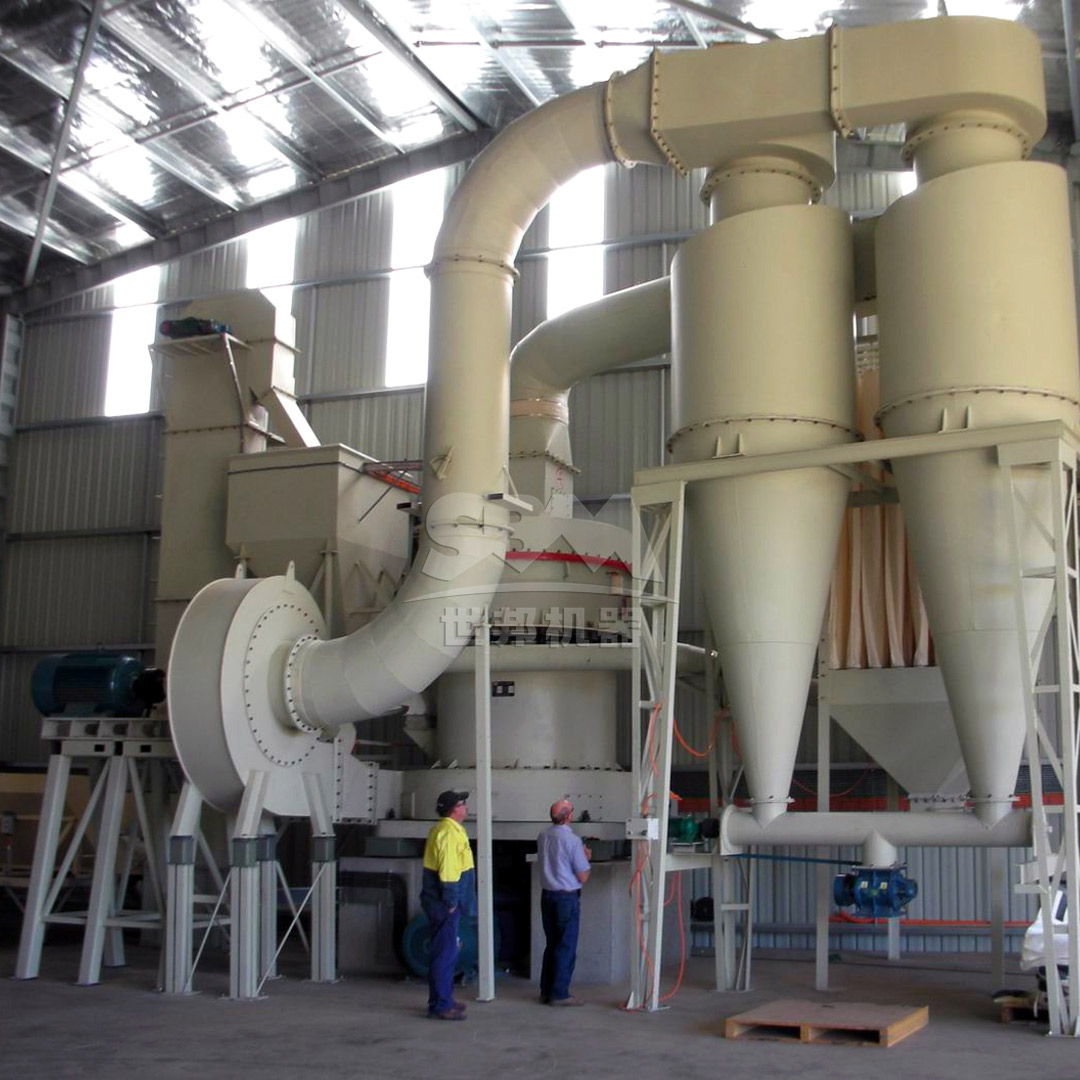
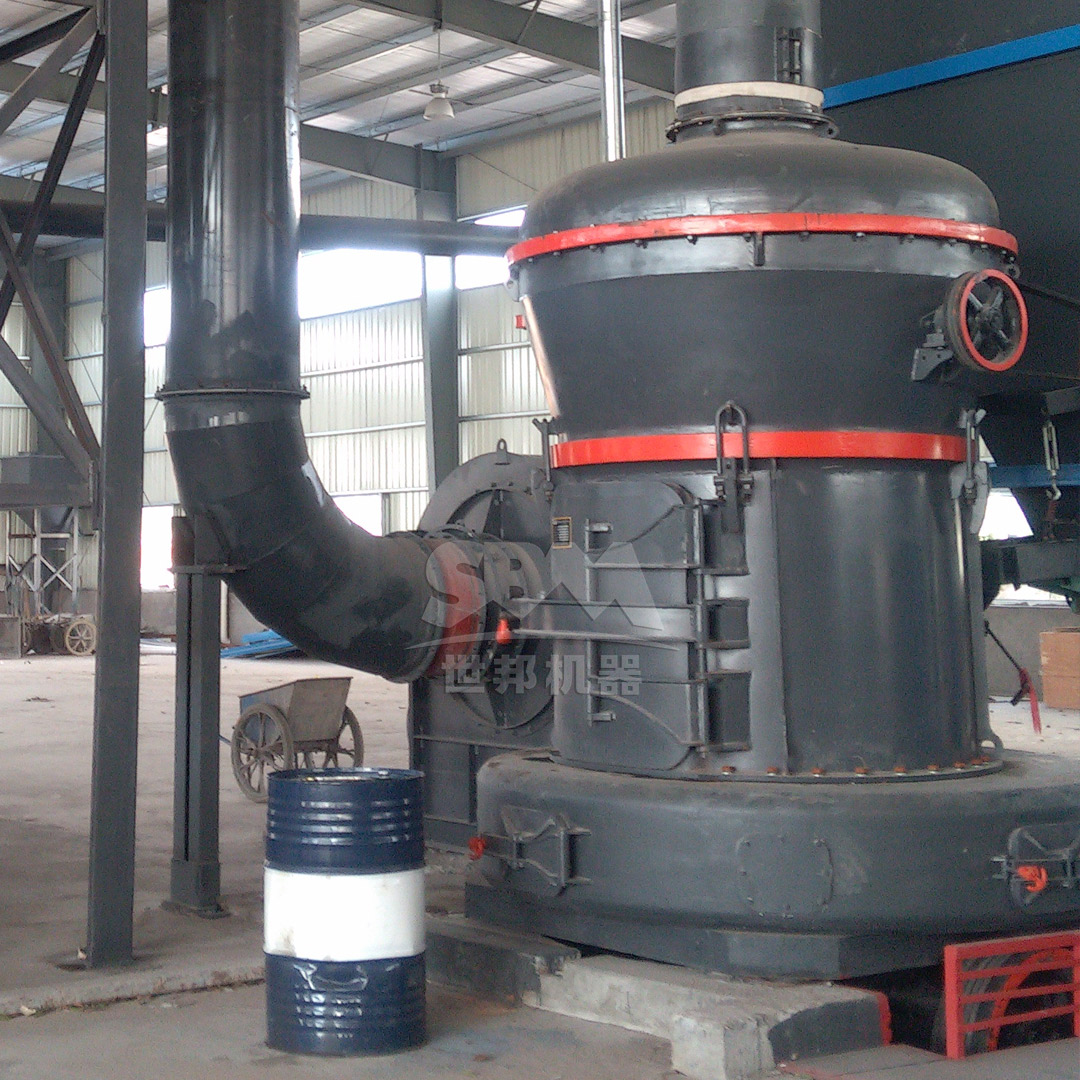
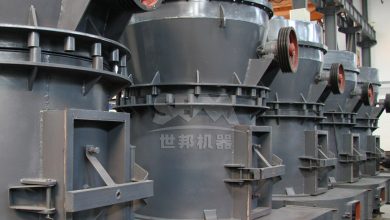
For operations targeting coarse to medium-fine powders (approximately 30 to 325 mesh) for construction or soil amendment, robust and high-capacity mills are essential. In this context, our MTW Series European Trapezium Mill stands out as an ideal solution. Engineered for durability and efficiency, it handles feed sizes up to 50mm with capacities ranging from 3 to 45 tons per hour. Its integral bevel gear drive achieves a remarkable 98% transmission efficiency, while its anti-wear shovel and optimized arc air duct design significantly reduce maintenance costs and energy loss. This mill is perfectly suited for producing consistent, high-volume stone powder for large-scale industrial applications.
Maximizing Value: The Need for Ultrafine Processing
While coarse powder has its markets, the highest value-added applications demand ultrafine powders (typically finer than 325 mesh, reaching 2500 mesh or 5μm). Ultrafine stone powder exhibits enhanced chemical reactivity, superior dispersion in matrices, and improved optical properties, making it indispensable for high-end plastics, advanced coatings, and premium paper.
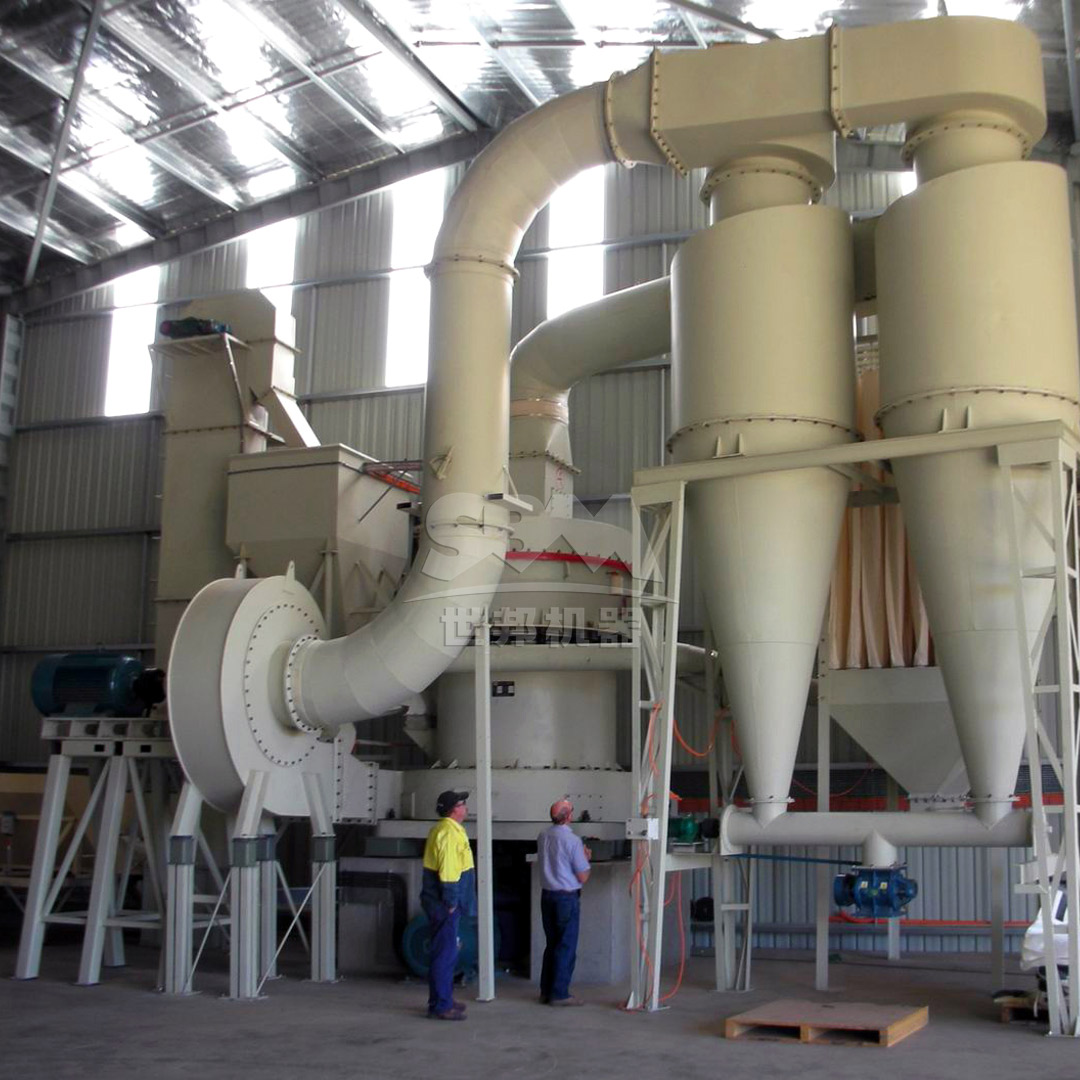
Producing such fine powders efficiently requires specialized technology. Conventional ball mills are energy-intensive and lack precise classification. This is where our flagship SCM Series Ultrafine Mill excels. Designed specifically for producing powders between 325 and 2500 mesh (45-5μm), it represents a leap in grinding technology. Its vertical turbine classifier ensures high-precision particle size cuts with no coarse powder mixing, guaranteeing a uniform product. The mill operates with exceptional energy efficiency, offering capacity twice that of jet mills while consuming 30% less energy. Furthermore, its durable construction with special material rollers and rings, combined with an eco-friendly pulse dust collection system exceeding international standards, makes it a reliable and sustainable choice for producing premium-grade stone powder.
Conclusion: A Sustainable and Profitable Pathway
The comprehensive utilization of stone powder is a compelling example of the circular economy in action. By leveraging advanced milling technologies like the MTW Series for high-capacity processing and the SCM Series for high-value ultrafine production, stone processors can effectively eliminate waste, reduce environmental impact, and create new, profitable revenue streams. The transition from treating stone powder as waste to recognizing it as a resource is not just an environmental imperative but a significant economic opportunity. Investing in the right grinding technology is the critical first step on this transformative journey.