Comprehensive Utilization of Metallurgical Coke Powder: Production, Applications, and Economic Benefits
Introduction
The metallurgical industry generates significant quantities of coke powder as a by-product during the production, handling, and transportation of metallurgical coke. Traditionally viewed as a low-value waste material, this fine powder represents a substantial economic loss and an environmental challenge. However, with advancements in processing technology and a growing emphasis on circular economy principles, metallurgical coke powder is now recognized as a valuable resource. Its comprehensive utilization unlocks new revenue streams, reduces environmental impact, and enhances the overall sustainability of steel and foundry operations. This article explores the production pathways, diverse applications, and significant economic benefits associated with the high-value processing of metallurgical coke powder.
Production of Metallurgical Coke Powder
Metallurgical coke powder is primarily generated through several channels: mechanical degradation during coke handling and screening, thermal stresses in blast furnaces leading to fines generation, and the crushing of coke breeze for specific applications. The raw powder, often varying in size and composition, requires further processing to meet the stringent specifications of advanced applications.
The key to unlocking its value lies in efficient and precise size reduction. The process typically involves primary crushing to a manageable size, followed by fine and ultrafine grinding. The choice of grinding technology is critical, as it directly impacts the final particle size distribution, shape, production cost, and energy consumption. For high-value applications demanding ultra-fine powders (e.g., below 325 mesh or 45μm), specialized milling equipment capable of high precision and energy efficiency is essential.
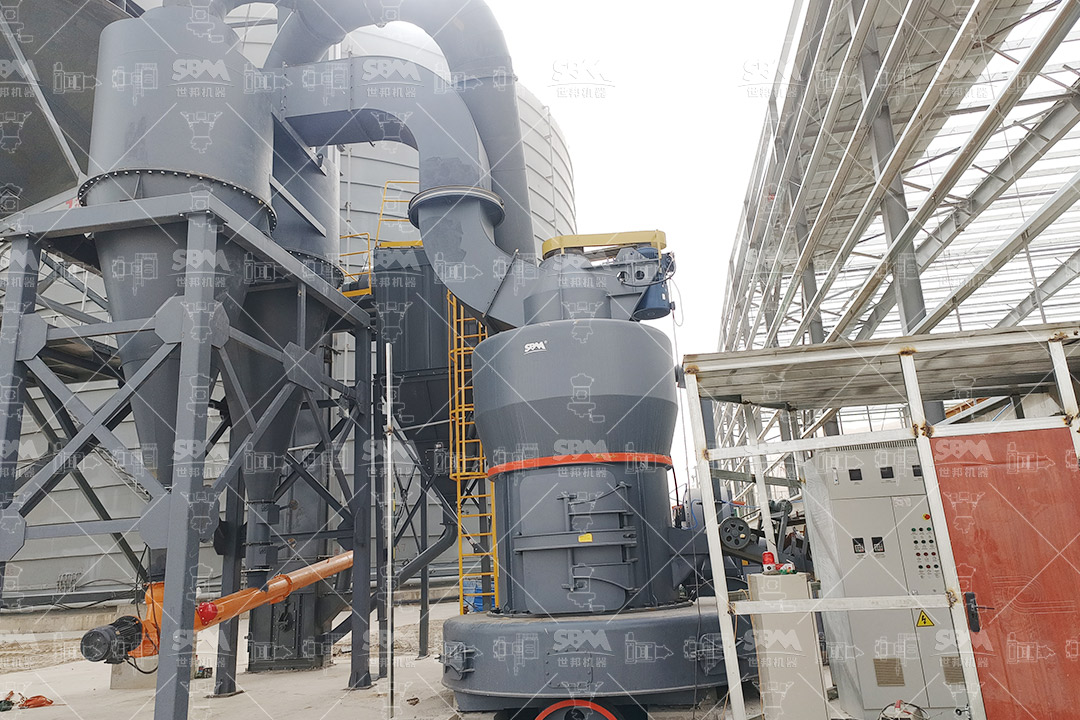
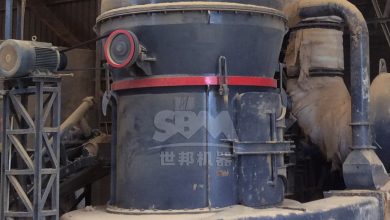
For operations targeting a broad range of applications from coarse additives to ultra-fine powders, a versatile and robust grinding solution is paramount. Our MTW Series Trapezium Mill is engineered to excel in this role. Capable of handling feed sizes up to 50mm and producing powders from 30 to 325 mesh (600-45μm), the MTW mill offers exceptional flexibility. Its advantages, such as the wear-resistant curved air duct for reduced energy loss, the integral transmission with 98% efficiency, and the durable shovel blade design, ensure reliable, low-maintenance, and cost-effective operation for producing high-quality coke powder across various fineness levels.
Key Applications of Processed Coke Powder
Processed metallurgical coke powder finds utility across a spectrum of industries, transforming from a waste product into a strategic raw material.
1. Metallurgy and Foundry
- Carbon Raiser in Steelmaking: Fine coke powder is injected into electric arc furnaces (EAF) or added to ladles as a highly efficient carbon raiser, improving steel chemistry and reducing ferroalloy consumption.
- Foundry Carbon Additive: In iron foundries, it is used to adjust the carbon content in molten iron, ensuring consistent casting quality and mechanical properties.
- Sintering Plant Fuel: Coke breeze is a primary fuel in iron ore sintering, providing the necessary heat for agglomeration.
2. Carbon Products and Advanced Materials
- Anode and Cathode Production: Ultra-fine, high-purity coke powder is a crucial raw material for manufacturing carbon anodes used in aluminum smelting and graphite electrodes for electric arc furnaces.
- Carbon Composite Materials: It serves as a filler or reinforcement in carbon-carbon composites, refractories, and brake linings.
3. Chemical and Industrial Uses
- Chemical Feedstock: Coke powder can be gasified to produce synthesis gas (syngas) for chemicals like ammonia and methanol, or used in carburizing processes for metal surface hardening.
- Fuel and Energy Source: It can be pelletized or briquetted for use as a solid fuel in industrial boilers or cement kilns.
The Critical Role of Ultrafine Grinding Technology
For the most demanding applications in carbon products and advanced materials, achieving a consistent, ultra-fine particle size (often D97 ≤ 5μm or 2500 mesh) is non-negotiable. This requires grinding technology that goes beyond conventional milling.
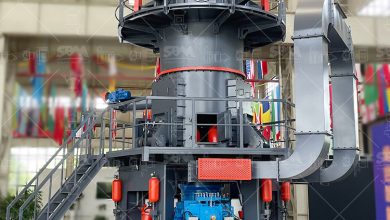
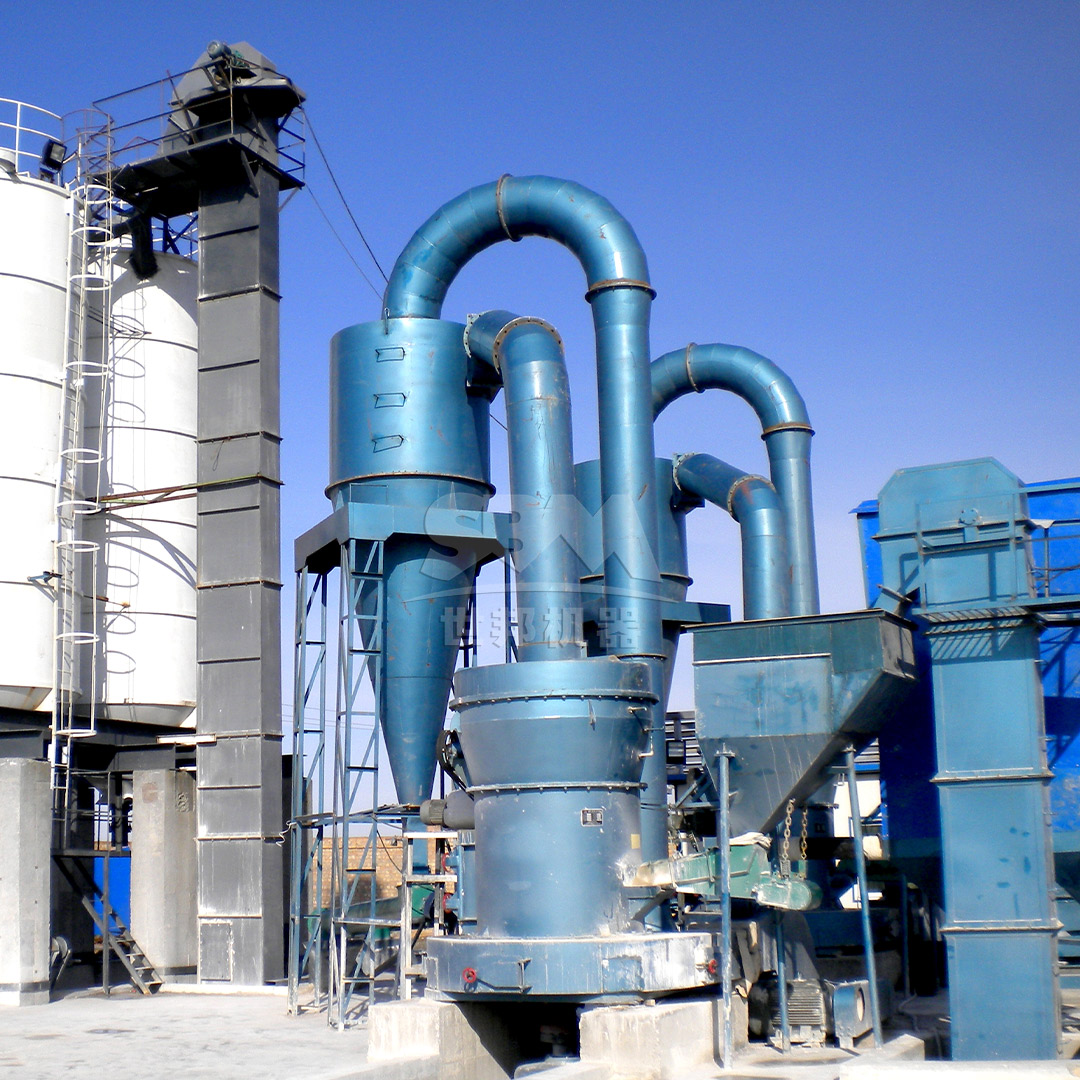
Our SCM Series Ultrafine Mill is specifically designed for this high-precision task. Engineered to produce powders from 325 to 2500 mesh (45-5μm), the SCM mill sets the benchmark for efficiency and quality. Its vertical turbine classifier ensures precise particle size cuts with no coarse powder contamination. The mill’s high-efficiency design delivers up to twice the output of jet mills while reducing energy consumption by 30%. Furthermore, its durable construction with special-material rollers and rings, coupled with advanced pulse dust collection and noise insulation (≤75dB), makes it an ideal, sustainable solution for producing premium-grade ultrafine coke powder, maximizing the product’s market value.
Economic Benefits and Sustainability Impact
The comprehensive utilization of coke powder delivers compelling economic and environmental advantages.
- New Revenue Streams: Converting a waste product into saleable commodities creates direct income. High-purity ultrafine powder commands a significantly higher price per ton compared to raw coke breeze.
- Cost Reduction in Primary Processes: Using internally generated coke powder as a carbon raiser reduces the need to purchase expensive alternatives like petroleum coke or anthracite.
- Waste Management Cost Savings: Eliminates or drastically reduces costs associated with landfilling, handling, and environmental compliance for waste fines.
- Enhanced Resource Efficiency: Maximizes the value extracted from the original coking coal, improving the overall resource yield of the metallurgical complex.
- Environmental Sustainability: Diverts waste from landfills, reduces the carbon footprint associated with virgin material production, and supports circular economy goals within the industry.
Conclusion
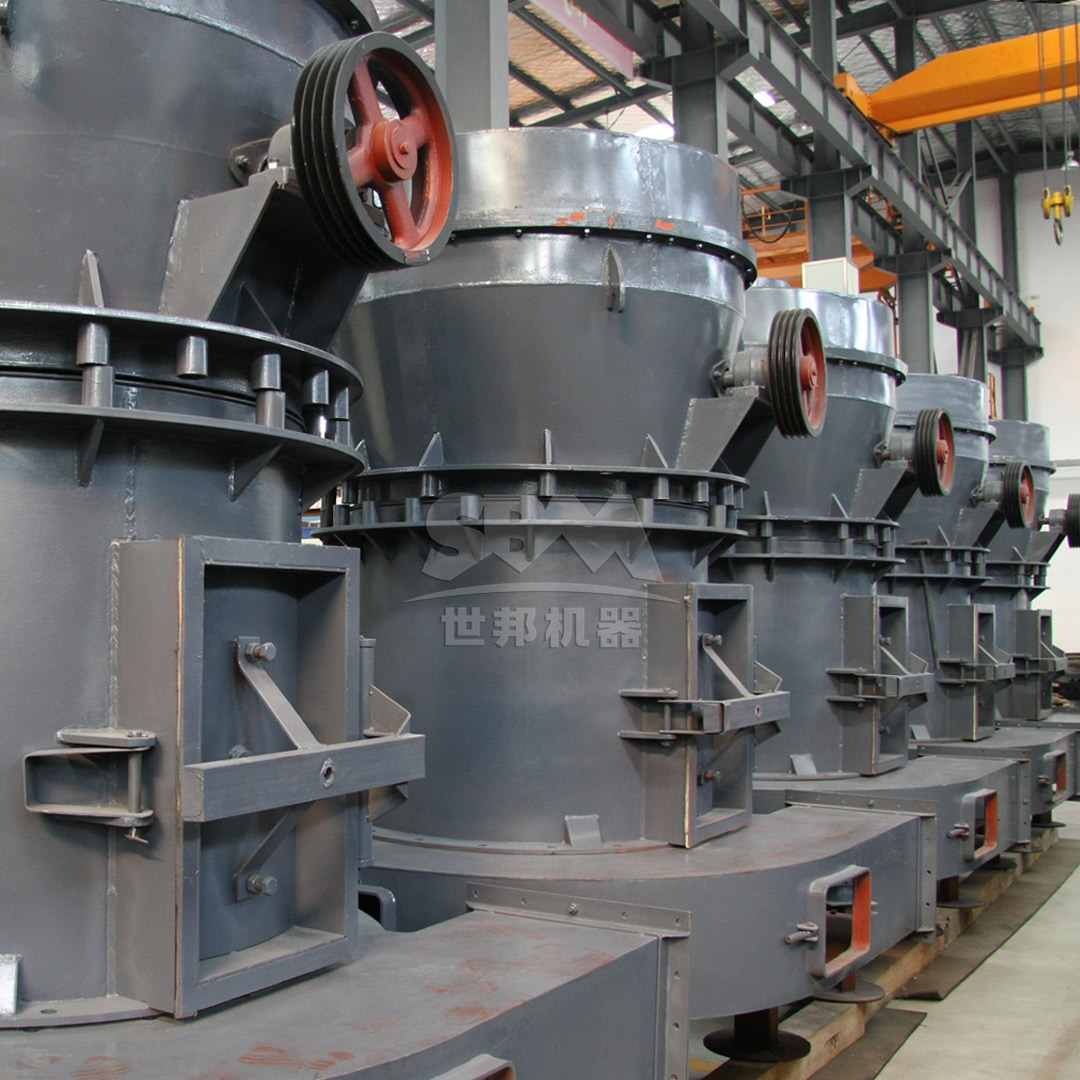
The journey of metallurgical coke powder from a troublesome by-product to a valuable resource is a testament to technological innovation and sustainable thinking. By implementing advanced grinding and classification technologies, such as the versatile MTW Series Trapezium Mill for general applications and the high-precision SCM Series Ultrafine Mill for premium products, producers can fully capitalize on this underutilized material. The resulting benefits—spanning increased profitability, reduced operational costs, and a stronger environmental profile—make the comprehensive utilization of coke powder a strategic imperative for forward-looking metallurgical enterprises. Investing in the right processing infrastructure is the key to unlocking this potential and securing a competitive advantage in an increasingly resource-conscious market.