Comprehensive Guide to Vertical Roller Mill Grinding Technology
Introduction to Vertical Roller Mill Technology
Vertical Roller Mills (VRMs) have revolutionized the industrial grinding sector, offering a superior alternative to traditional ball mills and horizontal grinding systems. Their core principle involves the comminution of material between a rotating grinding table and two or more grinding rollers under hydraulic pressure. This technology is characterized by its high grinding efficiency, significant energy savings, and excellent drying capability, making it the preferred choice for processing raw materials, coal, cement clinker, slag, and various minerals.
The evolution of VRM technology has focused on enhancing reliability, reducing wear rates, and integrating advanced automation and classification systems. Modern VRMs are not merely grinding machines but complete processing systems that incorporate drying, grinding, classification, and material transport within a single, compact unit. This guide delves into the core components, working principles, technological advantages, and application considerations of this pivotal technology.
Core Components and Working Principle
A standard Vertical Roller Mill system comprises several key components working in unison:
- Grinding Table (or Grinding Plate): A rotating table driven by a gearbox and motor. The feed material is distributed onto this table.
- Grinding Rollers: Typically two to four rollers that exert pressure on the material bed on the grinding table. They can be fixed, swung out, or hydraulically pressed.
- Drive System: Includes the main motor, gearbox, and sometimes auxiliary drives for starting.
- Classification System: Often an integrated dynamic classifier (e.g., cage rotor separator) located at the top of the mill. It separates fine product from coarse material, which is returned to the grinding table for further size reduction.
- Drying and Conveying System: Hot gas (from a kiln, cooler, or hot gas generator) is introduced into the mill housing to dry moist feed materials and transport the ground fines to the classifier.
- Hydraulic System: Applies and controls the grinding pressure between the rollers and the table, and can be used to lift the rollers during start-up and maintenance.
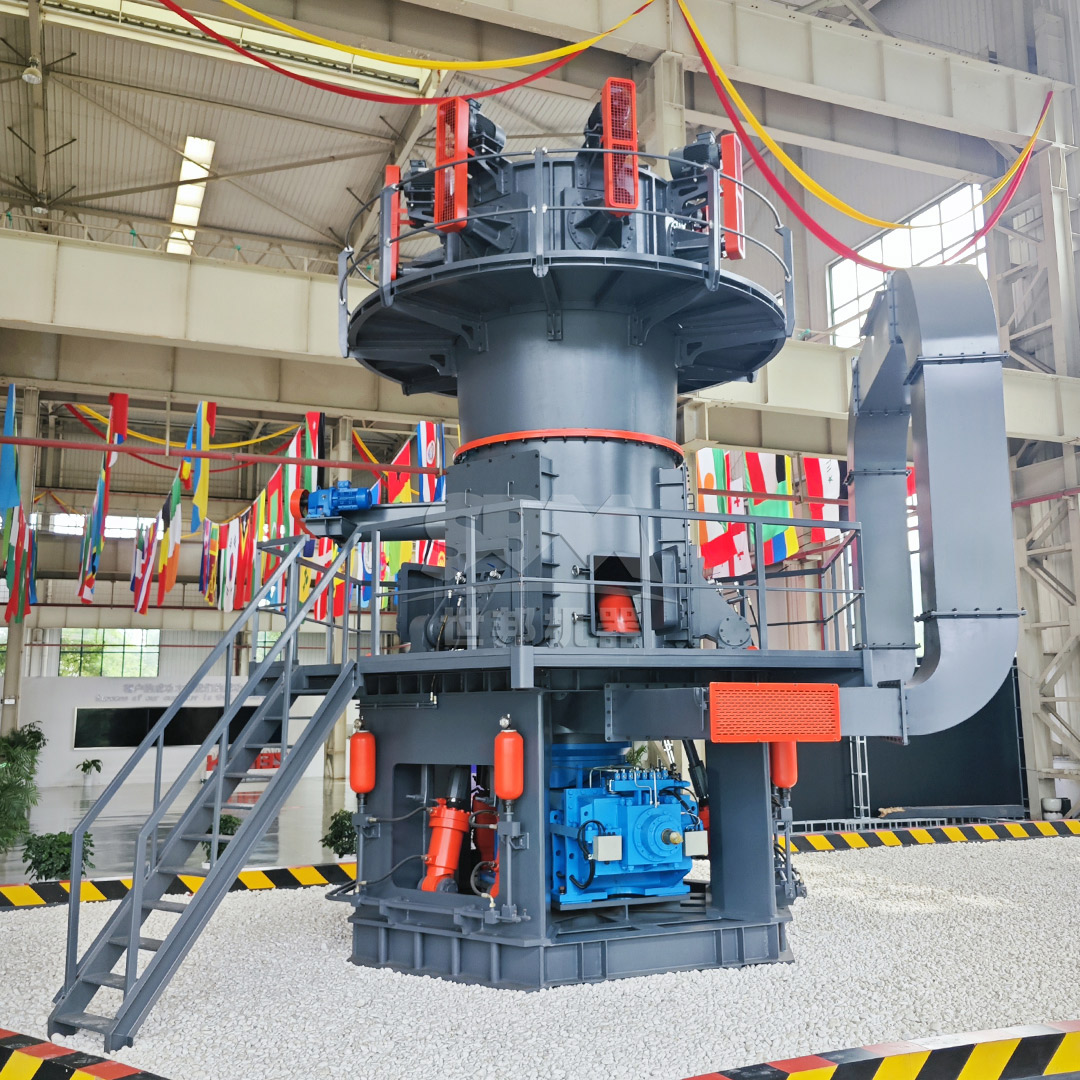
The working principle follows a continuous cycle. Feed material is centrally fed onto the rotating grinding table. Centrifugal force moves the material outward under the grinding rollers. The rollers, pressed hydraulically against the material bed, cause compressive and shear forces that fracture the particles. Simultaneously, hot gas flowing upwards through the mill dries the material and carries the ground fines to the dynamic classifier. The classifier performs a sharp cut; fine particles meeting the target fineness exit the mill with the gas stream to a downstream dust collector (e.g., baghouse), while coarse particles are rejected and fall back onto the grinding table for regrinding.
Key Technological Advantages
The widespread adoption of VRMs is driven by a host of compelling advantages over conventional grinding systems:
- High Grinding Efficiency & Energy Savings: The energy-efficient principle of inter-particle comminution in a material bed, as opposed to the impact/attrition of tumbling ball mills, leads to specific energy consumption reductions of 30% to 50%. Power is directly used for grinding, minimizing losses.
- Excellent Drying Capacity: The high gas flow through the mill and the large, turbulent material bed allow for efficient heat transfer. VRMs can handle feed materials with moisture contents up to 15-20%, often eliminating the need for a separate dryer.
- Compact Plant Design & Small Footprint: The vertical arrangement and integration of multiple processes (grinding, drying, classification) result in a significantly smaller building volume and foundation requirements compared to a ball mill circuit.
- Low Noise and Dust Emissions: The enclosed grinding process operates with considerably lower noise levels (<85 dB(A)). The entire system operates under negative pressure, preventing dust escape and ensuring a clean working environment.
- Precise Product Control: Integrated dynamic classifiers allow for quick and precise adjustment of product fineness (e.g., Blaine surface area or residue on a specific sieve) during operation, often with fully automated control loops.
- High Availability & Ease of Maintenance: Wear parts like roller tires and table liners are designed for long life and can be replaced on a predictable schedule. Modern designs allow for roller swing-out mechanisms, enabling easier and faster maintenance.
Application-Specific Mill Designs
VRM technology is not one-size-fits-all. Leading manufacturers, including our company, have developed specialized series to optimize performance for different materials and fineness requirements. Two standout examples from our portfolio are the LM Series Vertical Roller Mill for high-capacity mineral grinding and the SCM Series Ultrafine Mill for producing superfine powders.
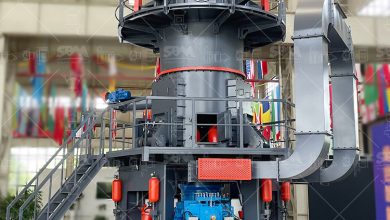
The LM Series Vertical Roller Mill is engineered for robustness and high output in applications like cement raw meal, coal, slag, and non-metallic minerals. Its集约化设计 (Intensive Design) integrates multiple functions, reducing plant footprint by up to 50%. A key feature is its低运行成本 (Low Operational Cost), achieved through磨辊与磨盘非接触设计 (non-contact roller and disc design) that extends wear part life and reduces specific energy consumption by 30-40% compared to ball mill systems. Models like the LM220K, with an 800kW motor and capacity up to 105 t/h, exemplify its capability for large-scale industrial production. Its智能控制 (Intelligent Control) system allows for expert-level automation and remote monitoring.
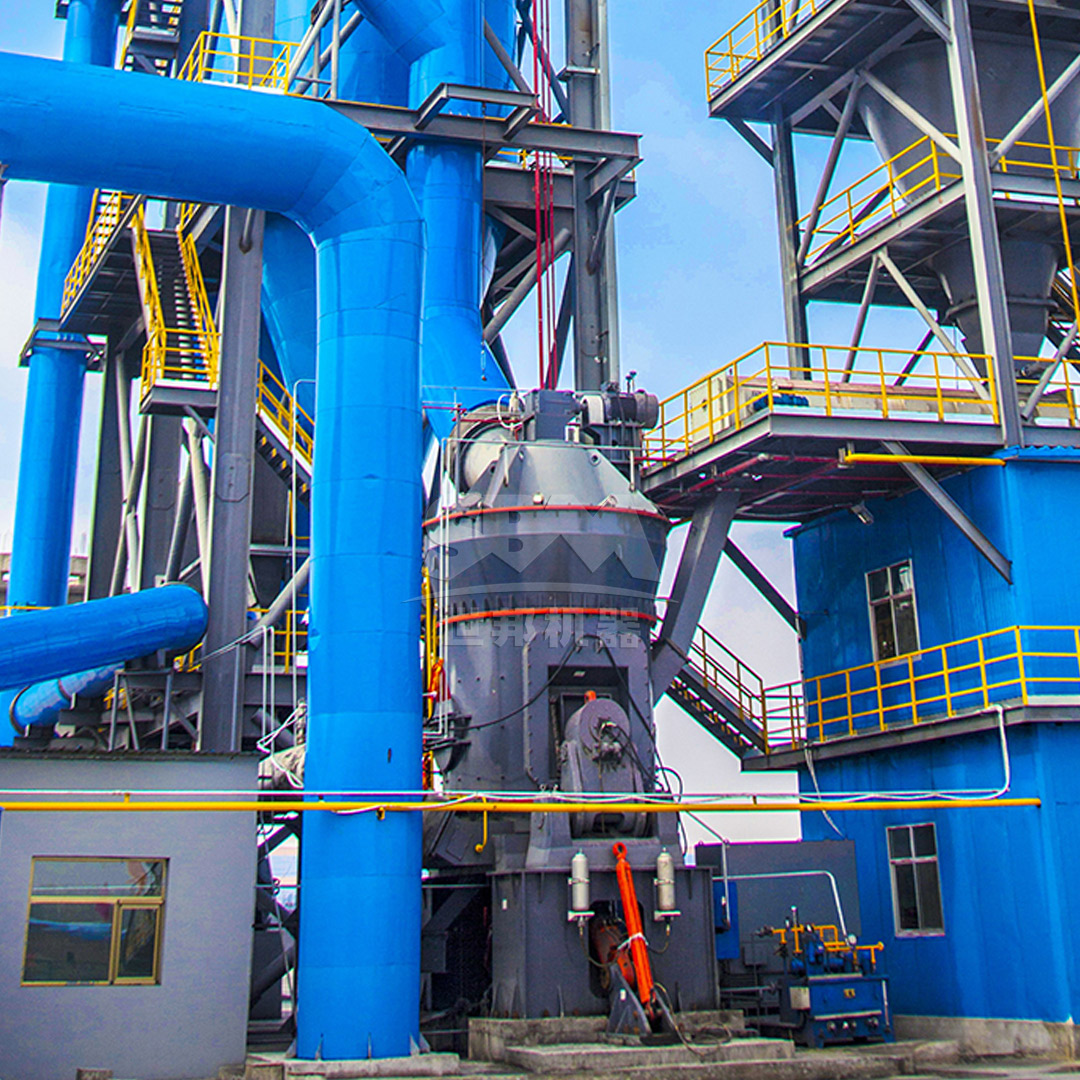
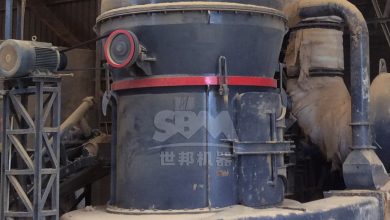
For applications demanding extremely fine products, such as calcium carbonate, talc, or specialty chemicals, the SCM Ultrafine Mill is the optimal solution. This mill excels in the 325 to 2500 mesh (D97 ≤5μm) range. Its核心优势 (Core Advantages) include高效节能 (High Efficiency & Energy Saving), offering twice the capacity of jet mills with 30% lower energy consumption, and高精度分级 (High-Precision Classification) via a vertical turbine classifier that ensures uniform product with no coarse particle contamination. The SCM1680 model, with a 315kW motor and a capacity range of 5.0-25 ton/h, represents the high-end of this technology, capable of producing large volumes of consistent, superfine powder.
Critical Operational Considerations and Future Trends
Successful VRM operation depends on understanding several key factors:
- Feed Material Characteristics: Hardness, abrasiveness, grindability (e.g., Bond Work Index), and moisture content directly influence roller pressure, wear rates, gas flow requirements, and overall system design.
- Process Control Philosophy: Stable operation relies on maintaining a consistent material bed thickness. Key control parameters include mill motor load, grinding pressure, differential pressure across the mill, inlet/outlet gas temperature, and classifier speed.
- Wear Part Management: Implementing a predictive maintenance strategy for roller tires and table liners is crucial. Monitoring vibration trends and performance data helps plan replacements during scheduled stops, maximizing availability.
The future of VRM technology is geared towards greater intelligence and sustainability. Trends include the integration of Industrial Internet of Things (IIoT) platforms for predictive analytics and digital twins, the development of even more wear-resistant materials and coatings, and designs that further minimize energy consumption and carbon footprint. The drive is towards fully autonomous, self-optimizing grinding plants that deliver maximum yield with minimal resource input.

In conclusion, Vertical Roller Mill technology represents a mature, yet continuously evolving, solution for efficient and sustainable size reduction. From the high-tonnage mineral processing handled by our LM Series to the precision ultrafine grinding of the SCM Series, the flexibility and efficiency of VRMs make them indispensable in modern industry. Selecting the right mill design and configuration, supported by expert process knowledge, is the key to unlocking their full potential for any specific application.