Comprehensive Guide to Barite Mineral Development and Utilization in Guizhou Province
1. Introduction
Guizhou Province, situated in the heart of Southwest China, is endowed with abundant mineral resources, among which barite (BaSO4) holds a position of significant strategic and economic importance. Known for its high specific gravity, chemical inertness, and radiation shielding properties, barite is a critical raw material for the oil and gas drilling, chemical, paint, and medical industries. This guide provides a comprehensive overview of the barite resources in Guizhou, explores the complete value chain from mining to advanced processing, and highlights the technological solutions essential for maximizing economic and environmental benefits.
2. Barite Resources and Geology in Guizhou
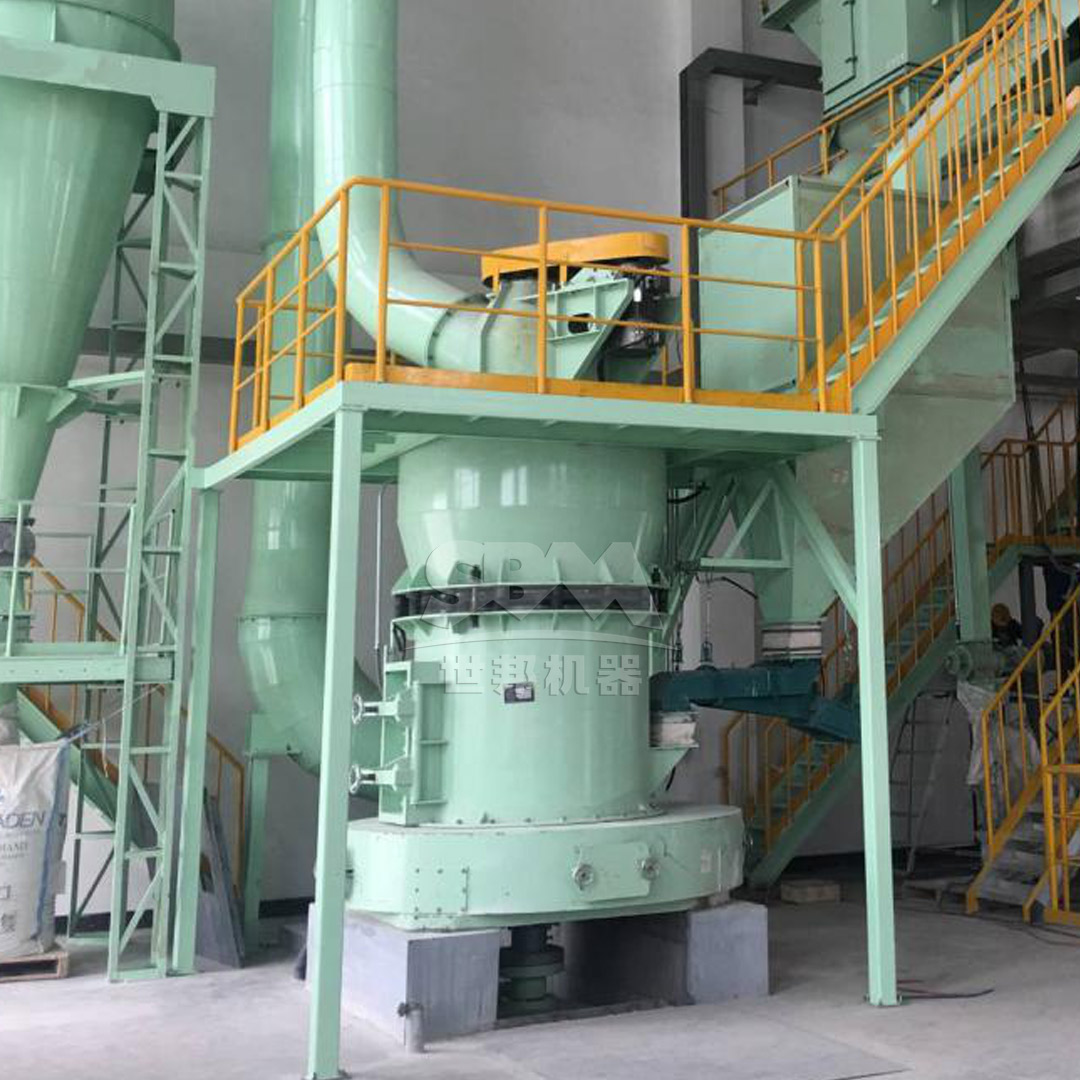
Guizhou’s barite deposits are primarily of hydrothermal vein type, often associated with lead, zinc, and fluorite mineralization. Major deposits are concentrated in regions such as Tianzhu, Zhenyuan, and Cengong counties. The barite ore in Guizhou is generally characterized by high purity, with BaSO4 content frequently exceeding 90%, and low levels of deleterious elements like lead and cadmium, making it highly suitable for high-value applications. The geological setting, involving fault structures and carbonate host rocks, has created favorable conditions for the formation of large, workable deposits.
3. The Barite Processing Value Chain
3.1 Mining and Primary Beneficiation
Conventional open-pit or underground mining methods are employed based on deposit geometry. Run-of-mine (ROM) ore undergoes primary crushing, typically using jaw or hammer crushers to reduce size to below 50mm. Simple gravity separation methods, such as jigging or shaking tables, are then used to remove gangue minerals (e.g., quartz, calcite) and produce a marketable concentrate. The efficiency of this stage directly impacts the cost and quality of downstream processing.
3.2 Grinding and Classification: The Core of Value Addition
The true value of barite is unlocked through fine and ultra-fine grinding. Different industrial applications demand specific particle size distributions (PSD):
- Oil & Gas Drilling Mud: Requires grinding to a fineness of 200-325 mesh (74-45μm) to meet API specifications for high-density muds.
- Chemical & Filler Industries: Demand higher-value products in the range of 325 mesh to 2500 mesh (45-5μm) and finer for use in paints, plastics, rubber, and pharmaceuticals.
Selecting the appropriate grinding technology is paramount. For high-volume production of drilling-grade barite (30-325 mesh), robust and efficient milling systems are needed. For the lucrative ultra-fine filler market, advanced grinding mills capable of producing consistent, narrow-PSD powders with low energy consumption are essential.
4. Critical Processing Equipment for Guizhou’s Barite Industry
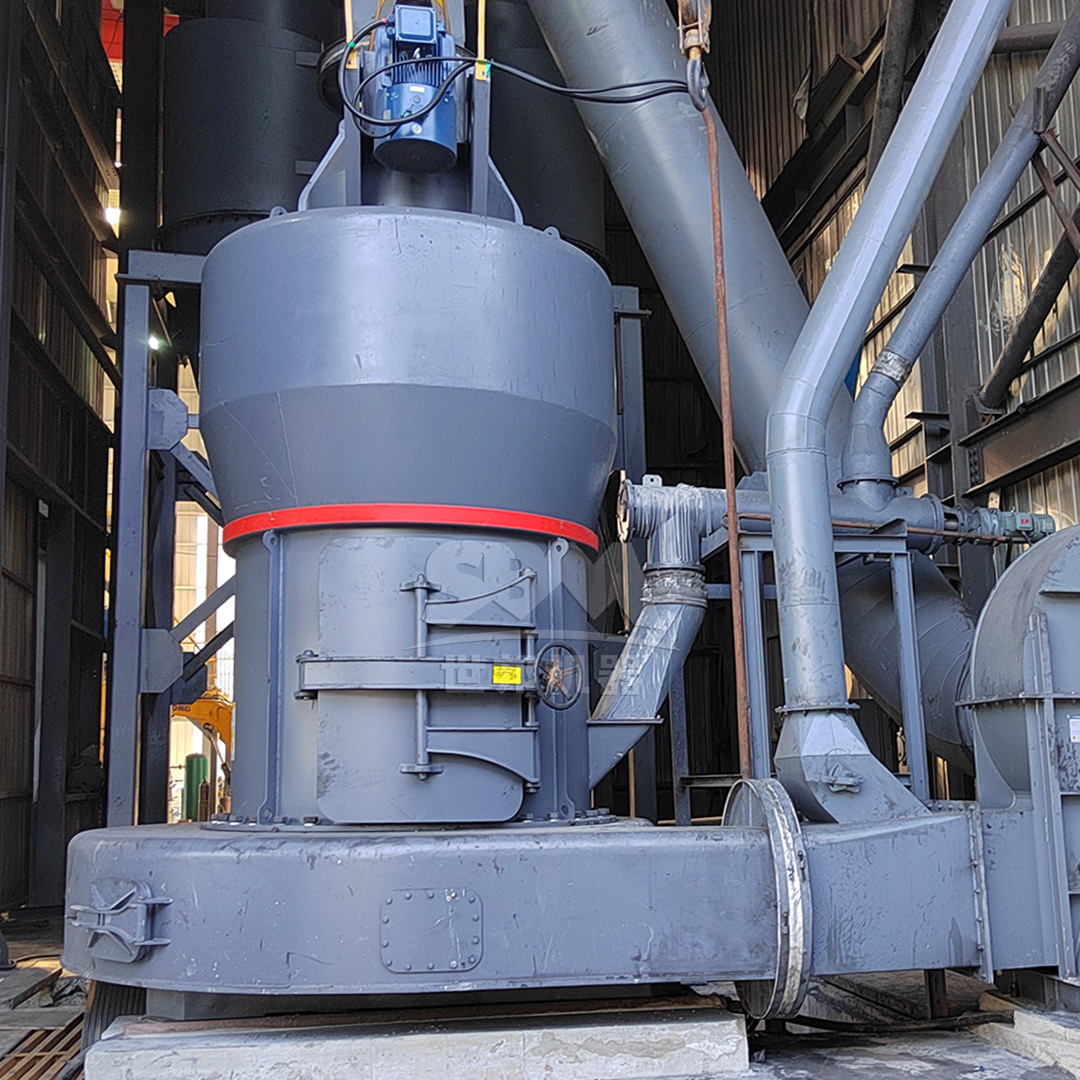
The choice of milling equipment defines product quality, operational cost, and environmental footprint. Two standout technologies are particularly well-suited for the Guizhou barite processing landscape.
4.1 For High-Capacity, Coarse to Medium-Fine Grinding: The MTW Series European Trapezium Mill
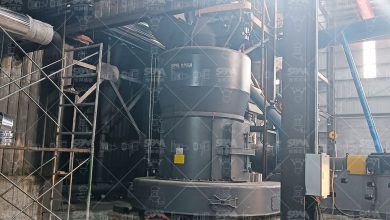
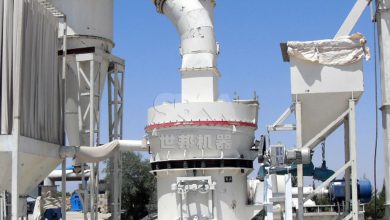
For producers focusing on the large-volume drilling mud market, the MTW Series European Trapezium Mill is an ideal solution. Engineered for efficiency and durability, it handles feed sizes up to 50mm and delivers outputs from 30 to 325 mesh (600-45μm) with capacities ranging from 3 to 45 tons per hour. Its technical advantages directly address common challenges in barite processing:
- Anti-wear Design: Combined shovel blades and curved roller profiles significantly reduce wear part consumption and maintenance costs, a critical factor for abrasive minerals like barite.
- High Transmission Efficiency: The integral bevel gear drive achieves up to 98% efficiency, saving energy and space.
- Optimized Airflow: The arc air duct and wear-resistant volute structure minimize energy loss and improve classification accuracy, ensuring a consistent product for API standards.
Models like the MTW215G, with a capacity of 15-45 t/h, are perfectly scaled for large-scale drilling mud barite production lines in Guizhou.
4.2 For High-Value, Ultra-Fine Filler Production: The SCM Series Ultrafine Mill
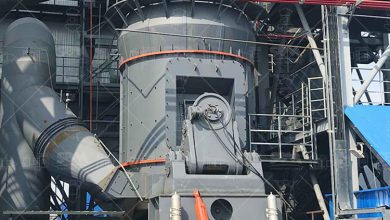
To tap into the premium markets of paints, coatings, and polymers, processors must produce ultra-fine barite powder (325-2500 mesh). The SCM Series Ultrafine Mill is a technological leader in this domain. It represents a leap in efficiency and precision for ultra-fine grinding applications.
- Superior Efficiency: It offers twice the capacity of traditional jet mills while consuming 30% less energy, dramatically lowering production costs for high-value products.
- Unmatched Product Uniformity: Its high-precision vertical turbine classifier ensures sharp particle size cuts, eliminating coarse powder contamination. This results in a uniform fineness that is critical for enhancing the performance and gloss of filler applications.
- Eco-friendly Operation: With a pulse dust collection system exceeding international standards and a soundproof design, it supports sustainable and community-friendly plant operations.
With models such as the SCM1250 (2.5-14 t/h) and SCM1680 (5-25 t/h), Guizhou’s barite processors can reliably and profitably supply the growing demand for high-grade filler materials.
5. Value-Added Applications and Market Development
Beyond drilling mud, Guizhou’s high-quality barite is poised to supply advanced industries:
- Precipitated Barium Sulfate: Ultra-fine barite can be a feedstock for chemically precipitated BaSO4, used in high-end paints, paper, and as a contrast agent in medical imaging.
- Functional Fillers: Surface-modified barite powders improve mechanical properties, weight, and chemical resistance in automotive plastics, PVC flooring, and rubber products.
- Radiation Shielding: Dense barite aggregates and powders are used in concrete for medical and nuclear facility construction.
6. Sustainable Development and Environmental Considerations
Responsible development is key. Modern processing plants must integrate:
- Water Management: Implementing closed-circuit water recycling systems in beneficiation plants.
- Dust Control: Utilizing enclosed conveying systems and high-efficiency baghouse filters, as featured in the SCM and MTW mills.
- Land Rehabilitation: Progressive reclamation of mined areas to restore ecological function.
- Energy Efficiency: Adopting high-efficiency grinding technologies like those discussed, which directly reduce carbon footprint per ton of product.
7. Conclusion and Strategic Outlook
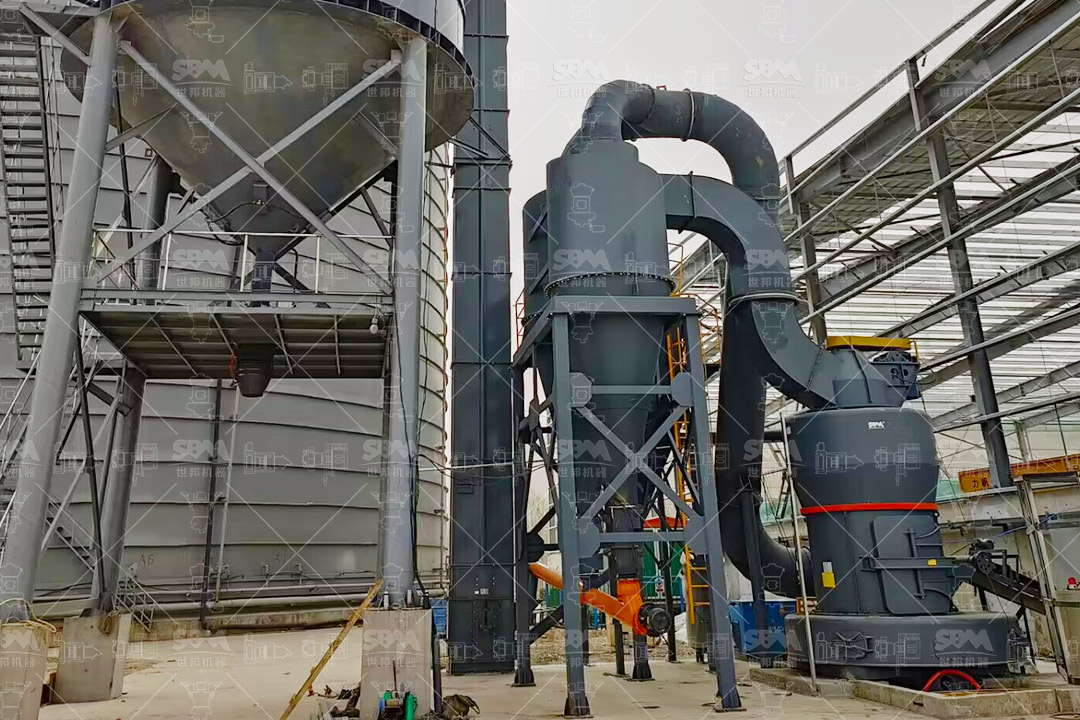
Guizhou Province possesses the geological resources and industrial potential to be a leading global hub for barite production. The strategic path forward involves moving beyond commodity-grade drilling mud to capture greater value through advanced processing. Investment in state-of-the-art grinding technology, such as the MTW Series European Trapezium Mill for high-volume production and the SCM Series Ultrafine Mill for premium markets, is a decisive step in this transition. By coupling superior mineral resources with cutting-edge processing equipment and a commitment to sustainable practices, Guizhou’s barite industry can achieve enhanced profitability, market diversification, and long-term environmental stewardship, solidifying its critical role in both regional development and the global supply chain.