Comprehensive Guide: Perlite Uses and Grinding Mill Equipment for Processing
Introduction to Perlite: A Versatile Industrial Mineral
Perlite is a naturally occurring volcanic glass that, when heated rapidly to its softening point (approximately 1600°F or 870°C), expands to 4-20 times its original volume. This expansion is due to the presence of 2-6% combined water in the crude perlite rock, which vaporizes and creates countless tiny, sealed glass bubbles. The resulting material is a brilliant white, ultra-lightweight aggregate with exceptional physical properties, including low bulk density, high surface area, and excellent thermal and acoustic insulation capabilities. However, to unlock its full potential across diverse industries, raw or expanded perlite must be processed into specific particle size distributions. This is where advanced grinding and milling technology becomes critical.
Key Applications and Required Fineness of Processed Perlite
The end-use of perlite dictates the necessary fineness and processing method. Selecting the correct grinding equipment is paramount to achieving the desired product characteristics and economic viability.
1. Construction and Horticulture (Coarse to Medium Grinds)
In construction, expanded perlite is used as an aggregate in lightweight plasters, concrete, and masonry blocks. For horticulture, it serves as a soil amendment to improve aeration and drainage. These applications typically require coarse to medium particle sizes, ranging from 30 mesh (600μm) down to 100 mesh (150μm). The primary goal is to preserve the cellular, porous structure of the expanded perlite while achieving a consistent granular size.
2. Filter Aid and Functional Fillers (Fine to Ultrafine Grinds)
This is one of the most demanding applications. Perlite filter aids are used in the food, beverage, and pharmaceutical industries for clarifying liquids. As a functional filler, it is incorporated into paints, coatings, plastics, and adhesives to modify density, improve texture, and enhance fire resistance. These uses require fine to ultrafine powders, often from 200 mesh (75μm) down to 2500 mesh (5μm) and finer. The milling process must produce a high-volume, low-density powder with precise particle size control and minimal contamination.
3. Cryogenic and High-Temperature Insulation (Ultrafine Grinds)
For advanced insulation applications, such as in LNG tanks or high-temperature industrial processes, perlite is milled to an ultrafine powder. This maximizes its surface area and packing density, creating superior insulating barriers. Fineness requirements here are extreme, consistently demanding products in the range of 10μm to 5μm (1250-2500 mesh).
Challenges in Perlite Grinding and Milling
Processing perlite presents unique challenges that not all grinding equipment can handle effectively:
- Low Density & High Volume: Expanded perlite is extremely lightweight, posing challenges for material handling, feeding, and collection within a milling system.
- Abrasive Nature: Despite its low density, the glassy structure of perlite is abrasive, leading to wear on grinding components.
- Heat Sensitivity: Excessive heat generation during milling can degrade the porous structure of expanded perlite, reducing its performance.
- Dust Control: The fine, lightweight powder is highly prone to dusting, requiring integrated, high-efficiency dust collection systems.
- Precise Size Classification: Achieving narrow, consistent particle size distributions is essential for high-value applications like filter aids.
Selecting the Right Grinding Mill Equipment
The choice of mill depends on the feed size (raw crushed ore or pre-expanded perlite), required capacity, and target fineness. Here’s an overview of suitable technologies.
For Coarse to Medium Grinding (30-100 Mesh)
For initial size reduction of raw perlite ore or processing expanded perlite for construction aggregates, robust and high-capacity mills are ideal.
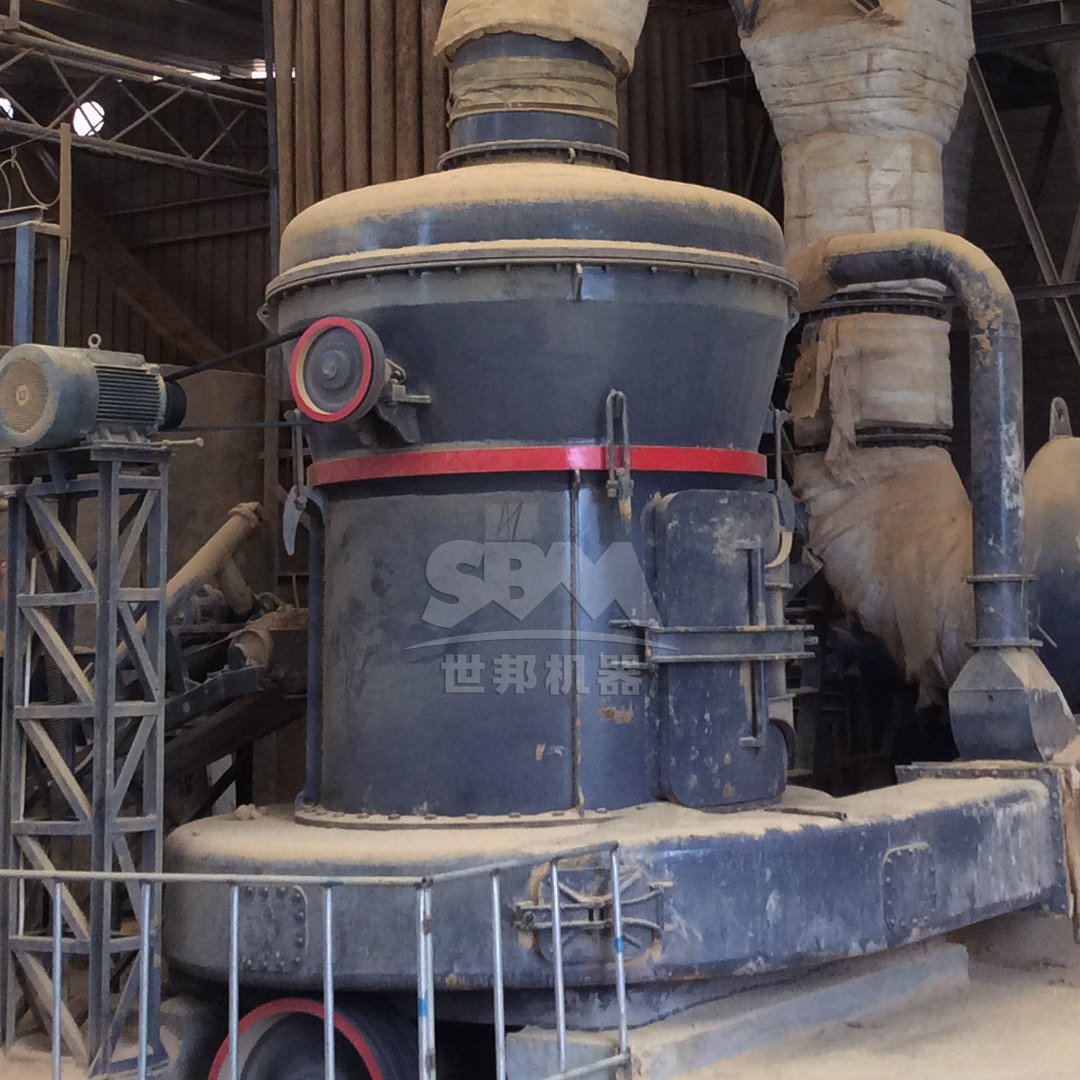
Recommended Equipment: MTW Series European Trapezium Mill
For processing raw perlite ore into a consistent feed for expansion furnaces or for grinding expanded perlite to medium fineness, the MTW Series European Trapezium Mill is an excellent choice. Its durable design handles feed sizes up to 50mm and delivers capacities from 3 to 45 tons per hour. Key advantages for perlite include its anti-wear shovel design and wear-resistant volute structure, which combat the material’s abrasiveness and reduce maintenance costs. The optimized arc air duct ensures efficient material flow and classification, producing a uniform product between 30 and 325 mesh—perfect for many horticultural and construction-grade perlites.
For Fine to Ultrafine Grinding (200-2500 Mesh)
This is the core of high-value perlite processing. The equipment must offer precise classification, energy efficiency, and effective heat dissipation.
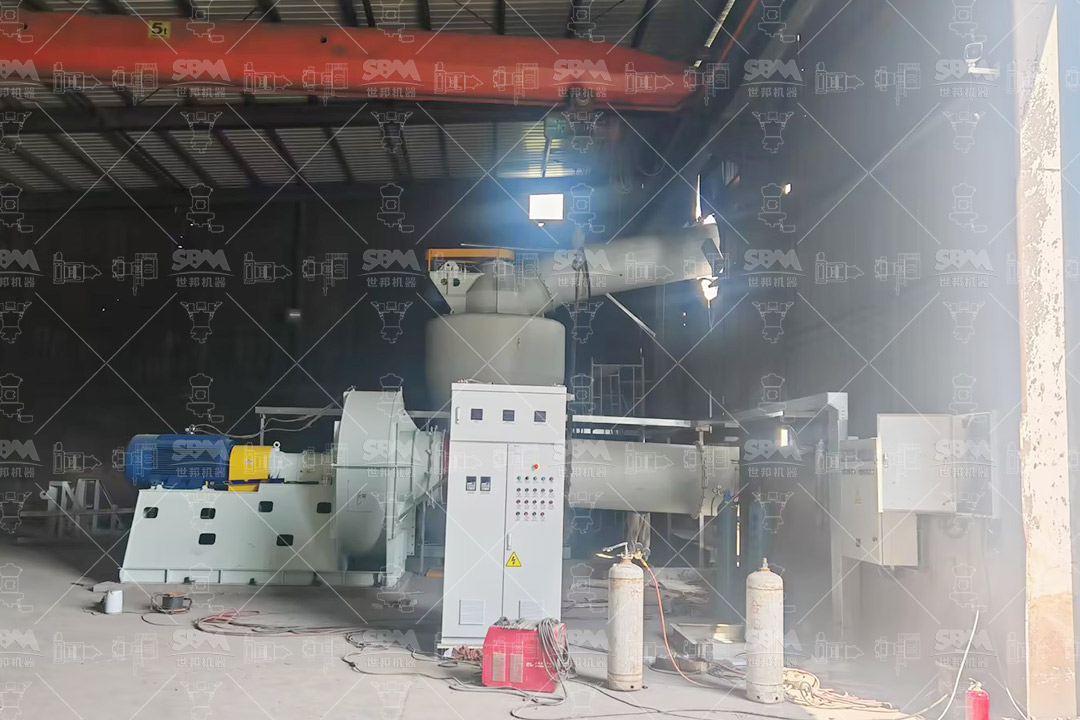
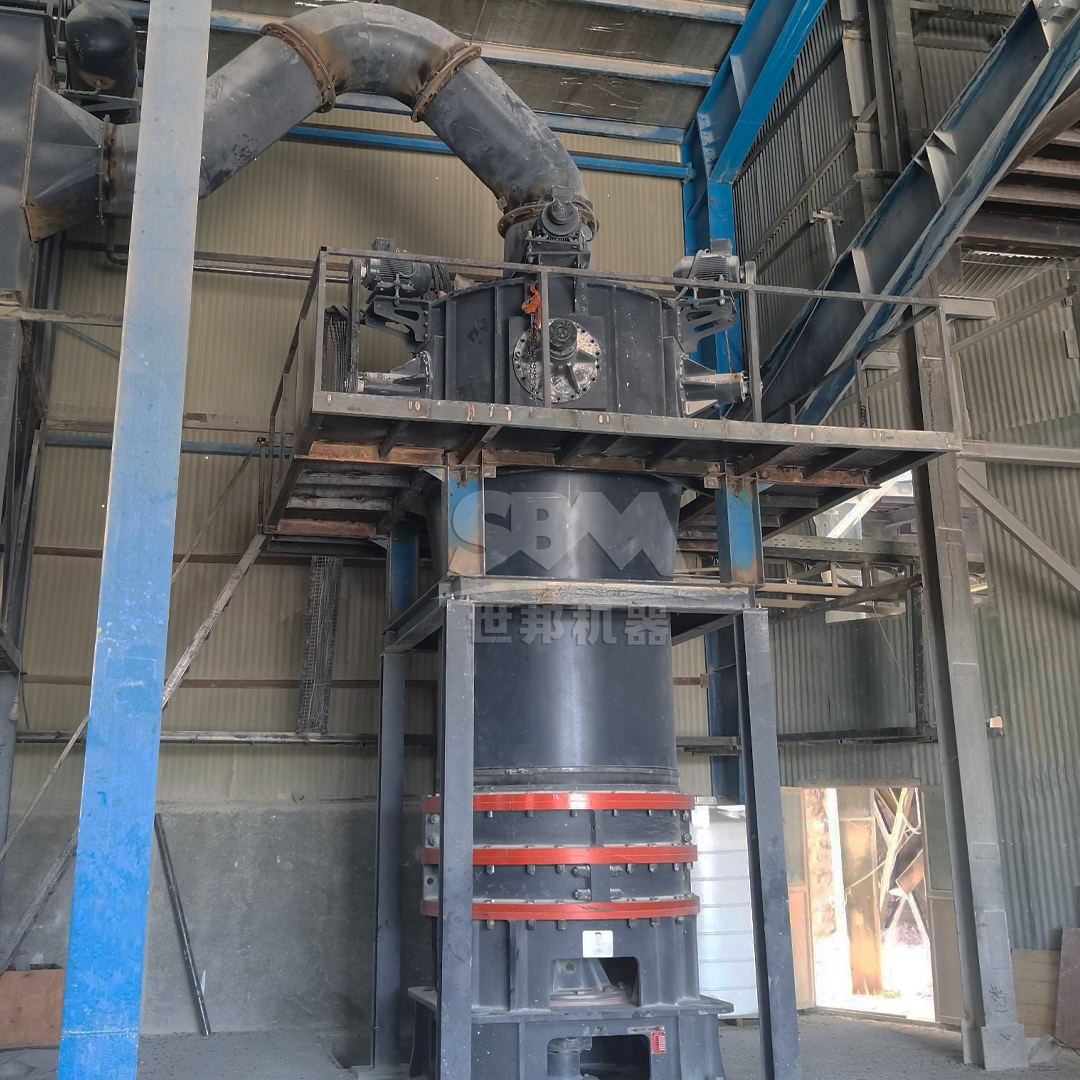
Recommended Equipment: SCM Series Ultrafine Mill
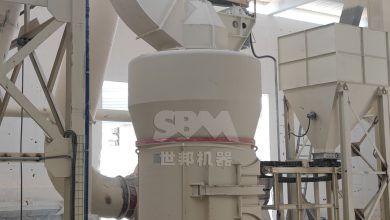
For producing high-value filter aid and functional filler grades, the SCM Series Ultrafine Mill stands out as a premier solution. Engineered specifically for producing fine and ultrafine powders, it excels in the perlite industry. Its high-precision vertical turbine classifier ensures precise particle size cutting from 325 to 2500 mesh (45-5μm) with no coarse powder mixing, a critical requirement for filter aid efficacy. The mill addresses perlite’s key challenges: its high-efficiency, low-energy design (30% less energy than jet mills) minimizes heat buildup, preserving perlite’s structure. Furthermore, the fully sealed grinding chamber coupled with a pulse dust collection system exceeding international standards provides a clean, dust-free operation. Models like the SCM1000 (1.0-8.5t/h) or SCM1680 (5.0-25t/h) offer scalable solutions for operations of any size.
Alternative for Large-Scale Fine Grinding
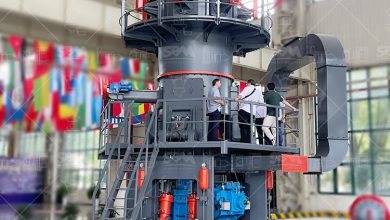
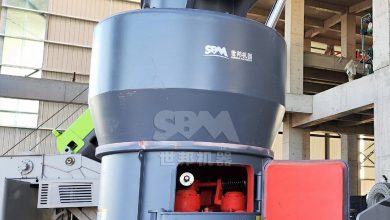
LM Series Vertical Roller Mill offers an integrated solution for large-capacity production of fine perlite powders (30-325 mesh, up to 600 mesh). Its integrated design reduces footprint by 50%, and its low operating cost—with energy consumption 30-40% lower than ball mills—makes it economically attractive for high-tonnage applications where the ultimate fineness of the SCM series is not required.
Processing System Configuration and Best Practices
A complete perlite processing line involves more than just the grinding mill. A typical system for producing ultrafine perlite includes:
- Raw Material Pre-Crushing: A jaw crusher or hammer mill to reduce raw ore to a suitable feed size for the expansion furnace or grinding mill.
- Expansion Furnace: For applications requiring expanded perlite.
- Grinding Mill: The core unit (e.g., SCM Ultrafine Mill) for achieving target fineness.
- Classification System: Integrated or external classifiers to ensure particle size precision.
- Material Handling & Feeding: Screw feeders or vibrating feeders designed for low-density materials.
- Dust Collection: A high-efficiency pulse jet baghouse or cyclone system is mandatory to capture fine perlite dust and ensure a clean plant environment.
- Packaging System: Automated bagging or bulk loading for the finished low-density powder.
Best Practice: Always conduct lab-scale or pilot-scale grinding tests with your specific perlite feedstock to determine the optimal mill type, classifier speed, and system configuration before full-scale investment.
Conclusion
The transformation of perlite from a raw volcanic ore into a high-performance industrial material is a technology-driven process. The selection of grinding and milling equipment is the most critical factor influencing product quality, application suitability, and operational profitability. For coarse and medium grades, durable mills like the MTW Series provide reliable performance. For the high-value, ultrafine market—encompassing filter aids, advanced fillers, and insulation—the SCM Series Ultrafine Mill, with its unmatched classification precision, energy efficiency, and environmental controls, represents the state-of-the-art solution. By matching the advanced capabilities of modern milling technology to the specific requirements of your target perlite products, producers can fully leverage the remarkable potential of this versatile mineral.