Complete Coal Gangue Deep Processing Plant: 3-100 TPH Production Line Design & Equipment
Introduction: Unlocking the Value of Coal Gangue
Coal gangue, a solid waste generated during coal mining and washing, has long been a significant environmental and economic challenge. However, with advanced processing technologies, this industrial byproduct can be transformed into high-value materials for construction, ceramics, agriculture, and chemical industries. A complete deep processing plant is the key to achieving this transformation efficiently and profitably. This article outlines a comprehensive design for a 3 to 100 Tons Per Hour (TPH) coal gangue processing line, detailing the core processes and equipment selection to maximize resource utilization and return on investment.
1. Process Flow Design for Coal Gangue Deep Processing
The primary goal is to convert raw coal gangue into fine or ultrafine powders with controlled particle size distribution. A typical deep processing line involves several key stages:
- Pre-Crushing & Screening: Raw gangue with variable size (often up to 300mm) is first reduced to a uniform, smaller size (typically below 30-50mm) using a jaw crusher or hammer crusher. Screening removes overly fine materials or impurities.
- Drying (Optional): If the gangue moisture content is high (>15%), a rotary dryer may be integrated to ensure efficient subsequent grinding.
- Primary & Secondary Grinding: This is the core stage where the pre-crushed material is ground to the target fineness. The choice of grinding mill is critical and depends on the required final product size and capacity.
- Classification & Collection: Ground powder is air-classified to separate合格细粉 from coarse particles. The fine product is collected by cyclone separators and baghouse dust collectors, ensuring high recovery and clean emissions.
- Packing & Storage: The final product is conveyed to silos and packaged for shipment.
2. Key Equipment Selection for 3-100 TPH Lines
Selecting the right equipment is paramount for operational efficiency, product quality, and cost control. The grinding system forms the heart of the plant.
2.1 For Coarse to Medium Fine Powder (30-325 mesh / 600-45μm)
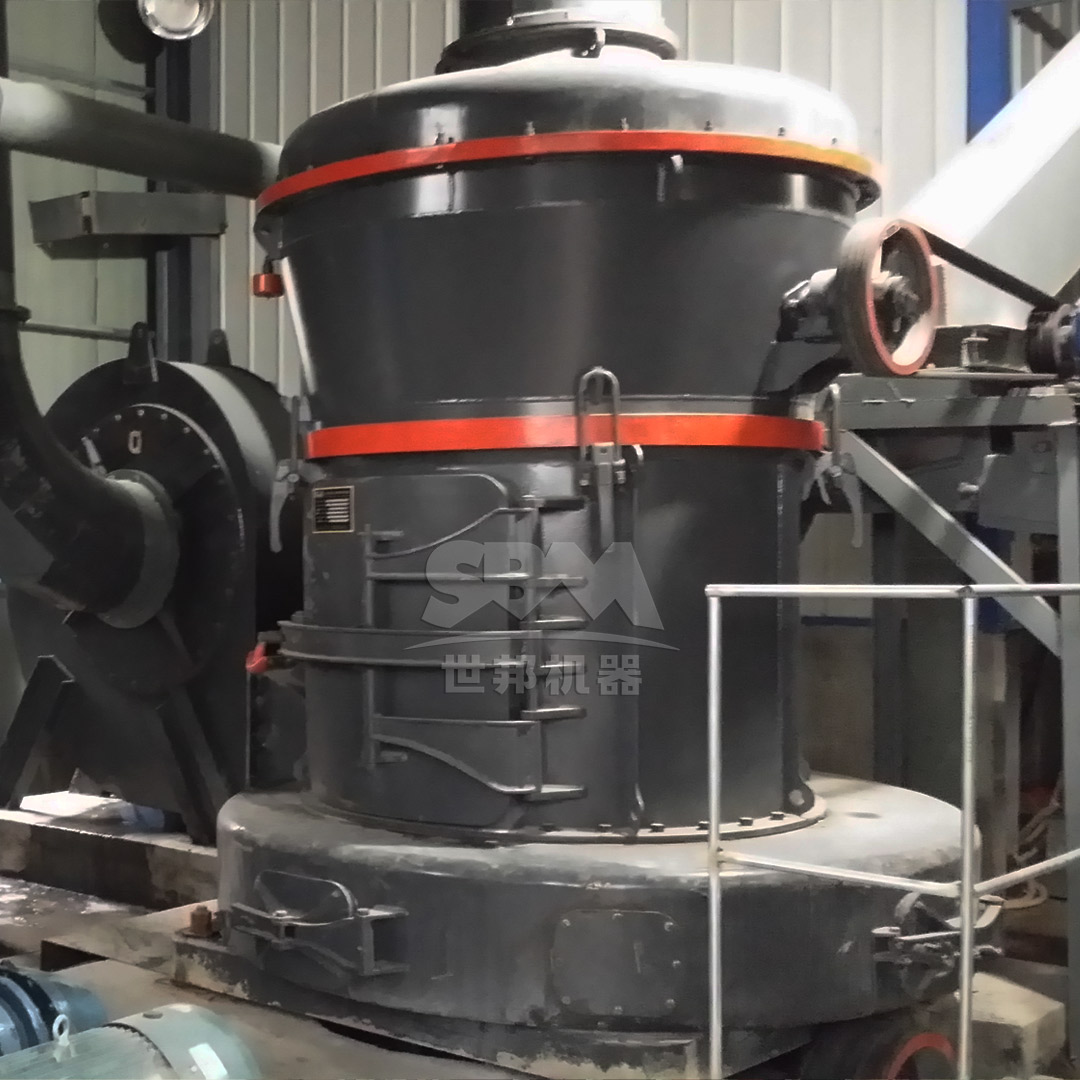
When the target product is used for building materials like cement additives, sintered bricks, or lightweight aggregates, a fineness of 30-325 mesh is often sufficient. For such applications in the 10-100 TPH range, the MTW Series Trapezium Mill is an outstanding choice.
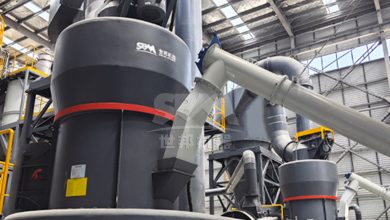
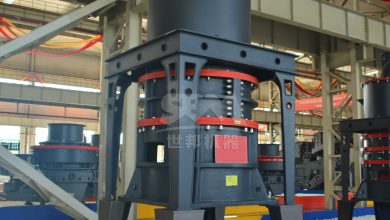
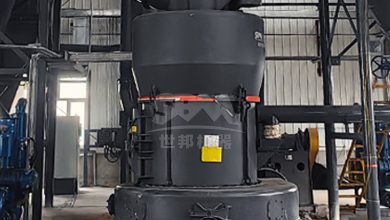
Our MTW Series Mill excels in this segment due to its robust design and high efficiency. Its curved air duct reduces flow resistance, and the integral transmission with bevel gear ensures stable operation with up to 98% transmission efficiency. With models like the MTW215G offering capacities up to 45 TPH (handling feed sizes up to 50mm), it perfectly covers the mid-to-high capacity requirements of gangue processing for construction applications. Its wear-resistant components, like the combined shovel blade, significantly reduce long-term maintenance costs.
2.2 For Ultrafine and High-Value Powder (325-2500 mesh / 45-5μm)
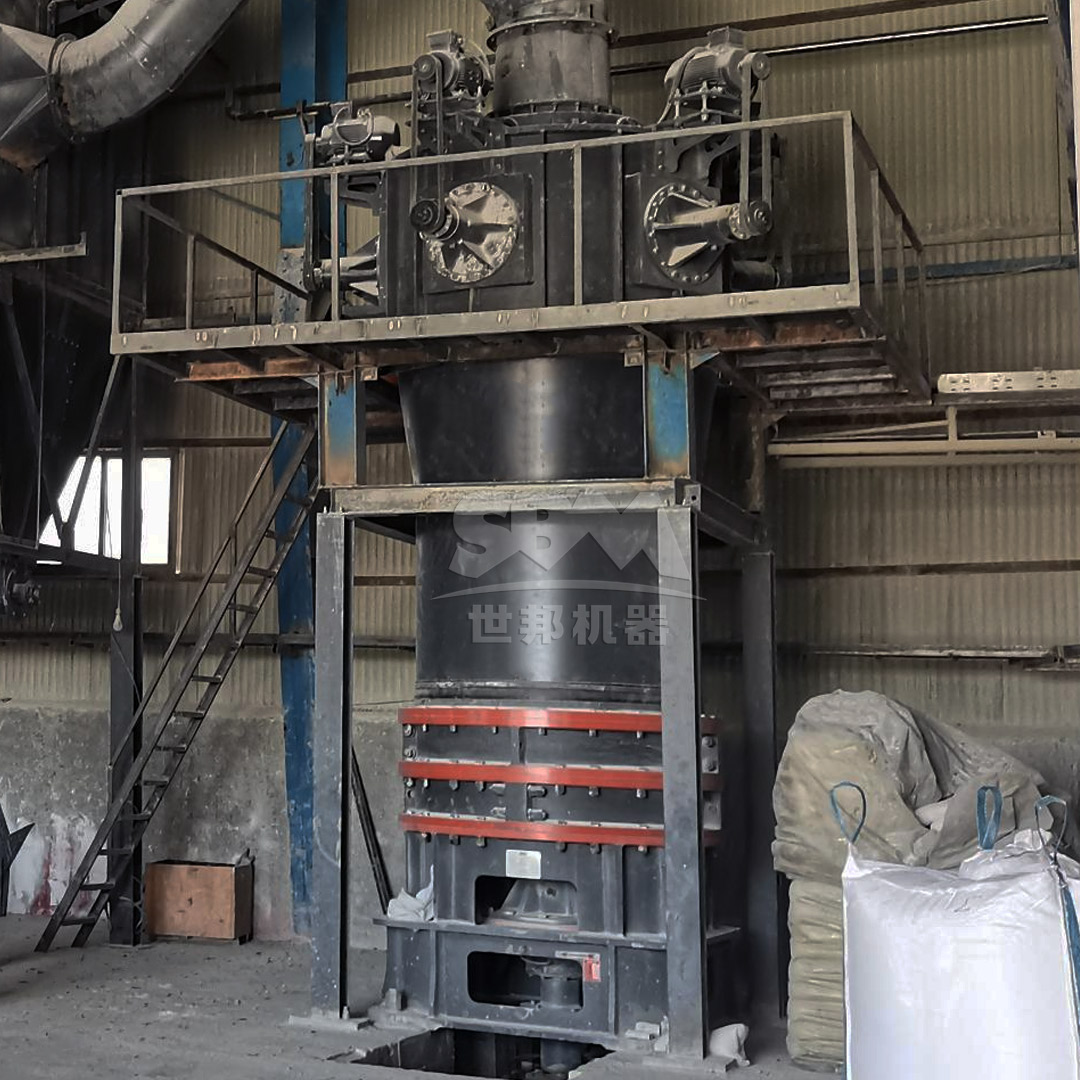
To produce high-value fillers for plastics, rubber, or advanced ceramics, ultrafine grinding below 45μm (325 mesh) is necessary. This requires specialized technology to achieve fine particle size with narrow distribution and low energy consumption. For this demanding application, we highly recommend our flagship SCM Series Ultrafine Mill.
The SCM Ultrafine Mill is engineered for precision and efficiency. Its vertical turbine classifier enables precise particle size cuts, ensuring a uniform product without coarse grain contamination. Compared to traditional jet mills, it offers double the capacity while reducing energy consumption by 30%. Models like the SCM1680 can process 5-25 tons per hour down to D97 ≤ 5μm, making it ideal for establishing high-end gangue processing lines with capacities from 3 TPH upwards. Its durable grinding rollers and rings, coupled with a pulse dust collection system exceeding international standards, guarantee reliable and environmentally friendly operation.
3. Tailored Production Line Configurations
Based on capacity and product goals, here are two exemplary configurations:
Configuration A: 10-15 TPH Line for Construction Material Powder
- Raw Feed: Coal gangue, ≤300mm, moisture <12%
- Target Product: 200 mesh (D90)
- Key Equipment:
- Jaw Crusher (for primary crushing to ≤50mm)
- MTW175G Trapezium Mill (Capacity: 9.5-25 TPH, Final fineness: 200 mesh)
- Pulse Dust Collector & Packing Machine
Configuration B: 3-5 TPH Line for High-Grade Ultrafine Filler
- Raw Feed: Pre-crushed coal gangue, ≤20mm, moisture <8%
- Target Product: 1250 mesh (D97 ≤ 10μm)
- Key Equipment:
- Hammer Crusher & Vibrating Screen (for preparation to ≤20mm)
- SCM1000 Ultrafine Mill (Capacity: 1.0-8.5 TPH, Final fineness: 325-2500 mesh)
- Precision Classifier, High-Efficiency Cyclone, and Ultra-clean Pulse Dust Collector
4. Economic and Environmental Benefits
A well-designed gangue processing plant delivers substantial benefits:
- Waste Valorization: Converts liability (waste disposal costs) into an asset (saleable product).
- Land Conservation: Reduces the need for large gangue stockpiling areas.
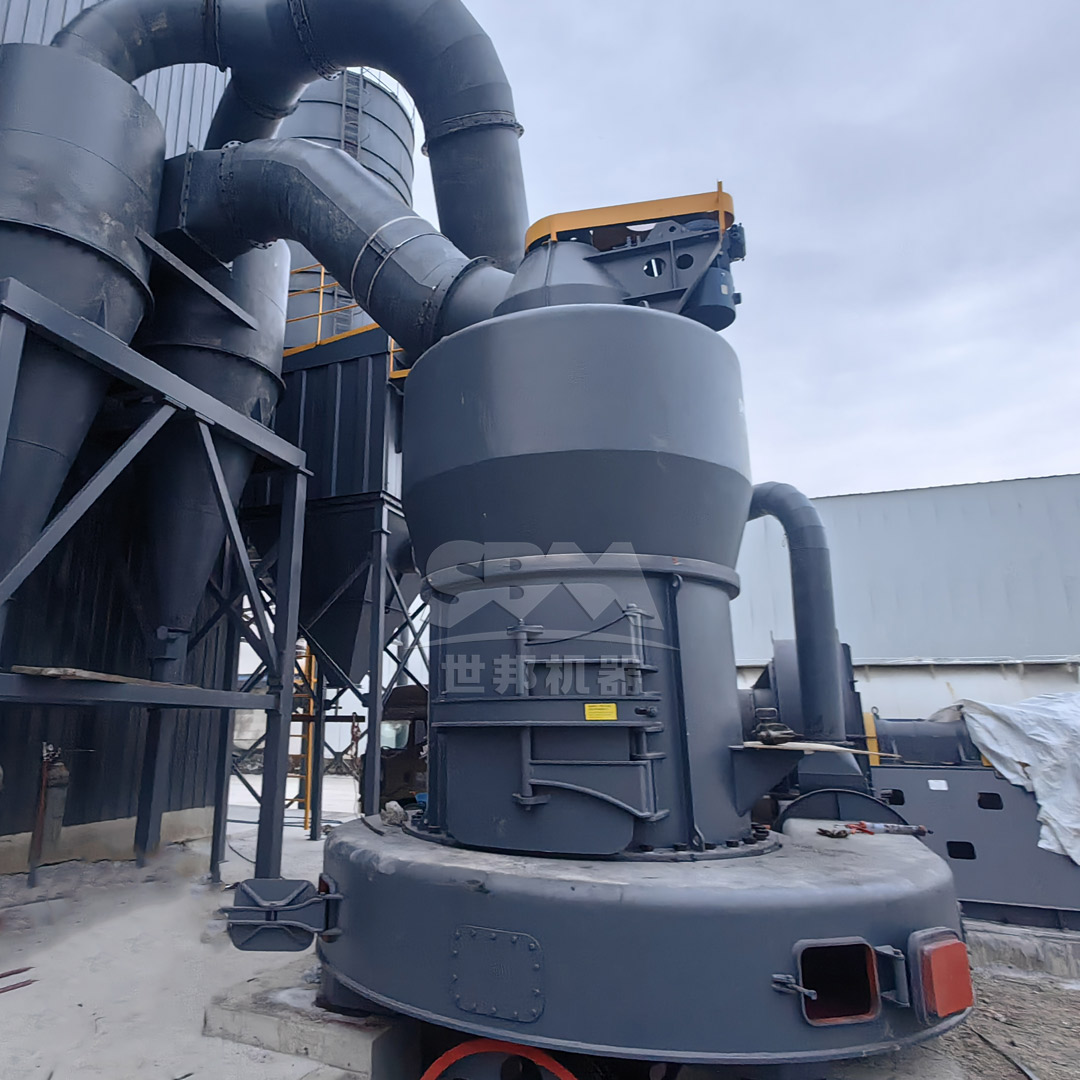
- Pollution Control: Modern mills like the SCM and MTW series operate under full negative pressure with advanced dust collection, ensuring dust emissions are well below 20mg/m³.
- Energy Efficiency: Contemporary grinding systems (e.g., vertical mills, trapezium mills) are far more energy-efficient than old ball mill systems, significantly lowering operational costs.
5. Conclusion: Partnering for a Sustainable Future
Investing in a complete coal gangue deep processing plant from 3 to 100 TPH is a strategic move towards sustainable and profitable resource management. Success hinges on a scientifically designed process flow and, most importantly, the selection of high-performance, reliable core equipment. Our SCM Ultrafine Mill and MTW Series Trapezium Mill represent cutting-edge solutions tailored for the specific challenges of gangue processing across different fineness and capacity spectra. By leveraging such technology, operators can achieve superior product quality, high throughput, low operating costs, and compliance with stringent environmental standards, turning coal gangue from a waste problem into a cornerstone of a circular economy.