Comparison of Titanium Dioxide Grinding and Milling Processes: Jet Mill vs. Ball Mill
Introduction
The production of high-quality titanium dioxide (TiO₂) pigment is critically dependent on achieving precise particle size distribution, high purity, and optimal surface properties. The final grinding and milling stage is paramount in determining these characteristics. Among the various size reduction technologies, Jet Mills (Fluid Energy Mills) and Ball Mills represent two fundamentally different approaches, each with distinct advantages and limitations. This article provides a detailed technical comparison of these processes for TiO₂ applications, analyzing their principles, operational parameters, and suitability for different product grades. Furthermore, we will explore advanced alternatives that bridge the performance gap between these traditional methods.
Fundamental Principles and Mechanisms
Jet Milling (Fluid Energy Milling)
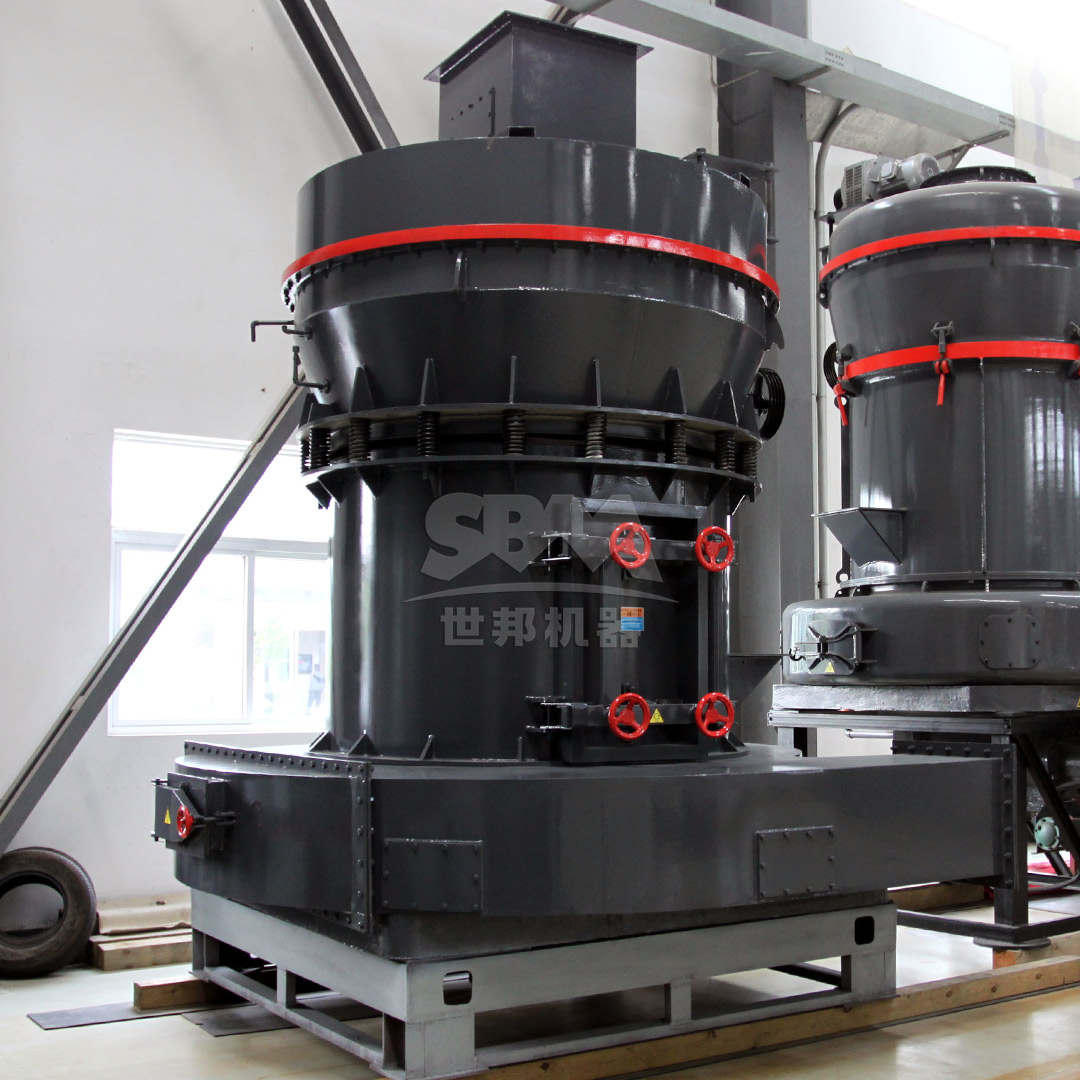
Jet milling is a size reduction technique that utilizes the energy of compressed gas (typically air, nitrogen, or superheated steam) to achieve particle comminution through inter-particle collision and attrition. The process involves accelerating particles at high velocities into a grinding chamber where they collide with each other. The defining feature is the absence of moving mechanical parts or grinding media within the milling zone.
Key Process Characteristics:
- Mechanism: Primarily based on particle-on-particle impact and attrition.
- Energy Source: Kinetic energy from high-velocity gas streams.
- Classification: Integrated dynamic air classification; fines are carried out by the gas stream while coarse particles are retained for further grinding.
- Cooling Effect: The expanding gas provides an inherent cooling effect, which is crucial for heat-sensitive materials.
Ball Milling
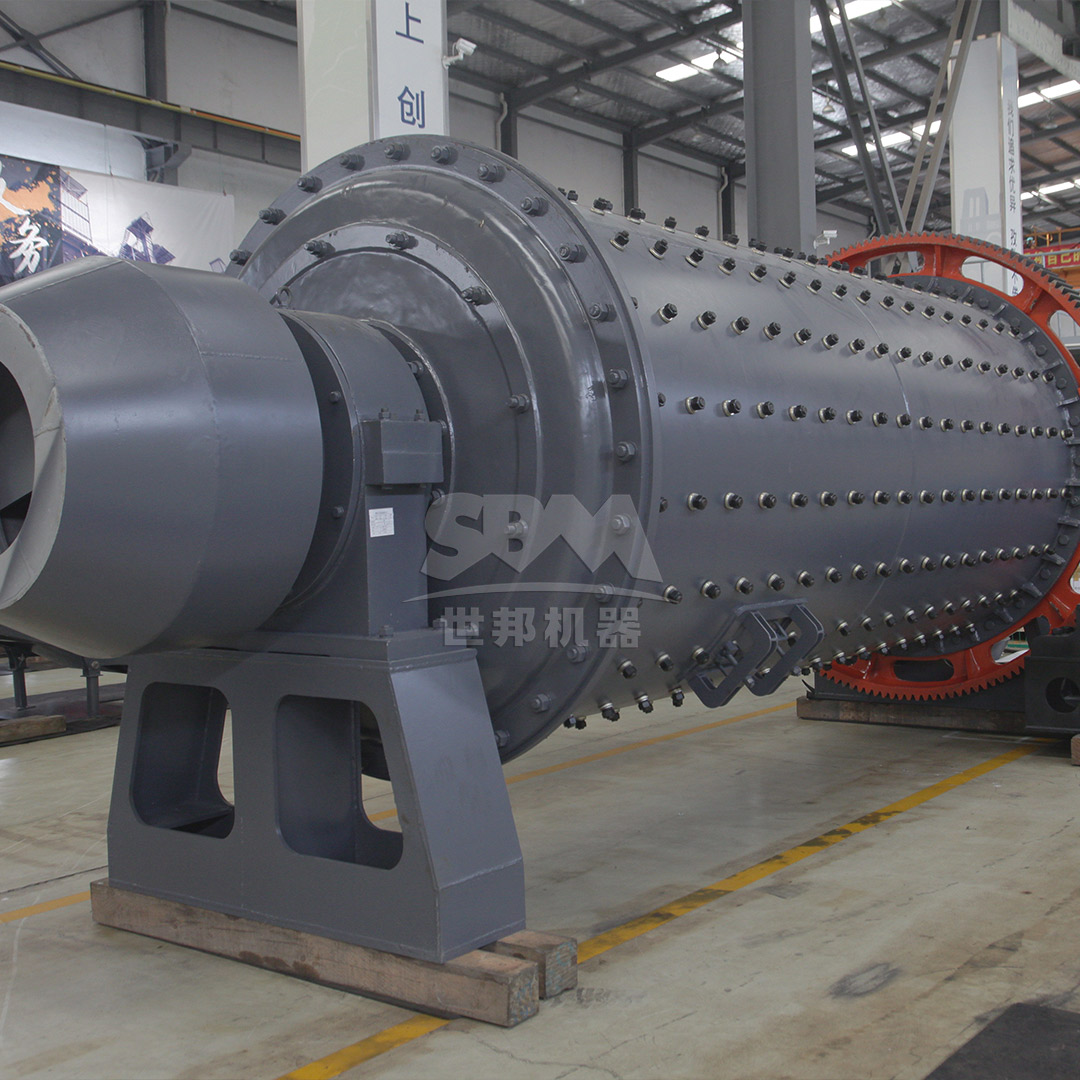
Ball milling is a mechanical comminution process where a cylindrical shell, partially filled with grinding media (balls, typically made of steel, ceramic, or other alloys), rotates around its horizontal axis. The tumbling action of the balls imparts impact and shear forces on the material, resulting in size reduction.
Key Process Characteristics:
- Mechanism: Combination of impact (from falling balls) and attrition (from rolling/sliding balls).
- Energy Source: Mechanical rotation of the mill drum.
- Classification: Generally, it is a batch or continuous process without internal classification; product size is controlled by milling time, ball size, and feed rate. External classifiers (e.g., air separators) are often used in closed-circuit systems.
- Heat Generation: Significant heat can be generated due to friction and impact, often requiring external cooling systems.
Comparative Analysis for Titanium Dioxide Processing
| Parameter | Jet Mill | Ball Mill |
|---|---|---|
| Particle Size Range (Final Product) | Excellent for ultrafine powders (typically 1-30 µm, D97 down to 5µm or less). Ideal for high-end pigment grades requiring sub-micron particles. | Best suited for fine to medium-fine powders (45-250 µm / 325-60 mesh). Achieving consistent ultrafine grades (<10µm) is challenging and inefficient. |
| Particle Size Distribution (PSD) | Very narrow PSD due to integrated classification. Produces uniform, spherical particles beneficial for opacity and dispersion. | Broader PSD. Can lead to wider variation in pigment properties unless coupled with highly efficient external classifiers. |
| Contamination Risk | Extremely low. No grinding media, minimizing metallic contamination. Critical for high-purity chloride-process TiO₂. | High. Wear of balls and liner introduces iron and other metallic contaminants, requiring downstream magnetic separation and potentially affecting whiteness. |
| Heat-Sensitive Processing | Inherently cool process due to gas expansion (Joule-Thomson effect). Suitable for materials where crystal structure or surface treatment must be preserved. | Generates substantial heat. Requires cooling jackets or intermittent operation to prevent degradation of organic treatments or crystal phase changes (e.g., from rutile to anatase). |
| Energy Efficiency | Generally lower energy efficiency for coarse grinding. Efficiency improves at very fine sizes. High energy cost associated with gas compression. | Relatively efficient for coarse to medium-fine grinding. Energy efficiency drops exponentially when targeting ultrafine sizes (<10 µm). |
| Operational & Maintenance Costs | Lower maintenance (no moving parts in grind zone). Higher operational cost from gas consumption and compressor upkeep. | Higher maintenance costs (media replacement, liner wear, bearing maintenance). Lower direct energy cost per ton for non-ultrafine grinding. |
| Product Morphology | Tends to produce more spherical, smooth particles with fewer surface defects, enhancing dispersibility and gloss in applications. | Can produce irregular, angular particles with more surface defects, which may affect packing density and dispersion stability. |
Industry Application Scenarios
- Jet Mill Preferred: High-end coatings, plastics, and specialty paper requiring maximum opacity, gloss, and durability. Chloride-process TiO₂ where iron contamination is unacceptable. Production of ultrafine and nano-grade TiO₂ for catalytic or cosmetic applications.
- Ball Mill Preferred: Lower-grade pigment for construction materials (e.g., paints, sealants) where extreme fineness is not critical. Often used in the initial or intermediate grinding stages before final processing. Sulfate-process TiO₂ where cost is a primary driver and some contamination is tolerable.
Bridging the Gap: Advanced Grinding Solutions
While the jet mill vs. ball mill debate highlights a trade-off between purity/fineness and cost/capacity, modern grinding technology offers solutions that effectively bridge this gap. For TiO₂ producers seeking to move beyond the limitations of traditional ball mills towards jet mill quality without incurring prohibitive energy costs, advanced vertical roller mills present an optimal pathway.
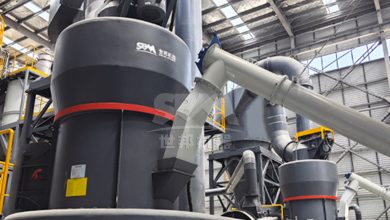
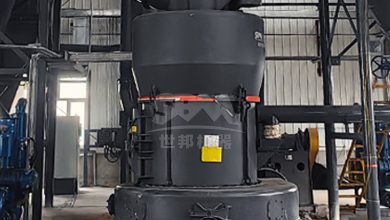
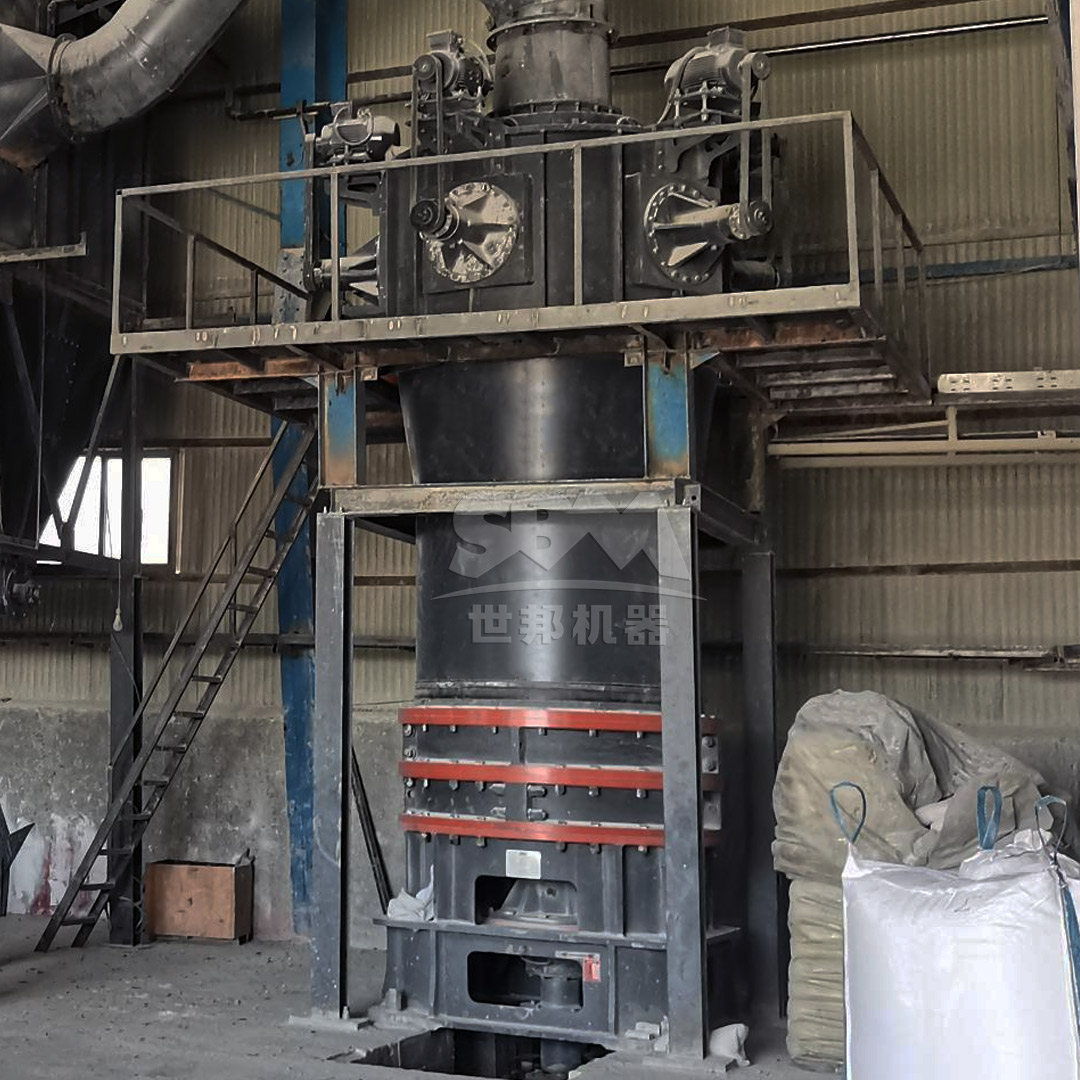
Our SCM Series Ultrafine Mill is engineered specifically for this challenge. It operates on a layered grinding principle with a vertical turbine classifier, combining mechanical grinding efficiency with precise air classification. For TiO₂ processing, it delivers a fineness range of 325-2500 mesh (D97 ≤ 5µm), directly competing with jet mill outputs. Crucially, it achieves this with energy consumption reported to be 30% lower than comparable jet mill systems and double the capacity. Its special-material grinding rollers and rings minimize wear-induced contamination, while the fully enclosed, negative-pressure system ensures an environmentally clean operation with dust emissions and noise well below international standards. Models like the SCM1250 (2.5-14 t/h, 185 kW) offer a compelling balance of high throughput and exceptional product quality for modern TiO₂ pigment lines.
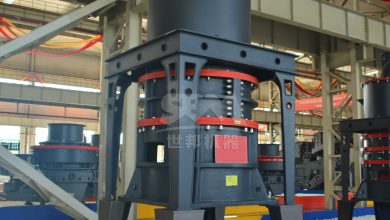
For operations requiring high-capacity pre-grinding or the production of coarser TiO₂ grades (e.g., 30-325 mesh), our MTW Series Trapezium Mill represents a significant evolution from traditional ball milling. Its curved air duct and conical gear integral transmission achieve a 98% drive efficiency, reducing energy loss. The combined shovel blade design and wear-resistant volute structure lower maintenance costs by an estimated 30% compared to conventional systems, directly addressing a key weakness of ball mills. With capacities ranging from 3 to 45 tons per hour across its model range, such as the high-output MTW215G, it provides a robust, efficient, and cleaner solution for the intermediate size reduction stages in TiO₂ production.
Conclusion and Recommendations
The choice between jet milling and ball milling for titanium dioxide is not merely a selection of equipment but a strategic decision influencing product portfolio, quality consistency, and operational economics. Jet mills excel in producing ultra-pure, ultrafine, and narrowly distributed particles essential for premium applications but at a higher operational cost. Ball mills offer cost-effective capacity for finer to medium-fine grinding but introduce contamination risks and are inefficient for ultrafine targets.
The evolving landscape of powder technology, however, offers a third way. Advanced mechanical mills, such as our SCM Ultrafine Mill and MTW Trapezium Mill, incorporate precision classification and wear-resistant designs to deliver product quality approaching that of jet mills, with the energy efficiency and operational robustness closer to optimized mechanical systems. For TiO₂ manufacturers aiming to upgrade their product quality, reduce contamination, and improve overall process sustainability, investing in these next-generation grinding solutions represents a forward-looking strategy to capture value in both standard and high-performance market segments.