Comparison of Calcite Vertical Mill and Ball Mill Parameters for Optimal Selection
Introduction
The selection of appropriate grinding equipment is crucial for optimizing calcite processing operations. Two primary technologies dominate this field: vertical roller mills and traditional ball mills. This comprehensive analysis compares their technical parameters, operational characteristics, and economic viability to guide optimal equipment selection for calcite processing applications.
Fundamental Operating Principles
Vertical Roller Mill Technology
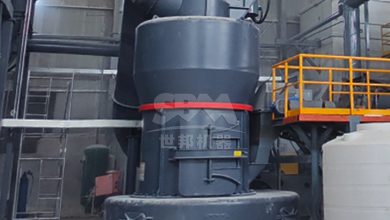
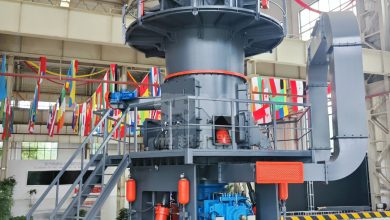
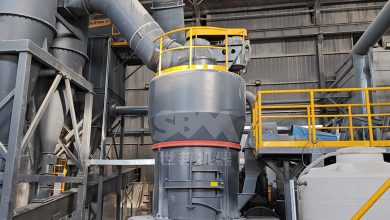
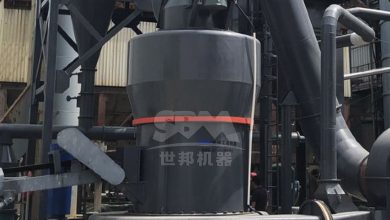
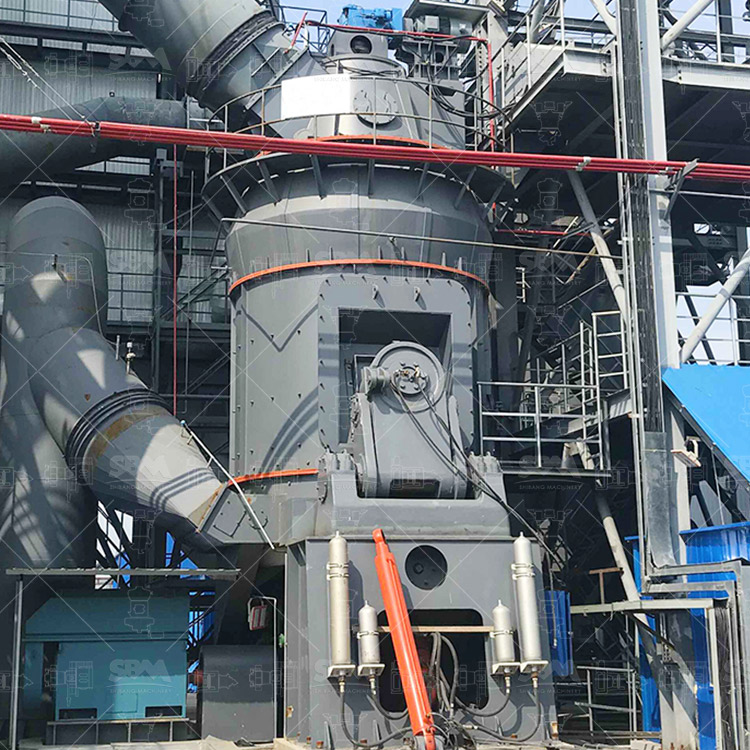
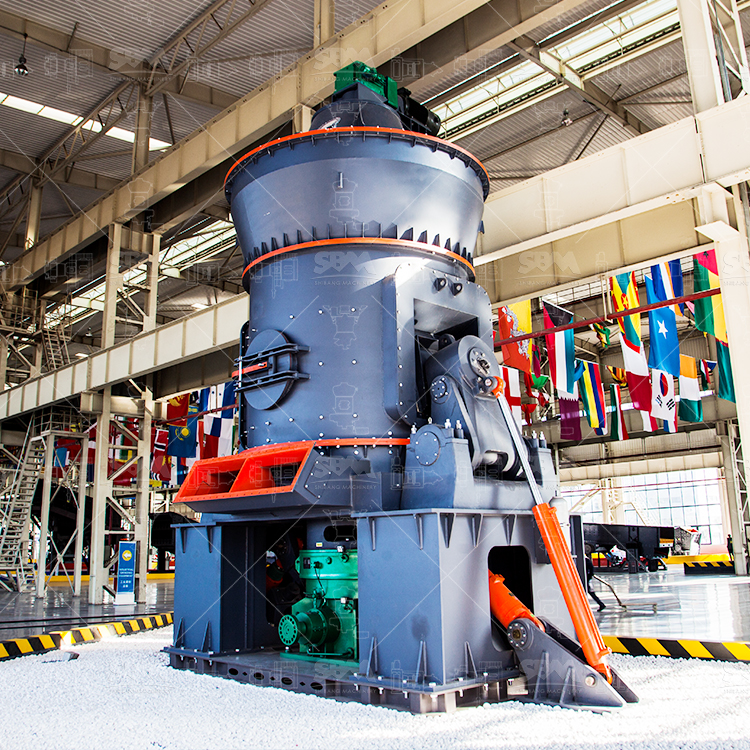
Vertical roller mills employ a bed compression grinding mechanism where material is ground between a rotating table and stationary rollers. The ground material is subsequently transported by air to a dynamic classifier for size separation. This integrated approach combines grinding, drying, and classification within a single compact unit, resulting in significant space savings and operational efficiency.
Ball Mill Technology
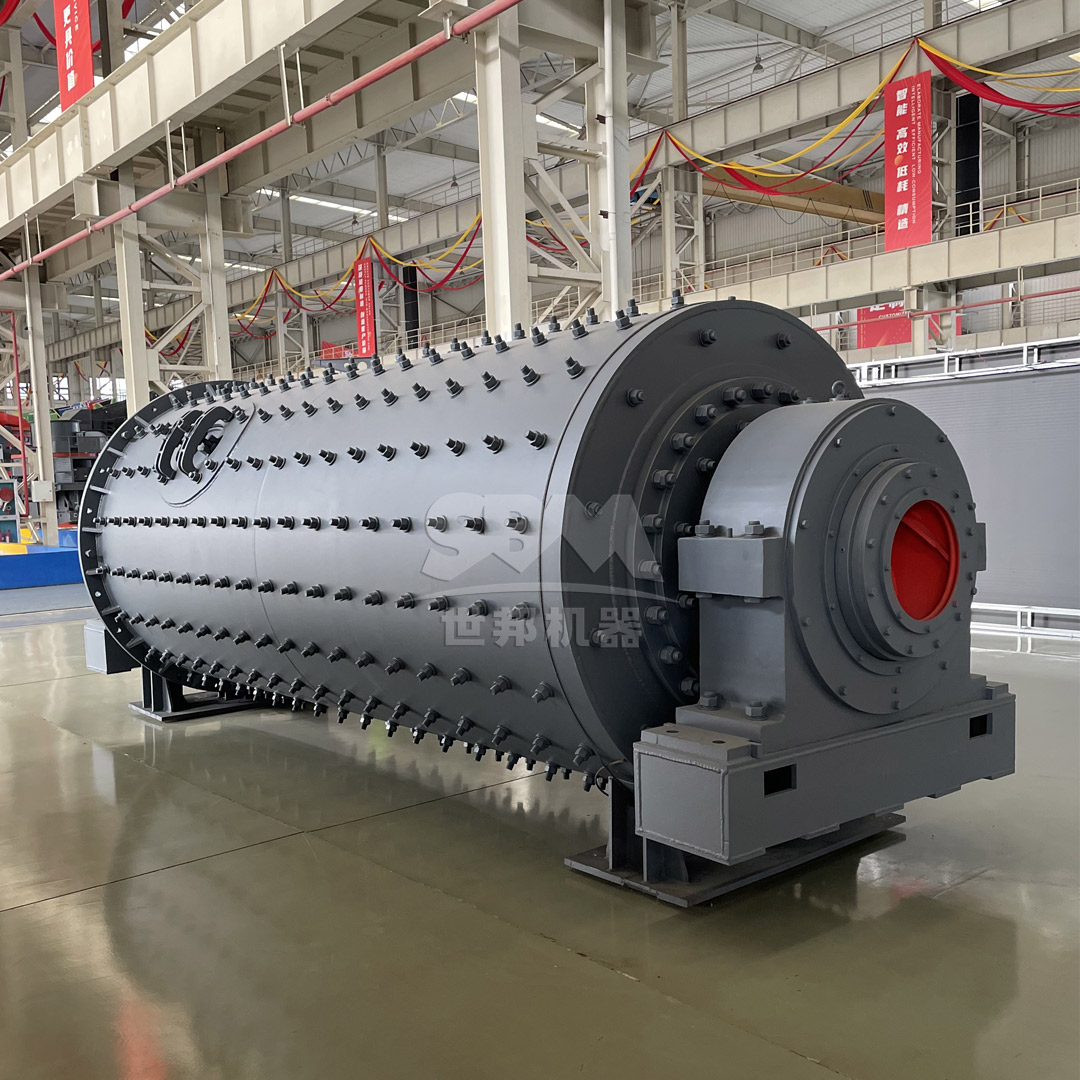
Ball mills operate on the impact and attrition principle, where material is ground by the collision between falling grinding media (balls) and the material itself. The grinding occurs within a rotating cylindrical shell partially filled with grinding balls. This technology represents a mature, well-understood approach to particle size reduction, though with inherent limitations in energy efficiency.
Technical Parameter Comparison
Particle Size Distribution Capabilities
Vertical mills demonstrate superior performance in producing fine and ultra-fine calcite powders. Modern vertical mills can achieve product fineness ranging from 45μm to 5μm (D97), with specialized models capable of reaching 2500 mesh. This makes them particularly suitable for high-value applications requiring precise particle size control.
Ball mills typically produce coarser products in the range of 0.074-0.8mm, making them better suited for applications where ultra-fine grinding is not required. The particle size distribution from ball mills tends to be broader compared to the tightly controlled distributions achievable with vertical mills.
Energy Consumption Analysis
Energy efficiency represents one of the most significant differentiators between these technologies. Vertical roller mills typically consume 30-50% less energy than equivalent ball mill systems for the same grinding duty. This substantial reduction stems from several factors:
- Efficient bed compression grinding mechanism
- Integrated drying capability using waste heat
- Advanced classification systems reducing overgrinding
- Lower rotational speeds reducing mechanical losses
Ball mills, while reliable, suffer from relatively low energy utilization efficiency, with only 1-3% of input energy actually contributing to particle size reduction.
Operational Considerations
Maintenance Requirements
Vertical mills feature more complex mechanical designs but offer superior wear part accessibility. Modern vertical mills incorporate quick-change systems for grinding elements, significantly reducing maintenance downtime. The wear rate in vertical mills is generally more predictable and manageable compared to ball mills.
Ball mills require regular monitoring of liner and grinding media condition. While individual components may be simpler, the cumulative maintenance burden can be higher due to the frequency of media addition and liner replacement.
Process Flexibility and Control
Vertical mills offer superior process control through integrated automation systems. Modern vertical mills feature advanced control algorithms that maintain consistent product quality despite variations in feed material characteristics. The ability to quickly adjust operational parameters makes vertical mills highly responsive to changing production requirements.
Ball mills, while less sophisticated in control capabilities, offer robustness and tolerance to variations in feed size and hardness. Their simpler operation makes them suitable for applications where advanced process control is not economically justified.
Recommended Solutions for Calcite Processing
SCM Ultrafine Mill for High-Value Applications
For operations requiring ultra-fine calcite powders, our SCM Ultrafine Mill represents the optimal solution. This advanced vertical mill system delivers exceptional performance with output fineness ranging from 325 to 2500 mesh (D97 ≤ 5μm). The mill’s intelligent control system automatically maintains target particle size distribution through continuous feedback mechanisms.
Key advantages for calcite processing include:
- High-precision vertical turbine classification ensuring uniform product quality
- Special wear-resistant materials extending operational life in abrasive applications
- Energy consumption reduced by 30% compared to conventional systems
- Comprehensive environmental compliance with noise levels ≤75dB and advanced dust collection
The SCM series offers multiple configurations from the SCM800 (0.5-4.5 ton/h) to the high-capacity SCM1680 (5.0-25 ton/h), ensuring an appropriate solution for any production requirement.
LM Vertical Roller Mill for Large-Scale Operations
For high-volume calcite processing, our LM Series Vertical Roller Mill provides unmatched efficiency and reliability. This robust system handles feed sizes up to 50mm and delivers products in the 30-325 mesh range, with special configurations achieving 600 mesh. The integrated design reduces footprint by 50% compared to equivalent ball mill systems.
Notable features include:
- Non-contact grinding element design tripling wear part lifespan
- Expert automation system supporting remote operation and monitoring
- Energy savings of 30-40% versus ball mill systems
- Full negative pressure operation ensuring dust emissions <20mg/m³
With capacity ranging from 3 to 250 tons per hour across various configurations, the LM series accommodates the broadest spectrum of calcite processing requirements.
Economic Analysis
Capital Investment Considerations
Vertical mills typically require higher initial investment compared to equivalent capacity ball mills. However, this premium is frequently justified through operational savings. The compact footprint of vertical mills also reduces civil construction costs, particularly for greenfield projects.
Ball mills represent a lower-risk capital investment with well-understood installation and commissioning requirements. Their mechanical simplicity translates to predictable implementation timelines and costs.
Total Cost of Ownership
When evaluating total ownership costs, vertical mills consistently demonstrate superior economics for calcite processing. The combination of reduced energy consumption, lower maintenance requirements, and higher availability typically results in payback periods of 12-24 months compared to ball mill alternatives.
Environmental Performance
Modern vertical mills incorporate comprehensive environmental protection features including advanced pulse-jet dust collection systems, sound insulation enclosures, and fully enclosed negative pressure operation. These systems typically achieve noise levels below 80dB and dust emissions under 20mg/m³, exceeding international environmental standards.
Ball mills, while improvable with ancillary equipment, inherently generate higher noise levels and present greater challenges in dust containment due to their open-circuit configurations and mechanical complexity.
Selection Guidelines
When to Choose Vertical Roller Mills
Vertical mills represent the optimal choice when:
- Production requires fine to ultra-fine calcite powders (below 325 mesh)
- Energy efficiency is a primary operational concern
- Space constraints limit equipment footprint
- Integrated drying of moist feed materials is required
- Advanced process control and automation are desired
When Ball Mills Remain Appropriate
Ball mills maintain relevance in specific scenarios:
- Operations requiring coarse to medium-fine products (above 200 mesh)
- Applications with highly variable feed material characteristics
- Operations with limited technical support capabilities
- Retrofit projects where existing infrastructure favors ball mill installation
Conclusion
The selection between vertical roller mills and ball mills for calcite processing requires careful consideration of technical requirements, operational constraints, and economic objectives. For the majority of modern calcite processing applications, vertical roller mills offer compelling advantages in energy efficiency, product quality control, and operational flexibility.
Our SCM Ultrafine Mill and LM Vertical Roller Mill series provide comprehensive solutions spanning the complete spectrum of calcite processing requirements. These technologies incorporate the latest advancements in grinding technology, delivering exceptional performance while minimizing environmental impact and total cost of ownership.
Prospective users should conduct thorough technical and economic evaluations specific to their operational context, considering both immediate requirements and long-term strategic objectives. In most cases, the superior efficiency and capabilities of modern vertical mill technology will justify the initial investment premium through enhanced operational performance and reduced lifetime costs.