Coal-based Kaolin Powder Processing Plant Equipment and Market Development Prospects
Introduction to Coal-based Kaolin
Coal-based kaolin, also known as coal measure kaolin, is a valuable industrial mineral derived from coal seams and associated strata. This unique form of kaolin has gained significant attention in recent years due to its excellent properties and wide-ranging applications across multiple industries. The processing of coal-based kaolin requires specialized equipment to transform raw material into high-value products meeting various industrial specifications.
The global market for kaolin continues to expand, with coal-based variants offering competitive advantages in terms of availability, processing characteristics, and end-product performance. This article examines the essential equipment requirements for coal-based kaolin processing plants and analyzes the market development prospects for this promising industrial mineral.
Processing Technology and Equipment Requirements
Raw Material Preparation
The initial stage of coal-based kaolin processing involves crushing and preliminary size reduction. Raw coal kaolin typically requires primary crushing to reduce lump sizes, followed by secondary crushing to achieve uniform feed material for grinding operations. Hammer mills and jaw crushers are commonly employed for these preliminary stages, ensuring consistent feed size distribution to downstream grinding equipment.
Fine Grinding and Classification
The core of any kaolin processing plant is the grinding system, which determines the final product quality, production efficiency, and operational economics. For coal-based kaolin applications requiring fine to ultra-fine powders, advanced grinding technologies are essential to achieve the desired particle size distribution while maintaining product characteristics.
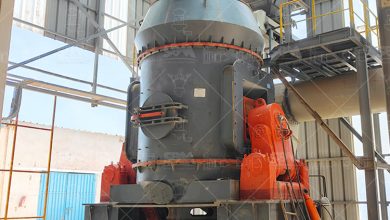
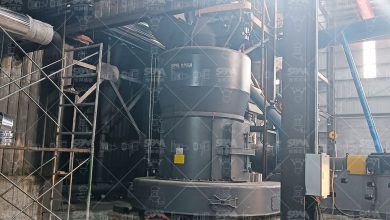
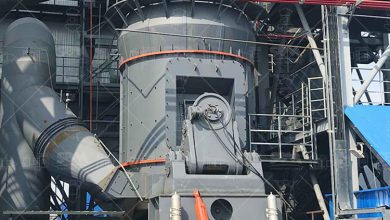
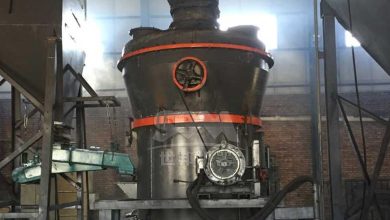
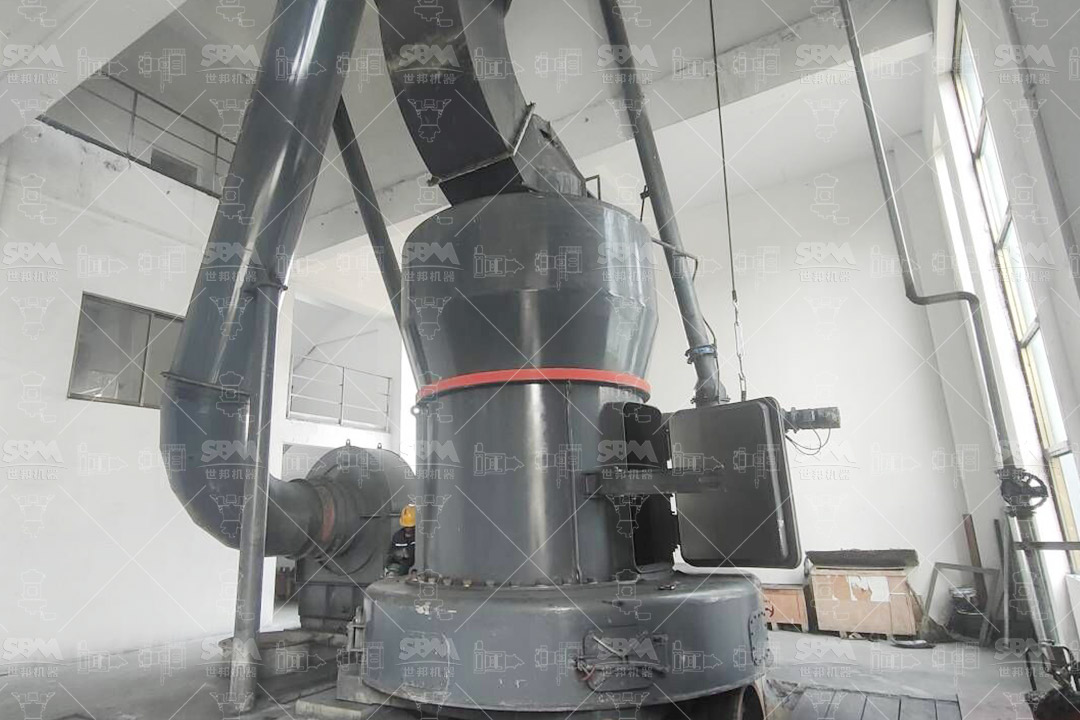
Among the various grinding solutions available, the SCM Ultrafine Mill represents an optimal choice for high-value coal-based kaolin applications. This advanced grinding system offers several distinct advantages for kaolin processing:
- Precision Particle Size Control: With output fineness ranging from 325 to 2500 mesh (D97≤5μm), the SCM Ultrafine Mill meets the stringent requirements of premium kaolin applications in paper coating, plastics, and advanced ceramics.
- Enhanced Production Efficiency: The mill’s unique grinding mechanism delivers 2x the capacity of jet mills while reducing energy consumption by 30%, significantly improving operational economics.
- Superior Product Quality: The integrated vertical turbine classifier ensures precise particle size cuts without coarse particle contamination, guaranteeing consistent product quality batch after batch.
- Robust Construction: Specially designed grinding rollers and rings manufactured from wear-resistant materials extend service life by multiples compared to conventional grinding elements.
The SCM series includes multiple models with capacities ranging from 0.5 to 25 tons per hour, allowing plant designers to select the optimal configuration based on production requirements. The SCM1680 model, with its 315kW main motor and 5-25 t/h capacity, is particularly suitable for large-scale kaolin processing operations.
Drying and Thermal Treatment
Many coal-based kaolin applications require drying and calcination to enhance product properties. Rotary dryers, flash dryers, and calcination kilns are integrated into processing lines to remove moisture and modify kaolin structure for specific applications. The choice of thermal processing equipment depends on the required product characteristics and production scale.

Market Development Prospects
Current Market Landscape
The global kaolin market continues to demonstrate robust growth, with coal-based kaolin capturing an increasing market share due to its competitive pricing and consistent quality. Current market estimates value the global kaolin market at approximately $5.5 billion, with projected growth of 4.2% CAGR through 2028. Coal-based kaolin accounts for roughly 15% of this market, with significant potential for expansion.
Key Application Sectors
Paper Industry: The paper industry remains the largest consumer of kaolin, utilizing approximately 40% of global production. Coal-based kaolin offers excellent opacity, brightness, and printability characteristics for paper filling and coating applications. The trend toward higher quality printing papers in emerging markets presents significant growth opportunities.
Ceramics and Refractories: The ceramics industry utilizes kaolin for its plasticity, strength, and thermal stability. Coal-based kaolin finds extensive application in sanitaryware, tableware, and technical ceramics. The growth of construction activities in developing regions drives demand in this sector.
Plastics and Polymers: Kaolin serves as a functional filler and reinforcing agent in plastic compounds, improving mechanical properties, dimensional stability, and surface finish. The expanding plastics industry, particularly in packaging and automotive applications, offers substantial growth potential.
Paints and Coatings: Kaolin functions as an extender pigment in paint formulations, enhancing opacity, brushability, and corrosion resistance. The growing construction and industrial maintenance sectors support demand growth in this application.
Advanced Applications: Emerging applications in rubber, adhesives, pharmaceuticals, and cosmetics present new market opportunities for specially processed coal-based kaolin products.
Regional Market Analysis
Asia-Pacific: The Asia-Pacific region dominates both production and consumption of kaolin, with China and India representing the fastest-growing markets. Infrastructure development, industrialization, and rising disposable incomes drive demand across multiple application sectors.
North America: Mature but stable market with demand driven by technical innovations and replacement of traditional materials. The United States remains a significant producer and consumer of kaolin products.
Europe: Steady demand supported by stringent environmental regulations favoring kaolin over alternative materials in certain applications. Technological innovation and product differentiation are key growth drivers.
Rest of World: Emerging markets in Latin America, Africa, and the Middle East present growth opportunities, particularly in construction-related applications.
Equipment Selection Considerations
Technical Factors
Selecting appropriate processing equipment is critical for commercial success in coal-based kaolin processing. Key technical considerations include:
- Particle Size Requirements: Different applications demand specific particle size distributions. Equipment must deliver consistent product quality meeting customer specifications.
- Production Capacity Equipment selection must align with market requirements and business objectives, balancing capital investment with operational flexibility.
- Energy Efficiency: Grinding operations typically account for a significant portion of processing costs. Energy-efficient equipment improves competitiveness and reduces environmental impact.
- Product Contamination: Equipment design must minimize product contamination from wear parts, ensuring consistent product quality.
Economic Considerations
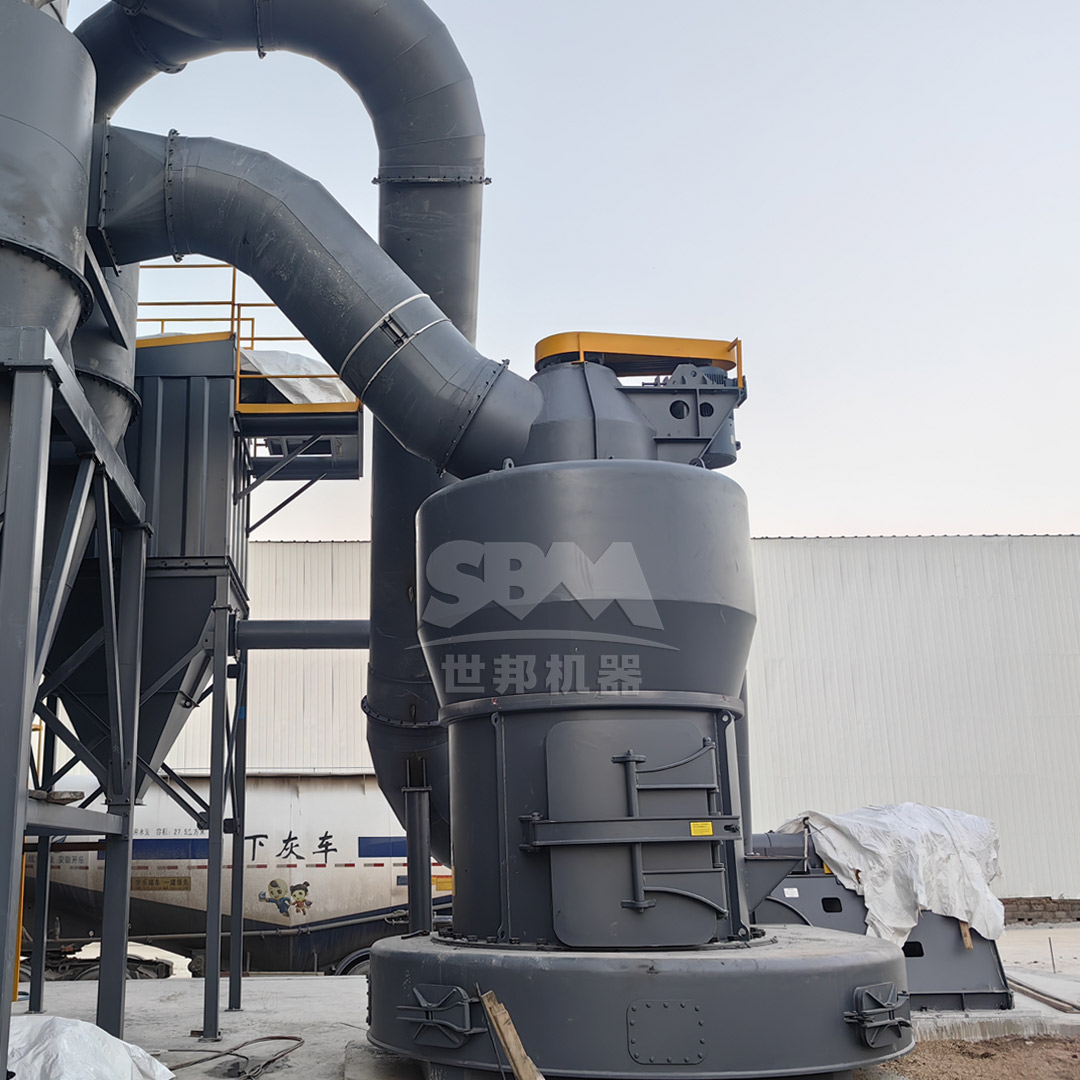
The MTW Series Trapezium Mill presents an excellent economic solution for medium-fineness coal-based kaolin applications requiring output between 30-325 mesh. This robust grinding system offers several economic advantages:
- Reduced Operating Costs: The combination of wear-resistant components, efficient transmission system, and optimized airflow design lowers maintenance requirements and extends service intervals.
- High Availability: Modular design and accessible components minimize downtime for maintenance and wear part replacement.
- Flexible Operation: The MTW series accommodates variations in feed material characteristics while maintaining consistent product quality.
- Scalable Solutions: With models ranging from 3 to 45 tons per hour, the MTW series supports business growth from pilot operations to large-scale production.
The MTW215G model, with its 280kW main motor and 15-45 t/h capacity, represents an optimal balance between capital investment and production capacity for medium to large kaolin processing operations.
Future Trends and Strategic Recommendations
Technology Development
The coal-based kaolin industry continues to evolve, with several technology trends shaping future development:
- Advanced Classification Systems: Improved classification technologies enable more precise particle size control, creating opportunities for premium product segments.
- Digitalization and Automation: Integration of IoT sensors, data analytics, and automated control systems optimizes processing operations and improves product consistency.
- Energy Optimization: Ongoing development of energy-efficient grinding technologies reduces operational costs and environmental impact.
- Specialty Product Development: Surface modification, functionalization, and tailored particle characteristics create value-added products for specific applications.
Strategic Recommendations
For companies considering entry or expansion in the coal-based kaolin market, several strategic approaches merit consideration:
- Focus on Value-Added Products: Rather than competing solely on price in commodity segments, develop specialized products targeting specific application requirements.
- Invest in Advanced Processing Technology: Modern, efficient processing equipment such as the SCM Ultrafine Mill and MTW Trapezium Mill provides competitive advantages in product quality and operational economics.
- Develop Technical Service Capabilities: Provide application development support to customers, strengthening relationships and creating barriers to competition.
- Pursue Sustainable Operations: Implement environmentally responsible processing technologies and communicate sustainability credentials to environmentally conscious customers.
- Explore Vertical Integration: Consider backward integration to secure raw material supplies or forward integration into compound manufacturing.
Conclusion
The coal-based kaolin industry presents significant opportunities for growth and value creation, supported by expanding applications across multiple industrial sectors. Success in this competitive market requires careful attention to processing technology selection, with advanced grinding equipment such as the SCM Ultrafine Mill and MTW Trapezium Mill providing the foundation for product quality, operational efficiency, and economic viability.
As market dynamics continue to evolve, companies that invest in appropriate processing technologies, develop specialized product portfolios, and build strong customer relationships will be well-positioned to capitalize on the promising prospects in the global coal-based kaolin market.