Can Vertical Mill Grind Carbon Materials for Powder Production?
Introduction
The growing demand for carbon-based powders in various industrial applications has prompted manufacturers to seek efficient and reliable grinding solutions. Carbon materials, including graphite, carbon black, activated carbon, and carbon fibers, possess unique characteristics that require specialized milling equipment. This article explores the feasibility of using vertical mills for carbon material grinding and presents optimal solutions for powder production.
Characteristics of Carbon Materials
Carbon materials exhibit several distinctive properties that influence their grinding behavior. Their layered crystalline structure, varying hardness levels, and electrical conductivity present both challenges and opportunities during the milling process. Understanding these characteristics is crucial for selecting appropriate grinding equipment and parameters.
Graphite, for instance, features a hexagonal layered structure with strong in-plane bonds and weak interlayer interactions. This anisotropy affects how the material fractures during grinding. Carbon black, on the other hand, consists of spherical particles with complex aggregate structures that require precise control over particle size distribution.
Vertical Mill Technology Overview
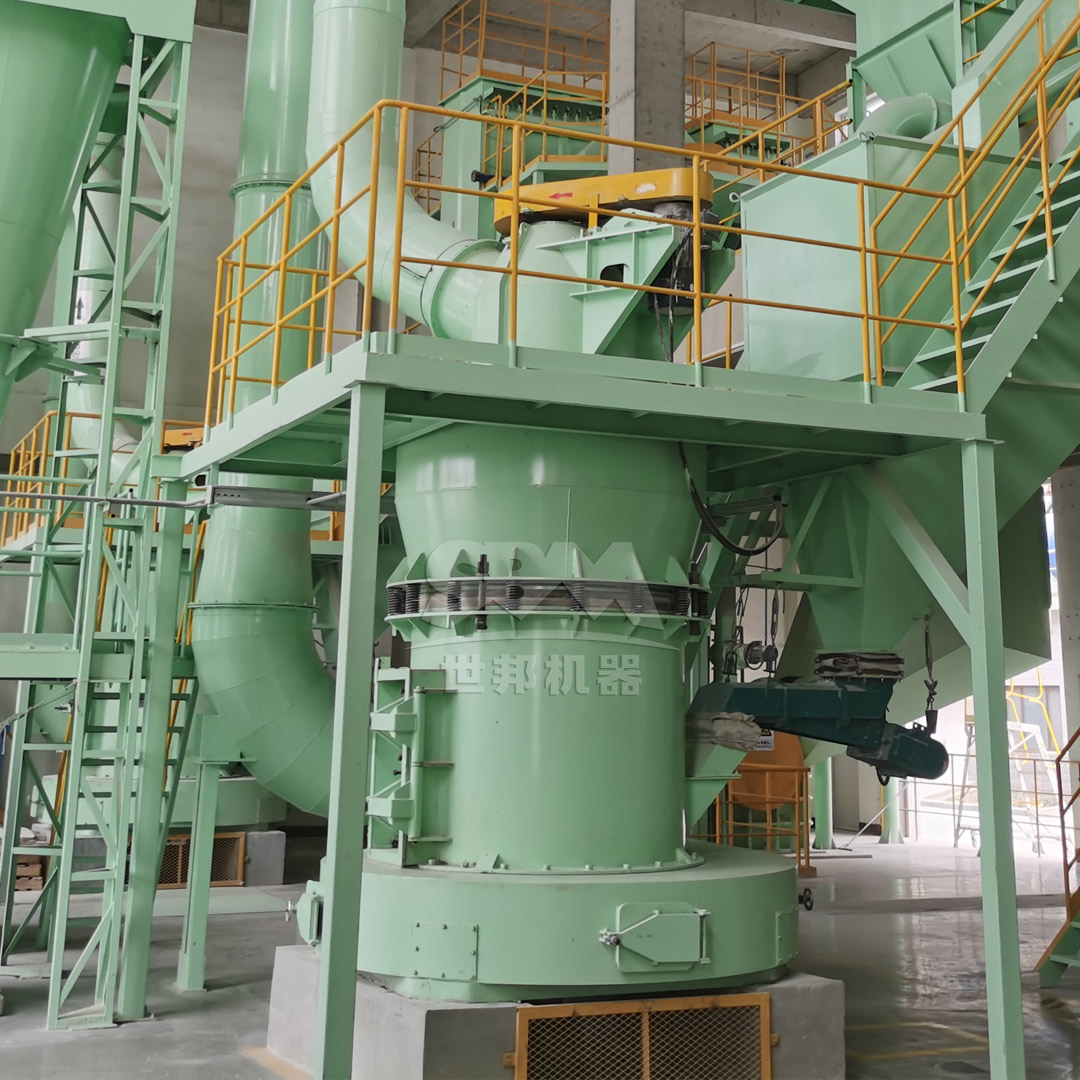
Vertical mills have revolutionized powder production across multiple industries due to their efficient grinding mechanisms and versatile applications. These mills operate on the principle of bed compression grinding, where multiple rollers apply pressure to a rotating grinding table, effectively crushing the material between the rollers and the table surface.
The fundamental advantage of vertical mills lies in their ability to combine grinding, drying, and classification within a single unit. This integrated approach significantly reduces energy consumption compared to traditional ball mills while providing superior control over particle size distribution.
Advantages of Vertical Mills for Carbon Grinding
Vertical mills offer several distinct advantages when processing carbon materials:
Energy Efficiency
Vertical mills typically consume 30-50% less energy than conventional ball mills for the same grinding task. This efficiency stems from the direct application of grinding force to the material bed, minimizing energy losses associated with impact and friction.
Precise Particle Size Control
The integrated classification systems in vertical mills enable precise control over final product fineness. This capability is particularly important for carbon materials, where specific particle size distributions are often required for optimal performance in applications such as lithium-ion batteries, lubricants, or composite materials.
Thermal Management
Carbon materials can be sensitive to temperature changes during grinding. Vertical mills incorporate efficient air circulation systems that help dissipate heat, preventing thermal degradation of the carbon structure and maintaining material properties.
Recommended Solutions for Carbon Powder Production
Based on extensive research and practical applications, we recommend specific vertical mill configurations for carbon material processing:
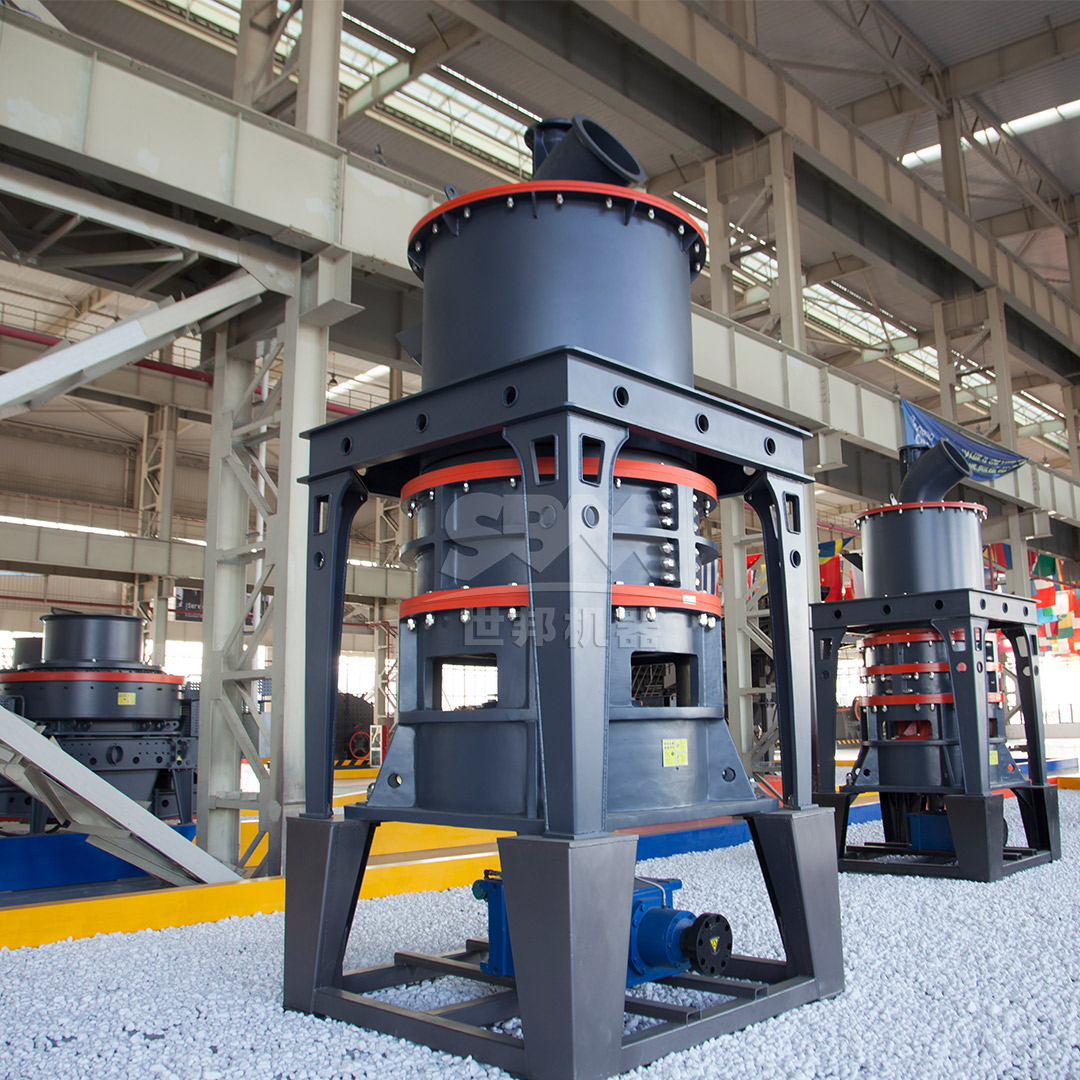
SCM Ultrafine Mill for High-Precision Applications
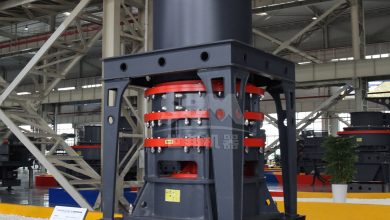
Our SCM Ultrafine Mill represents the pinnacle of precision grinding technology for carbon materials. With an output fineness range of 325-2500 mesh (D97≤5μm), this mill excels in producing ultra-fine carbon powders for advanced applications.
The SCM series incorporates several innovative features specifically beneficial for carbon processing:
- High-Precision Classification: The vertical turbine classifier ensures precise particle size control, eliminating coarse particle contamination in the final product
- Enhanced Durability: Specially designed roller and grinding ring materials withstand the abrasive nature of certain carbon materials, extending component life by several times
- Intelligent Control System: Automated feedback mechanisms continuously monitor and adjust operational parameters to maintain consistent product quality
With models ranging from SCM800 (0.5-4.5 ton/h capacity) to SCM1680 (5.0-25 ton/h capacity), the SCM series offers scalable solutions for various production requirements. The mill’s energy-efficient design provides twice the capacity of jet mills while reducing energy consumption by 30%, making it an economically viable choice for carbon powder production.
LM Series Vertical Roller Mill for Large-Scale Production
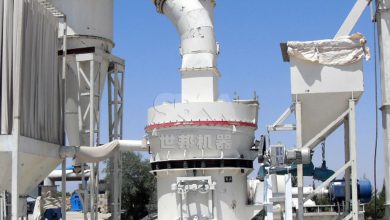
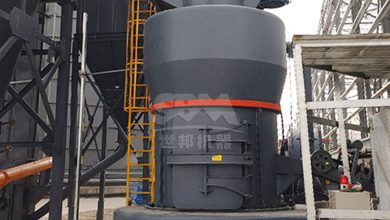
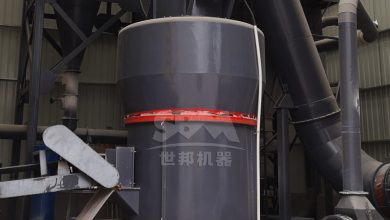
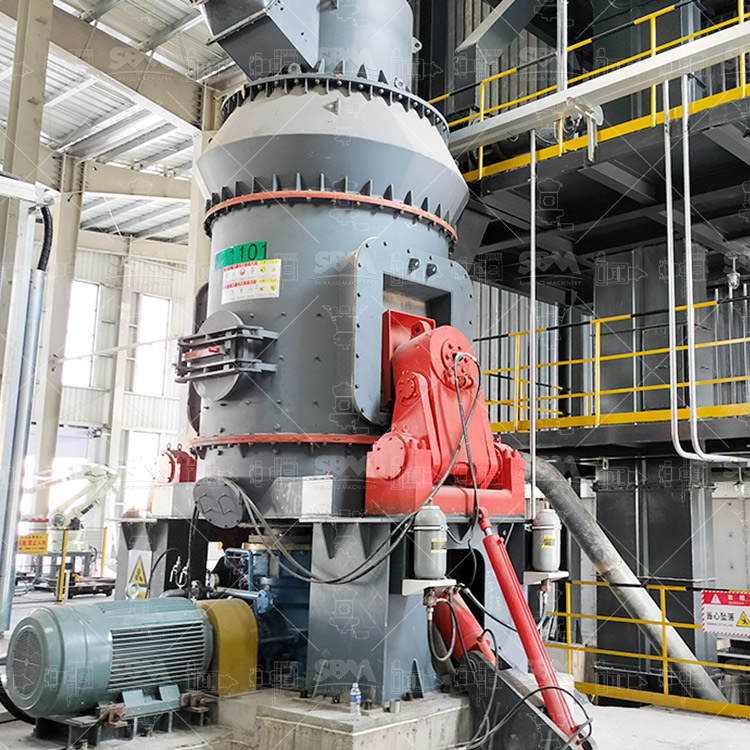
For high-volume carbon powder production, the LM Series Vertical Roller Mill offers unmatched efficiency and reliability. With capacities ranging from 3-250 tons per hour and output fineness adjustable between 30-325 mesh (special models reaching 600 mesh), this mill series accommodates diverse carbon processing needs.
Key advantages of the LM series for carbon materials include:
- Integrated System Design: Combining crushing, grinding, and classification functions reduces footprint by 50% and lowers infrastructure costs by 40%
- Advanced Wear Protection: Non-contact design between grinding rollers and the table extends wear part life threefold, particularly important for abrasive carbon varieties
- Environmental Compliance: Full-sealed negative pressure operation ensures dust emissions remain below 20mg/m³, while noise levels are maintained at ≤80dB(A)
The LM series incorporates intelligent control systems that support remote operation and real-time parameter monitoring, reducing manual intervention while ensuring consistent product quality across production batches.
Technical Considerations for Carbon Material Processing
Successful grinding of carbon materials requires attention to several technical aspects:
Moisture Control
Carbon materials often exhibit varying moisture contents that affect grinding efficiency. Vertical mills integrate drying capabilities that can handle moisture levels up to 15%, ensuring optimal grinding conditions regardless of initial material characteristics.
Particle Shape Requirements
Different applications demand specific particle shapes. Battery applications typically require flake-like graphite particles, while composite materials may benefit from more spherical shapes. The grinding mechanism in vertical mills can be adjusted to influence particle morphology.
Contamination Prevention
Carbon materials used in electronic applications must maintain high purity levels. Vertical mills designed with specialized lining materials and sealing systems prevent metallic contamination during the grinding process.
Case Study: Graphite Powder Production
A recent installation of our SCM1000 Ultrafine Mill for natural graphite processing demonstrated remarkable results. The mill achieved a consistent output of 3250 mesh graphite powder with a production rate of 6.5 tons per hour. The product exhibited excellent sphericity and narrow particle size distribution, meeting stringent quality requirements for lithium-ion battery anode materials.
Key performance metrics included:
- Energy consumption: 45 kWh/ton (40% reduction compared to previous ball mill system)
- Product quality: D50=8.5μm, D97=18.2μm with spherical particle morphology
- System availability: 95% operational uptime over 12-month period
Future Trends in Carbon Material Grinding
The evolving requirements for carbon materials in emerging technologies continue to drive innovations in grinding technology. Future developments focus on:
Smart Manufacturing Integration
Advanced sensor technology and AI-driven optimization algorithms will enable real-time adjustment of grinding parameters based on material characteristics and desired product specifications.
Specialized Mill Designs
Customized mill configurations for specific carbon allotropes, including graphene precursors and carbon nanotubes, will provide enhanced control over particle size and structure.
Sustainable Operations
Energy recovery systems and closed-loop operation will further reduce the environmental footprint of carbon powder production while maintaining product quality.
Conclusion
Vertical mills represent a technically advanced and economically viable solution for carbon material powder production. Their energy efficiency, precise particle size control, and operational flexibility make them particularly suitable for the diverse requirements of carbon-based materials. Our recommended solutions, including the SCM Ultrafine Mill for high-precision applications and the LM Series for large-scale production, provide comprehensive options for manufacturers seeking to optimize their carbon powder production processes.
As carbon materials continue to find applications in advanced technologies, the importance of efficient and controlled grinding processes will only increase. Vertical mill technology, with its continuous evolution and adaptation to specific material requirements, stands ready to meet these challenges while delivering consistent, high-quality carbon powders for industrial applications.