
Can Ultrafine Ring Roller Mill Process Light-Burned Magnesia?
Introduction to Light-Burned Magnesia Processing Challenges
Light-Burned Magnesia (LBM), also known as caustic calcined magnesia, is produced by calcining magnesite at temperatures between 700-1000°C. This material presents unique challenges for size reduction due to its specific physical and chemical properties. The material tends to be hygroscopic, has varying hardness depending on the calcination process, and requires precise particle size control for applications in refractories, agriculture, and chemical industries.
Traditional grinding equipment often struggles with LBM due to its abrasive nature and the need for consistent ultra-fine particle distribution. The material’s tendency to absorb moisture can lead to clogging and reduced efficiency in conventional milling systems. Furthermore, the thermal sensitivity of LBM requires equipment that can operate without generating excessive heat that might alter the material’s chemical properties.
Technical Requirements for Light-Burned Magnesia Grinding
Successful processing of Light-Burned Magnesia demands equipment with specific capabilities. The ideal grinding system must handle feed materials up to 20mm in size while producing consistent output in the range of 325-2500 mesh (D97≤5μm). The system should maintain stable operation despite the material’s variable moisture content and abrasive characteristics.
Key technical requirements include:
- Precise temperature control to prevent material degradation
- High wear resistance components to handle abrasive materials
- Advanced classification systems for tight particle size distribution
- Efficient dust collection to maintain product purity
- Energy-efficient operation to maintain economic viability
Ultrafine Ring Roller Mill Technology Overview
Modern ultrafine ring roller mills represent a significant advancement in fine grinding technology. These systems utilize multiple grinding rollers that rotate against a stationary ring, creating intense pressure and shear forces that efficiently reduce particle size. The modular design allows for customized configurations to handle specific material characteristics.
The fundamental working principle involves centrifugal force distributing material evenly across the grinding path, where multiple layers of rollers apply progressive compression forces. This multi-stage approach ensures efficient size reduction while minimizing energy consumption and heat generation.
SCM Ultrafine Mill: Optimal Solution for Light-Burned Magnesia
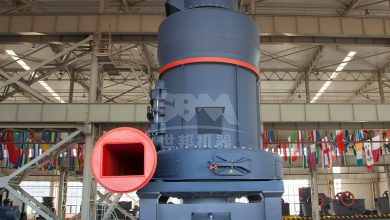
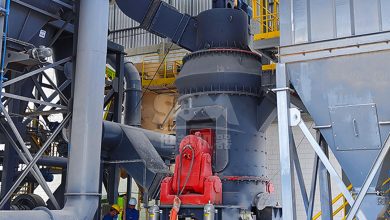
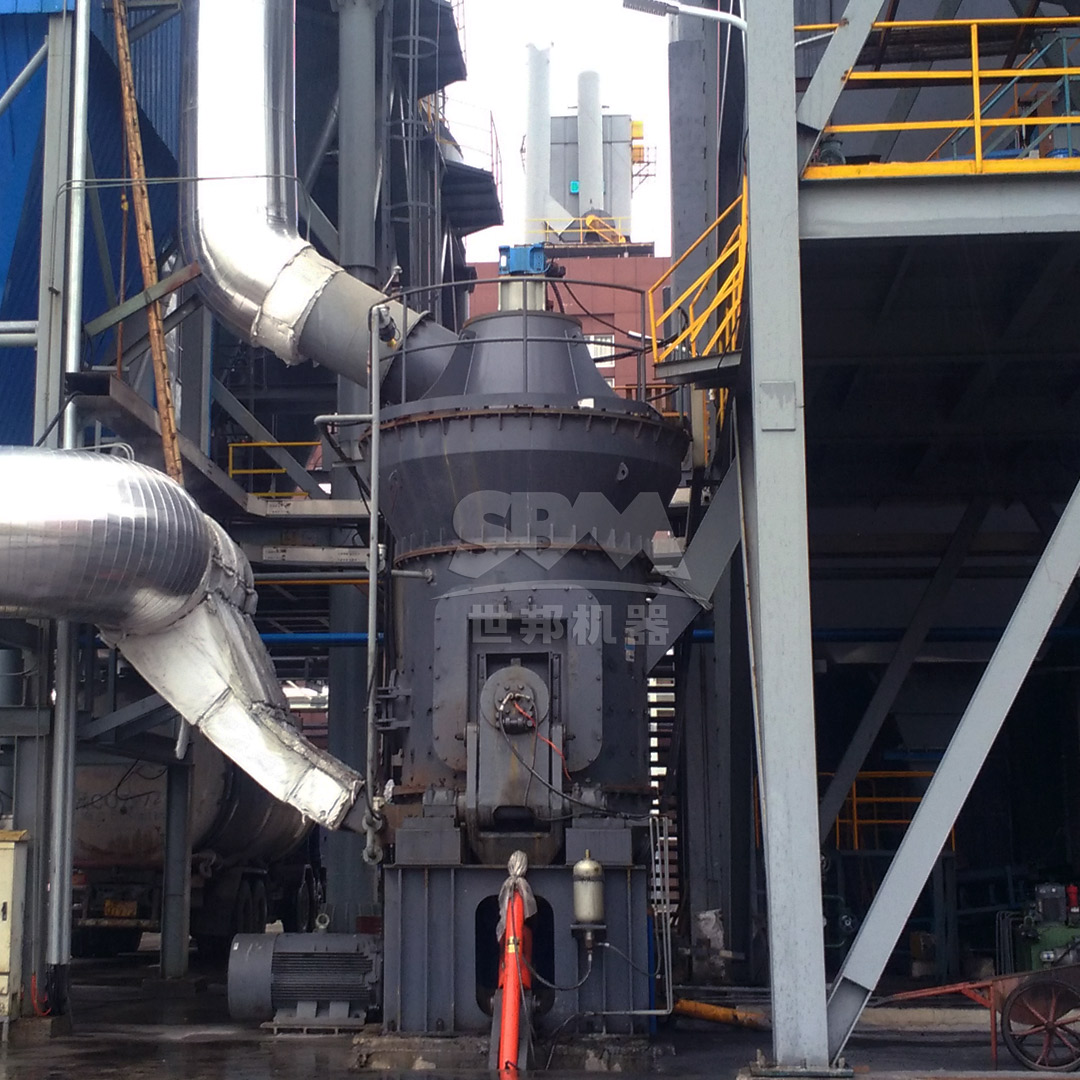
Our SCM Ultrafine Mill series represents the pinnacle of grinding technology for challenging materials like Light-Burned Magnesia. With output fineness ranging from 325-2500 mesh (D97≤5μm) and capacity from 0.5-25 tons per hour, this equipment is specifically engineered to meet the demanding requirements of magnesium compound processing.
The SCM series incorporates several critical features that make it ideal for Light-Burned Magnesia:
- High-Efficiency Grinding System: Three-layer grinding ring design with special alloy materials provides exceptional wear resistance against abrasive magnesia particles
- Precision Classification: Vertical turbine classifier ensures accurate particle size cut points and eliminates coarse particle contamination
- Intelligent Control System: Automated feedback control maintains consistent product quality despite variations in feed material characteristics
- Thermal Management: Advanced cooling systems prevent temperature buildup that could affect material properties
With models ranging from SCM800 (0.5-4.5 t/h) to SCM1680 (5.0-25 t/h), the series offers scalable solutions for operations of all sizes. The equipment’s 30% reduced energy consumption compared to conventional systems provides significant operational cost savings, while the robust construction ensures long-term reliability in demanding industrial environments.
Comparative Analysis: SCM Series vs. Alternative Technologies
When processing Light-Burned Magnesia, equipment selection significantly impacts product quality, operational costs, and process efficiency. Traditional ball mills, while capable of achieving fine particle sizes, typically consume excessive energy and generate substantial heat that can degrade material quality. Jet mills offer excellent fineness but struggle with the abrasive nature of magnesia and have higher operational costs.
The SCM Ultrafine Mill demonstrates clear advantages:
| Technology | Energy Efficiency | Wear Resistance | Particle Distribution | Operating Costs |
|---|---|---|---|---|
| Ball Mill | Low | Moderate | Broad | High |
| Jet Mill | Moderate | Low | Narrow | Very High |
| SCM Ultrafine Mill | High | Excellent | Precise | Competitive |
The vertical roller mill design of the SCM series provides superior energy efficiency through its bed compression grinding mechanism, while the specialized wear materials extend component life significantly compared to alternative technologies.
Case Study: Light-Burned Magnesia Processing with SCM1000
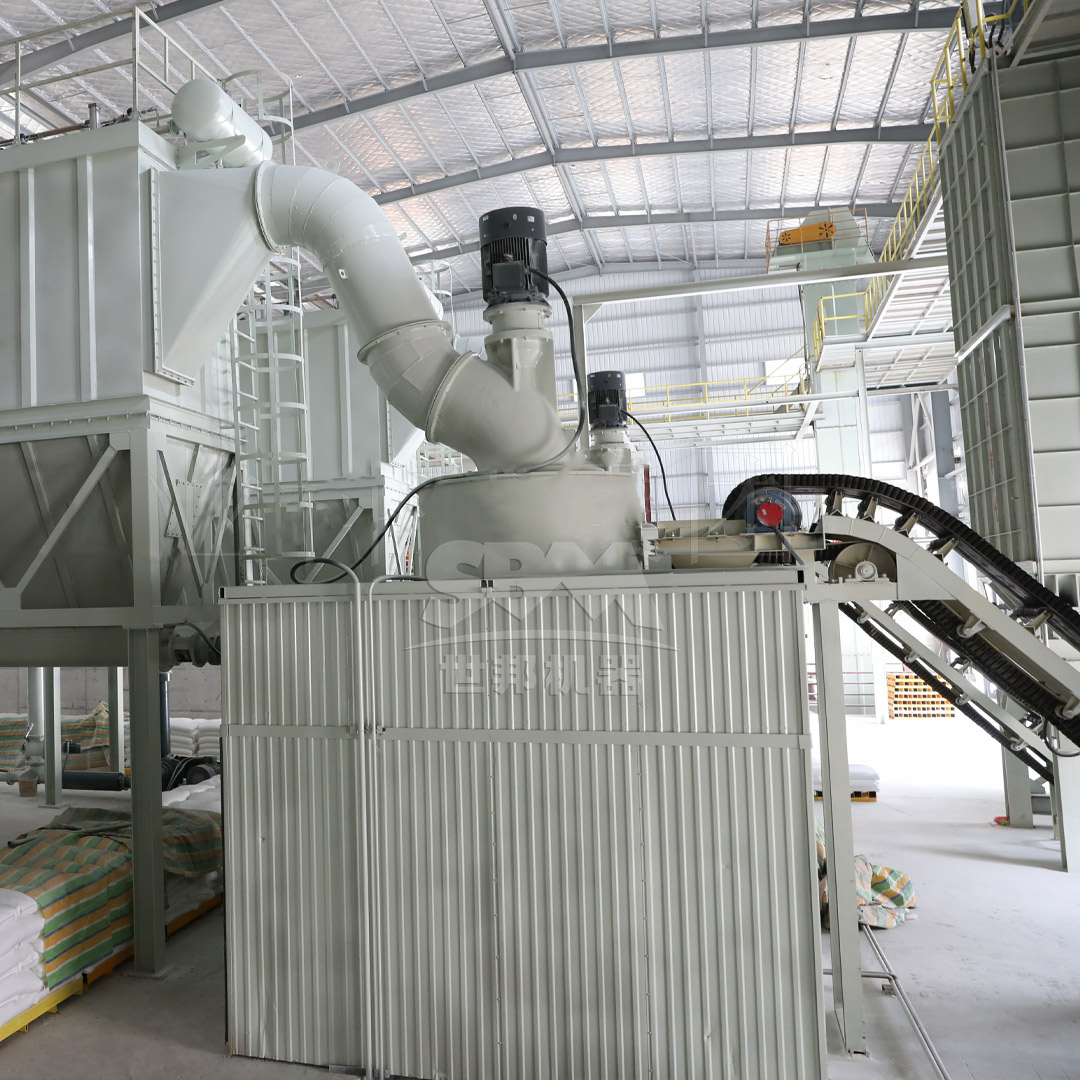
A recent installation at a major magnesium production facility demonstrates the capabilities of the SCM series for Light-Burned Magnesia processing. The SCM1000 model, with its 132kW main motor and capacity of 1.0-8.5 tons per hour, was implemented to replace an aging ball mill system that struggled with inconsistent product quality and high maintenance requirements.
The results after six months of operation showed remarkable improvements:
- Energy consumption reduced by 42% compared to the previous system
- Product consistency improved with 95% of output meeting target specifications
- Maintenance downtime decreased from 15% to 3% of operating time
- Product quality enabled premium pricing in specialty chemical markets
The installation successfully processes Light-Burned Magnesia with feed sizes up to 20mm, producing material with D97 values consistently below 5μm. The integrated pulse dust collection system maintains workplace environmental standards while recovering valuable product that was previously lost to ventilation systems.
MTW Series Trapezium Mill: Alternative for Coarser Applications
For applications requiring less extreme fineness, our MTW Series Trapezium Mill offers an excellent alternative for Light-Burned Magnesia processing. With output fineness ranging from 30-325 mesh and capacities from 3-45 tons per hour, this equipment provides high-volume processing capability for standard-grade magnesia products.
The MTW series incorporates several innovative features particularly beneficial for magnesia processing:
- Anti-Wear Shovel Design: Combined shovel blades reduce maintenance costs and extend operational periods between servicing
- Curved Air Channel Optimization: Reduces air flow energy loss and improves transmission efficiency
- Integrated Bevel Gear Transmission: 98% transmission efficiency with compact design reducing installation footprint
- Wear-Resistant Volute Structure: No resistance design improves air classification efficiency
With models ranging from MTW110 (3-9 t/h) to MTW215G (15-45 t/h), the series accommodates various production requirements. The equipment’s robust construction and advanced wear protection make it particularly suitable for the abrasive characteristics of Light-Burned Magnesia.
Operational Considerations and Best Practices
Successfully processing Light-Burned Magnesia requires attention to several operational factors beyond equipment selection. Moisture control is critical, as hygroscopic magnesia can cause handling and grinding challenges. Pre-drying to appropriate moisture levels ensures optimal mill performance and product quality.
Feed size distribution significantly impacts grinding efficiency. Implementing proper pre-crushing to achieve consistent feed sizing below 20mm maximizes throughput and reduces wear on grinding components. Regular monitoring of wear parts and proactive replacement schedules prevent unexpected downtime and maintain product consistency.
The unique chemical properties of Light-Burned Magnesia require careful consideration of processing atmosphere. In some cases, inert gas blanketing may be necessary to prevent undesirable chemical reactions during grinding. The modular design of our SCM and MTW series facilitates integration with such auxiliary systems when required.
Economic Analysis and Return on Investment
Implementing advanced grinding technology for Light-Burned Magnesia processing represents a significant capital investment, but the economic returns justify this expenditure through multiple channels. The superior energy efficiency of modern ring roller mills typically provides payback periods of 12-24 months through reduced electricity consumption alone.
Additional economic benefits include:
- Enhanced product value through improved particle size distribution and purity
- Reduced maintenance costs through advanced wear protection
- Increased production capacity enabling market expansion
- Lower labor requirements through automated operation
- Reduced waste through efficient dust collection and material recovery
When evaluating equipment options, considering the total cost of ownership rather than just initial purchase price provides a more accurate assessment of economic viability. The extended component life and reduced downtime of specialized equipment like the SCM series often results in significantly lower long-term operating costs.
Future Trends in Light-Burned Magnesia Processing
The evolving requirements for Light-Burned Magnesia across various industries continue to drive advancements in processing technology. Increasing demand for nano-scale magnesia in specialty applications necessitates ever-finer grinding capabilities, while environmental regulations require more efficient dust collection and energy utilization.
Emerging trends include:
- Integration of artificial intelligence for real-time process optimization
- Development of advanced wear materials for extended component life
- Hybrid systems combining mechanical and thermal treatment
- Modular designs enabling flexible production of multiple product grades
- Enhanced classification systems for tighter particle distribution control
Our ongoing research and development program ensures that SCM and MTW series mills continue to incorporate the latest technological advancements to meet these evolving market requirements. The modular design philosophy allows for continuous improvement while maintaining compatibility with existing installations.
Conclusion
Ultrafine ring roller mills, particularly our SCM series, have proven highly capable of processing Light-Burned Magnesia to exacting specifications. The technology addresses the unique challenges presented by this material through advanced grinding mechanics, precision classification, and robust construction. With capacities ranging from laboratory to industrial scale and the ability to produce particles as fine as 5μm, these systems provide comprehensive solutions for magnesia processors seeking to enhance product quality and operational efficiency.
The economic benefits, combined with the technical capabilities, make modern ring roller mills the preferred choice for Light-Burned Magnesia processing across diverse applications from refractories to specialty chemicals. As market requirements continue to evolve toward finer particle sizes and tighter distribution control, this technology platform provides the foundation for future innovation and process improvement.