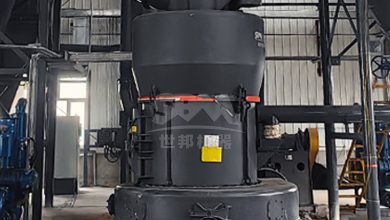
Can Ultrafine Grinding Mill Process Bauxite Ore for Powder Production?
Introduction
The global demand for high-quality bauxite powder, a critical raw material for alumina production and advanced refractory materials, is steadily increasing. Traditional grinding methods often fall short in achieving the precise particle size distribution, high purity, and energy efficiency required by modern industries. This leads to a pivotal question: Can ultrafine grinding mills effectively process bauxite ore for high-value powder production? The answer is a resounding yes. Advanced ultrafine grinding technology has revolutionized mineral processing, offering a superior solution for transforming bauxite into fine and ultra-fine powders with exceptional control over product specifications.
Understanding Bauxite Ore and Grinding Challenges
Bauxite is a heterogeneous, sedimentary rock primarily composed of aluminum hydroxide minerals like gibbsite (Al(OH)₃), boehmite (γ-AlO(OH)), and diaspore (α-AlO(OH)), mixed with impurities such as silica, iron oxides, and titania. Its abrasive nature, variable hardness, and tendency to contain moisture pose significant challenges for grinding equipment:
- Abrasiveness: Silica and other hard impurities accelerate wear on grinding components.
- Particle Size Control: Achieving a consistent, narrow particle size distribution (PSD) is crucial for downstream processes like the Bayer process for alumina extraction.
- Energy Consumption: Conventional ball mills are notoriously energy-intensive for fine grinding.
- Product Contamination: Metal wear from grinding media can introduce iron contamination, degrading product quality.
Ultrafine grinding mills are specifically engineered to overcome these hurdles, providing a clean, efficient, and controllable comminution process.
The Role of Ultrafine Grinding Technology in Bauxite Processing
Ultrafine grinding mills operate on the principle of bed compression grinding or centrifugal roller grinding, applying intense pressure to particle beds rather than relying on impact alone. This method is exceptionally suited for bauxite due to several key advantages:
- High Efficiency & Low Energy Consumption: The focused grinding force minimizes energy waste. Compared to traditional ball mills or Raymond mills, modern ultrafine mills can reduce specific energy consumption by 30-50% for achieving the same fineness.
- Precise Particle Size Distribution: Integrated high-efficiency classifiers allow for real-time, precise control over the top cut size (D97). This ensures the final bauxite powder meets exact specifications, whether for catalyst carriers, refractory grains, or advanced ceramics.
- Minimal Contamination: The grinding mechanism often involves ceramic or specially hardened alloy rollers and rings, significantly reducing iron contamination. Some designs operate without metallic contact in the grinding zone.
- Handling of Moisture: Many systems can integrate hot air, allowing for simultaneous grinding and drying of bauxite with moderate moisture content.
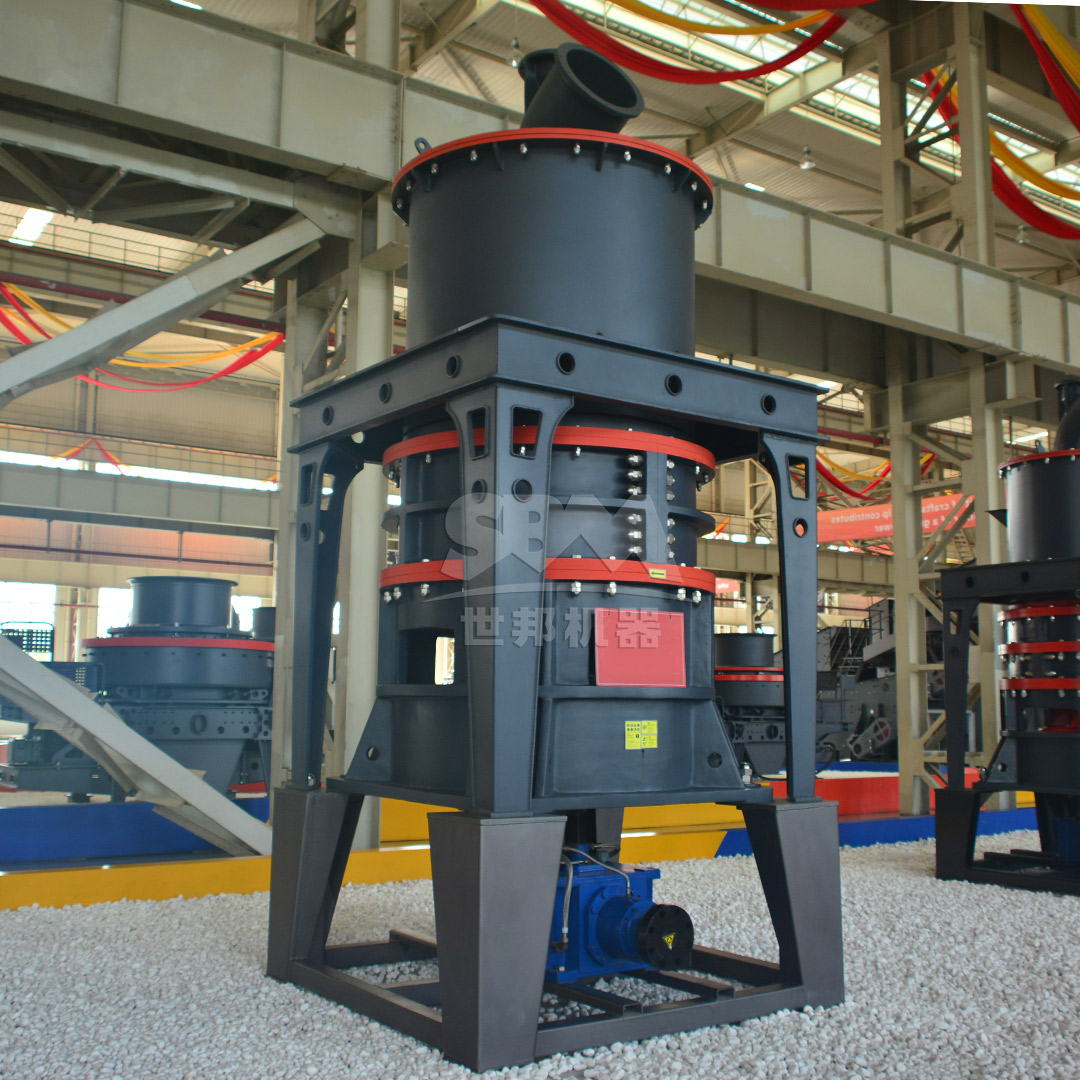
Recommended Solution: SCM Series Ultrafine Mill for High-Purity Bauxite Powder
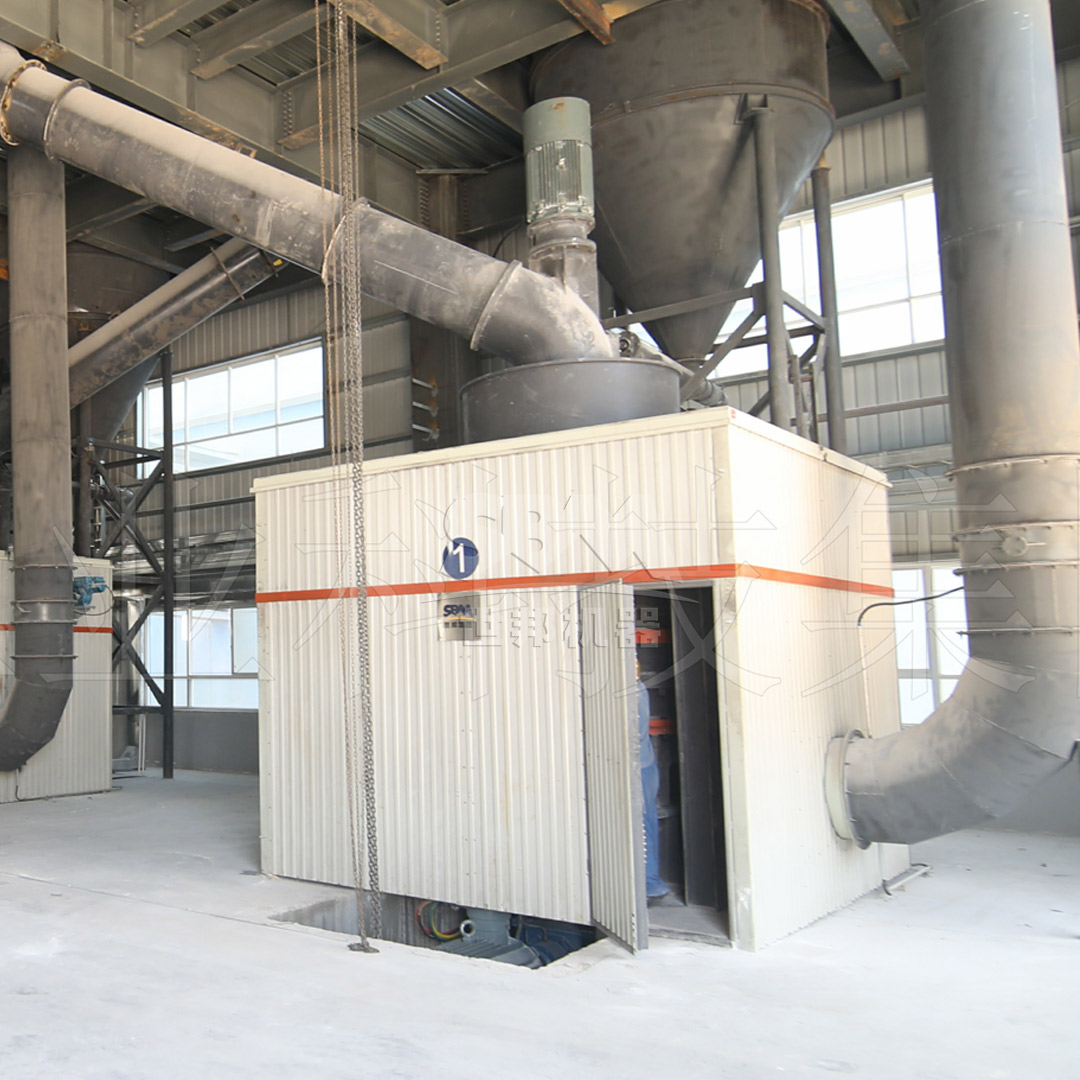
For applications demanding the finest bauxite powders (325-2500 mesh), the SCM Series Ultrafine Mill stands out as an optimal choice. This mill is engineered to produce powders with a D97 fineness down to 5μm (2500 mesh), making it ideal for high-value-added bauxite products.
Why the SCM Mill is Ideal for Bauxite:
- Superior Fineness and Uniformity: Its vertical turbine classifier ensures precise particle size切割, producing bauxite powder with a narrow, consistent PSD and no coarse grit contamination. This is critical for applications like polishing compounds and high-grade refractories.
- Exceptional Wear Resistance: The grinding rollers and ring are made from special wear-resistant materials, offering a service life several times longer than conventional parts when processing abrasive bauxite ore. This drastically reduces maintenance downtime and operational costs.
- Energy Efficiency: With an energy consumption up to 30% lower than jet mills of comparable output, the SCM mill offers significant cost savings in long-term operation.
- Intelligent & Stable Operation: The mill features an automatic control system that monitors and feeds back on product fineness. Its bearing-less grinding chamber design ensures smooth, stable, and low-vibration operation, crucial for consistent product quality.
Key Model for Bauxite Processing: The SCM1000 model, with a main motor power of 132kW and a handling capacity of 1.0-8.5 tons per hour, is a robust and popular choice for mid-to-large-scale bauxite powder production lines. Its ability to accept feed sizes up to 20mm and produce powder from 325 to 2500 mesh provides tremendous flexibility.
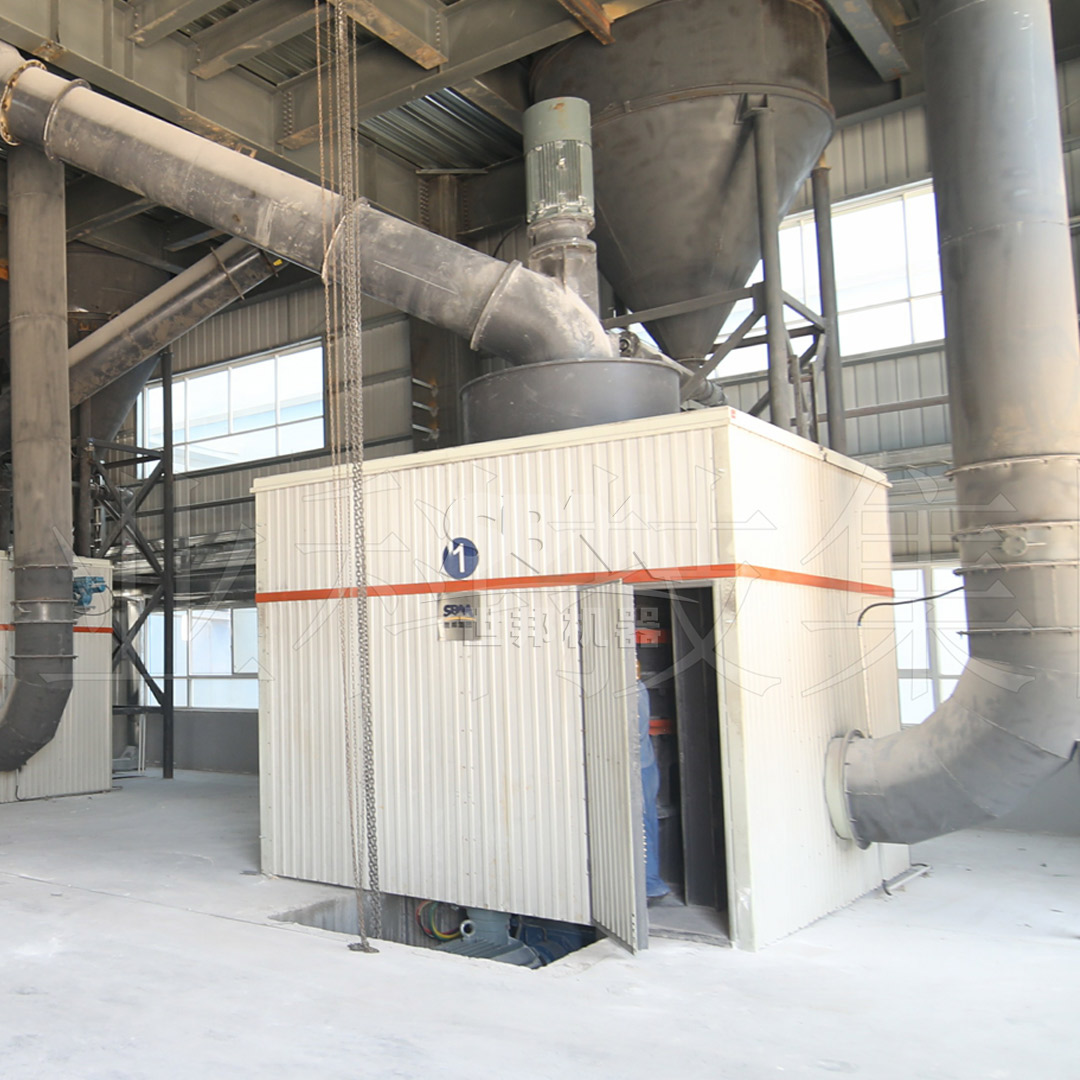
Complementary Solution: MTW Series Trapezium Mill for Coarser Grinding Stages
In a complete bauxite processing circuit, primary and secondary grinding stages often prepare the ore for final ultra-fine milling. For these stages, where the target fineness ranges from 30 to 325 mesh (0.6mm to 45μm), the MTW Series Trapezium Mill offers unparalleled efficiency and reliability.
Advantages of the MTW Mill for Intermediate Bauxite Grinding:
- High Capacity and Robustness: Designed to handle feed sizes up to 50mm, models like the MTW215G can process 15-45 tons per hour, making it perfect for high-throughput primary grinding of bauxite.
- Advanced Wear Protection: Its curved duct design and wear-resistant volute structure minimize energy loss and maintenance costs by over 30%, effectively countering bauxite’s abrasiveness.
- Efficient Transmission: The integral bevel gear transmission system boasts 98% efficiency, saving space and power while ensuring stable, high-torque output for crushing hard bauxite nodules.
- Environmental Compliance: The mill can be equipped with advanced pulse dust collectors, ensuring dust emissions are kept well below international standards, which is essential for modern, sustainable mining operations.
Using an MTW series mill for initial size reduction followed by an SCM series mill for final polishing creates a highly efficient, two-stage grinding circuit that maximizes yield, minimizes energy use, and produces bauxite powder of exceptional and consistent quality.
Conclusion
Ultrafine grinding technology is not only capable of processing bauxite ore but represents the future of high-value mineral powder production. It successfully addresses the core challenges of abrasion, energy consumption, and particle size control inherent in bauxite processing. By selecting advanced milling systems like the SCM Series Ultrafine Mill for superfine production and the MTW Series Trapezium Mill for high-capacity intermediate grinding, producers can achieve superior product quality, operational efficiency, and environmental sustainability. Investing in the right ultrafine grinding solution is a strategic decision that unlocks the full potential of bauxite resources, catering to the sophisticated demands of global advanced material industries.