Can Raymond Mill Process Slag into Ultra-fine Powder?
Introduction to Slag Processing Challenges
Slag, a byproduct of industrial processes such as steel production and metal smelting, presents unique challenges for processing into valuable materials. With its variable composition, high hardness, and specific physical properties, converting slag into ultra-fine powder requires specialized equipment and advanced technological solutions. The traditional Raymond mill, while effective for many materials, faces limitations when dealing with the abrasive nature and specific grinding requirements of slag materials.
The transformation of slag into ultra-fine powder has gained significant importance in recent years due to the growing emphasis on sustainable industrial practices and circular economy principles. Ultra-fine slag powder finds applications in cement production, concrete additives, agricultural soil conditioners, and various construction materials, making efficient processing economically and environmentally valuable.
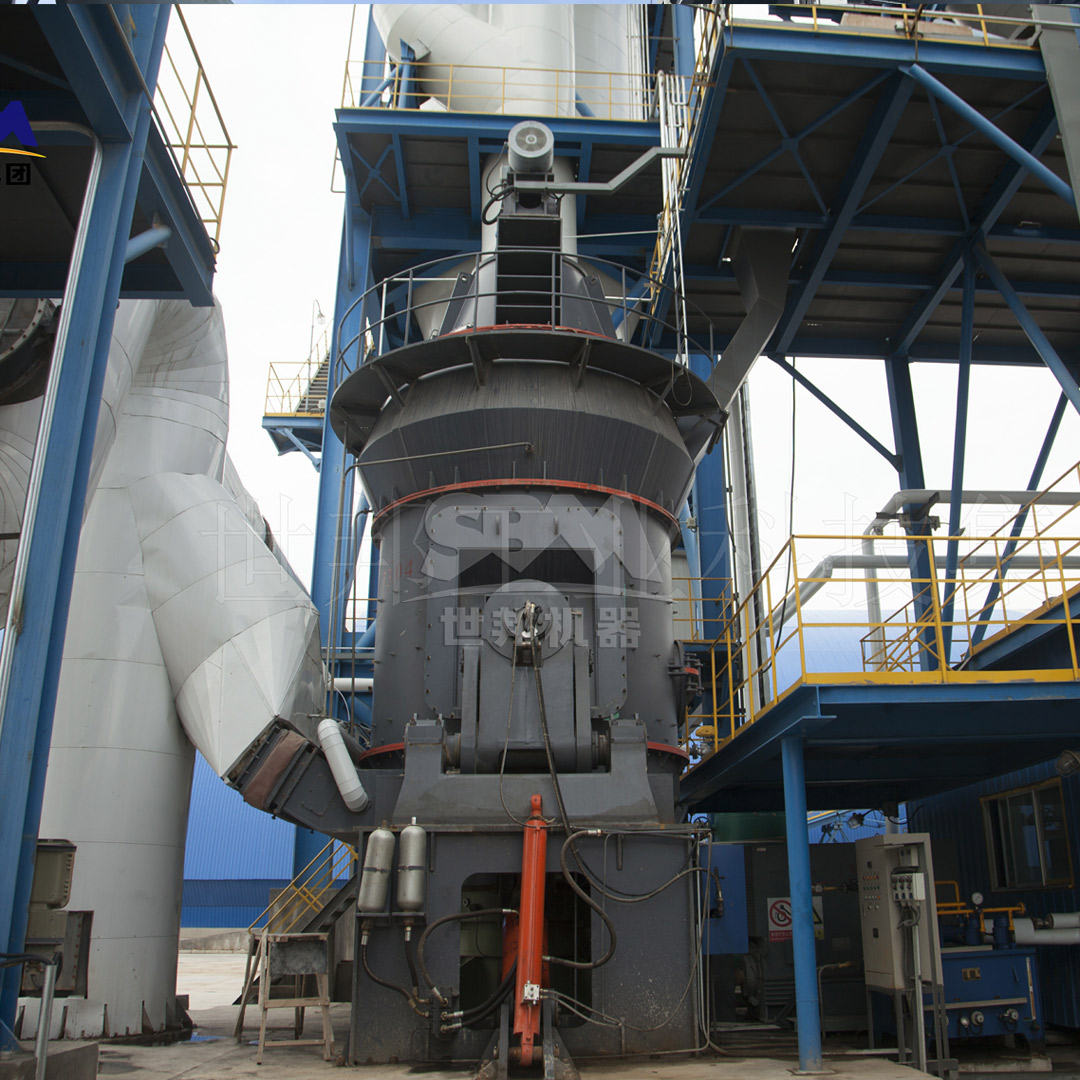
Technical Requirements for Slag Ultra-fine Processing
Material Characteristics and Processing Demands
Slag materials typically exhibit Mohs hardness between 5-7, with variations depending on the source and production process. The successful processing into ultra-fine powder (generally defined as powder with particle size below 45μm or 325 mesh) requires equipment capable of handling these specific characteristics:
- High abrasion resistance to withstand the wear from hard slag particles
- Precise temperature control to prevent material property changes
- Advanced classification systems for consistent particle size distribution
- Robust construction to maintain performance under continuous operation
- Energy-efficient designs to ensure economic viability
Particle Size Distribution Requirements
For slag to be effectively utilized in high-value applications, specific particle size distributions are required. The D97 parameter (indicating that 97% of particles are below the specified size) becomes particularly important for ultra-fine applications. Different industries demand varying specifications:
- Construction industry: D97 ≤ 45μm (325 mesh)
- High-performance concrete: D97 ≤ 20μm (600 mesh)
- Specialty applications: D97 ≤ 5μm (2500 mesh)
Limitations of Traditional Raymond Mills for Slag Processing
While Raymond mills have been workhorses in mineral processing for decades, they face specific limitations when applied to slag ultra-fine grinding:
Technical Constraints
Traditional Raymond mill designs struggle to achieve the fine grinding levels required for high-value slag applications. The mechanical limitations include insufficient grinding pressure, limited classification efficiency, and inadequate wear resistance for prolonged slag processing. The typical output range of 30-325 mesh (600-45μm) falls short of the ultra-fine specifications demanded by modern applications.
Operational Challenges
The abrasive nature of slag leads to accelerated wear of grinding components in conventional Raymond mills, resulting in frequent maintenance requirements and inconsistent product quality. Additionally, the energy consumption per ton of processed material becomes economically challenging when pushing traditional equipment beyond its designed capabilities.
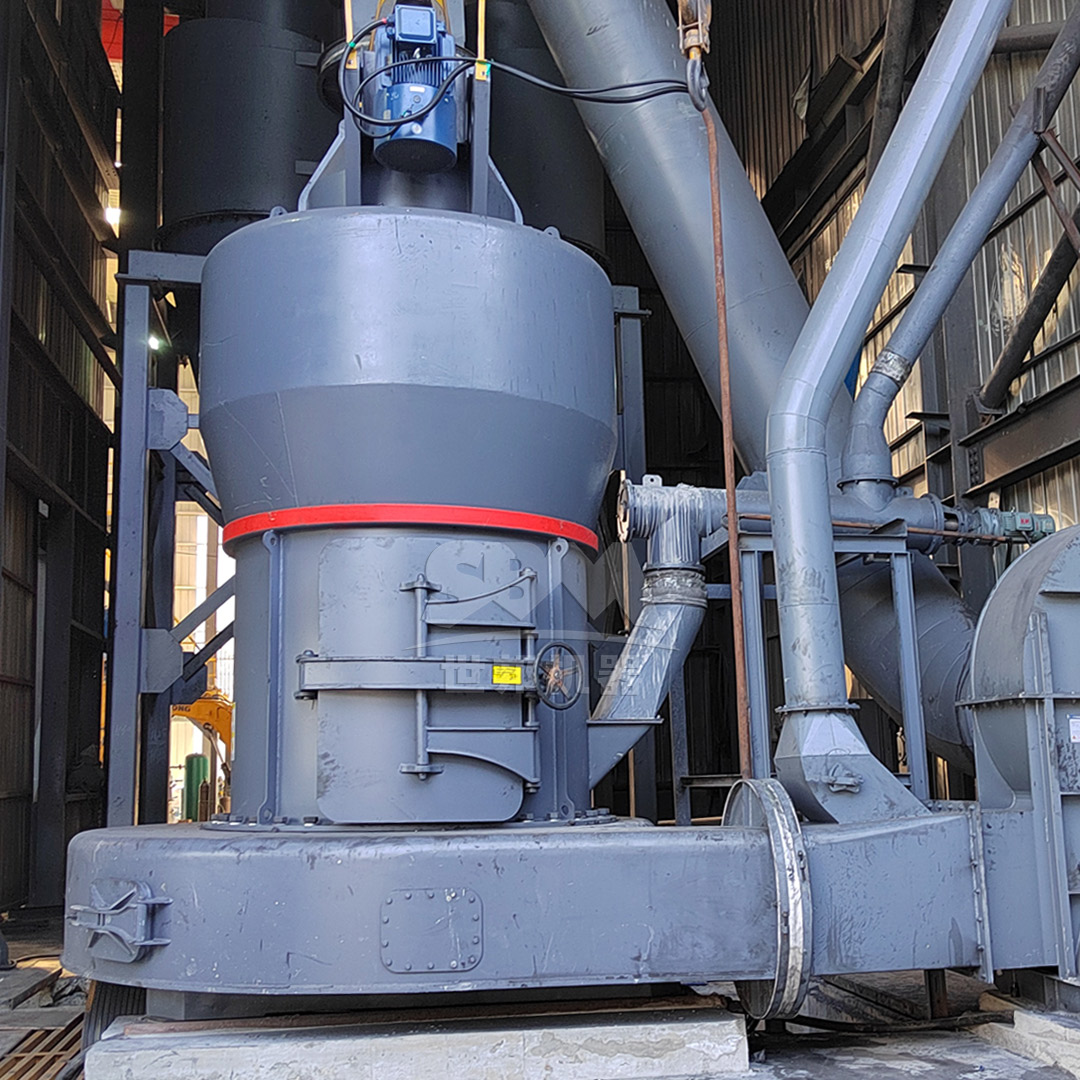
Advanced Solutions for Slag Ultra-fine Processing
SCM Series Ultrafine Mill: The Optimal Choice for Slag Processing
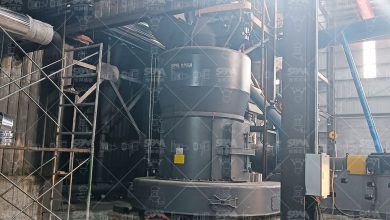
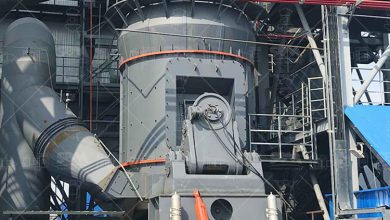
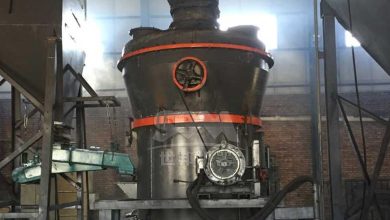
For operations requiring true ultra-fine slag powder production, our SCM Series Ultrafine Mill represents the cutting edge in grinding technology. Specifically engineered to overcome the limitations of traditional Raymond mills, this equipment delivers exceptional performance in slag processing applications.
Key Technical Advantages for Slag Processing
The SCM Ultrafine Mill incorporates several innovative features that make it ideally suited for slag processing:
- Enhanced Grinding Efficiency: With capacity doubling that of jet mills and 30% reduced energy consumption, the SCM series provides economic advantages for large-scale slag processing operations
- Precision Classification System: The vertical turbine classifier ensures accurate particle size control, achieving D97 ≤ 5μm (2500 mesh) – a critical requirement for high-value slag applications
- Superior Wear Resistance: Specially formulated materials for rollers and grinding rings extend service life by multiple times compared to conventional components
- Advanced Control Systems: Intelligent control with automatic feedback on product fineness ensures consistent quality throughout operation
Technical Specifications for Slag Applications
The SCM series offers multiple configurations to match specific production requirements:
| Model | Processing Capacity (ton/h) | Main Motor Power | Feed Size | Output Fineness |
|---|---|---|---|---|
| SCM800 | 0.5-4.5 | 75 kW | 0-20 mm | 325-2500 mesh |
| SCM900 | 0.8-6.5 | 90 kW | 0-20 mm | 325-2500 mesh |
| SCM1000 | 1.0-8.5 | 132 kW | 0-20 mm | 325-2500 mesh |
| SCM1250 | 2.5-14 | 185 kW | 0-20 mm | 325-2500 mesh |
| SCM1680 | 5.0-25 | 315 kW | 0-20 mm | 325-2500 mesh |
MTW Series Trapezium Mill: High-Capacity Alternative
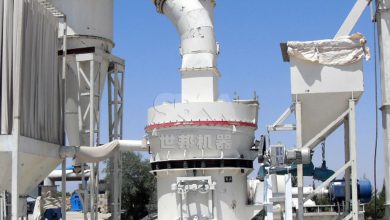
For operations requiring high-volume processing with slightly coarser specifications, our MTW Series Trapezium Mill provides an excellent solution. While not achieving the ultra-fine levels of the SCM series, it offers robust performance for general slag applications with output fineness of 30-325 mesh (600-45μm).
MTW Series Advantages for Slag Processing
- Anti-wear Shovel Design: Combined shovel blades reduce maintenance costs with curved design extending roller life
- Optimized Air Flow: Curved air channel reduces energy loss with high-strength guard plate protection
- Efficient Transmission: Bevel gear overall transmission with 98% efficiency
- Durable Structure: Wear-resistant volute structure with 30% reduced maintenance costs
Operational Considerations for Slag Ultra-fine Processing
Pre-processing Requirements
Successful ultra-fine slag processing begins with proper material preparation. Key considerations include:
- Initial crushing to appropriate feed size (typically ≤20mm for SCM series)
- Moisture control to optimize grinding efficiency
- Removal of metallic contaminants that could damage grinding components
- Consistent feed rate maintenance for stable operation
System Integration and Ancillary Equipment
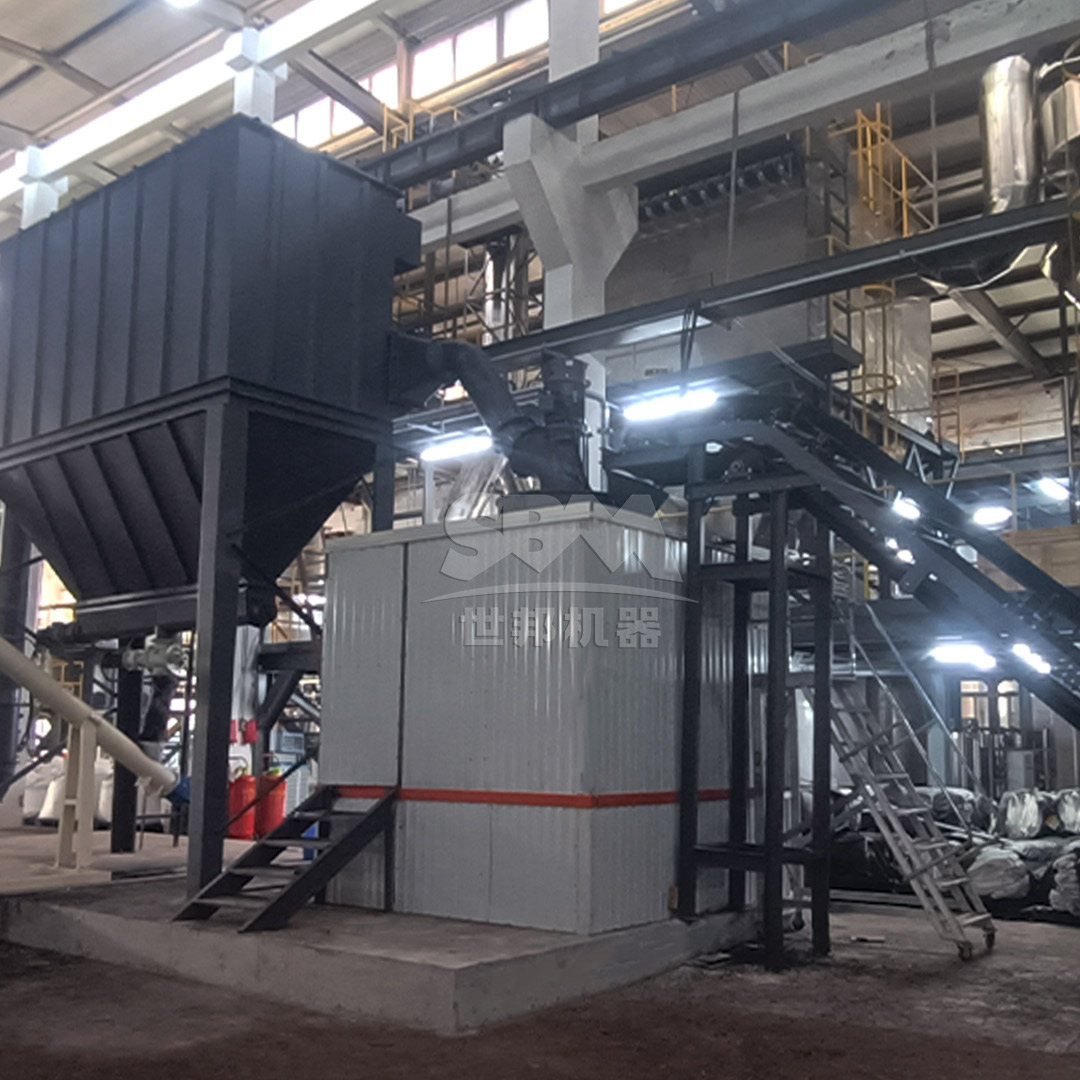
A complete slag processing system requires careful integration of multiple components:
- Feed systems with controlled rate delivery
- Primary crushing equipment for size reduction
- Dust collection systems meeting environmental standards
- Product handling and packaging solutions
- Automation and control systems for operational optimization
Economic and Environmental Benefits
Economic Advantages of Ultra-fine Slag Processing
Investing in advanced slag processing equipment delivers significant economic returns:
- Transformation of waste material into valuable products
- Reduced disposal costs and environmental compliance expenses
- Creation of new revenue streams from slag-derived products
- Energy-efficient operation reducing per-ton processing costs
- Extended component life minimizing maintenance expenses
Sustainability Contributions
Modern slag processing aligns with global sustainability initiatives:
- Reduction of industrial waste sent to landfills
- Conservation of natural resources through material substitution
- Lower carbon footprint compared to virgin material production
- Circular economy implementation within industrial processes
Case Study: SCM Series Implementation in Steel Plant
A major steel producer implemented our SCM1250 Ultrafine Mill for processing blast furnace slag. The results demonstrated the equipment’s capabilities:
- Achieved consistent output of D97 ≤ 5μm powder
- Processed 12 tons per hour of raw slag material
- Reduced energy consumption by 35% compared to previous system
- Extended maintenance intervals from 500 to 2000 operating hours
- Produced premium slag powder for high-value concrete applications
Conclusion: The Future of Slag Ultra-fine Processing
While traditional Raymond mills have limitations in processing slag into ultra-fine powder, advanced grinding technologies like our SCM Series Ultrafine Mill provide effective solutions. With the ability to achieve particle sizes down to D97 ≤ 5μm (2500 mesh), combined with energy efficiency and operational reliability, these systems transform slag from industrial waste into valuable resources.
The selection of appropriate processing equipment depends on specific requirements regarding capacity, fineness specifications, and economic considerations. For operations demanding true ultra-fine capabilities, the SCM series represents the optimal choice, while the MTW series offers robust performance for less demanding applications.
As industrial sustainability becomes increasingly important, advanced slag processing technologies will play a crucial role in circular economy implementation, turning environmental challenges into economic opportunities.