Can Raymond Mill Process Refractory Aggregate to Meet Industrial Requirements?
Introduction: The Challenge of Refractory Aggregate Processing
Refractory aggregates, including materials like bauxite, fused silica, magnesite, and zirconia, form the backbone of high-temperature industrial linings, crucibles, and kiln furniture. Their defining characteristics—exceptional hardness, high melting points, and chemical inertness—are precisely what make them so valuable, yet simultaneously present significant challenges for size reduction and processing. The primary goal is to transform these raw, often large, chunks into fine powders with tightly controlled particle size distributions (PSD) suitable for pressing, casting, or gunning applications. The central question for many processors is whether traditional grinding equipment, such as the widely used Raymond Mill (or pendulum roller mill), is capable of handling these demanding materials while meeting modern industrial standards for efficiency, product quality, and operational cost.
The Demands of Modern Industry on Refractory Powder
Industrial requirements for processed refractory powders have evolved significantly. It’s no longer sufficient to simply produce a “fine” powder. Specifications now demand:
- Precise Particle Size Distribution: A consistent and narrow PSD is critical for achieving optimal packing density in the final refractory product, which directly influences strength, porosity, and thermal conductivity.
- High Purity & Contamination Control: The grinding process must not introduce metallic contamination from wear parts, which can drastically lower the melting point and chemical stability of the refractory.
- Energy Efficiency: Given the hardness of the materials, processing can be energy-intensive. Efficient systems that minimize specific energy consumption (kWh/ton) are paramount.
- High Throughput & Reliability: Production lines require consistent, high-capacity output with minimal downtime for maintenance.
- Environmental Compliance: Fully sealed systems with efficient dust collection are non-negotiable to protect workers and meet emission regulations.
Limitations of Traditional Raymond Mills for Refractory Processing
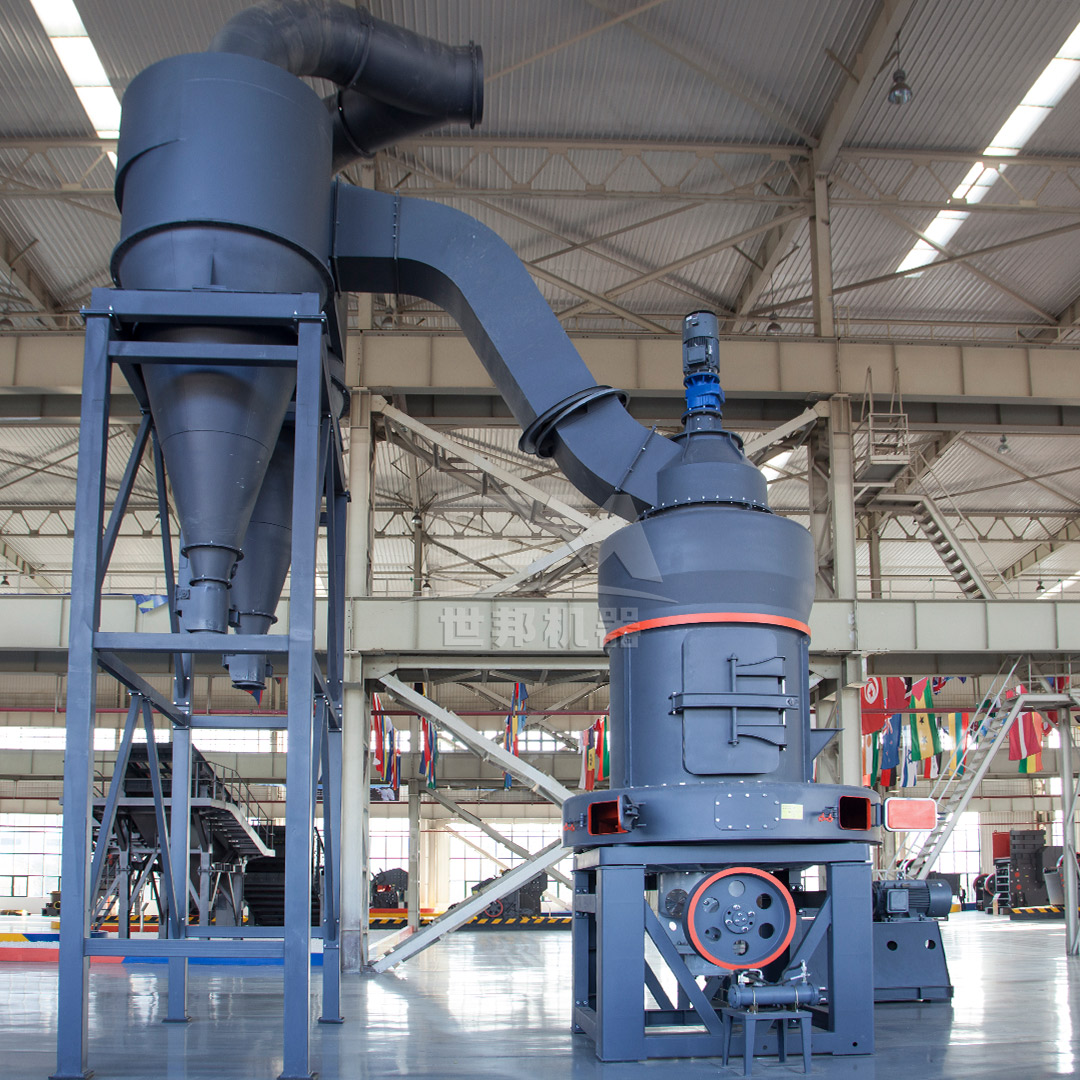
The classic Raymond Mill design, based on a central vertical shaft with spring-loaded rollers grinding against a stationary ring, has been a workhorse for decades. However, when applied to highly abrasive and hard refractory aggregates, several limitations become apparent:
- Accelerated Wear: The direct grinding contact between rollers and ring leads to rapid wear of these critical components when processing materials like silicon carbide or fused alumina. This results in frequent downtime for replacement and increasing contamination of the product with worn metal.
- Limited Fineness Control: While capable of producing powders in the 30-325 mesh (45-500μm) range, achieving and consistently maintaining superfine sizes below 325 mesh (45μm) is challenging with traditional mechanical classification systems.
- Energy Intensity: The grinding mechanism can be less efficient for ultra-hard materials, leading to higher operational costs.
- Product Contamination Risk: Metal-to-metal wear inevitably introduces trace elements into the powder, which is unacceptable for high-purity refractory applications.
Advanced Mill Technologies: The Solution for High-Performance Refractory Grinding
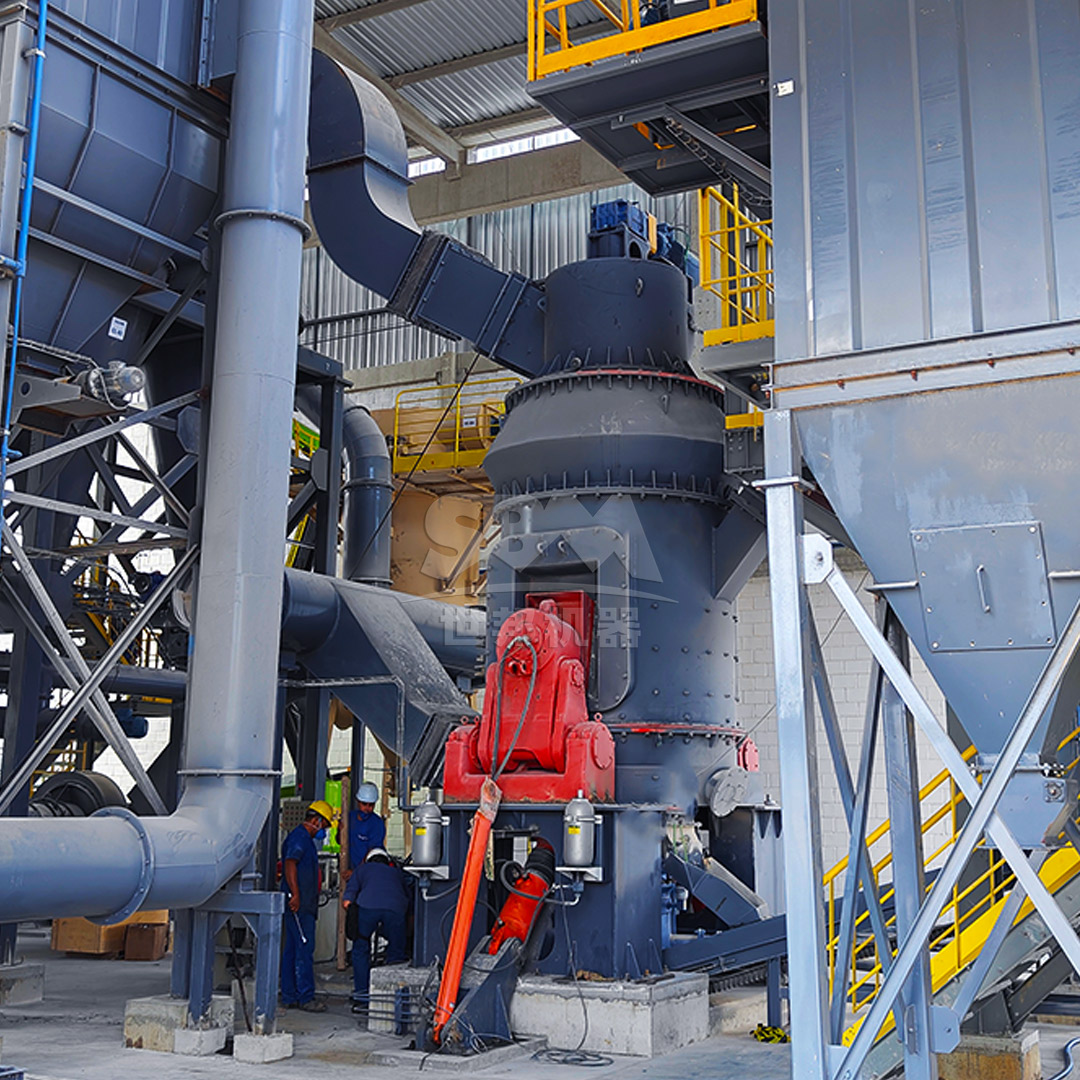
To overcome these challenges, modern grinding technology has evolved beyond the traditional Raymond Mill. The industry now leverages advanced vertical roller mill and ultra-fine grinding systems designed specifically for tough, abrasive materials. These systems address the core limitations through innovative engineering.
Key Technological Advancements
Successful refractory processing hinges on mills incorporating the following features:
- Non-Contact or Optimized Contact Grinding: Designs that minimize direct metal-to-metal contact or utilize specially hardened and durable materials for grinding elements dramatically extend service life.
- High-Precision, Forced Vortex Classifiers: Integrated dynamic classifiers with adjustable rotor speeds allow for real-time, precise control of the top particle size, enabling the production of consistent fine and ultra-fine powders.
- Integrated System Design: Combining crushing, grinding, classification, and collection into a single, compact system reduces footprint, improves efficiency, and minimizes points of dust emission.
- Intelligent Automation: PLC-based control systems monitor key parameters (pressure, temperature, motor load) and adjust operations for optimal performance and stability.
Recommended Solutions for Refractory Aggregate Processing
Based on the stringent requirements for processing hard, abrasive refractory materials, we recommend two of our flagship grinding systems, each excelling in different fineness and capacity ranges.
1. For High-Capacity, Coarse to Medium-Fine Grinding (30-325 mesh): The MTW Series European Trapezium Mill
When your project requires robust, high-volume processing of refractory aggregates to standard fineness levels, the MTW Series European Trapezium Mill is an ideal choice. Engineered for durability and efficiency, it tackles the abrasiveness of materials like calcined bauxite or magnesite head-on.
Its anti-wear shovel design and curved grinding rollers are specifically built to extend component life when handling abrasive feeds. The integral bevel gear drive provides a remarkable 98% transmission efficiency, translating input power directly into grinding force with minimal loss, which is crucial for energy-intensive materials. Furthermore, its wear-resistant volute structure and optimized arc air duct ensure smooth material and airflow, reducing maintenance costs by an estimated 30% compared to conventional designs. With models like the MTW215G offering capacities up to 45 tons per hour and handling feed sizes up to 50mm, this mill is built for large-scale refractory preparation.
2. For Ultra-Fine and High-Purity Powder Production (325-2500 mesh): The SCM Series Ultrafine Mill
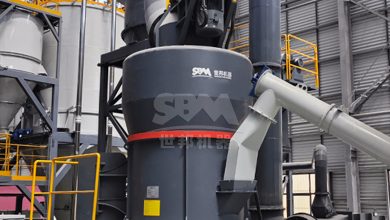
For applications demanding ultra-fine refractory powders with stringent purity requirements—such as advanced ceramics or specialty coatings—the SCM Series Ultrafine Mill represents the pinnacle of grinding technology. This mill is capable of producing powders as fine as 5μm (2500 mesh), a range far beyond traditional Raymond Mills.
The core of its success lies in its high-precision vertical turbine classifier, which ensures sharp particle size cuts and eliminates coarse powder mixing, guaranteeing a uniform and consistent final product. Its special material rollers and rings offer service life several times longer than standard components, critically reducing metallic contamination. From an operational standpoint, the SCM series is both high efficiency and energy saving, delivering capacity up to 2 times that of jet mills while consuming 30% less energy. The fully eco-friendly system, with pulse dust collection exceeding international standards, ensures a clean production environment. A model such as the SCM1250, with a capacity range of 2.5-14 t/h, is perfectly suited for high-value, superfine refractory powder production.
Conclusion: Meeting and Exceeding Industrial Requirements
In conclusion, while the basic principle of the Raymond Mill laid the groundwork, contemporary industrial requirements for refractory aggregate processing demand more sophisticated solutions. The question is not merely if a mill can process refractory aggregate, but how well it can do so in terms of product quality, operational economy, and system reliability.
By adopting advanced mill technologies like the MTW Series European Trapezium Mill for high-tonnage, standard-fineness applications and the SCM Series Ultrafine Mill for premium, superfine powder production, processors can confidently meet and exceed modern industry standards. These systems are engineered to conquer the challenges of hardness and abrasiveness, delivering precise particle size control, minimizing contamination, optimizing energy use, and ensuring environmentally sound operation. Investing in the right grinding technology is the definitive step towards achieving superior refractory products and maintaining a competitive edge in the market.