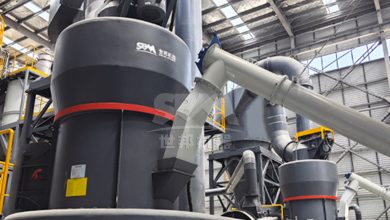
Can Raymond Mill Grind Zeolite? How to Choose Ultrafine Zeolite Powder Grinding Mill
Introduction
Zeolite, a versatile aluminosilicate mineral with a unique microporous structure, has found extensive applications in industries ranging from agriculture and animal husbandry to catalysis, water purification, and gas separation. The performance of zeolite in these applications is critically dependent on its particle size and uniformity. Ultrafine zeolite powder, typically in the range of several microns to sub-micron levels, offers significantly enhanced surface area and reactivity. This leads to a common question in the mineral processing field: Can traditional grinding equipment like the Raymond Mill handle zeolite effectively? More importantly, what is the optimal choice for producing high-quality ultrafine zeolite powder? This article delves into the grinding characteristics of zeolite, evaluates the suitability of various mill types, and provides a comprehensive guide for selecting the right ultrafine grinding solution.
Understanding Zeolite and Its Grinding Challenges
Zeolites are crystalline solids with well-defined structures containing pores and cavities of molecular dimensions. Their natural forms, like clinoptilolite and mordenite, and synthetic varieties, such as Zeolite A and Zeolite Y, possess varying degrees of hardness (typically 3.5-5.5 on the Mohs scale) and crystal structures. The primary goal of grinding zeolite is to reduce particle size without destroying its crucial microporous framework. Excessive heat generation, mechanical shear, or contamination during grinding can lead to partial or complete collapse of the pore structure, drastically reducing its adsorption capacity and catalytic activity. Therefore, the ideal grinding mill must offer:
- Controlled Energy Input: To prevent thermal degradation.
- Precise Particle Size Classification: To ensure a narrow, consistent particle size distribution (PSD).
- Minimal Contamination: Through the use of wear-resistant materials in the grinding zone.
- High Efficiency: To achieve target fineness with reasonable energy consumption.
Can Raymond Mill Grind Zeolite?
The term “Raymond Mill” often colloquially refers to a class of pendulum roller mills, including traditional Raymond mills (R-type) and modernized versions like the MTW Series Trapezium Mill. These mills operate on the principle of centrifugal grinding where rollers swing outward and press against a stationary ring, crushing the material fed by a shovel.
Answer: Yes, but with limitations.
Raymond Mill-type equipment, particularly modern iterations, can effectively grind zeolite to a medium fineness range, typically between 30 mesh (600μm) and 325 mesh (45μm). They are suitable for applications where ultra-fineness is not critical, such as in some soil conditioners or animal feed additives.
Limitations for Ultrafine Zeolite Production:
- Fineness Cap: Achieving consistent output finer than 325 mesh (45μm) becomes challenging. The mechanical crushing action and inherent classification system in standard Raymond mills struggle to efficiently produce and separate particles in the 5-45μm (325-2500 mesh) range.
- Heat Generation: The friction between rollers and the ring can generate significant heat, which might be detrimental to heat-sensitive zeolite structures if not properly managed with airflow.
- Particle Shape & Distribution: The product tends to have a broader size distribution compared to dedicated ultrafine mills, which may not be ideal for high-end applications requiring precise particle engineering.
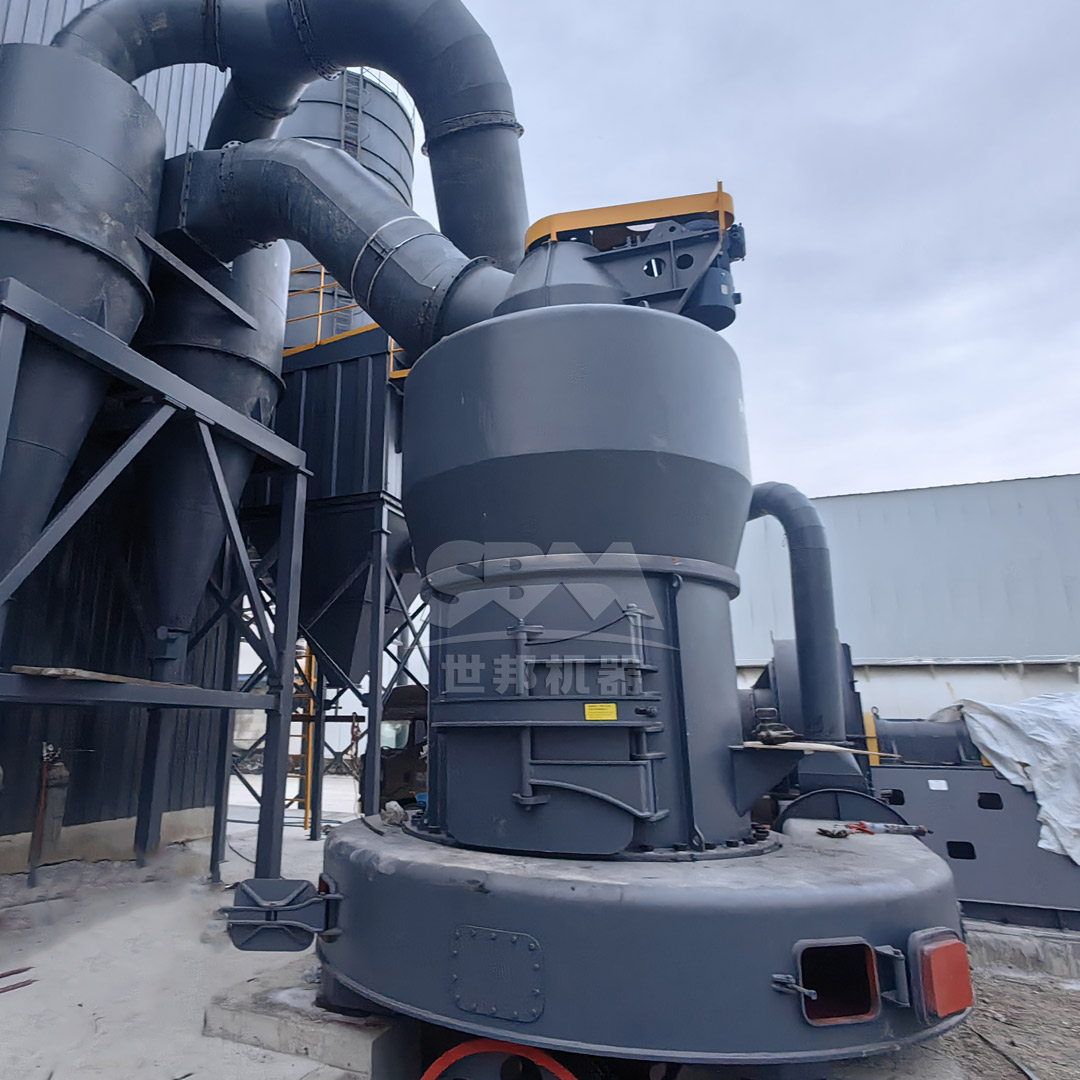
For projects requiring zeolite powder in the 30-325 mesh range with high throughput, our MTW Series Trapezium Mill presents an excellent, upgraded alternative to traditional Raymond mills. It incorporates technological advancements like a conical gear overall transmission (98% efficiency), curved air duct for reduced energy loss, and wear-resistant volute structure. These features enhance stability, reduce maintenance costs by 30%, and improve overall grinding efficiency for zeolite within its operational fineness spectrum. Models like the MTW215G can handle capacities up to 45 tons per hour, making it a robust solution for large-scale production of medium-fineness zeolite powder.
Choosing the Right Ultrafine Zeolite Powder Grinding Mill
For producing true ultrafine zeolite powder (D97 ≤ 5μm, or 2500 mesh and beyond), specialized equipment is required. The selection should be based on the target fineness, required capacity, desired particle characteristics, and total operational cost (including energy and wear parts).
Key Mill Types for Ultrafine Zeolite Grinding
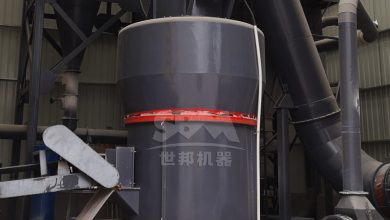
1. Ultrafine Vertical Roller Mills (VRM): Modern vertical mills designed for fine and ultrafine grinding integrate grinding, drying, and classification in a single unit. They utilize a bed grinding principle where material is ground between rollers and a rotating table, offering high energy efficiency and low wear.
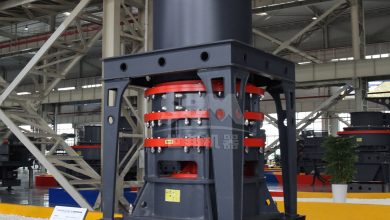
2. Ultrafine Ring Roller Mills (Superfine Mills): These are advanced versions of pendulum mills, specifically engineered for ultrafine processing. They feature enhanced classification systems with high-precision turbo classifiers that can make sharp cuts in the micron range.
3. Jet Mills (Fluidized Bed Jet Mills): These mills use high-speed jets of compressed air or steam to cause particle-on-particle impact, resulting in extremely fine, contamination-free powder with narrow PSD. They are excellent for heat-sensitive materials but have higher energy consumption and lower capacity compared to mechanical mills.
Critical Selection Criteria
- Target Fineness & Distribution: Define the required D50, D97, or specific surface area. Mills with dynamic turbo classifiers offer superior control.
- Grinding Mechanism: Consider bed grinding (VRM) for efficiency or impact grinding (Jet Mill) for purity and minimal heat.
- System Integration: Look for mills with integrated drying (if feed is moist), efficient collection systems (pulse-jet bag filters), and automated controls.
- Wear and Contamination: Ensure critical grinding components are made of high-wear-resistant materials (e.g., ceramic) to prevent iron contamination.
- Energy Consumption: Compare specific energy consumption (kWh/ton) for the target fineness.
Recommended Solution: SCM Ultrafine Mill for High-Quality Zeolite Powder
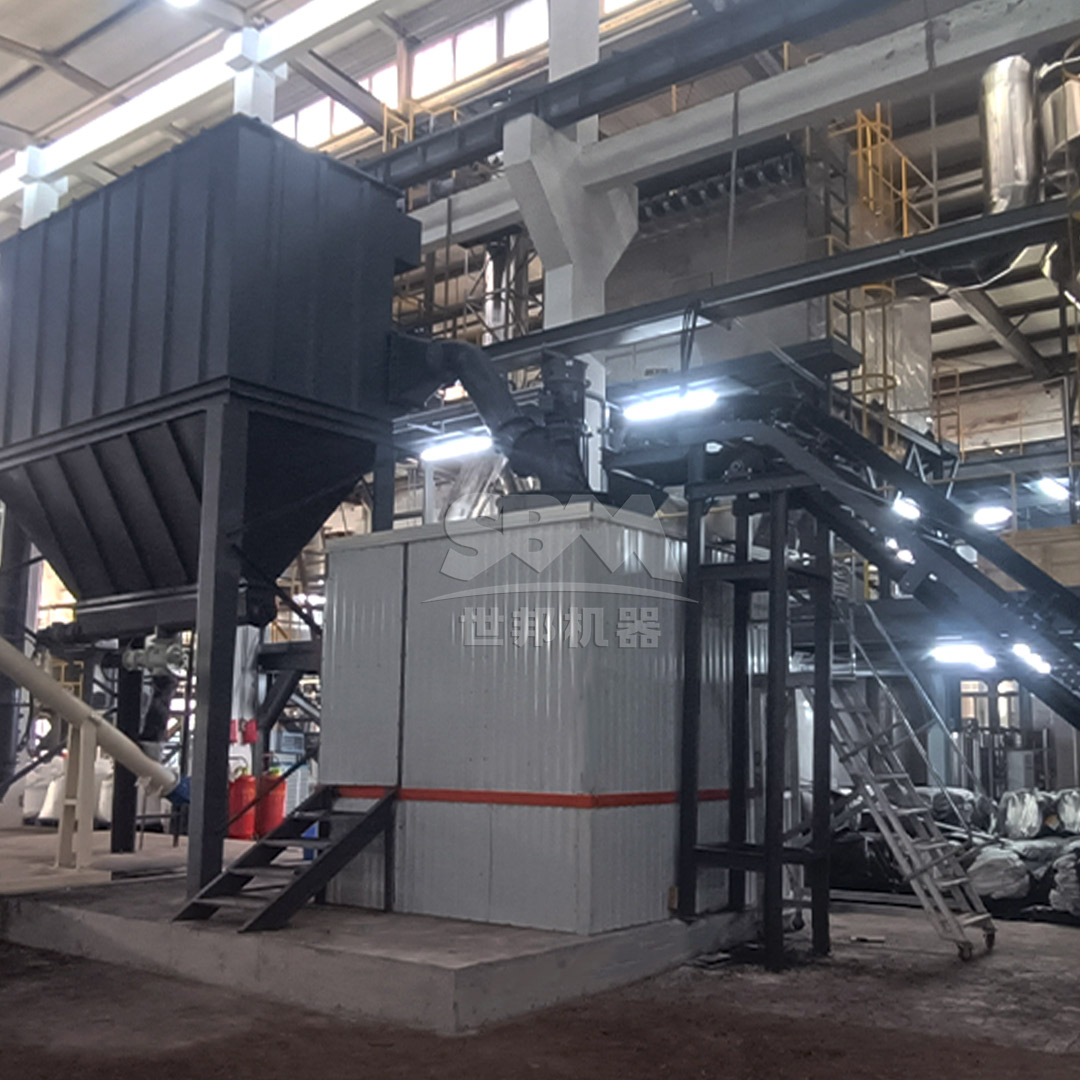
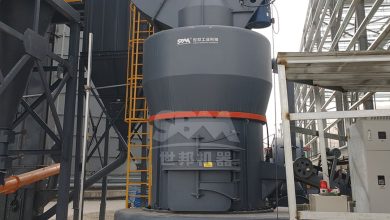
For the production of high-value, ultrafine zeolite powder, our SCM Series Ultrafine Mill stands out as a premier, cost-effective mechanical grinding solution. It is specifically designed to overcome the limitations of traditional mills when processing materials to the micron and sub-micron level.
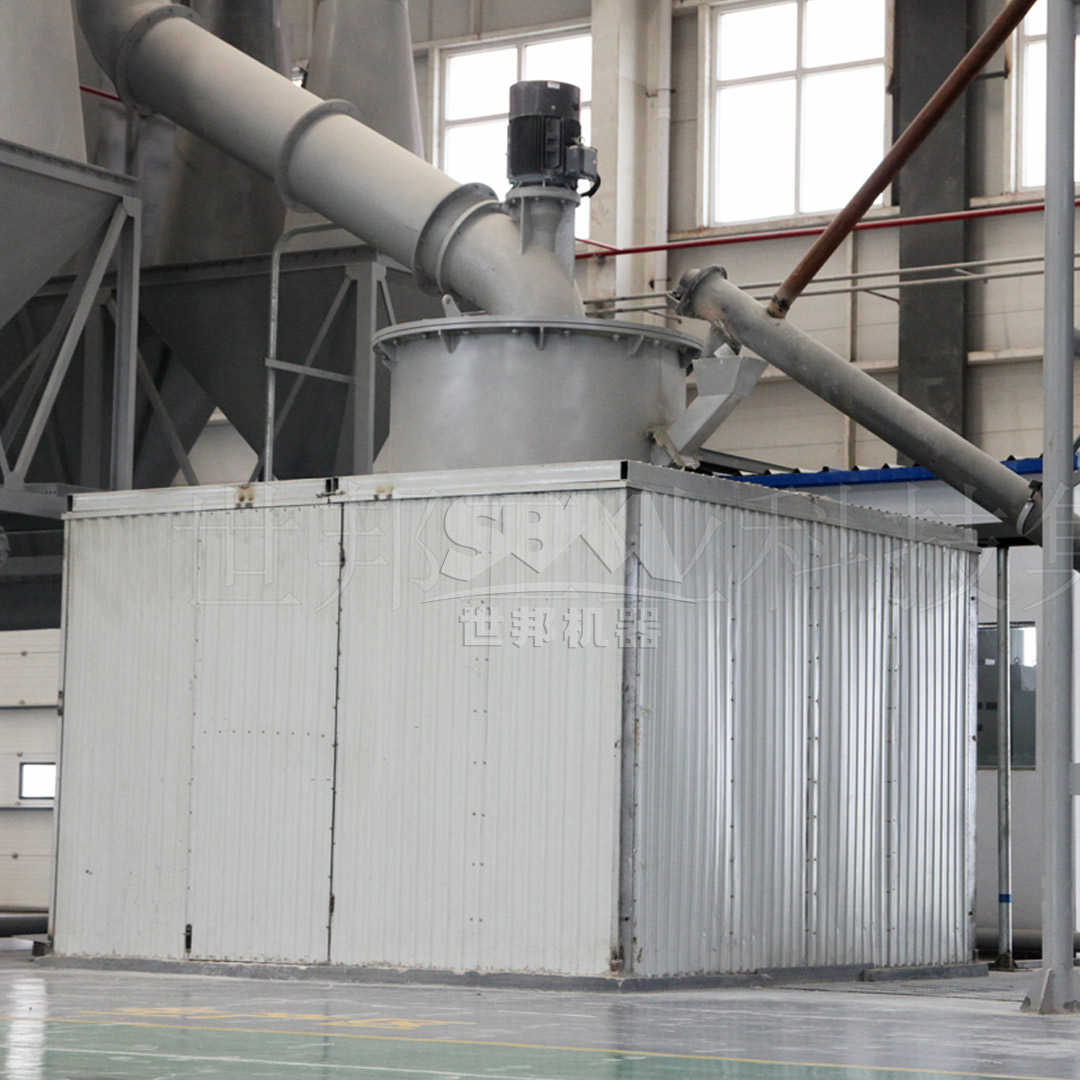
Why the SCM Ultrafine Mill is Ideal for Zeolite:
- Superior Fineness and Precision: It reliably produces powder in the range of 325 to 2500 mesh (45-5μm, D97). Its key component, the vertical turbine classification system, ensures precise particle size切割 (cutting), guaranteeing a uniform product with no coarse grit contamination. This is paramount for zeolite’s performance in catalysts and advanced adsorbents.
- High Efficiency & Energy Saving: The mill’s grinding chamber design and multi-layer grinding principle result in a capacity that can be twice that of a jet mill with 30% lower energy consumption for the same fineness. Intelligent control systems automatically adjust operational parameters based on feedback for optimal performance.
- Protection of Zeolite Structure: The grinding elements (roller and ring) can be fitted with special wear-resistant materials to minimize iron contamination. Furthermore, the efficient airflow through the system helps dissipate heat generated during grinding, protecting the delicate zeolite pore structure from thermal damage.
- Robust and Eco-friendly Design: Featuring a bearingless screw grinding chamber for stable operation and extended lifespan of components. The system operates under negative pressure with a high-efficiency pulse dust collector, ensuring dust emissions meet stringent international standards and workshop cleanliness.
Model Selection Guidance: The SCM series offers a range of models to match different production scales. For pilot plants or smaller production lines, the SCM800 (0.5-4.5 t/h) is an excellent starting point. For large-scale industrial production, the SCM1680 (5.0-25 t/h) provides the necessary throughput while maintaining ultrafine product quality.
Conclusion
While Raymond Mill-type equipment can process zeolite for certain applications, the demand for high-performance ultrafine zeolite powder necessitates more advanced technology. The choice of grinding mill directly impacts the product quality, operational cost, and ultimately the effectiveness of the zeolite in its end-use. For producers aiming to capture the premium market in catalysis, advanced materials, or high-efficiency adsorption, investing in a dedicated ultrafine grinding system is crucial.
Our SCM Ultrafine Mill, with its proven ability to deliver precisely controlled, high-yield ultrafine zeolite powder at industry-leading energy efficiency, represents a strategic solution. By carefully evaluating your target specifications against the capabilities of mills like the SCM and MTW series, you can make an informed decision that ensures both technical success and economic viability for your zeolite processing operations.