Can Raymond Mill Grind Steel Slag? What Equipment is Best for Grinding Steel Slag?
Introduction to Steel Slag Grinding
Steel slag, a byproduct of steel manufacturing, presents both challenges and opportunities in industrial processing. With its abrasive nature and variable composition, selecting the right grinding equipment is crucial for efficient processing and value addition. This comprehensive guide examines whether Raymond mills can effectively handle steel slag and identifies the optimal equipment for various grinding requirements.
Understanding Steel Slag Characteristics
Steel slag typically contains calcium oxide, silicon dioxide, iron oxides, and various metal oxides, making it highly abrasive and challenging to process. The material’s hardness ranges from 6 to 8 on the Mohs scale, with moisture content varying from 5% to 15%. These characteristics demand robust grinding equipment capable of handling abrasive materials while maintaining operational efficiency.
Can Raymond Mill Grind Steel Slag?
Traditional Raymond mills, while versatile for many materials, face significant limitations when processing steel slag. The primary challenges include:
- High Abrasion Wear: Steel slag’s abrasive properties accelerate wear on grinding components
- Variable Hardness: Inconsistent material hardness affects grinding stability
- Moisture Sensitivity: Moisture content variations impact grinding efficiency
- Production Capacity Limitations: Traditional designs struggle with high-volume steel slag processing
While Raymond mills can technically process steel slag, their efficiency and operational costs make them less suitable compared to specialized equipment designed specifically for challenging materials.
Optimal Equipment for Steel Slag Grinding
Vertical Roller Mills: The Superior Choice
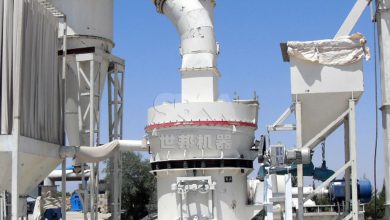
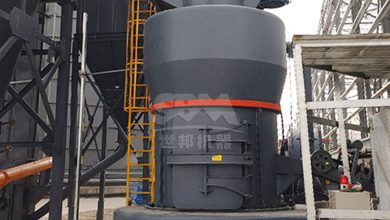
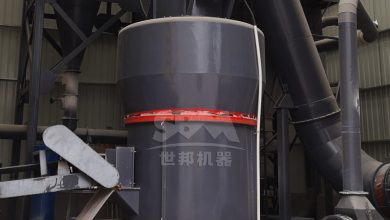
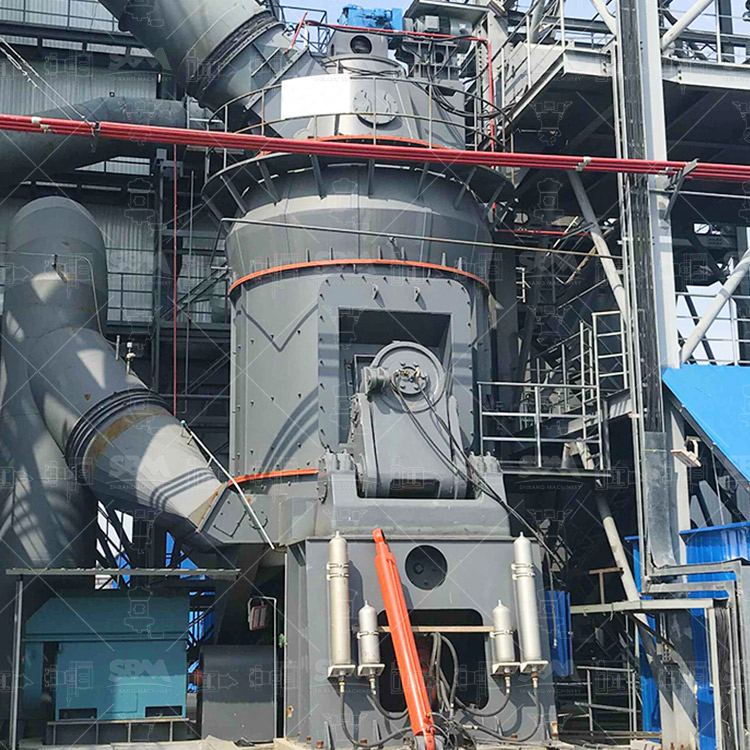
For steel slag grinding applications, vertical roller mills offer significant advantages over traditional grinding systems. Our LM Series Vertical Roller Mill stands out as an exceptional solution for steel slag processing.
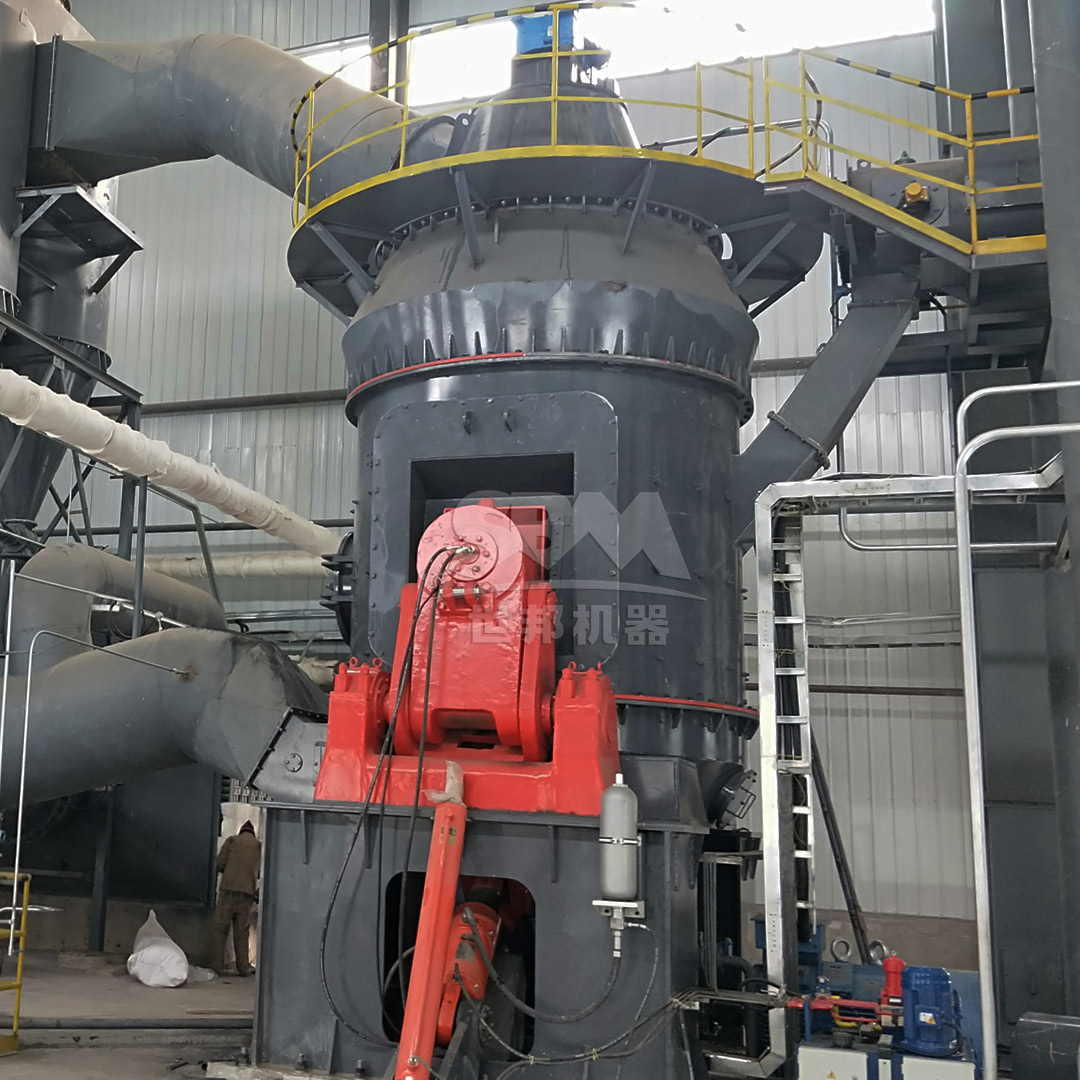
The LM Series features specialized design elements that make it ideal for steel slag:
- Enhanced Durability: Special wear-resistant materials in grinding components
- High Efficiency: Integrated drying and grinding capabilities
- Flexible Operation: Adjustable fineness from 30-325 mesh
- Large Capacity: Processing capabilities from 3-250 tons per hour
Technical Advantages for Steel Slag Applications
The LM Series Vertical Roller Mill incorporates several patented technologies specifically beneficial for steel slag grinding:
- Modular Roller Assembly: Quick replacement system reduces maintenance downtime
- Dynamic Classifier Technology: Precise particle size control
- Heat Circulation System: Efficient drying of moist slag materials
- Wear Protection: Specialized lining materials extend component life
SCM Ultrafine Mill for High-Value Applications
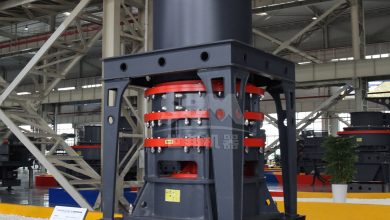
For applications requiring ultra-fine steel slag powder, our SCM Ultrafine Mill provides exceptional performance. This equipment is particularly suitable for producing steel slag powders with fineness ranging from 325 to 2500 mesh (D97≤5μm).
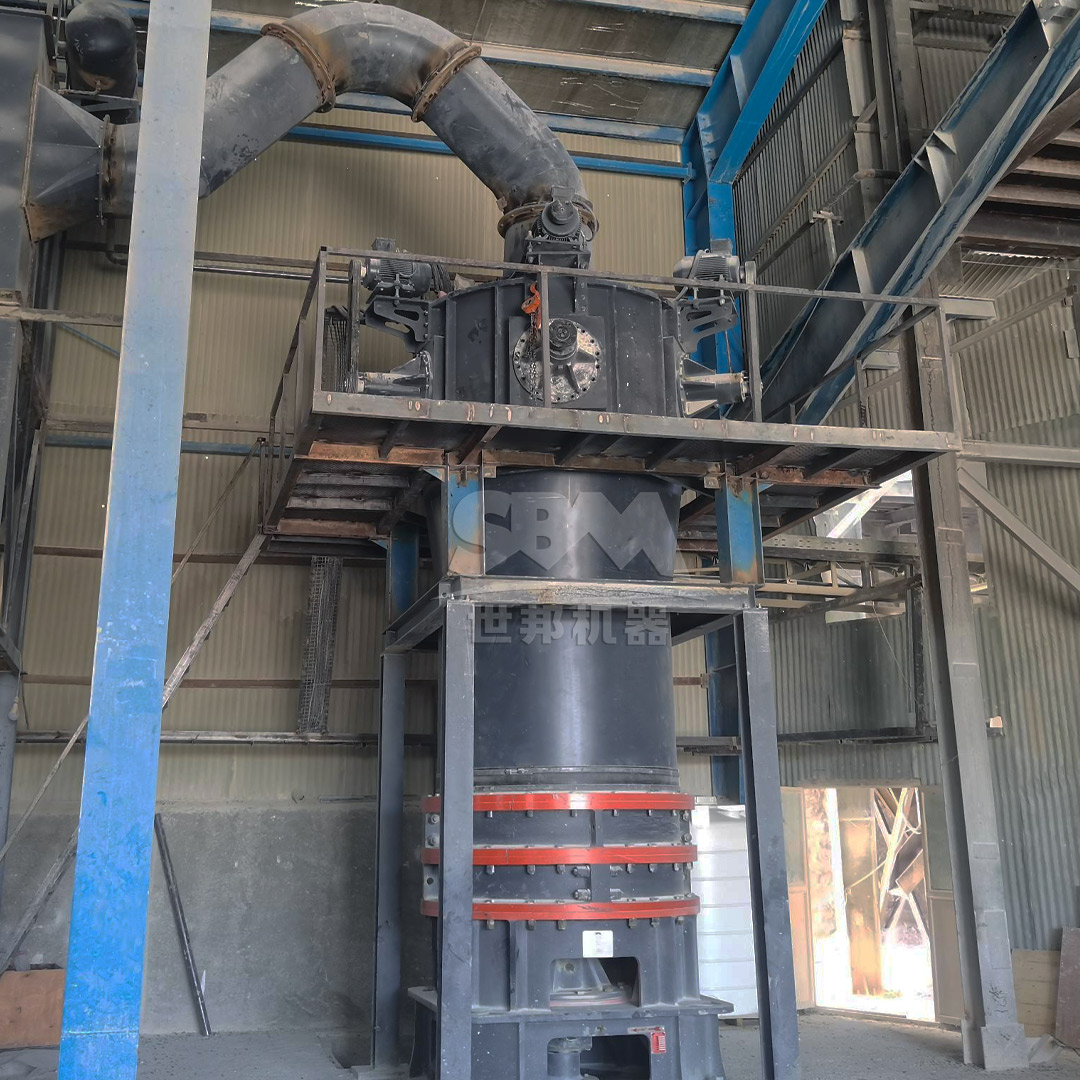
The SCM series offers unique benefits for specialized steel slag applications:
- Precision Grinding: Vertical turbine classifier ensures accurate particle size distribution
- Energy Efficiency: 30% lower energy consumption compared to jet mills
- High Capacity: Throughput from 0.5 to 25 tons per hour depending on model
- Environmental Compliance: Pulse dust collection exceeding international standards
Comparative Analysis: Equipment Selection Guide
Production Capacity Considerations
Selecting the appropriate equipment depends heavily on production requirements:
- Small to Medium Scale (3-25 TPH): LM130K to LM190K models
- Large Scale Operations (25-105 TPH): LM220K to LM280K models
- Ultra-Fine Applications: SCM800 to SCM1680 series
Economic Factors
The economic viability of steel slag grinding depends on multiple factors:
- Initial Investment: Vertical mills offer better long-term ROI despite higher initial cost
- Operating Costs: Energy consumption and maintenance requirements
- Product Value: Finer powders command premium prices in certain markets
- Environmental Compliance: Meeting emission standards without additional equipment
Case Study: Successful Steel Slag Grinding Implementation
A major steel processing plant implemented our LM220K Vertical Roller Mill for their steel slag processing line. The results demonstrated significant improvements:
- Production Increase: 45% higher throughput compared to previous ball mill system
- Energy Savings: 35% reduction in specific energy consumption
- Maintenance Reduction: 60% decrease in component replacement frequency
- Product Quality: Consistent fineness with 95% of particles within target range
Technical Specifications for Steel Slag Applications
LM Series Vertical Slag Mill Specifications
Our specialized Vertical Slag Mill series offers optimized performance for steel slag:
- LM130N: 4-6 TPH capacity, 200-250 kW power, ≥420m²/kg specific surface area
- LM150N: 6-8 TPH capacity, 280-315 kW power
- LM170N: 8-10 TPH capacity, 400-450 kW power
- LM220N: 20-26 TPH capacity, 900-1000 kW power
SCM Ultrafine Mill for Specialty Applications
For ultra-fine steel slag powder production:
- SCM800: 0.5-4.5 TPH, 75 kW power, 325-2500 mesh fineness
- SCM1000: 1.0-8.5 TPH, 132 kW power
- SCM1250: 2.5-14 TPH, 185 kW power
- SCM1680: 5.0-25 TPH, 315 kW power
Operational Best Practices
Pre-Processing Requirements
Successful steel slag grinding requires proper material preparation:
- Moisture Control: Maintain moisture below 15% for optimal grinding
- Feed Size: Ensure input material ≤50mm for vertical mills
- Metal Removal: Implement magnetic separation to remove tramp metal
- Storage Conditions: Prevent contamination and moisture absorption
Maintenance Protocols
Regular maintenance ensures consistent performance:
- Wear Component Inspection: Schedule based on operating hours
- Lubrication Systems: Automated systems reduce manual intervention
- Classifier Maintenance: Regular cleaning and calibration
- Dust Collection: Filter replacement and system checks
Environmental Considerations and Compliance
Modern grinding equipment must address environmental concerns:
- Dust Emissions: Advanced collection systems maintain levels below 20mg/m³
- Noise Control: Integrated acoustic design keeps noise below 80dB(A)
- Energy Efficiency: Optimized systems reduce carbon footprint
- Water Conservation: Dry processing eliminates water consumption
Future Trends in Steel Slag Processing
The steel slag grinding industry continues to evolve with several key trends:
- Digitalization: IoT integration for predictive maintenance
- Automation: Reduced human intervention through smart controls
- Sustainability: Enhanced energy recovery systems
- Product Diversification: Development of specialized slag-based products
Conclusion: Making the Right Equipment Choice
While traditional Raymond mills can process steel slag, their limitations make them less suitable compared to specialized equipment like vertical roller mills and ultrafine grinding systems. The optimal choice depends on specific requirements:
- For General Applications: LM Series Vertical Roller Mills offer the best balance of capacity, efficiency, and operating costs
- For Ultra-Fine Products: SCM Ultrafine Mills provide precision grinding for high-value applications
- For Large-Scale Operations: High-capacity vertical mills deliver economic advantages through scale
Investing in the right grinding equipment not only improves processing efficiency but also enhances the value of steel slag products, contributing to both economic and environmental sustainability in steel production.