Can Raymond Mill Grind Perlite? A Detailed Analysis
Introduction
Perlite, a naturally occurring volcanic glass, has become an indispensable material across multiple industries due to its unique properties when expanded. The raw perlite ore contains 2-5% combined water, which when heated rapidly to 900-1100°C, expands to 4-20 times its original volume, creating the lightweight, porous material widely used in construction, horticulture, filtration, and industrial applications. However, the journey from raw ore to functional expanded perlite requires precise grinding to achieve optimal particle size distribution. This comprehensive analysis examines whether Raymond mill technology can effectively process perlite and explores the ideal grinding solutions for this versatile material.
Understanding Perlite’s Physical Characteristics
Raw perlite ore presents several unique challenges for grinding operations. Its Mohs hardness typically ranges from 5.5 to 7, placing it in the medium-hard mineral category. The material exhibits a glassy structure with conchoidal fracture patterns and contains 2-5% bound water that must be preserved until the expansion process. The ideal particle size for expansion ranges from 150 microns to 1.18 mm (100-16 mesh), with specific applications requiring even finer grinding.
Perlite’s abrasiveness varies depending on its silica content, which can reach 70-75%. This high silica content contributes to significant wear on grinding components, making material selection and machine design critical factors in perlite processing operations. Additionally, the material’s low thermal conductivity and specific heat capacity must be considered to prevent premature expansion during grinding.
Traditional Raymond Mill Technology: Capabilities and Limitations
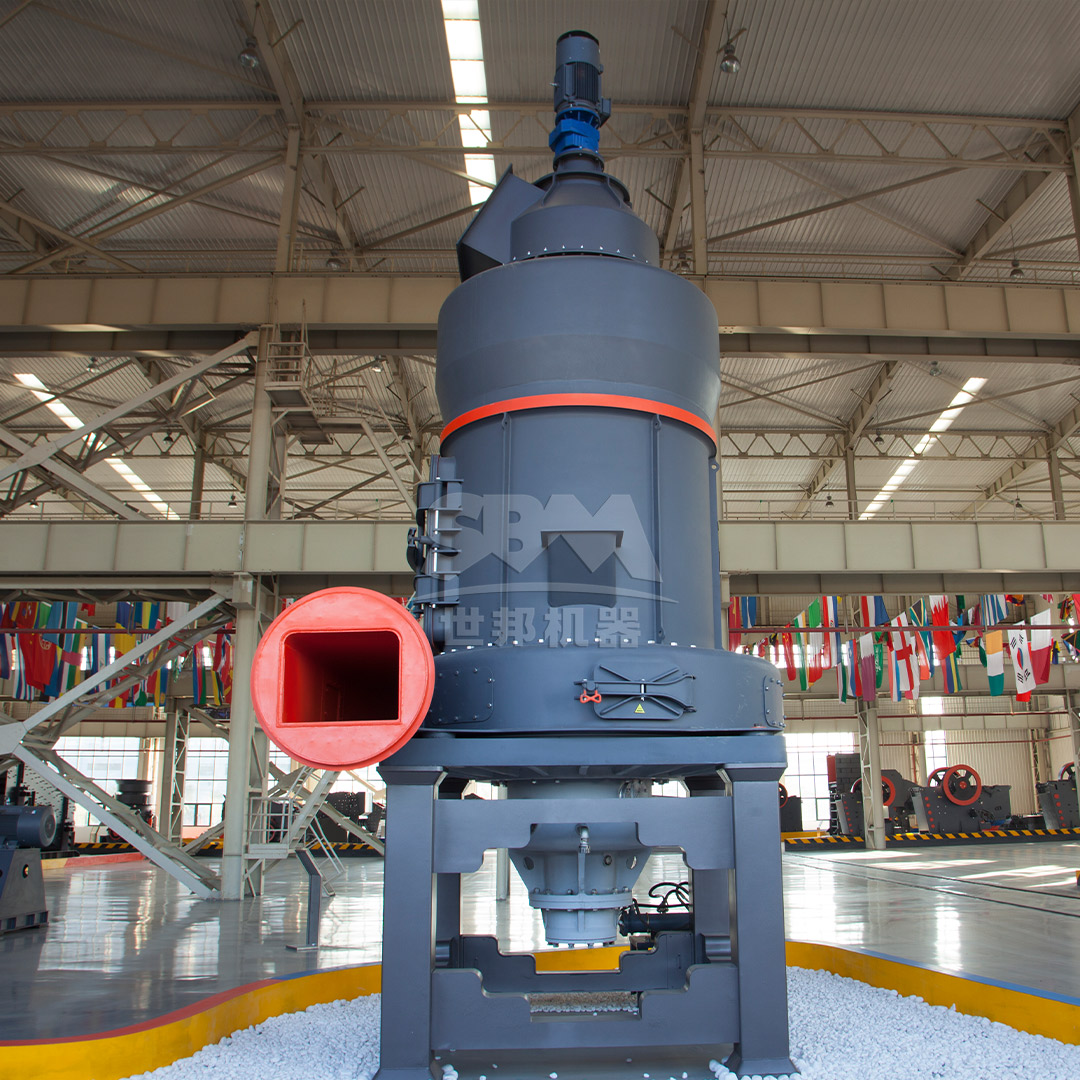
Conventional Raymond mill systems, also known as pendulum roller mills, have been widely used in mineral processing for decades. These systems typically operate with grinding pressures ranging from 50-150 MPa and can achieve fineness between 80-325 mesh (180-45 microns). The basic working principle involves multiple grinding rollers suspended from a rotating central shaft, which swing outward under centrifugal force to crush materials against a stationary grinding ring.
For perlite applications, standard Raymond mills demonstrate several limitations. The relatively coarse particle size distribution often fails to meet the stringent requirements for high-value perlite applications. The open grinding system can lead to significant product loss due to the lightweight nature of perlite particles. Furthermore, the high silica content accelerates wear on grinding components, increasing maintenance costs and potentially introducing contamination.
The thermal sensitivity of perlite presents another challenge. Conventional Raymond mills generate substantial heat through friction, which can prematurely expand the perlite particles, reducing product quality and potentially causing operational issues within the mill system. This makes temperature control a critical factor in perlite processing.
Advanced Grinding Solutions for Perlite Processing
SCM Ultrafine Mill: The Precision Solution
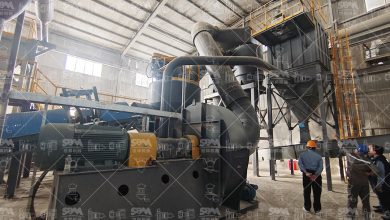
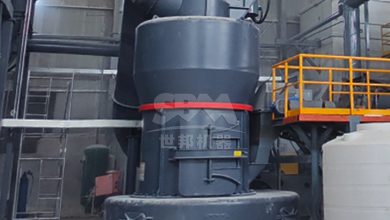
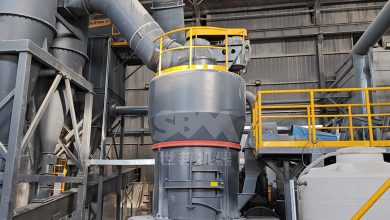
For operations requiring superior perlite product quality, our SCM Ultrafine Mill represents the pinnacle of grinding technology. This advanced system operates on a fundamentally different principle than traditional Raymond mills, featuring a three-layer grinding ring design and vertical turbine classification system that achieves remarkable precision in particle size control.
The SCM series offers several distinct advantages for perlite processing. With an output fineness range of 325-2500 mesh (D97≤5μm), it far exceeds the capabilities of conventional systems. The intelligent control system automatically monitors and adjusts for optimal particle size distribution, while the special material roller and grinding ring components provide exceptional wear resistance against perlite’s abrasive silica content.
Key technical specifications include:
- Input size: ≤20mm
- Output fineness: 325-2500 mesh (D97≤5μm)
- Processing capacity: 0.5-25 ton/h (depending on model)
- Energy efficiency: 30% lower consumption compared to jet mills
- Noise level: ≤75dB with integrated soundproofing
The SCM800 model, with its 75kW main motor and 0.5-4.5 ton/h capacity, proves particularly effective for medium-scale perlite operations requiring high-value fine powder products. The system’s pulse dust collection efficiency exceeds international standards, minimizing product loss and ensuring environmental compliance.
MTW Series Trapezium Mill: Balanced Performance
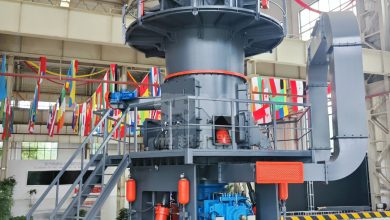
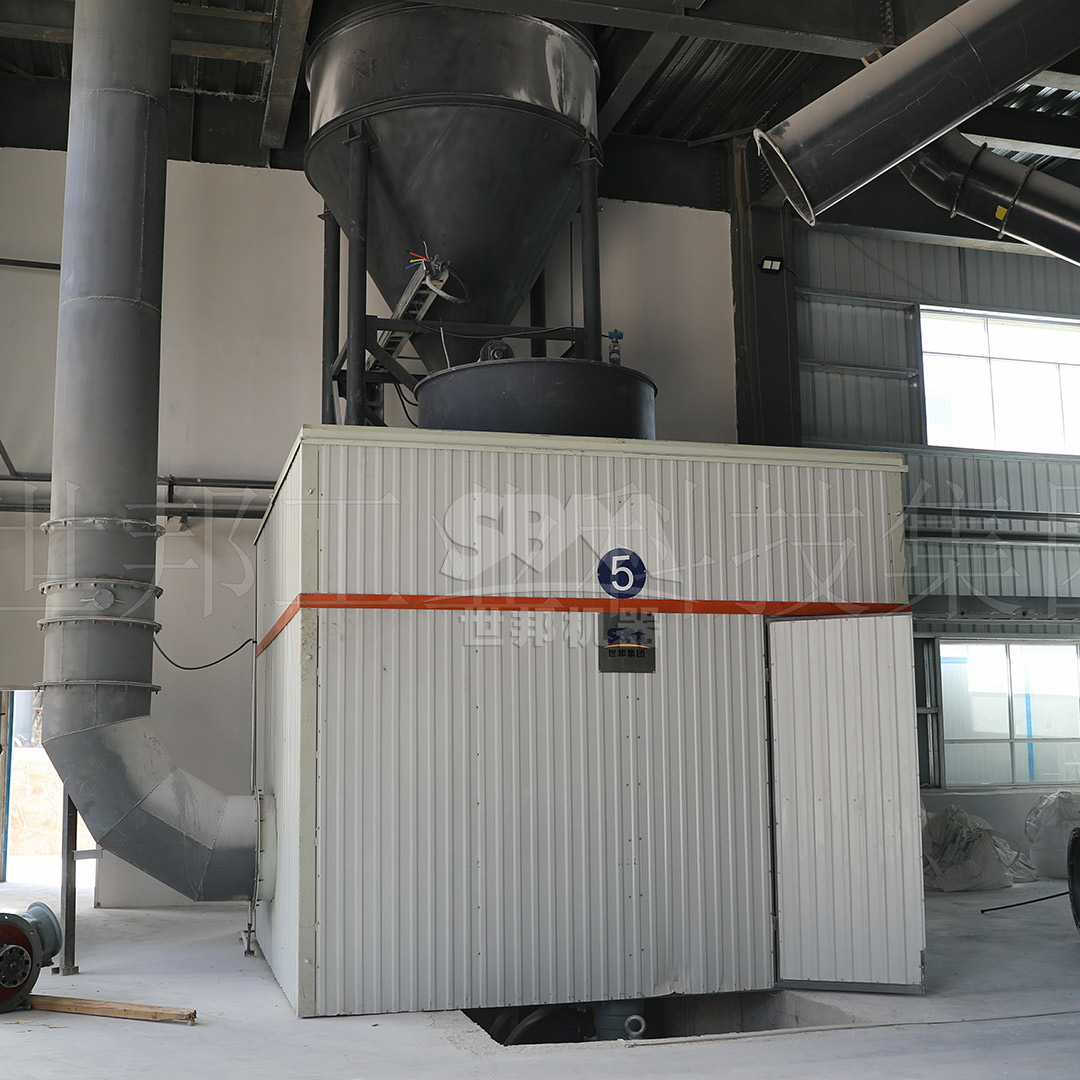
For operations prioritizing throughput and versatility, our MTW Series Trapezium Mill offers an optimal balance of capacity and precision. This European-style grinding mill incorporates several technological innovations that make it particularly suitable for perlite processing.
The MTW series features an advanced wear-resistant shovel design with combined blade technology that significantly reduces maintenance costs. The curved air channel optimization minimizes energy loss during material transport, while the integrated cone gear transmission achieves 98% transmission efficiency. These features combine to create a highly efficient grinding system specifically engineered for materials like perlite.
Technical highlights include:
- Input size: ≤50mm
- Output fineness: 30-325 mesh (down to 0.038mm)
- Processing capacity: 3-45 ton/h (model dependent)
- Maintenance costs: 30% reduction through optimized design
- Dust collection: Advanced pulse technology with automatic operation
The MTW215G model, with its 280kW main motor and 15-45 ton/h capacity, provides an ideal solution for large-scale perlite processing facilities. The mill’s internal oil lubrication system and international advanced pulse dust collection technology ensure reliable operation with minimal environmental impact.
Comparative Analysis: Grinding Performance Metrics
When evaluating grinding solutions for perlite, several performance metrics must be considered. The SCM Ultrafine Mill demonstrates superior performance in particle size control, achieving consistent D97 values below 5 microns with narrow distribution curves. This precision makes it ideal for high-value applications where particle size directly impacts product performance.
The MTW Series Trapezium Mill excels in throughput efficiency, processing up to 45 tons per hour while maintaining acceptable particle size distributions for most commercial perlite applications. Its combination of high capacity and reasonable energy consumption makes it particularly suitable for bulk processing operations.
Wear resistance represents another critical factor. Both systems utilize specialized materials in high-wear components, but the SCM series’ unique grinding chamber design and material selection provide extended service life in high-silica applications. Regular maintenance intervals for both systems typically range from 800-1,200 operating hours, depending on perlite quality and operating conditions.
Application-Specific Recommendations
The choice between grinding systems depends largely on the intended perlite application. For construction applications requiring coarse to medium-fine particles (30-100 mesh), the MTW Series provides optimal efficiency and cost-effectiveness. The system’s high capacity and robust construction match well with the volume requirements of construction material production.
For filtration applications demanding precise particle size distributions between 100-325 mesh, the SCM Ultrafine Mill offers unparalleled control and consistency. The ability to maintain tight tolerances on particle size directly impacts filtration efficiency and flow rates in these applications.
Horticultural perlite typically requires a broader particle size distribution to provide both aeration and moisture retention. Both systems can be configured to produce the appropriate blends, though the MTW Series often provides better economics for these medium-value applications.
Specialty applications, including fine fillers, functional additives, and high-performance insulation materials, typically benefit from the SCM series’ ultra-fine capabilities and precise classification. The superior product quality justifies the higher capital investment through enhanced market positioning and pricing.
Operational Considerations and Best Practices
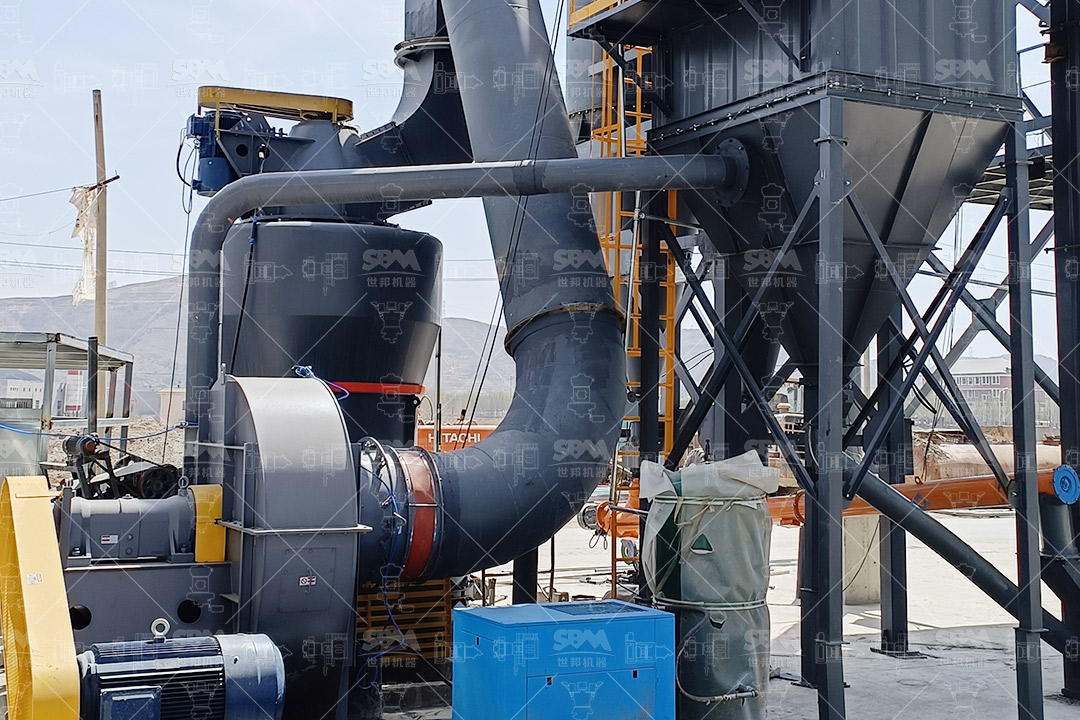
Successful perlite grinding operations require attention to several key factors beyond equipment selection. Moisture control proves critical, as excessive moisture can lead to clogging and reduced grinding efficiency, while overly dry material may generate excessive dust. Optimal moisture content typically ranges between 1-3% for most grinding operations.
Feed rate consistency directly impacts product quality and system efficiency. Both the SCM and MTW systems incorporate advanced feeding mechanisms that maintain consistent material flow, but proper upstream material handling remains essential. Regular monitoring of grinding pressure, classifier speed, and system temperatures helps maintain optimal operating conditions.
Maintenance protocols should emphasize regular inspection of wear components, with particular attention to grinding elements and classifier systems. Both recommended mills feature accessible designs that facilitate maintenance and component replacement, minimizing downtime. Proper training for operational and maintenance personnel ensures consistent performance and extends equipment service life.
Economic Analysis and Return on Investment
The economic justification for advanced perlite grinding systems extends beyond simple throughput calculations. The SCM Ultrafine Mill typically demonstrates a 30-40% energy advantage over conventional systems while producing higher-value products that command premium pricing. The system’s precision classification reduces waste and improves overall yield, further enhancing economic returns.
The MTW Series offers compelling economics for high-volume operations, with lower capital investment per ton of capacity and reduced operating costs through advanced design features. The system’s reliability and minimal maintenance requirements contribute to higher overall equipment effectiveness and reduced total cost of ownership.
Both systems support environmental compliance through integrated dust collection and noise reduction features, avoiding potential regulatory costs and supporting sustainable operation. The advanced control systems also reduce labor requirements while improving product consistency.
Conclusion
While traditional Raymond mill technology can process perlite for basic applications, modern grinding solutions like the SCM Ultrafine Mill and MTW Series Trapezium Mill offer significantly enhanced performance, efficiency, and product quality. The choice between these advanced systems depends on specific application requirements, production volumes, and product quality targets.
For operations prioritizing ultra-fine particles and precise size distributions, the SCM series provides unmatched capabilities. For high-volume production of standard perlite grades, the MTW series delivers superior economics and reliability. Both systems represent significant advancements over conventional technology, enabling perlite processors to meet evolving market demands while optimizing operational efficiency.
The continued evolution of grinding technology promises even greater opportunities for perlite processors to create value-added products and expand into new applications. By selecting the appropriate grinding solution and implementing best practices, operators can maximize both product quality and economic returns in this dynamic market.