Can Raymond Mill Grind Lithium Slag? Comparison with Vertical Mill
Introduction to Lithium Slag Grinding
Lithium slag, a byproduct generated during lithium carbonate production from spodumene ore, presents unique challenges for grinding operations. With the rapid growth of the lithium-ion battery industry, efficient processing of lithium slag has become increasingly important for both economic and environmental reasons. This industrial byproduct typically contains hard, abrasive particles and varies in moisture content, requiring specialized grinding equipment for optimal processing.
The grinding of lithium slag serves multiple purposes: it can be used as a supplementary cementitious material in concrete production, as a raw material for ceramics, or for further lithium extraction. However, the choice of grinding equipment significantly impacts the efficiency, product quality, and operational costs of these applications.
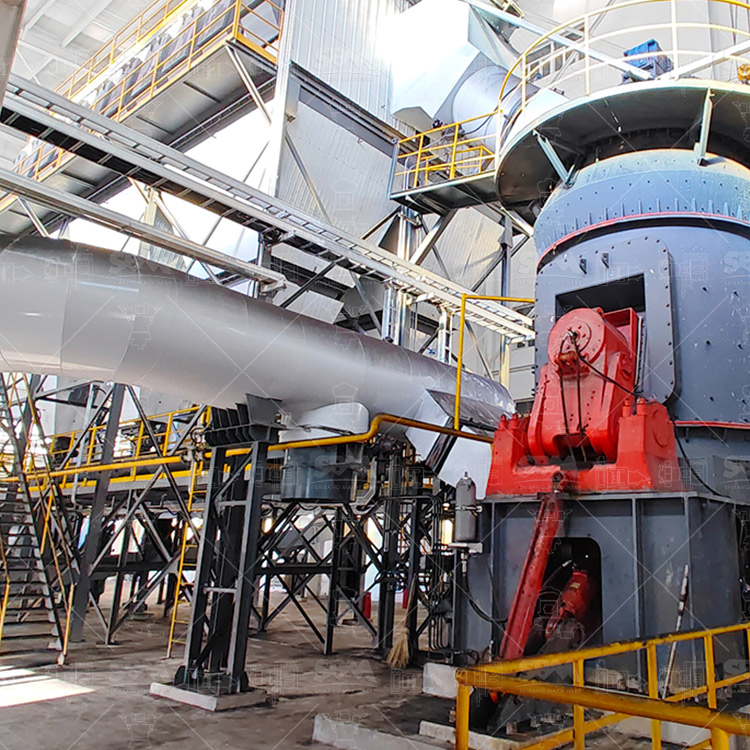
Raymond Mill for Lithium Slag Grinding
Technical Feasibility
Raymond mill, also known as pendulum roller mill, has been widely used in mineral processing for decades. When considering its application for lithium slag grinding, several factors must be evaluated. The traditional Raymond mill design operates on the principle of spring-loaded grinding rollers that rotate against a stationary grinding ring. Material is fed into the grinding zone and crushed by the roller pressure.
For lithium slag with moderate hardness (typically 5-6 Mohs), Raymond mill can achieve grinding fineness between 30-325 mesh (600-45μm). The machine’s built-in classifier allows for some control over product fineness, though the range is somewhat limited compared to more modern grinding systems. The grinding pressure can be adjusted to accommodate variations in material hardness, but the spring loading system has inherent limitations in maintaining consistent pressure under fluctuating feed conditions.
Limitations with Lithium Slag
While Raymond mill can technically process lithium slag, several significant limitations emerge when dealing with this specific material. The abrasive nature of lithium slag causes accelerated wear on grinding components, particularly the grinding rollers and rings. This results in frequent maintenance requirements and increased operational costs. Additionally, the moisture sensitivity of lithium slag can lead to clogging issues in the grinding chamber, especially when moisture content exceeds 5-8%.
The energy efficiency of Raymond mills for lithium slag grinding is another concern. With specific power consumption typically ranging from 25-40 kWh/t for achieving 325-mesh fineness, the operating costs can be substantial, particularly for large-scale processing operations. The limited drying capacity also restricts the handling of higher moisture content materials without pre-drying, adding another processing step and associated costs.
Vertical Mill Technology for Lithium Slag
Technical Advantages
Vertical roller mills represent a more modern approach to industrial grinding, offering several distinct advantages for lithium slag processing. The fundamental working principle involves material bed comminution between grinding rollers and a rotating grinding table. This method proves particularly efficient for materials like lithium slag due to the higher grinding efficiency and lower specific energy consumption.
Vertical mills incorporate an integral drying system, allowing them to handle materials with moisture content up to 15-20% without requiring separate drying equipment. This feature is especially valuable for lithium slag, which often contains residual moisture from the extraction process. The grinding force in vertical mills is applied hydraulically, providing more consistent pressure and better adaptability to material variations.
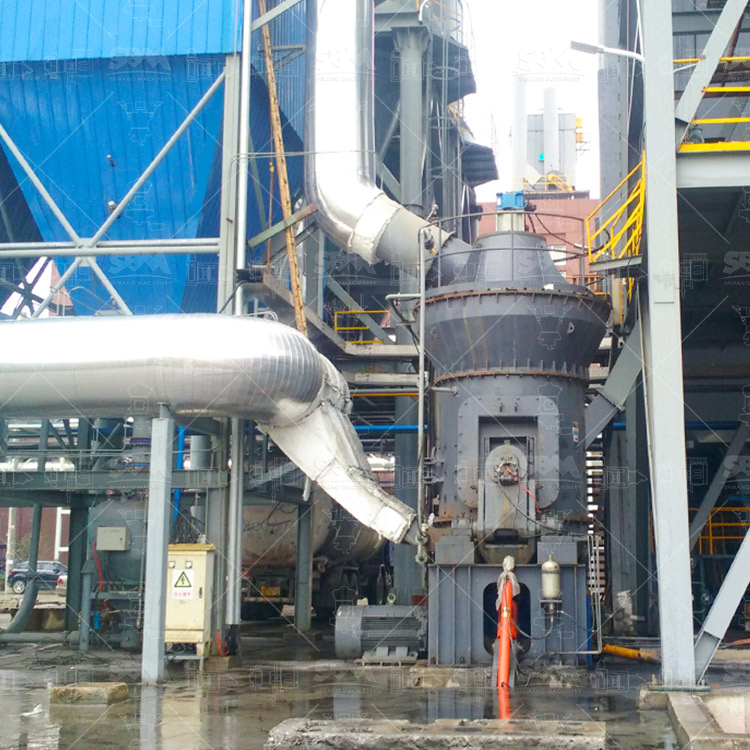
Specialized Vertical Mills for Slag Applications
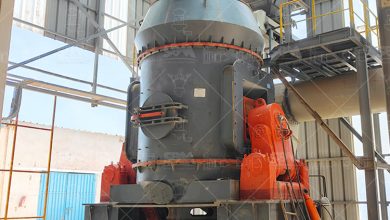
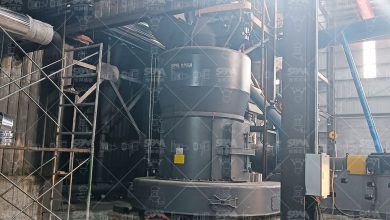
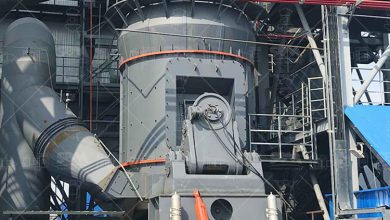
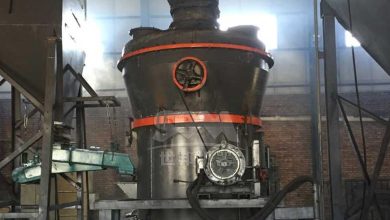
Our company’s LM Series Vertical Roller Mill represents the optimal solution for lithium slag grinding applications. Specifically designed for challenging materials, this equipment offers exceptional performance characteristics tailored to the requirements of slag processing.
The LM Series features several technological innovations that make it particularly suitable for lithium slag. The integrated drying system utilizes hot gas introduced beneath the grinding table, efficiently removing moisture during the grinding process. The grinding elements employ special wear-resistant materials that significantly extend service life when processing abrasive materials like lithium slag. With the ability to produce fineness up to 600 mesh (D97) and handle capacities from 3-250 tons per hour depending on the model, these mills provide the flexibility needed for various production scales.
Key advantages of our LM Series for lithium slag include:
- 30-40% lower energy consumption compared to traditional ball mill systems
- Integrated drying capability for materials with up to 20% moisture content
- Advanced material bed grinding principle reducing metal-to-metal contact
- Compact design reducing footprint requirements by up to 50%
- Advanced control systems for optimized operation and product quality
Comparative Analysis: Key Performance Metrics
Grinding Efficiency and Energy Consumption
When comparing Raymond mills and vertical mills for lithium slag grinding, energy efficiency emerges as a critical differentiator. Vertical mills typically demonstrate 30-50% lower specific energy consumption compared to Raymond mills for the same product fineness. This efficiency advantage stems from the material bed comminution principle, which minimizes energy losses associated with particle-to-particle and particle-to-liner interactions.
For lithium slag ground to 325 mesh (45μm), Raymond mills typically consume 28-35 kWh/t, while vertical mills achieve the same fineness with 18-25 kWh/t. This substantial difference translates to significant operational cost savings, particularly for continuous processing operations. The energy efficiency advantage becomes even more pronounced when grinding to finer particle sizes, with vertical mills maintaining relatively flat specific energy curves compared to the steep increases seen with Raymond mills.
Product Quality and Particle Size Distribution
The particle size distribution achieved by grinding equipment significantly impacts the performance of lithium slag in its various applications. Vertical mills generally produce a narrower particle size distribution with fewer ultra-fines, which is often desirable for applications in cement and concrete. The more efficient classification systems in modern vertical mills contribute to this improved product quality.
Raymond mills, while capable of producing acceptable fineness, often generate broader particle size distributions with higher fractions of both coarse particles and ultra-fines. This can limit the performance of the ground lithium slag in certain applications. Additionally, the product fineness from Raymond mills is more sensitive to variations in feed rate and material characteristics, requiring more frequent adjustments to maintain consistent product quality.
Operational Flexibility and Maintenance Requirements
Vertical mills offer superior operational flexibility for lithium slag grinding, particularly in handling variations in feed moisture, hardness, and composition. The hydraulic grinding pressure system automatically adjusts to maintain stable operation despite feed fluctuations, while the integrated drying system accommodates moisture variations without process interruption.
Maintenance requirements represent another significant differentiator. Raymond mills typically require more frequent maintenance interventions, with grinding element replacement needed every 800-1,200 operating hours for abrasive materials like lithium slag. Vertical mills, with their more robust construction and optimized wear protection, often achieve 2,000-3,000 hours between major maintenance events for similar applications.
Recommended Solutions for Lithium Slag Grinding
SCM Ultrafine Mill for High-Fineness Applications
For applications requiring ultra-fine grinding of lithium slag, our SCM Ultrafine Mill represents the optimal solution. This advanced grinding system achieves remarkable fineness up to 2500 mesh (D97≤5μm) while maintaining excellent energy efficiency. The vertical turbine classification system ensures precise particle size control, critical for high-value applications of ground lithium slag.
The SCM series offers several distinct advantages for lithium slag processing:
- Output fineness from 325-2500 mesh (45-5μm) with exceptional stability
- Capacity range from 0.5-25 tons per hour across different models
- 30% lower energy consumption compared to conventional jet mills
- Special wear-resistant materials extending component life by 2-3 times
- Advanced PLC control system for automated operation
With models ranging from SCM800 to SCM1680, this mill series provides solutions for various production scales, from pilot plants to large industrial operations. The compact design and comprehensive dust collection system ensure environmentally friendly operation with minimal footprint requirements.
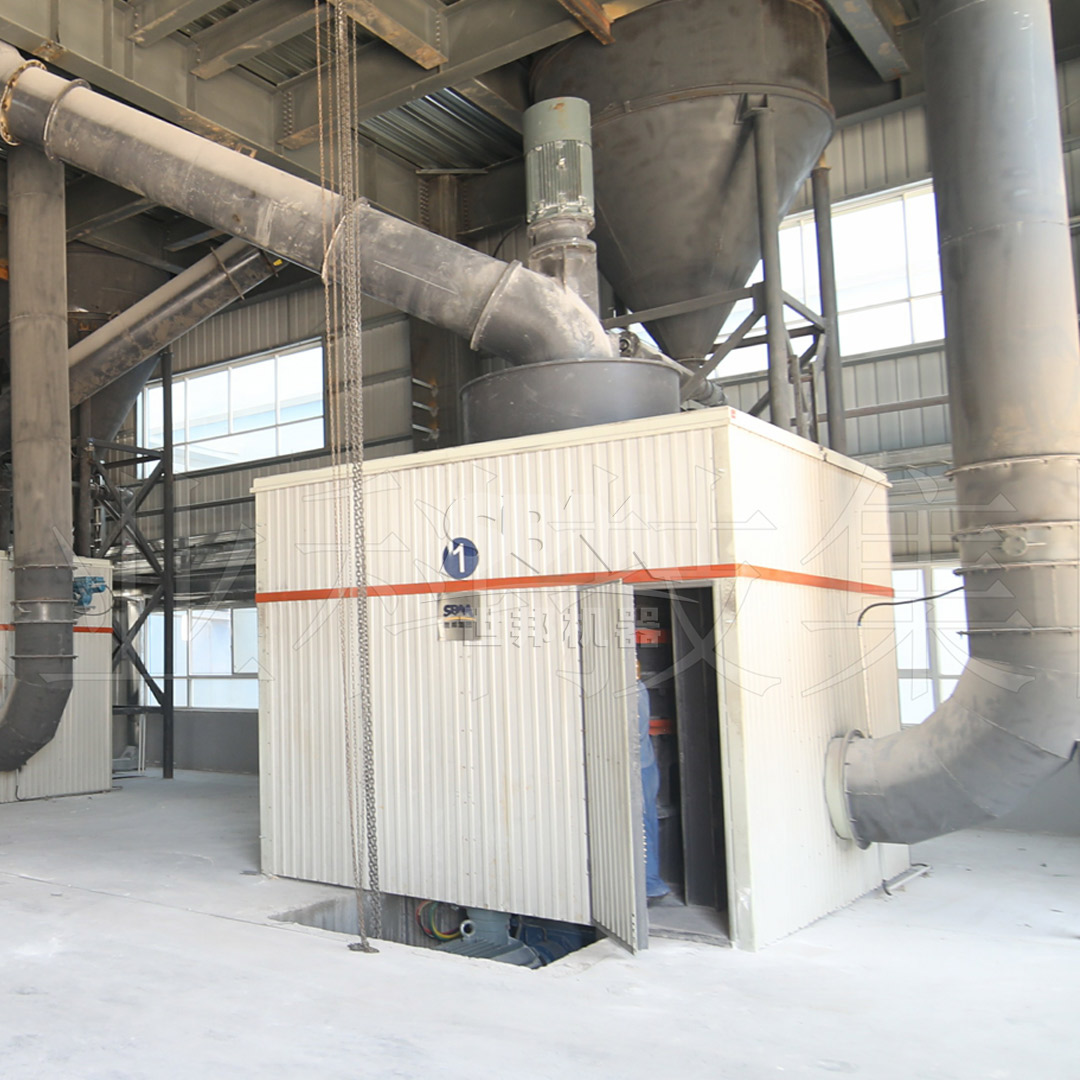
LM Vertical Roller Mill for Large-Scale Operations
For high-capacity lithium slag grinding applications, our LM Vertical Roller Mill delivers unmatched performance and reliability. Specifically engineered for challenging materials, this equipment handles feed sizes up to 50mm and produces fineness from 30-325 mesh (special models to 600 mesh), with capacities reaching 250 tons per hour in the largest configurations.
The LM series incorporates several proprietary technologies that make it ideal for lithium slag:
- Modular roller assembly system for quick replacement and maintenance
- Dynamic classifier with multi-stage adjustment for precise particle control
- Heat circulation system reducing energy consumption by 30-40%
- Full negative pressure operation with dust emission <20mg/m³
- Intelligent control system supporting remote operation and monitoring
With specialized models for slag applications (LM-N series), this equipment achieves specific surface areas exceeding 420m²/kg while maintaining stable operation with feed moisture up to 15%. The robust construction and advanced wear protection ensure continuous operation with minimal downtime, making it the preferred choice for large-scale lithium slag processing facilities.
Economic Considerations and Return on Investment
Capital and Operational Cost Analysis
The economic evaluation of grinding equipment for lithium slag must consider both capital investment and long-term operational costs. While vertical mills typically involve higher initial investment compared to Raymond mills, the difference in operating costs frequently justifies this premium through reduced energy consumption, lower maintenance requirements, and higher availability.
For a typical lithium slag grinding operation producing 50,000 tons annually at 325 mesh fineness, the vertical mill solution demonstrates a clear economic advantage. The 30-40% lower energy consumption translates to annual savings of approximately $75,000-$100,000 (assuming electricity costs of $0.08/kWh). Reduced maintenance costs and higher production rates further improve the economic picture, typically resulting in payback periods of 18-30 months for the additional capital investment.
Lifecycle Cost Assessment
A comprehensive lifecycle cost analysis reveals the true economic advantage of modern vertical mill technology for lithium slag grinding. When considering a 10-year operational horizon, vertical mills typically demonstrate 25-35% lower total cost of ownership compared to Raymond mill systems. This assessment includes initial capital investment, energy costs, maintenance expenses, component replacement costs, and operational availability impacts.
The superior wear protection in vertical mills significantly reduces component replacement frequency and costs. For lithium slag applications, grinding elements in vertical mills typically last 2-3 times longer than in Raymond mills, reducing both direct replacement costs and associated downtime. The higher operational availability (typically 85-90% for vertical mills vs. 75-80% for Raymond mills) further enhances production capacity and economic return.
Conclusion and Recommendations
While Raymond mills can technically grind lithium slag, their limitations in efficiency, product quality, and operational costs make them less suitable compared to modern vertical milling technology. Vertical roller mills, particularly specialized models designed for slag applications, offer superior performance across all critical parameters including energy efficiency, product quality, operational flexibility, and maintenance requirements.
For lithium slag grinding applications, we recommend considering the specific production requirements when selecting equipment. For ultra-fine grinding applications requiring precise particle size control, our SCM Ultrafine Mill provides exceptional performance with fineness up to 2500 mesh. For large-scale operations with high capacity requirements, the LM Vertical Roller Mill delivers unmatched efficiency and reliability with capacities up to 250 tons per hour.
The transition from traditional Raymond mill technology to modern vertical milling systems represents a significant step forward in lithium slag processing, offering substantial economic and operational benefits that align with the growing demands of the lithium industry and sustainable material processing practices.