Can Raymond Mill Grind Hydrated Lime?
Introduction
Hydrated lime, or calcium hydroxide (Ca(OH)₂), is a crucial industrial chemical derived from quicklime (calcium oxide) through a controlled hydration process. Its applications span construction (mortar, plaster), environmental treatment (flue gas desulfurization, water purification), chemical manufacturing, and agriculture. A key factor determining its effectiveness in these applications is its fineness and particle size distribution. This leads to a common and critical question in mineral processing: Can a traditional Raymond mill effectively grind hydrated lime to meet modern industrial specifications? This article delves into the technical considerations and presents advanced, purpose-built solutions for superior hydrated lime processing.
Understanding Hydrated Lime and Grinding Challenges
Hydrated lime presents unique challenges for grinding equipment. Unlike many hard, abrasive ores, its primary difficulty lies in its physical and chemical properties:
- Soft and Abrasive: With a Mohs hardness of around 2-3, hydrated lime is relatively soft. However, it can be abrasive over time, leading to wear on grinding components.
- Moisture Sensitivity: Being a product of hydration, it has a tendency to agglomerate and can become sticky if exposed to moisture, potentially causing clogging in mill systems.
- High Fineness Requirements: Many advanced applications, especially in chemical processes and high-performance building materials, demand ultra-fine powders (often 325 mesh and finer) with a narrow, consistent particle size distribution.
- Thermal Sensitivity: Excessive heat generation during grinding can lead to partial dehydration, reversing the hydration process and compromising product quality.
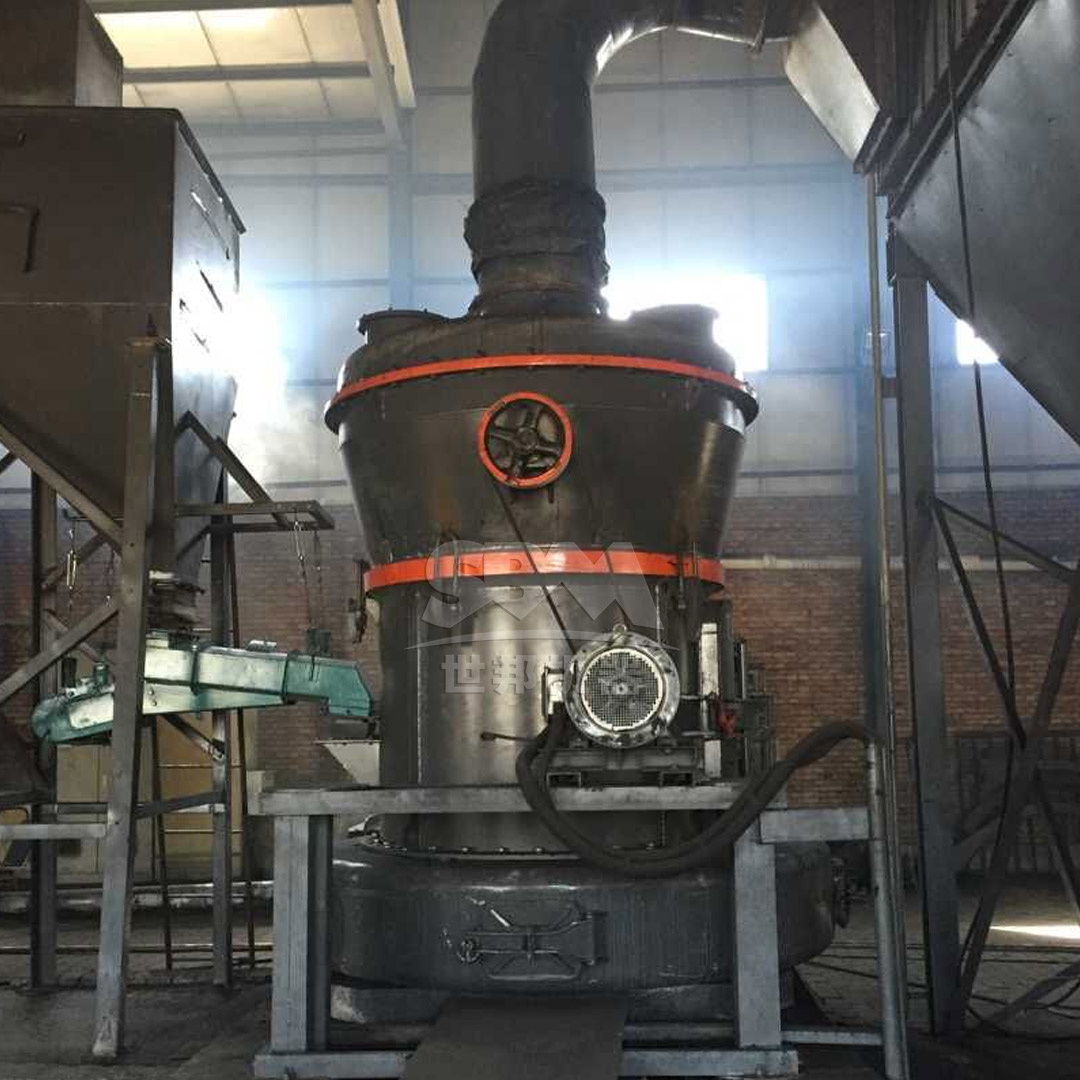
While older models of Raymond mills (or pendulum roller mills) can handle hydrated lime to a degree, they often struggle with efficiency, product uniformity, and achieving the highest fineness levels required today. Their limitations in precise classification and tendency for higher energy consumption per ton of fine product make them less optimal for modern, high-value hydrated lime production.
The Modern Solution: Advanced Grinding Mill Technology
To overcome the limitations of traditional mills, contemporary grinding technology focuses on efficiency, precision, and environmental control. The ideal mill for hydrated lime should feature:
- Gentle, Efficient Grinding Mechanism: A bed-compression grinding principle (as in vertical roller mills) is often superior to direct impact, as it generates less heat and offers better control over particle size.
- High-Precision, Integrated Classifier: An advanced, often turbine-based, classifier is essential for instant separation of fines, preventing over-grinding and ensuring a tight particle size distribution.
- Robust, Wear-Resistant Design: Key grinding components must be made from special alloys or composite materials to withstand abrasion, extending service life and maintaining product purity.
- Intelligent Control & Eco-Friendly Operation: Automated systems ensure stable operation and consistent product quality, while fully sealed negative pressure designs with efficient baghouse filters contain dust, meeting strict environmental standards.
Recommended Equipment for Hydrated Lime Grinding
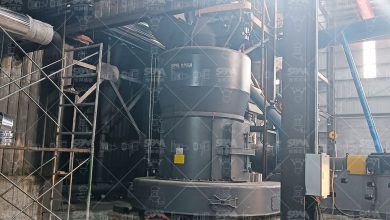
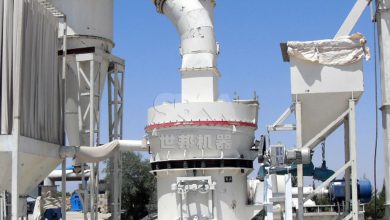
Based on the specific challenges and requirements of processing hydrated lime, we highly recommend our SCM Series Ultrafine Mill and LM Series Vertical Roller Mill as the premier solutions for different production scales and fineness targets.
1. For Ultra-Fine and High-Value Hydrated Lime Powder (325-2500 mesh)
Our SCM Series Ultrafine Mill is the technology of choice for producing premium-grade hydrated lime powder. It is engineered to excel precisely in the fineness range where traditional Raymond mills falter.
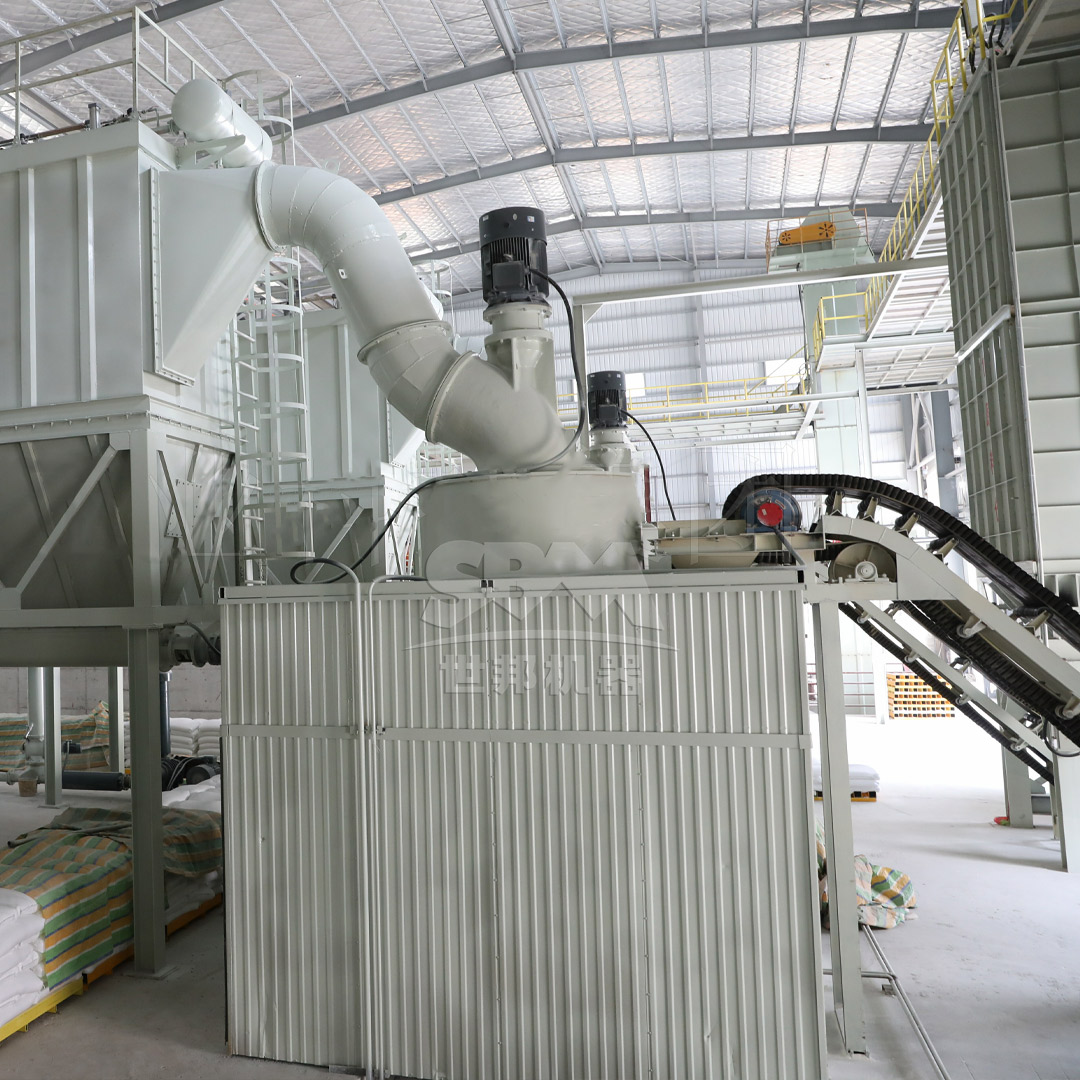
Core Advantages for Hydrated Lime:
- Exceptional Fineness & Uniformity: With an output range of 325-2500 mesh (45-5μm), it effortlessly meets the most stringent specifications. Its vertical turbine classifier ensures precise particle size cutting, eliminating coarse powder mixing for a uniform product.
- High Efficiency & Energy Saving: The grinding mechanism offers a capacity approximately twice that of jet mills while consuming 30% less energy, significantly reducing operational costs for fine grinding.
- Gentle Processing: The layered grinding principle minimizes heat generation, protecting the chemical integrity of the hydrated lime and preventing dehydration.
- Durable & Low Maintenance: Special material rollers and rings extend service life several times over. The shaftless screw design in the grinding chamber ensures stable, trouble-free operation even with slightly cohesive materials.
Model Example: SCM1000
This model is an excellent mid-range choice, offering a capacity of 1.0-8.5 tons per hour, powered by a 132kW main motor. It can process feed material up to 20mm and reliably produce hydrated lime powder from 325 to 2500 mesh, making it ideal for specialized chemical and industrial applications.
2. For High-Capacity Production of Fine Hydrated Lime (30-325 mesh)
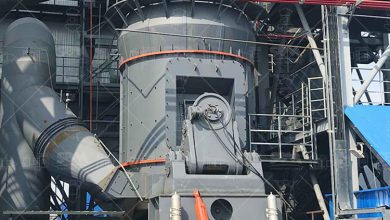
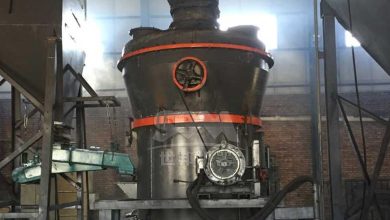
For large-scale production of hydrated lime for construction, FGD, or water treatment—where high tonnage and reliable operation are paramount—our LM Series Vertical Roller Mill is the superior industrial workhorse.
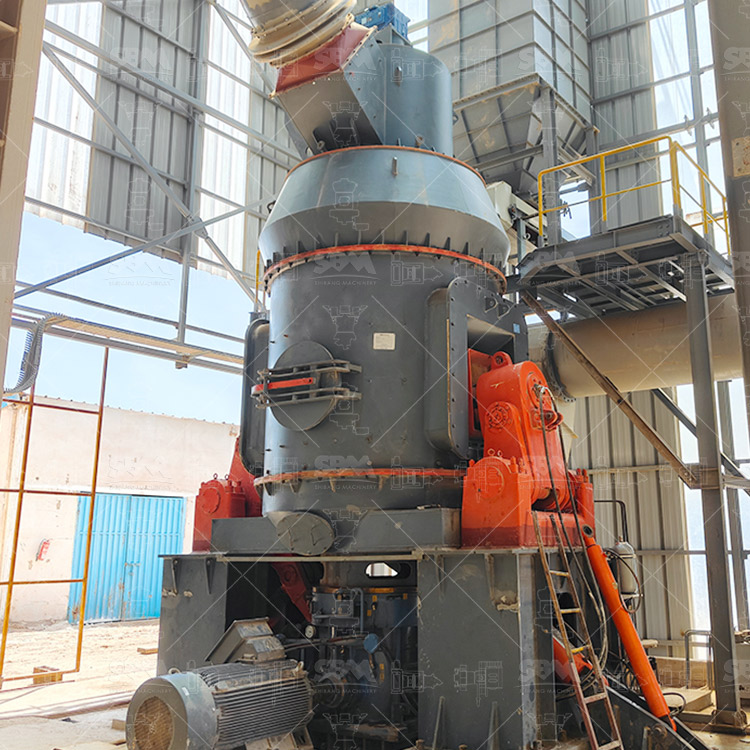
Core Advantages for Hydrated Lime:
- Unmatched Production Capacity: With models offering capacities from 3 to over 250 tons per hour, it is designed for continuous, large-volume processing.
- Significantly Lower Operating Costs: Its integrated design reduces floor space by 50% and infrastructure costs by 40%. Energy consumption is 30-40% lower than traditional ball mill systems.
- Low Wear & Stable Quality: The non-contact design between rollers and the grinding table dramatically increases wear part life. The intelligent control system ensures consistent product fineness (30-325 mesh, up to 600 mesh for special models) with minimal manual intervention.
- Environmentally Superior: Fully sealed negative pressure operation ensures dust emissions and noise levels are well within international standards, making it suitable for installation in diverse locations.
Model Example: LM190K
This robust model features a Φ1900mm grinding table, a main power of 500kW, and a capacity range of 23-68 tons per hour. It can handle feed sizes up to 45mm and produce hydrated lime powder consistently within the 170-45μm (approx. 80-325 mesh) range, perfect for major industrial supply contracts.
Working Principle in Brief
Both recommended mills operate on efficient, modern principles. In the LM Vertical Roller Mill, material is fed onto a rotating table and crushed under rollers by bed compression. Hot air dries and transports the powder to an integrated classifier, where fines are collected, and coarse material falls back for regrinding. The SCM Ultrafine Mill uses a multi-layer grinding ring and roller system where material is centrifugally dispersed and ground layer by layer, with immediate classification by a high-precision turbine.
Conclusion
So, can a Raymond mill grind hydrated lime? The answer is that while basic models might manage coarse grinding, they are not the optimal tool for producing the high-quality, fine, and uniform hydrated lime powder demanded by today’s market. The inherent limitations in efficiency, classification precision, and fineness control make them a less competitive choice.
For producers aiming to enhance product value, reduce operational costs, and meet stringent environmental and quality standards, transitioning to advanced grinding technology is essential. Our SCM Series Ultrafine Mill and LM Series Vertical Roller Mill represent the next generation of hydrated lime processing equipment. They are engineered to tackle the specific challenges of this material, delivering superior fineness control, remarkable energy efficiency, unparalleled operational stability, and a cleaner production process. Investing in the right mill technology is not just an equipment upgrade; it’s a strategic move to secure a leading position in the competitive hydrated lime industry.