Can Raymond Mill Be Used for Secondary Separation of Aluminum Ash?
Introduction to Aluminum Ash Processing
Aluminum ash, a byproduct of aluminum production and recycling processes, contains valuable metallic aluminum alongside various oxides, salts, and other compounds. The efficient recovery of aluminum from this waste material represents both an economic opportunity and an environmental imperative. Secondary separation processes aim to extract remaining aluminum content after initial recovery stages, requiring specialized equipment capable of handling the unique characteristics of aluminum ash.
The composition of aluminum ash varies significantly depending on its source, typically containing 10-60% metallic aluminum, along with aluminum oxide, nitride, carbide, and various fluxing salts. This complex mixture presents challenges for traditional separation methods, necessitating equipment that can effectively liberate aluminum particles from the oxide matrix without causing excessive oxidation or contamination.
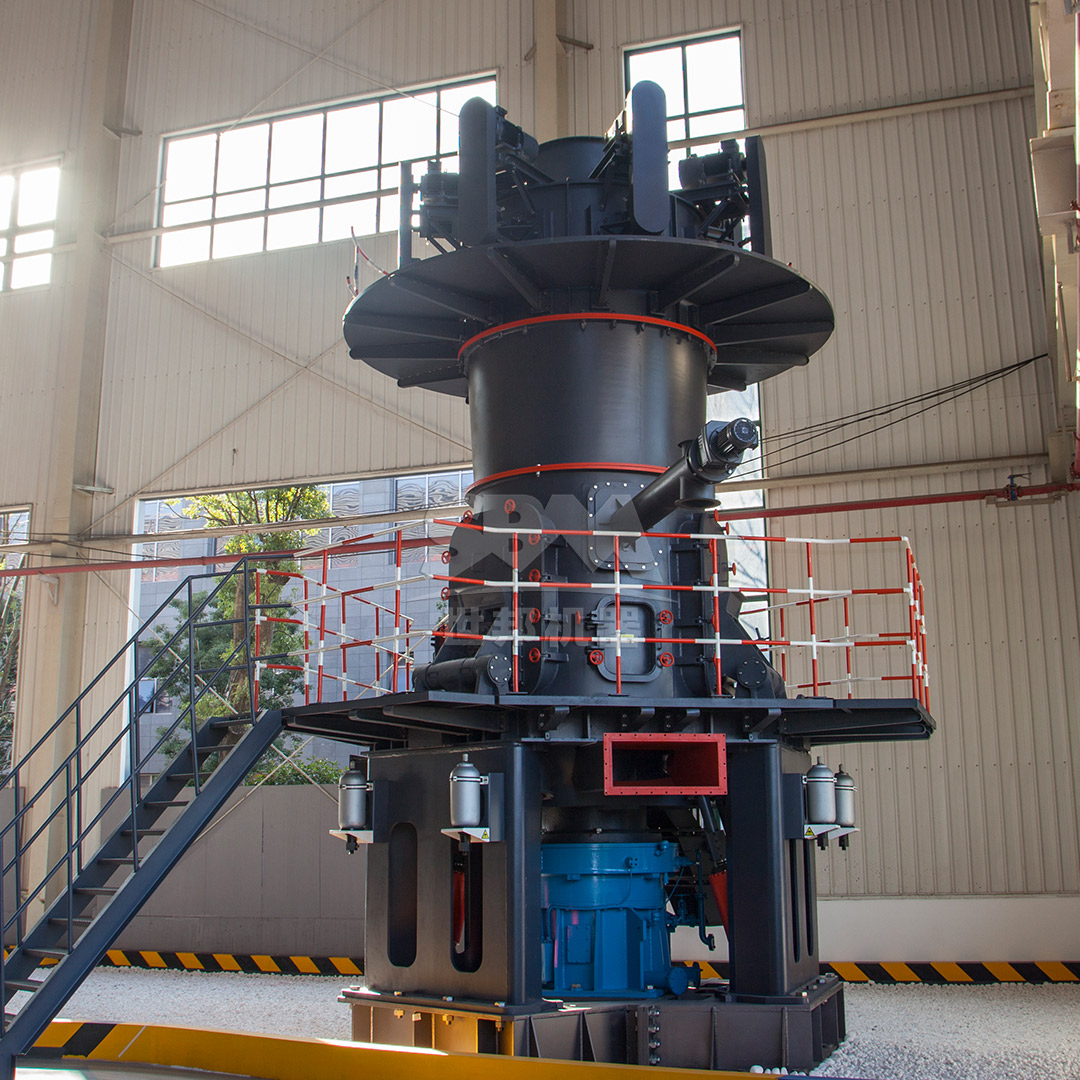
Understanding Raymond Mill Technology
Raymond mill, also known as pendulum roller mill, has been a staple in mineral processing for decades. The traditional Raymond mill operates on the principle of spring-loaded grinding rollers that rotate against a stationary grinding ring. Material is fed into the grinding zone where it’s crushed and ground between these components, with airflow carrying the fine particles to a classifier for separation.
The fundamental working mechanism involves centrifugal force driving the grinding rollers outward against the grinding ring, while the shovel system feeds material into the grinding zone. The built-in classifier then separates particles based on size, returning oversize material for regrinding while allowing properly sized material to proceed to collection systems.
Technical Challenges in Aluminum Ash Processing
Processing aluminum ash presents several unique challenges that must be addressed by any grinding equipment considered for secondary separation:
Material Characteristics
Aluminum ash is typically a mixture of ductile metallic aluminum particles and brittle oxide materials. This combination creates difficulties in achieving uniform grinding, as the metallic components tend to flatten rather than fracture, while the oxides readily form fine powders. The presence of fluxing salts can also lead to clogging and corrosion issues within the grinding system.
Safety Considerations
Perhaps the most critical concern when processing aluminum ash is the risk of dust explosions. Fine aluminum powder is highly combustible, and the heat generated during grinding can potentially ignite aluminum dust in the presence of oxygen. This necessitates specialized safety systems, including explosion-proof design, inert gas blanketing, and comprehensive dust collection.
Separation Efficiency
The goal of secondary separation is to liberate encapsulated aluminum particles from the oxide matrix without excessive oxidation or contamination. This requires precise control over grinding forces and particle size distribution to maximize aluminum recovery while minimizing product degradation.
Limitations of Traditional Raymond Mills for Aluminum Ash Processing
While Raymond mills have proven effective for many mineral processing applications, they face significant limitations when applied to aluminum ash secondary separation:
Grinding Mechanism Issues
The crushing and grinding action in traditional Raymond mills relies primarily on compression between rollers and grinding rings. For ductile materials like metallic aluminum, this often results in flattening and work hardening rather than the clean fracture needed for effective liberation from the oxide matrix. The flattened particles can then coat grinding surfaces, reducing efficiency and increasing maintenance requirements.
Temperature Control Challenges
The friction generated in Raymond mills can produce significant heat, which poses particular problems for aluminum processing. Elevated temperatures accelerate aluminum oxidation, reducing recovery yields and potentially compromising product quality. Without effective cooling systems, the risk of thermal degradation and even ignition becomes substantial.
Particle Size Distribution Limitations
Traditional Raymond mills often produce broad particle size distributions that may not be ideal for subsequent separation processes. The classifier systems in conventional designs may struggle to achieve the sharp cuts needed to optimize aluminum recovery in secondary separation circuits.
Advanced Mill Technologies for Aluminum Ash Processing
Given the limitations of traditional Raymond mills, several advanced grinding technologies have emerged as more suitable alternatives for aluminum ash secondary separation:
Vertical Roller Mills
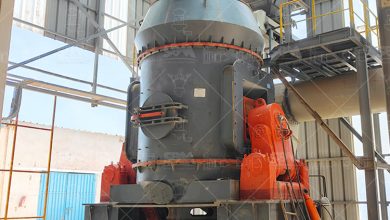
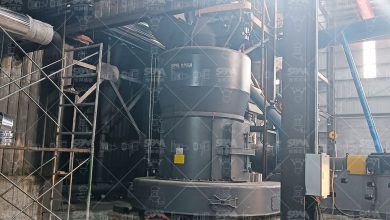
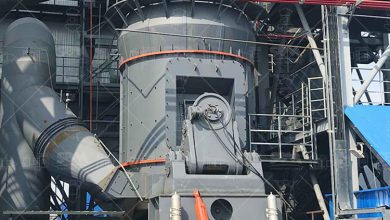
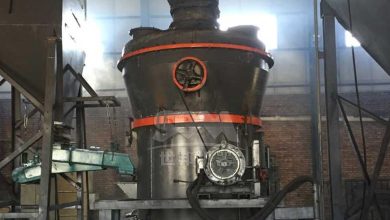
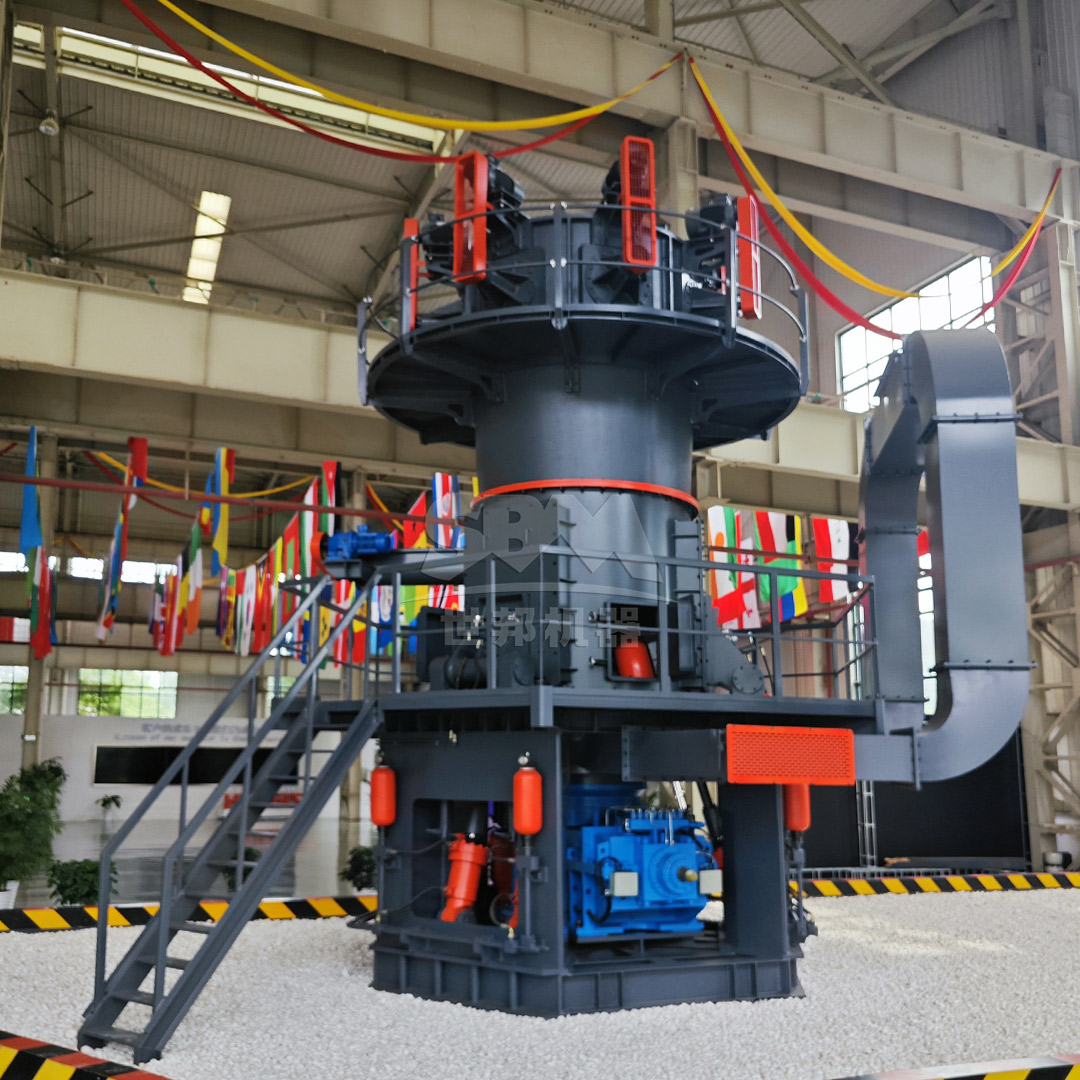
Vertical roller mills offer significant advantages for aluminum ash processing through their bed compression grinding principle. This grinding mechanism applies more consistent pressure across the material bed, resulting in more efficient liberation of aluminum particles with reduced flattening. The integrated drying and classifying systems also provide better control over process parameters.
Our LM Series Vertical Roller Mill represents a particularly suitable solution for aluminum ash processing. With its集约化设计 that integrates multiple functions into a single unit, this system reduces the risk of material contamination between processing stages. The 低运行成本 and intelligent control systems allow for precise adjustment of grinding parameters to optimize aluminum recovery. The mill’s ability to handle feed sizes up to 50mm and produce powders in the 30-325 mesh range (with special models reaching 600 mesh) makes it ideal for the varying requirements of aluminum ash processing. The环保达标 design ensures full密封负压运行 with dust emissions below 20mg/m³, addressing the critical safety concerns associated with aluminum dust.
Ultrafine Grinding Mills
For applications requiring finer particle sizes, ultrafine grinding mills offer superior performance. These systems typically incorporate more advanced classifier technology and grinding mechanisms specifically designed for difficult-to-process materials.
Our SCM Ultrafine Mill series provides an excellent solution when fine grinding is required for aluminum ash separation. With output fineness ranging from 325 to 2500 mesh (D97≤5μm), this mill can achieve the precise particle size control needed for efficient secondary separation. The高效节能 design offers twice the capacity of jet mills with 30% lower energy consumption, significantly reducing operating costs. The高精度分级 system with vertical turbine classifiers ensures uniform product quality without coarse particle contamination, while the耐用设计 with special material rollers and grinding rings extends service life when processing abrasive aluminum ash components. The环保低噪 features, including pulse dust collection exceeding international standards and noise levels below 75dB, create a safer working environment.
Case Study: Successful Implementation of Advanced Mills in Aluminum Ash Processing
A major aluminum recycling facility in Europe recently transitioned from traditional Raymond mills to our LM Series Vertical Roller Mills for their secondary aluminum ash processing circuit. The results demonstrated significant improvements across multiple metrics:
The facility reported a 23% increase in aluminum recovery rates, attributed to more effective liberation of metallic aluminum from the oxide matrix. Energy consumption decreased by 31% compared to their previous Raymond mill setup, while maintenance intervals extended from 500 to 1500 operating hours. Most importantly, the integrated safety systems eliminated previous issues with dust explosions, creating a safer working environment.
Optimizing Mill Selection for Aluminum Ash Characteristics
Selecting the appropriate mill technology for aluminum ash processing requires careful consideration of several factors:
Feed Material Analysis
The specific composition of the aluminum ash significantly influences mill selection. Ash with higher metallic content may benefit from different grinding approaches compared to oxide-rich material. Particle size distribution of the feed material, moisture content, and the presence of contaminants all impact equipment selection and configuration.
Product Requirements
The intended use of the recovered aluminum determines the required product specifications. Applications requiring high-purity aluminum may need different processing approaches compared to material destined for alloy production. The target particle size distribution, surface characteristics, and chemical purity all influence technology selection.
Processing Scale
The volume of aluminum ash to be processed affects both the size of equipment required and the economic viability of different technological approaches. Our range of mills, from the compact SCM800 with 0.5-4.5 ton/h capacity to the industrial-scale LM370N handling 90-110 ton/h, ensures an appropriate solution for operations of any size.
Conclusion: The Future of Aluminum Ash Processing
While traditional Raymond mills played an important historical role in mineral processing, their limitations in aluminum ash secondary separation have become increasingly apparent. The unique characteristics of aluminum ash—combining ductile metallic particles with brittle oxides—require more sophisticated grinding approaches than those offered by conventional Raymond mill technology.
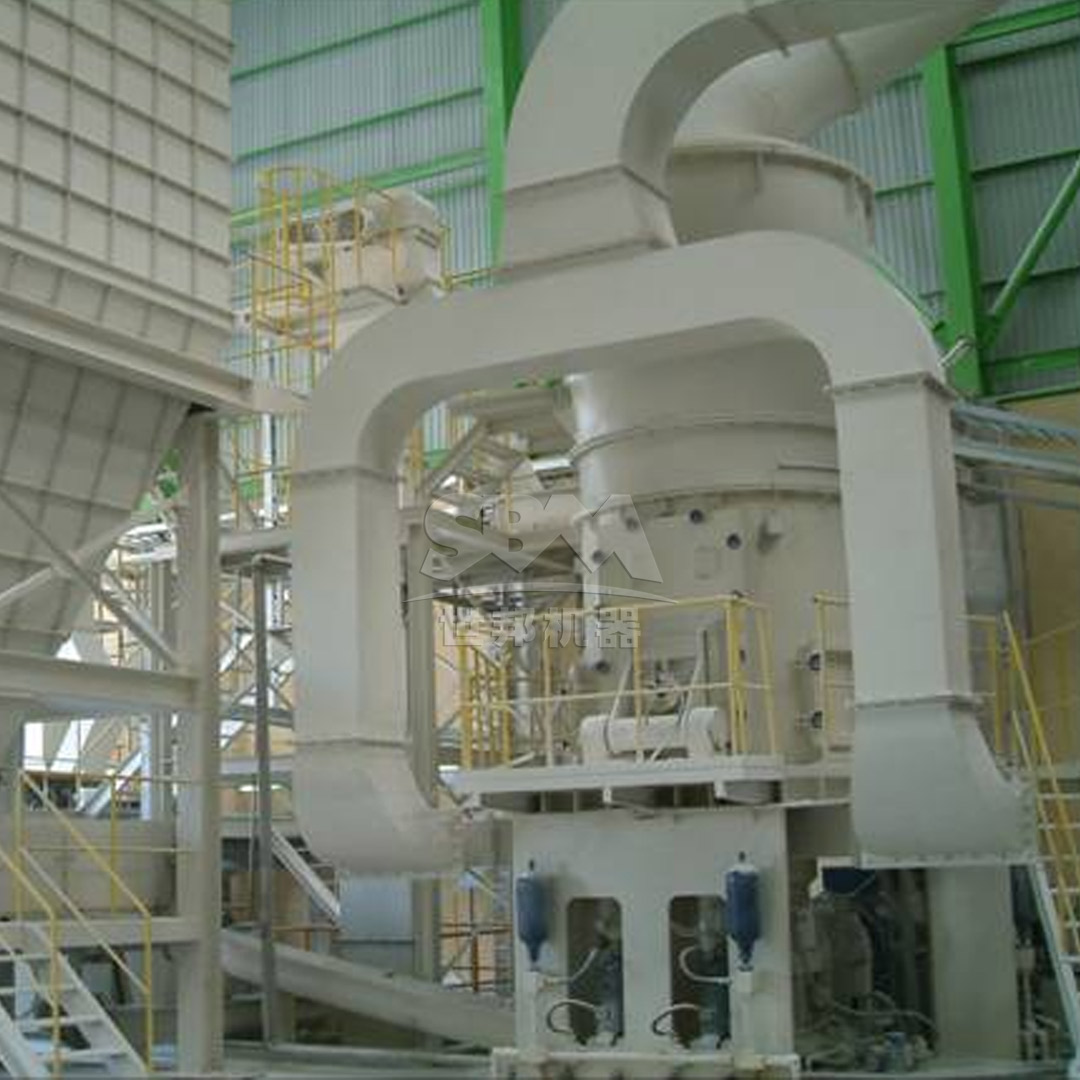
Advanced mill technologies, particularly vertical roller mills and specialized ultrafine grinding systems, offer significant advantages for aluminum ash processing. These systems provide better control over grinding forces, improved temperature management, superior particle size distribution, and enhanced safety features specifically designed for challenging materials like aluminum ash.
As aluminum recycling continues to grow in importance for both economic and environmental reasons, the development and implementation of advanced milling technologies will play a crucial role in maximizing resource recovery from aluminum ash. By selecting equipment specifically designed for the challenges of aluminum processing, operators can achieve higher recovery rates, lower operating costs, and safer working environments.