Can Lithium Slag Powder Be Used as Mineral Powder? Applications and Effects in Cement Production
Introduction: The Rise of Lithium Slag as a Supplementary Cementitious Material
The global push for sustainable construction materials has intensified the search for viable alternatives to traditional cement constituents. Among the promising candidates is lithium slag, a by-product generated from the extraction of lithium from spodumene ore. Historically considered an industrial waste requiring disposal, lithium slag is now gaining significant attention for its potential as a high-performance mineral powder in cement and concrete production. This article delves into the scientific basis, practical applications, and transformative effects of utilizing lithium slag powder in cementitious systems, while also exploring the critical role of advanced grinding technology in unlocking its full potential.
Chemical and Mineralogical Composition of Lithium Slag
The suitability of any material as a mineral powder hinges on its inherent composition. Lithium slag primarily consists of the vitreous, amorphous phase leftover after lithium salts are leached from the ore. Its key chemical components include silicon dioxide (SiO₂), aluminum oxide (Al₂O₃), calcium oxide (CaO), and residual sulfates. The presence of active SiO₂ and Al₂O₃ is particularly crucial, as these are the primary drivers of pozzolanic and latent hydraulic reactions. Unlike some other slags, lithium slag often contains unique crystalline phases like β-spodumene and keatite, which, when finely ground, contribute to its reactivity. The material’s low loss on ignition (LOI) and absence of deleterious substances make it an environmentally benign and chemically stable additive for cement.
Mechanisms of Action in Cement Hydration
When used as a mineral powder, lithium slag influences cement hydration through multiple synergistic mechanisms:
- Pozzolanic Reaction: The finely divided amorphous silica and alumina in lithium slag react with calcium hydroxide (portlandite), a by-product of ordinary Portland cement (OPC) hydration, to form additional calcium silicate hydrate (C-S-H) and calcium aluminate hydrate (C-A-H) gels. This reaction densifies the microstructure, enhancing long-term strength and durability.
- Micro-filler Effect: The ultra-fine particles of lithium slag powder fill the voids between cement grains, leading to a more compact and less permeable paste matrix. This physical packing improves the workability of fresh concrete and reduces the volume of larger, harmful pores in the hardened state.
- Nucleation Site Effect: The particles act as nucleation sites for the precipitation of hydration products, accelerating the early hydration kinetics of cement and contributing to a more uniform distribution of hydration products.
- Alkali-Activation Potential: The specific composition of lithium slag, with its aluminosilicate glass and alkaline content, makes it responsive to alkali activation, offering pathways for developing low-carbon binders.
Performance Benefits in Cement and Concrete
Incorporating lithium slag powder as a partial replacement for cement (typically 10-30% by mass) delivers a range of measurable benefits:
- Enhanced Mechanical Properties: While early strength may be slightly moderated, the later-age (28-90 days) compressive and flexural strength often surpasses that of pure OPC concrete due to the ongoing pozzolanic reactions.
- Improved Durability: The refined pore structure significantly reduces chloride ion penetration, water absorption, and sulfate attack. This translates to extended service life for structures in aggressive environments.
- Reduced Heat of Hydration: The partial replacement of cement lowers the total clinker content, thereby reducing the heat released during mass concrete pours, mitigating the risk of thermal cracking.
- Sustainability Gains: Utilizing lithium slag reduces landfill waste, lowers the carbon footprint of concrete by decreasing clinker demand, and conserves natural resources used in cement production.
The Critical Role of Grinding Technology: Unlocking Reactivity
The performance of lithium slag as a mineral powder is intrinsically linked to its fineness and particle size distribution (PSD). Coarse particles exhibit minimal pozzolanic activity. Therefore, efficient and precise comminution is not just a processing step but a value-creation process. The grinding equipment must achieve a high Blaine specific surface area (often >450 m²/kg) and a tight PSD to maximize the material’s surface area for reaction and its packing efficiency.
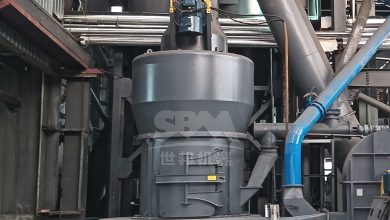
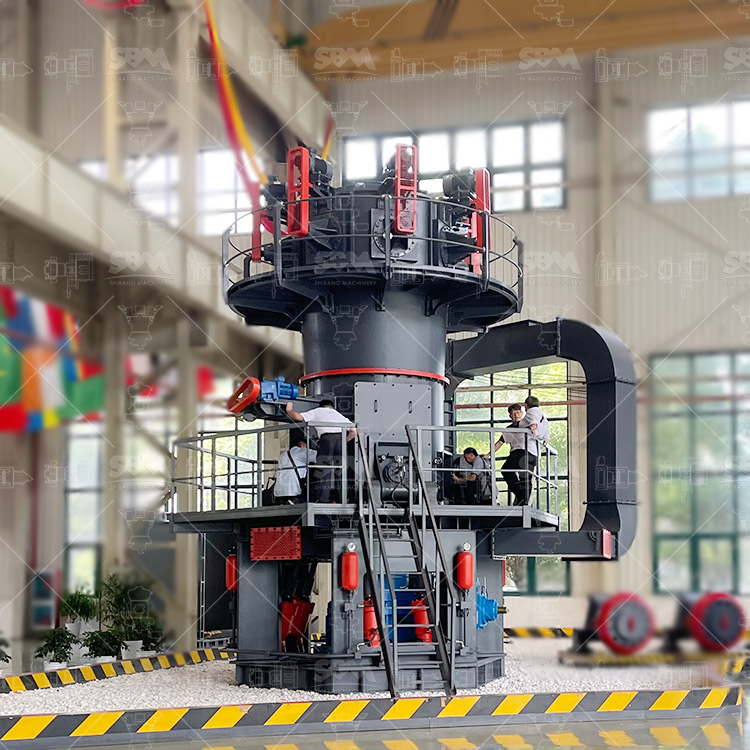
For this demanding application, our SCM Series Ultrafine Mill is exceptionally well-suited. Engineered to handle hard, abrasive materials, its vertical turbine classifier provides high-precision particle size cutting, ensuring a uniform finished product without coarse powder mixing. With an output fineness range of 325-2500 mesh (45-5μm), it can tailor lithium slag powder to the exact specifications required for optimal performance in cement. Its durable design, featuring special material rollers and rings, ensures reliable operation and low wear costs when processing abrasive slags. The integrated pulse dust collection system guarantees an eco-friendly process with minimal dust emission.
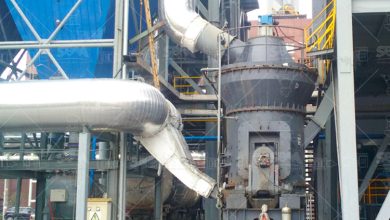
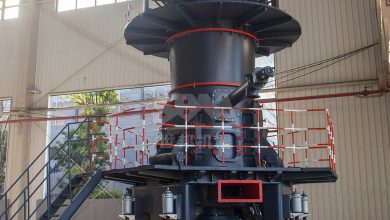
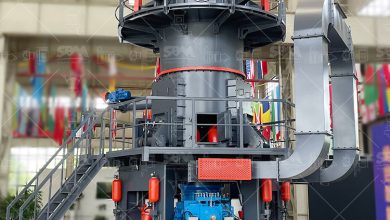
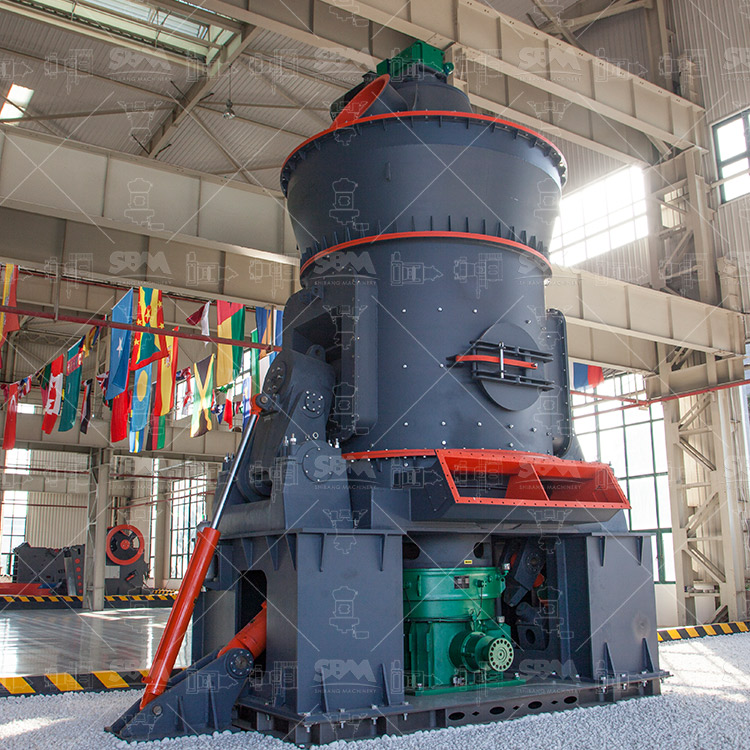
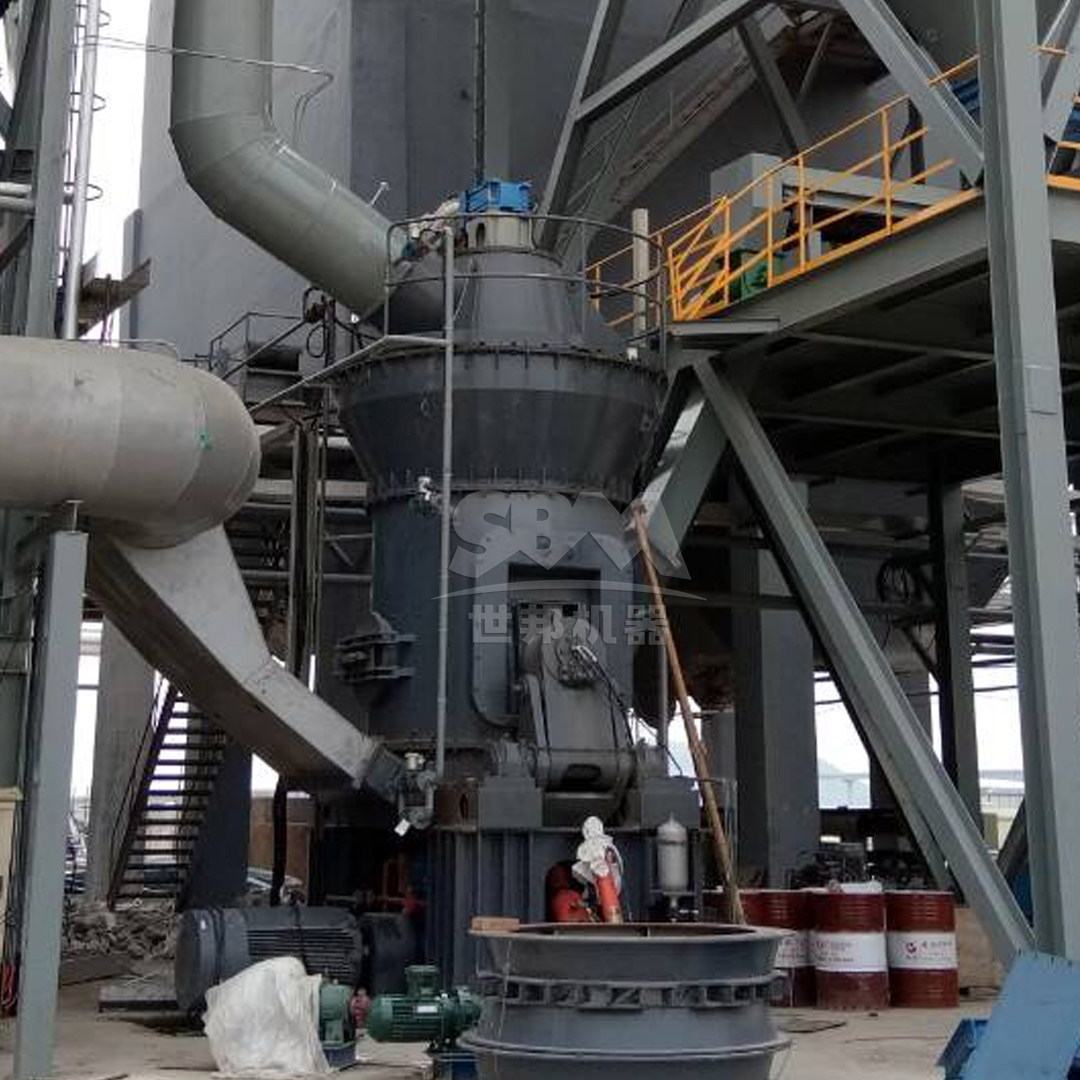
For large-scale production facilities requiring high capacity, the LM Series Vertical Roller Mill presents an ideal solution. Its integrated design combines crushing, grinding, drying, and classifying in a single unit, reducing footprint and energy consumption by 30-40% compared to traditional ball mill systems. The intelligent control system allows for real-time monitoring and adjustment of grinding parameters, ensuring consistent product quality. Models like the LM130K to LM190K are perfectly scaled for producing mineral powders like lithium slag at capacities from 10 to 68 tons per hour, making it a cornerstone for sustainable cement plant operations.
Application Guidelines and Economic Considerations
Successful integration of lithium slag powder requires careful mix design. The optimal replacement level depends on the slag’s specific activity, the target concrete performance, and the cement type. It is often used in combination with other SCMs like fly ash or limestone powder. From an economic perspective, while the grinding process adds cost, the overall economics are favorable due to the low or negative cost of the raw slag, reduced cement clinker consumption, and potential savings from improved durability and possible carbon tax incentives. The investment in advanced grinding technology, such as our SCM or LM series mills, pays off through lower specific energy consumption, high availability, and the ability to produce a premium, high-value additive.
Conclusion and Future Outlook
The answer to the question “Can lithium slag powder be used as mineral powder?” is a resounding yes. It is a technically sound, performance-enhancing, and sustainable supplementary cementitious material that can significantly improve the properties of cement and concrete. Its transformation from waste to resource epitomizes the principles of the circular economy in the construction industry. The key to harnessing its full potential lies in sophisticated grinding technology that can deliver the necessary fineness and quality consistently. As research continues and standards evolve, lithium slag powder is poised to become a mainstream component in the next generation of low-carbon, high-durability cementitious binders, with advanced milling solutions at the heart of its production.