Can Glass Fiber Waste Be Processed into Powder? | Recycling Methods Explained
Introduction: The Challenge and Opportunity of Glass Fiber Waste
The global composites industry, particularly sectors like wind energy, automotive, marine, and construction, generates millions of tons of glass fiber-reinforced plastic (GFRP) waste annually. Traditional disposal methods, such as landfilling and incineration, are increasingly untenable due to environmental regulations, high costs, and the loss of valuable materials. A promising and sustainable alternative is the mechanical processing of this waste into a fine powder. This recycled glass fiber powder (rGFP) can be reintroduced as a filler or reinforcement in new composite materials, cement products, or asphalt, creating a circular economy. This article explores the feasibility, processes, and critical machinery required to transform glass fiber waste into a high-value powder.
The Science Behind Grinding Glass Fiber Composites
Processing glass fiber waste into powder is a multi-stage mechanical operation. The primary challenge lies in the composite’s nature: a tough polymer matrix (often polyester, vinyl ester, or epoxy) bonded to brittle but strong glass filaments. The goal is to separate and reduce both components to a consistent, fine particle size.
The process typically involves:
- Primary Size Reduction (Shredding/Crushing): Large waste pieces (e.g., wind turbine blades, automotive parts) are shredded into smaller chips (20-50mm) using industrial shredders or crushers.
- Secondary Grinding (Coarse Powder Production): The chips are further reduced to a coarse powder or granulate (1-10mm). Hammer mills or impact crushers are effective here, breaking the composite structure apart.
- Tertiary & Fine Grinding (Powder Production): This is the most critical stage, where the coarse material is pulverized into the target fineness (from 325 mesh/45μm down to ultrafine levels of 2500 mesh/5μm). This stage liberates the glass fibers from the resin and reduces them to a powder suitable for reuse.
The efficiency, energy consumption, and final particle quality of the fine grinding stage are paramount. This is where advanced milling technology makes the difference between a viable product and an economic failure.
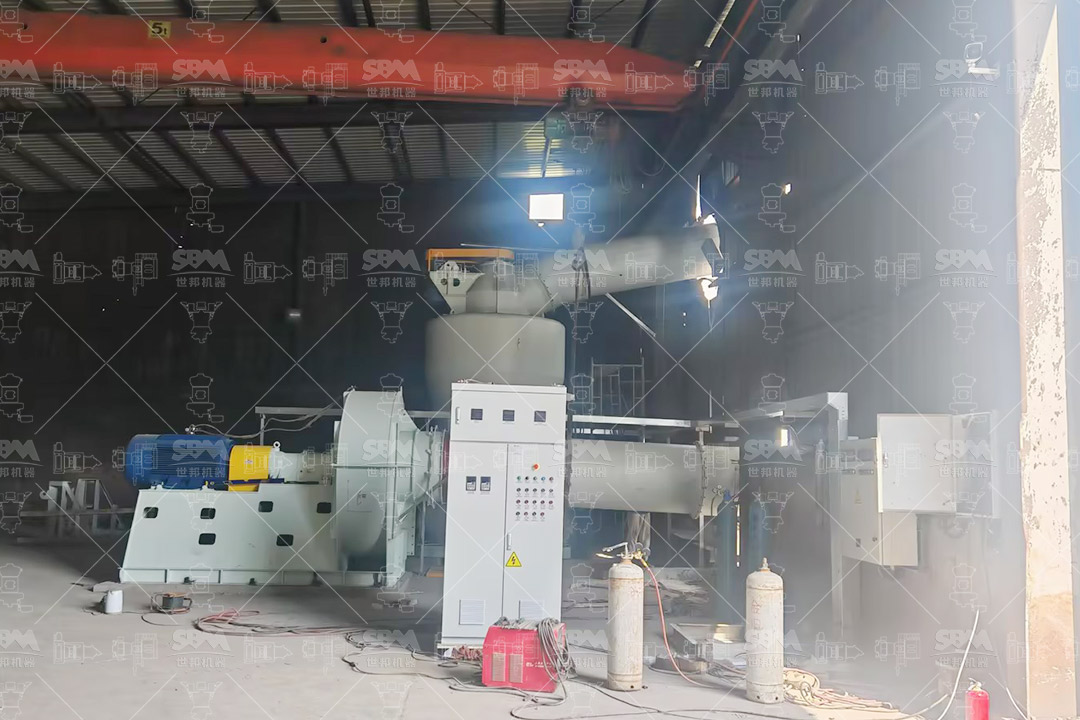
Critical Machinery for Fine Grinding: From Coarse to Powder
Selecting the right grinding mill is essential for achieving the desired powder characteristics (fineness, particle shape, and consistency) while maintaining operational economy. Two primary milling philosophies are employed, each suited to different stages or final product specifications.
1. For High-Capacity, Coarse to Medium-Fine Powder (30-325 mesh / 600-45μm)
When the application for rGFP allows for a slightly coarser product—such as in concrete filler, asphalt modification, or bulk molding compounds—high-capacity roller mills are the ideal choice. They offer robust construction, high throughput, and excellent energy efficiency for this particle size range.
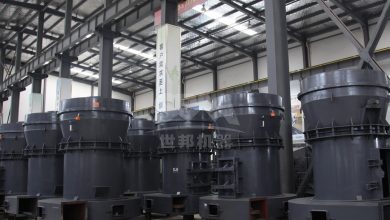
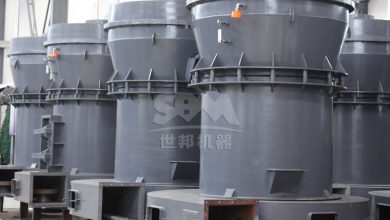
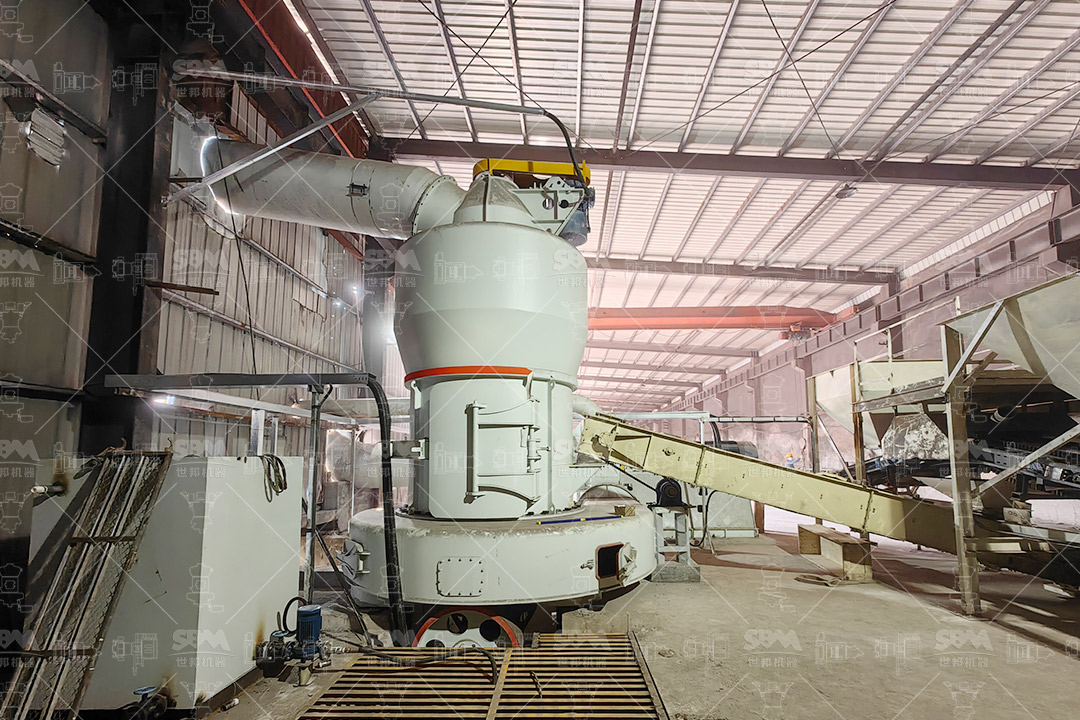
Our MTW Series European Trapezium Mill is engineered for precisely this kind of demanding, continuous-duty grinding. Its core advantages for glass fiber recycling include:
- High Capacity & Durability: With a capacity range of 3-45 tons per hour and an anti-wear shovel design, it can process large volumes of abrasive composite waste reliably.
- Optimized for Abrasives: Features like wear-resistant volute structures and curved grinding rollers extend component life significantly, reducing maintenance costs when processing glass-filled materials.
- Precise Classification: An efficient integral classifier ensures consistent output fineness between 30 and 325 mesh, allowing operators to tailor the powder for specific downstream applications.
For recycling facilities aiming to produce tonnage quantities of functional filler powder, the MTW Series provides the perfect balance of output, control, and operational cost.
2. For High-Value, Ultrafine Powder (325-2500 mesh / 45-5μm)
To unlock the highest value from recycled glass fiber, producing an ultrafine powder is often necessary. Ultrafine rGFP has a higher surface area and can act as a more effective reinforcement in new plastics, coatings, and specialty materials. This requires a mill capable of delicate yet powerful grinding with exceptional classification accuracy.
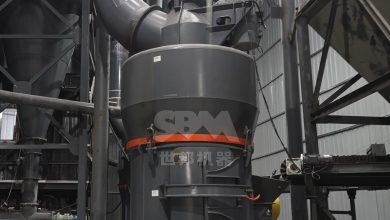
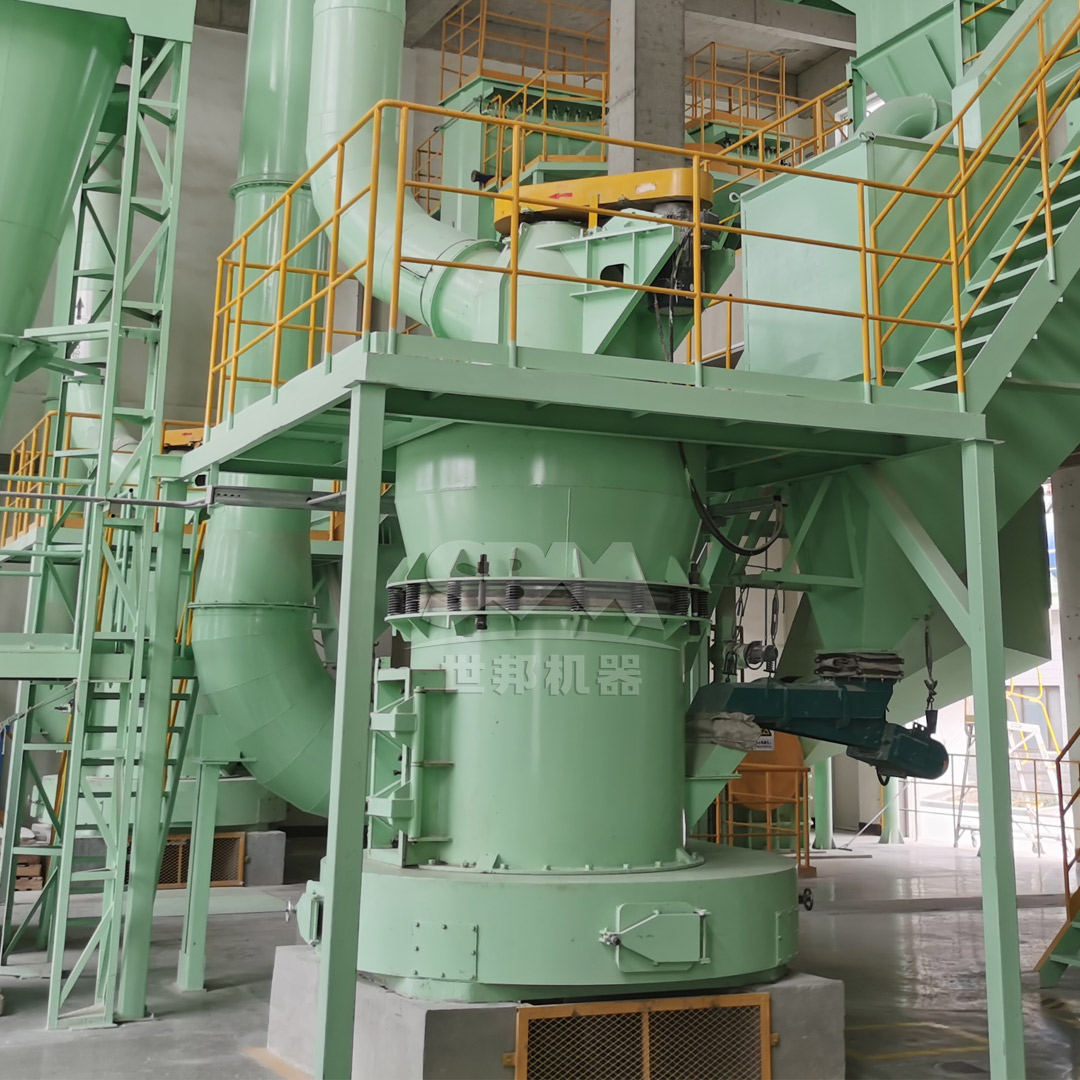
Our flagship SCM Series Ultrafine Mill is specifically designed for this mission-critical task. It stands out in glass fiber powder production for several reasons:
- Ultrafine Precision: It can consistently produce powder in the range of 325 to 2500 mesh (45-5μm), meeting the strict specifications of high-end applications.
- High-Efficiency Classification: Its vertical turbine classifier is key. It provides precise particle size “cutting,” ensuring no coarse glass fibers or resin chunks contaminate the final product, resulting in a uniform and high-quality powder.
- Energy Efficiency: Despite its fine-grinding capabilities, the SCM Mill consumes up to 30% less energy than traditional jet mills while offering double the capacity, making ultrafine production economically viable.
- Turnkey Eco-Operation: The mill integrates a high-efficiency pulse dust collection system (exceeding 99.9%) and soundproofing, ensuring the plant meets stringent environmental and workplace safety standards—a crucial consideration for any modern recycling operation.
For recyclers targeting the advanced materials market, the SCM Series Ultrafine Mill transforms challenging glass fiber waste into a consistent, saleable premium product.
Integrated Recycling Process: A System Approach
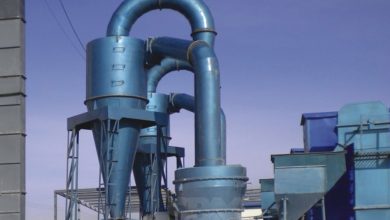
A successful glass fiber powder plant is more than just a mill. It is an integrated system. After primary shredding, the material may need drying to remove moisture. A conveyor system feeds the pre-processed waste into the chosen mill (e.g., the MTW for coarse powder or the SCM for ultrafine). The mill’s internal classifier separates the powder, which is then conveyed via air to a cyclone collector and a final baghouse filter (like the one integrated into our mills) for product recovery. The entire system should be controlled via PLC for consistent quality and minimal operator intervention.
Conclusion: A Sustainable Path Forward with Advanced Technology
The answer is a definitive yes—glass fiber waste can and should be processed into powder. This process is not just technically feasible but is becoming an economic and environmental imperative. The key to successful commercialization lies in selecting the right grinding technology that matches your target product specification and business scale.
Whether your goal is to produce high-volume filler powder using our robust MTW Series Mill or to create high-value ultrafine reinforcement with our precision SCM Series Ultrafine Mill, advanced milling solutions are available to make glass fiber recycling efficient, profitable, and sustainable. By investing in the right equipment, the composites industry can close the loop, reduce its environmental footprint, and create a new stream of raw materials from what was once considered waste.