Can Dolomite Be Used in Asphalt? Production Process of Dolomite Asphalt Filler
Introduction: The Potential of Dolomite in Asphalt
Dolomite, a calcium magnesium carbonate mineral (CaMg(CO3)2), has long been a cornerstone material in construction and agriculture. Its application in asphalt mixtures, however, represents a sophisticated and highly beneficial use case that is gaining significant traction in modern road construction. This article delves into the viability of dolomite as an asphalt filler, exploring its material properties, the production process for creating the optimal filler grade, and the equipment essential for achieving the required specifications. The transition from raw dolomite rock to a high-performance asphalt component is a precise engineering challenge, demanding specialized grinding and milling technology to unlock the mineral’s full potential.
1. Why Dolomite? Properties and Benefits for Asphalt
Dolomite offers a compelling set of physical and chemical properties that make it an excellent mineral filler in asphalt concrete (Hot Mix Asphalt – HMA).
- Enhanced Stability and Stiffness: The angular, plate-like particles of finely ground dolomite filler improve the internal friction and interlocking within the asphalt matrix. This leads to increased Marshall Stability and resistance to rutting under heavy traffic loads.
- Improved Moisture Resistance: Dolomite is less hydrophilic compared to some other fillers like limestone. This characteristic helps reduce moisture damage (stripping) within the asphalt pavement, enhancing its durability and service life.
- Cost-Effectiveness and Availability: In many regions, dolomite deposits are abundant, making it a locally sourced and economical alternative to traditional fillers. Its use can contribute to more sustainable construction practices by reducing transportation costs.
- Thermal Properties: Dolomite has favorable thermal characteristics that can contribute to the overall performance of the asphalt mix, particularly in temperature-variable climates.
The key to harnessing these benefits lies in processing the dolomite to the correct particle size distribution and surface area, which directly influences its interaction with bitumen.
2. The Production Process: From Quarry to Asphalt Plant
The transformation of raw dolomite into asphalt filler is a multi-stage process focused on achieving precise particle size control, typically targeting a fine powder where a high percentage of particles pass the 200-mesh (75 µm) sieve, with advanced applications requiring even finer grades (e.g., 325 mesh or 45 µm).
2.1 Primary Crushing and Pre-Screening
Quarried dolomite rock is first reduced to a manageable size (typically below 50mm) using primary crushers like jaw or impact crushers. This stage prepares the material for efficient downstream grinding.
2.2 The Critical Stage: Fine and Ultrafine Grinding
This is the most crucial step in determining the quality of the final dolomite filler. The goal is to produce a dry, consistently fine powder. The choice of grinding equipment depends on the required final fineness, production capacity, and energy efficiency targets.
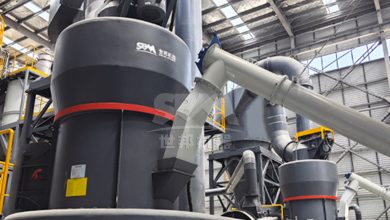
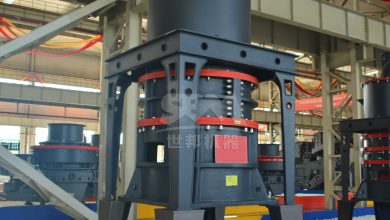
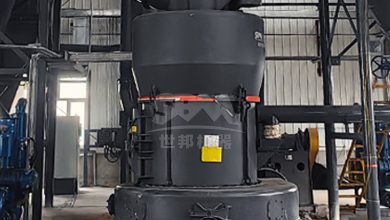
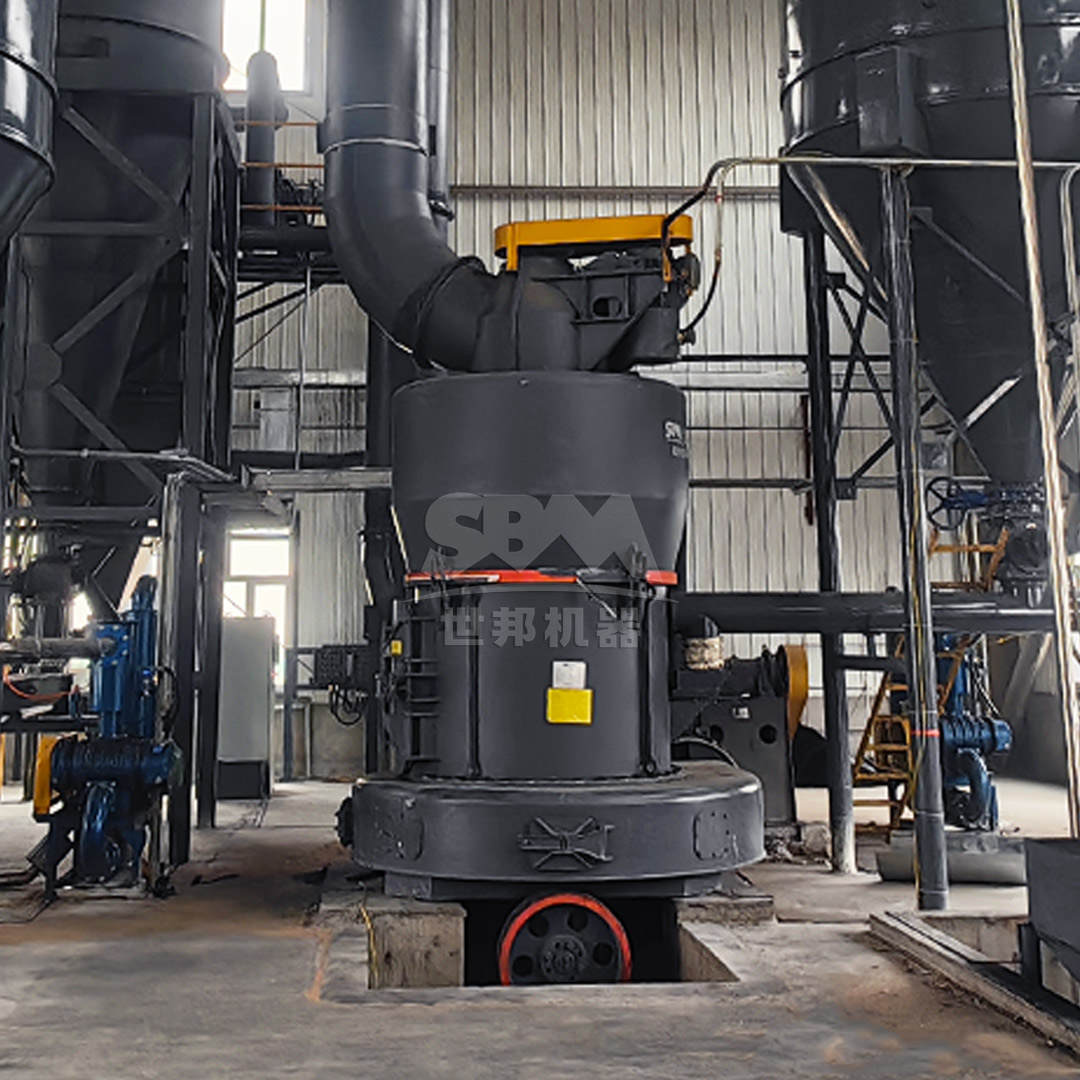
- For Coarse to Medium Filler (30-200 mesh / 600-75µm): Equipment like the MTW Series Trapezium Mill is highly effective. Its curved air duct and wear-resistant design ensure stable, high-capacity production of filler in this range. For example, the MTW215G model, with a capacity of 15-45 tons per hour and the ability to handle feed sizes up to 50mm, is perfectly suited for large-scale asphalt filler production lines requiring consistent output in the 30-325 mesh range.
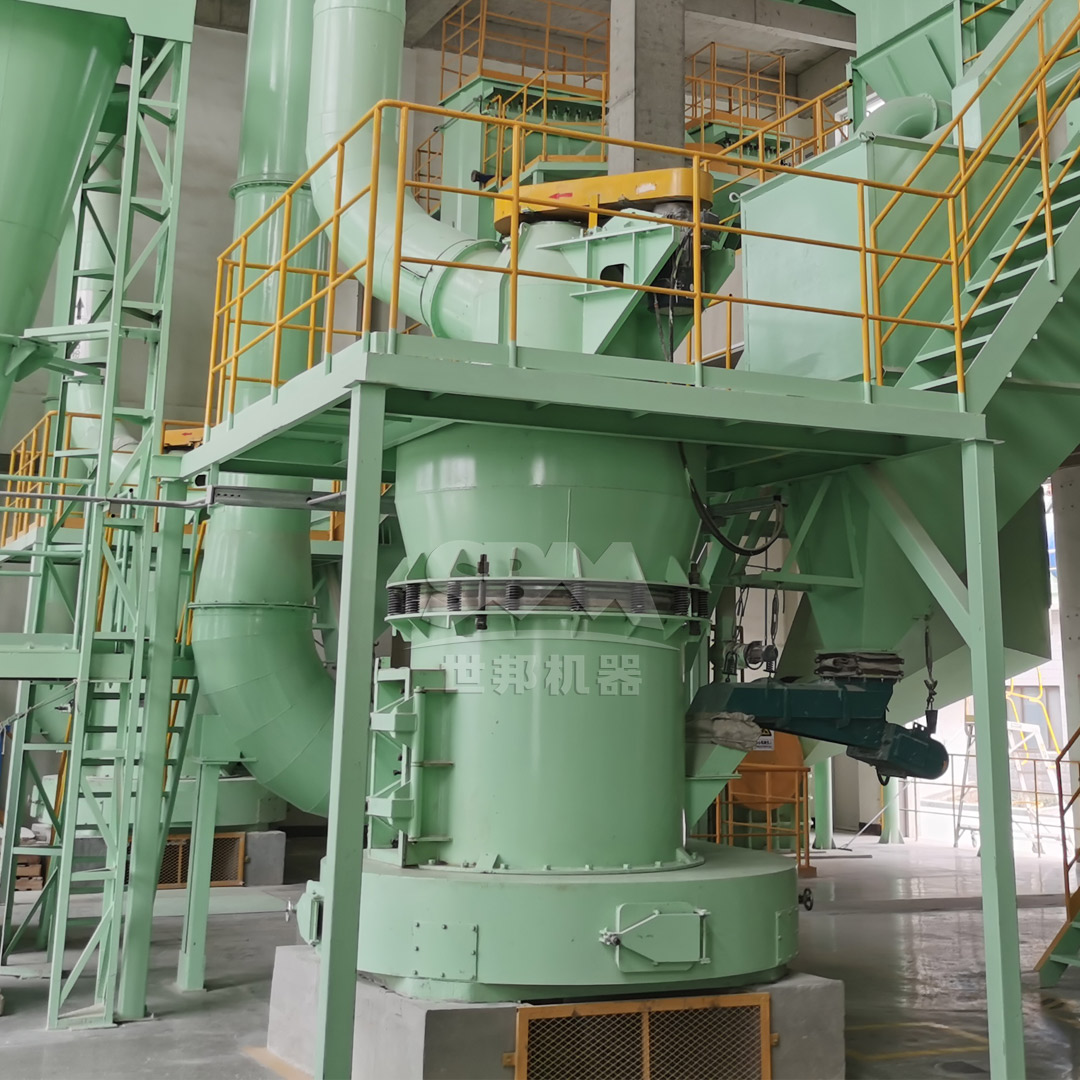
- For High-Performance Ultrafine Filler (325-2500 mesh / 45-5µm): When asphalt formulations demand the highest surface area and reactivity from the filler, ultrafine grinding is mandatory. Our SCM Ultrafine Mill series is engineered for this exact purpose. Utilizing a vertical turbine classifier and a unique grinding chamber design, the SCM mill can produce dolomite powder with a fineness of D97 ≤ 5µm (2500 mesh). Its high efficiency and energy-saving design—offering twice the capacity of jet mills with 30% lower energy consumption—make it an ideal choice for producing premium-grade asphalt filler. Models like the SCM1680 can process 5.0-25 tons per hour, making ultrafine filler production commercially viable.
2.3 Classification and Collection
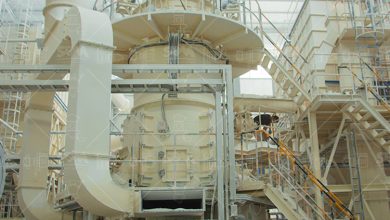
Integrated or separate air classifiers are used to separate the finely ground powder from coarser particles, ensuring a tight particle size distribution. The合格 fine powder is then collected using high-efficiency cyclone separators and pulse-jet baghouse dust collectors, which are essential for meeting environmental standards and maximizing product yield.
2.4 Storage and Packaging
The finished dolomite filler is stored in silos to protect it from moisture. It can be transported in bulk tankers to asphalt plants or packaged in big bags for smaller-scale use.
3. Integration into Asphalt Mix Design
At the asphalt mixing plant, the dolomite filler is precisely metered and introduced into the mixer alongside aggregates and heated bitumen. The fine particles coat the larger aggregates and become dispersed in the bitumen, filling voids and creating a denser, more cohesive mixture. The optimal filler content (typically 4-8% by mass of total aggregate) is determined through rigorous laboratory mix design tests to achieve the desired performance properties.
4. Equipment Recommendation: Matching Technology to Need
Selecting the right milling equipment is paramount for a profitable and high-quality dolomite asphalt filler operation. Based on your production goals:
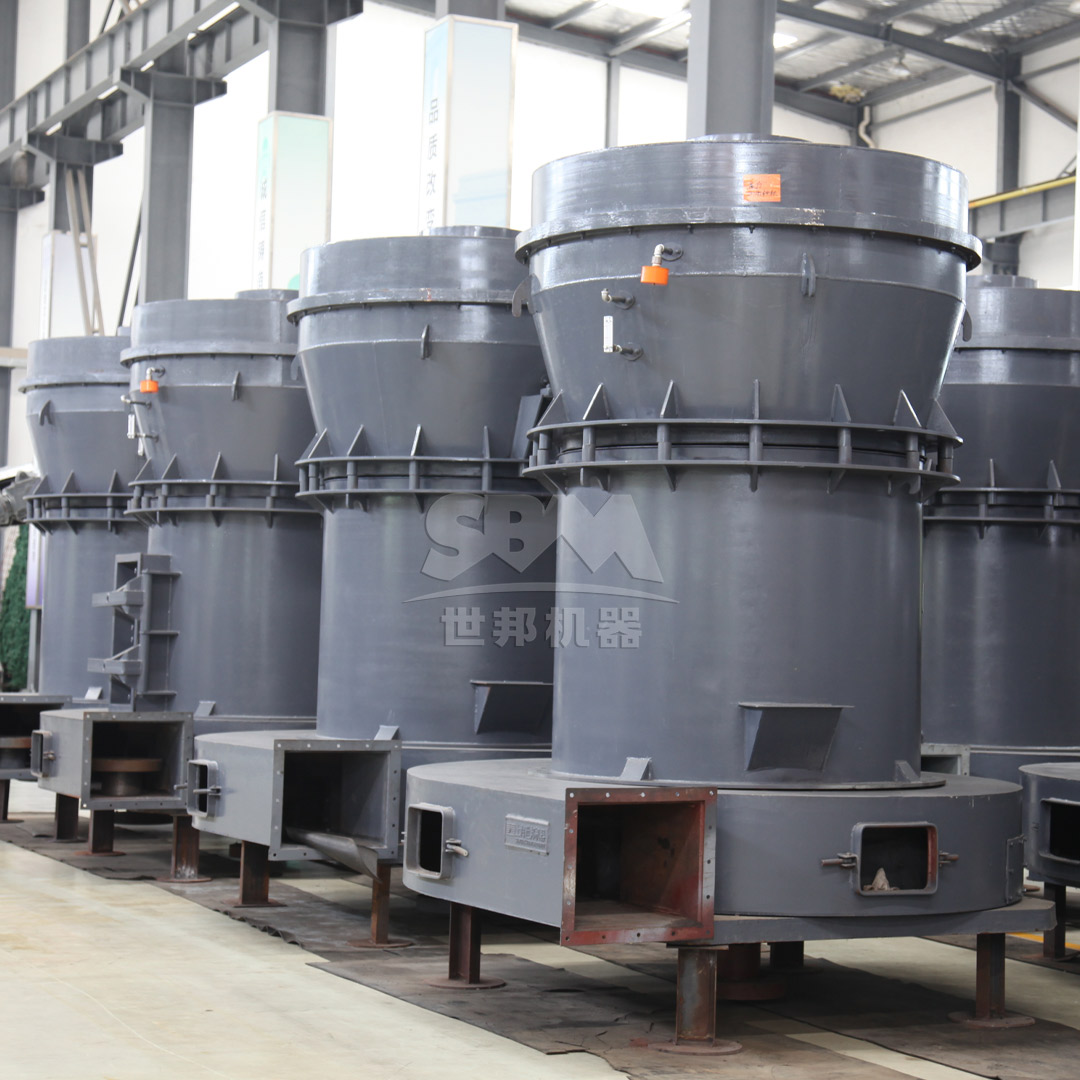
- For High-Volume, Standard Filler Production: We strongly recommend our MTW Series Trapezium Mill (e.g., MTW215G or MTW175G). Its robust construction, high throughput, and ability to produce precisely controlled powder in the 30-325 mesh range make it the workhorse for most asphalt filler applications. The conical gear transmission ensures high efficiency, and the wear-resistant components minimize maintenance downtime.
- For Premium, Ultrafine Filler Production: Our flagship SCM Ultrafine Mill is the definitive solution. If your market demands or R&D points towards superior asphalt performance through ultrafine fillers, the SCM series delivers unmatched fineness control down to 5µm. Its intelligent control system automatically adjusts for consistent product quality, and the environmentally friendly design with noise levels ≤75dB ensures compliance with modern plant requirements.
Both product lines are backed by comprehensive technical support and can be integrated into complete, automated production systems.
5. Conclusion
Dolomite is not only a viable material for asphalt filler but a superior one in many contexts, offering enhanced mechanical properties and durability. The bridge between raw mineral potential and engineered performance is an advanced production process centered on precision grinding. By leveraging modern milling technologies like the MTW Series for standard filler and the SCM Ultrafine Mill for high-end applications, producers can reliably manufacture dolomite filler that meets the exacting standards of the asphalt industry. This contributes to building longer-lasting, more resilient road infrastructure, turning a common mineral into a key component of modern construction.