Bentonite Powder Processing Equipment and Market Analysis
Introduction
Bentonite, a versatile clay mineral primarily composed of montmorillonite, is a cornerstone material in numerous industrial applications. Its unique properties—including high swelling capacity, cation exchange, and adsorption—make it indispensable in sectors ranging from foundry and civil engineering to agriculture, pet litter, and drilling fluids. The global bentonite market is experiencing steady growth, driven by infrastructure development, environmental remediation needs, and advancements in material science. The value and performance of bentonite are intrinsically linked to its processing, where particle size distribution, purity, and activation level are critical. This article delves into the essential equipment for bentonite powder processing and analyzes the corresponding market dynamics, highlighting technological solutions that enhance efficiency and product quality.
Bentonite Processing: From Raw Clay to Refined Powder
The transformation of raw bentonite ore into a market-ready powder involves several key stages: drying, crushing, milling (grinding), classification, and, in some cases, activation (usually with sodium carbonate) or purification. The heart of this process lies in the milling stage, where the clay’s particle size is reduced to the desired fineness, typically measured in mesh (e.g., 200 mesh, 325 mesh) or micrometers (μm).
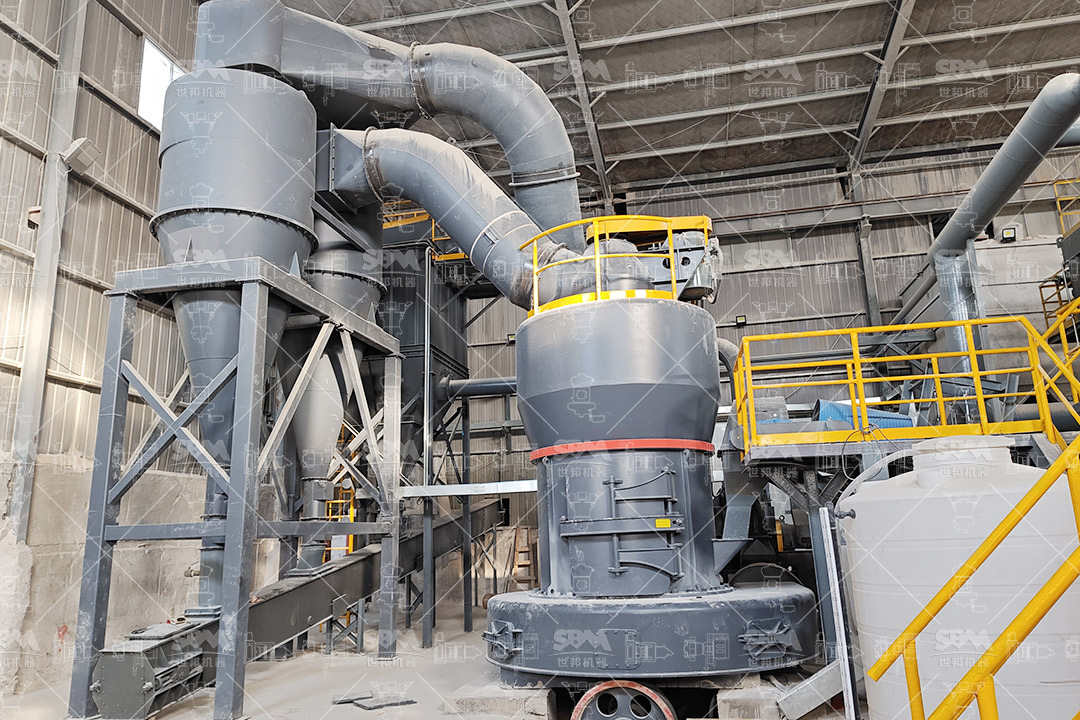
The choice of grinding equipment is paramount. It must handle the sometimes abrasive and often moist feed material, achieve a consistent and narrow particle size distribution, operate energy-efficiently, and minimize contamination. Traditional equipment like Raymond mills and ball mills have been widely used. However, technological evolution has introduced more advanced solutions like vertical roller mills and ultrafine grinding mills, which offer superior control over product fineness and significantly lower operational costs.
Market Analysis: Drivers, Trends, and Regional Insights
Market Drivers
- Infrastructure and Construction Boom: The use of bentonite in slurry walls, tunneling, and as a waterproofing agent continues to grow with global urbanization.
- Environmental Applications: Its use in landfill liners, soil remediation, and wastewater treatment is expanding due to stricter environmental regulations.
- Foundry and Metalcasting: As a binding agent for molding sands, bentonite demand is tied to automotive and heavy machinery manufacturing.
- Oil & Gas Industry: The need for high-quality drilling mud components stabilizes demand, though it is subject to hydrocarbon market volatility.
- Consumer Products: Growth in pet care and personal care products (e.g., cat litter, cosmetics) provides a stable market segment.
Regional Landscape
The Asia-Pacific region, led by China and India, is the largest and fastest-growing market, fueled by massive construction activities and industrial growth. North America and Europe remain significant markets with a focus on high-value applications and environmental technologies. The quality and accessibility of bentonite deposits, such as those in Wyoming (USA), also influence regional production and trade flows.
Key Trend: Demand for High-Purity and Ultra-Fine Bentonite
A prominent trend is the increasing demand for processed bentonite with very fine particle sizes (e.g., <10 μm or even <5 μm) and high purity. This is particularly critical for advanced applications in pharmaceuticals, cosmetics, nano-composites, and high-performance drilling fluids. Meeting these specifications requires grinding technology capable of precise particle size control without compromising throughput or incurring excessive energy costs.
Critical Equipment for Modern Bentonite Processing
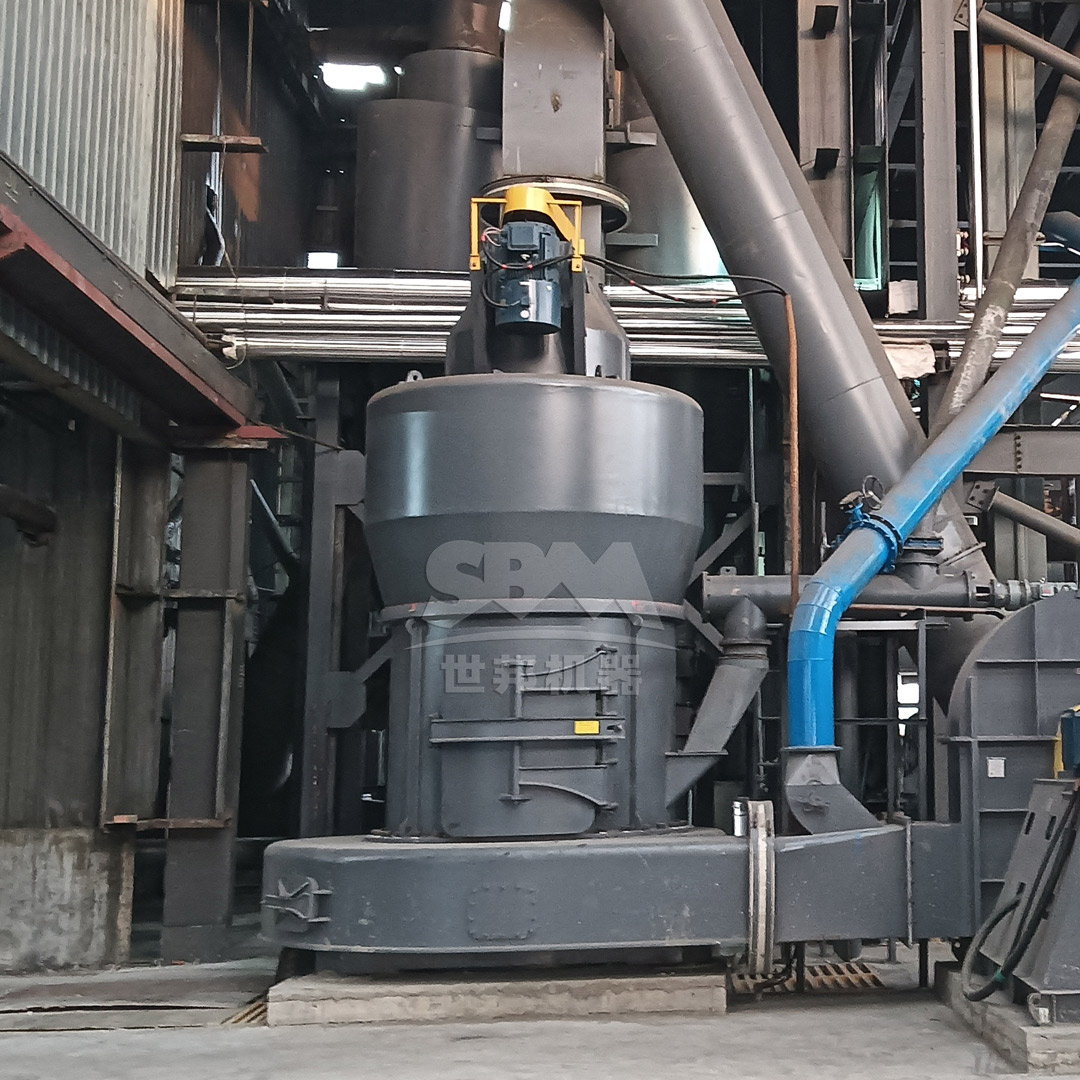
To meet modern market demands for efficiency and product quality, processors are moving beyond basic crushing mills. The ideal bentonite grinding system should offer high capacity, adjustable fineness, low wear, and integrated drying capabilities for moist feed.
1. For High-Capacity, Coarse to Medium-Fine Grinding (30-325 mesh)
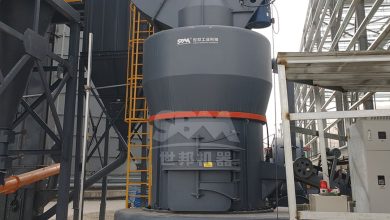
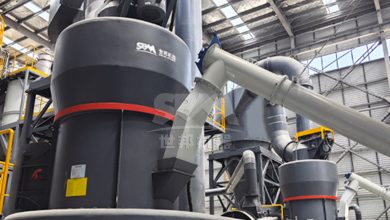
For general-purpose bentonite grinding where the target is 30 to 325 mesh (approximately 600 to 45 μm), robust and efficient mills are required. The MTW Series Trapezium Mill represents a significant advancement in this category. Its curved air duct design minimizes flow resistance and improves transmission efficiency, while the bevel gear overall drive ensures a remarkable 98% transmission rate, saving space and energy. The wear-resistant volute structure and modular shovel blade design directly address the challenge of processing abrasive materials like bentonite, reducing maintenance frequency and cost by up to 30%. With models like the MTW215G offering capacities up to 45 tons per hour, it is an excellent solution for large-scale bentonite processing plants seeking reliability and low operational expenditure.
2. For Premium Ultra-Fine Bentonite Production (325-2500 mesh / 45-5μm)
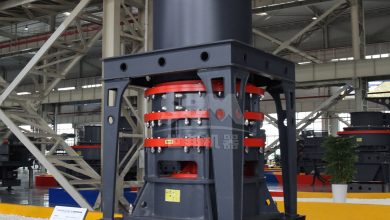
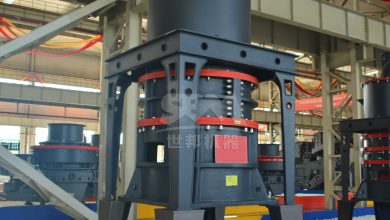
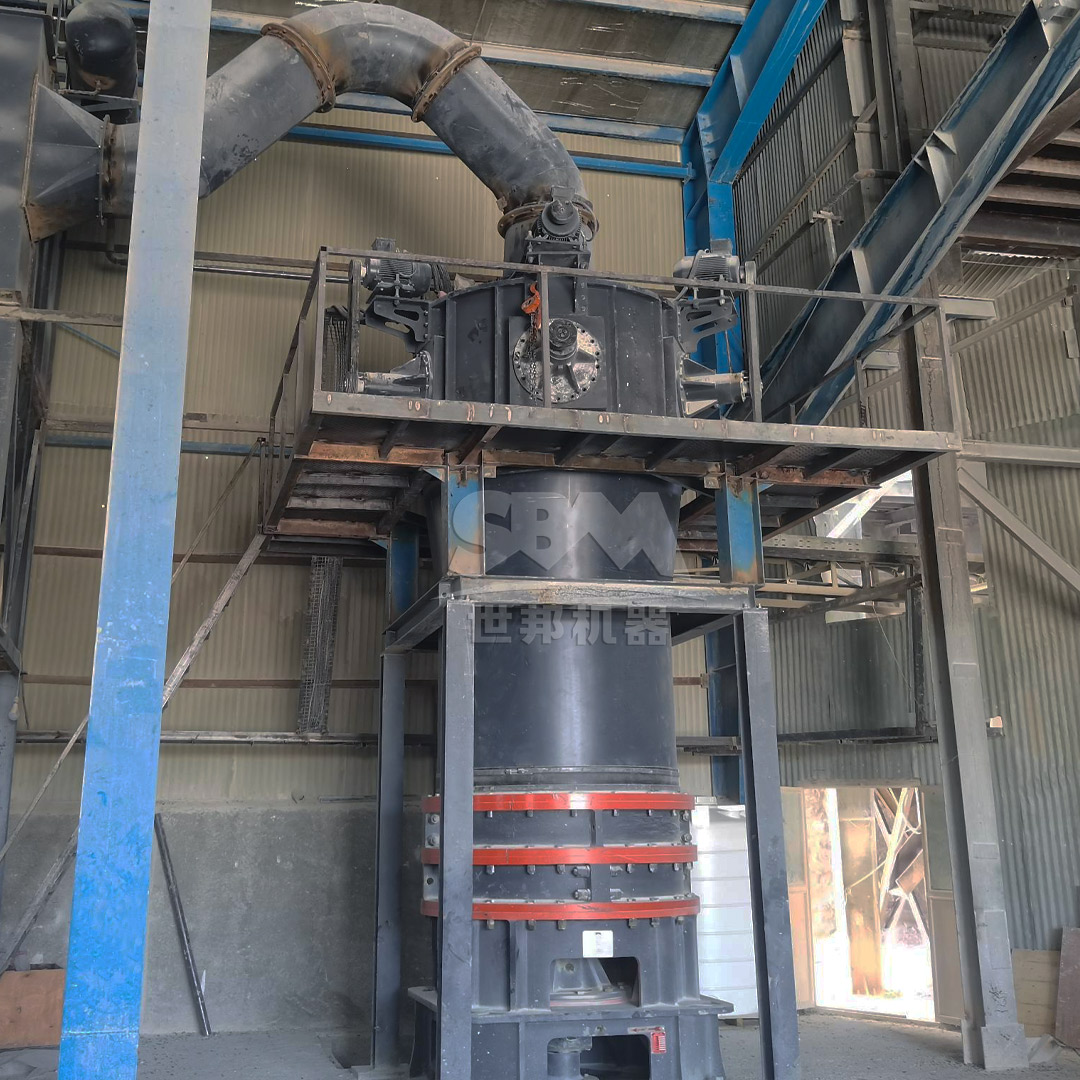
Capturing the high-value segment of the market requires technology capable of producing ultra-fine powders consistently. This is where the SCM Ultrafine Mill excels. Engineered specifically for superfine powder production, it can achieve a fineness range from 325 to 2500 mesh (D97 ≤ 5μm). Its core advantage lies in the high-precision vertical turbine classifier, which ensures sharp particle size cuts and eliminates coarse powder contamination, resulting in a uniform and high-quality product. Furthermore, its innovative grinding chamber design with special material rollers and rings extends wear life significantly. Perhaps most compelling for cost-conscious producers is its energy efficiency; the SCM series offers approximately twice the capacity of a jet mill while reducing energy consumption by 30%. For processors aiming to supply bentonite for pharmaceuticals, high-end cosmetics, or advanced materials, the SCM Ultrafine Mill, particularly models like the SCM1680 with a capacity of up to 25 t/h, provides a technologically superior and economically viable solution.
Conclusion
The bentonite market’s evolution towards higher-value applications and stricter quality standards necessitates a parallel evolution in processing technology. Success in this competitive landscape depends not only on access to quality raw material but also on investing in efficient, precise, and reliable grinding equipment. Modern mills like the MTW Series for high-volume general processing and the SCM Ultrafine Mill for premium ultra-fine production are engineered to meet these exacting demands. They deliver the critical combination of precise particle size control, high throughput, energy savings, and low maintenance, ultimately ensuring product consistency and improving the processor’s bottom line. As market trends continue to favor specialized bentonite products, adopting such advanced processing technologies will be a key differentiator for producers worldwide.