Bentonite Deep Processing Project: What Products Are Produced and Their Applications?
Introduction
Bentonite, a naturally occurring clay primarily composed of montmorillonite, is a versatile industrial mineral with unique properties such as high swelling capacity, cation exchange, and thixotropy. Its value is significantly enhanced through deep processing, transforming raw clay into high-purity, functionally engineered products. A modern bentonite deep processing project is a sophisticated operation involving precise grinding, classification, purification, activation, and modification. This article explores the key products derived from such projects and their extensive applications across diverse industries.
From Raw Clay to Engineered Products: The Deep Processing Chain
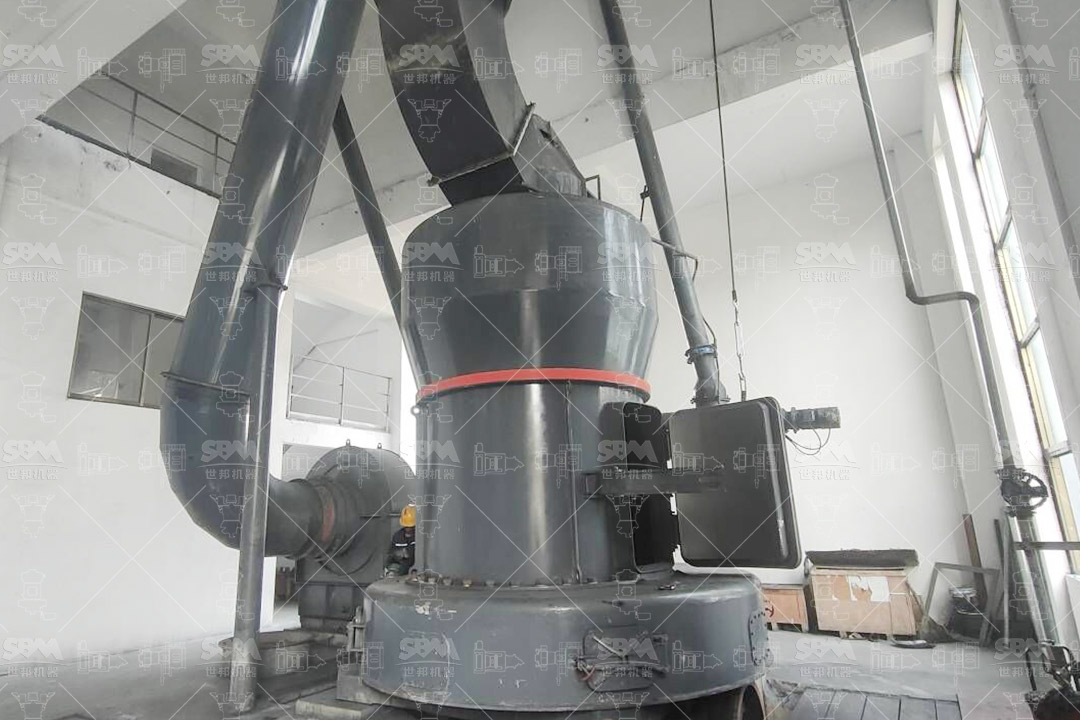
The journey from mined bentonite to a high-value product involves several critical stages. After initial crushing, the core process is fine and ultrafine grinding, which liberates the platelet structure of montmorillonite, dramatically increasing its surface area and reactivity. This is followed by classification to achieve precise particle size distributions, drying, and often chemical activation (e.g., with sodium carbonate to produce sodium bentonite) or organic modification to create organoclays.
Key Products of a Bentonite Deep Processing Plant
1. Fine and Ultrafine Bentonite Powder
This is the foundational product. Depending on the grinding fineness, it serves various purposes.
- 200-325 Mesh Bentonite: Used in foundries as a bonding clay for green sand molds, in iron ore pelletizing as a binder, and as a basic drilling mud additive.
- 400-800 Mesh Bentonite: Employed in higher-performance applications requiring better dispersion, such as in ceramics, cat litter, and as a carrier for pesticides and fertilizers.
- Ultrafine Bentonite (1250 mesh and above, 5-10μm): This product unlocks the full potential of bentonite’s properties. It is essential for high-end applications like premium cosmetics (as a viscosity modifier and stabilizer), pharmaceuticals (as a disintegrant or binder in tablets), nano-composites, and as a high-efficiency rheological modifier in paints, coatings, and advanced drilling fluids.
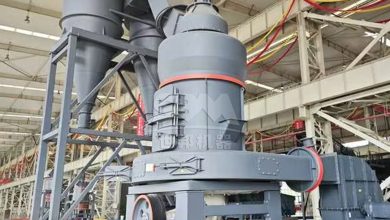
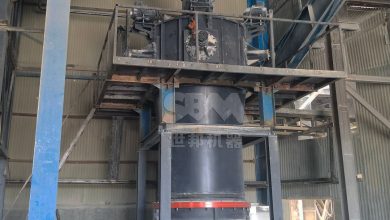
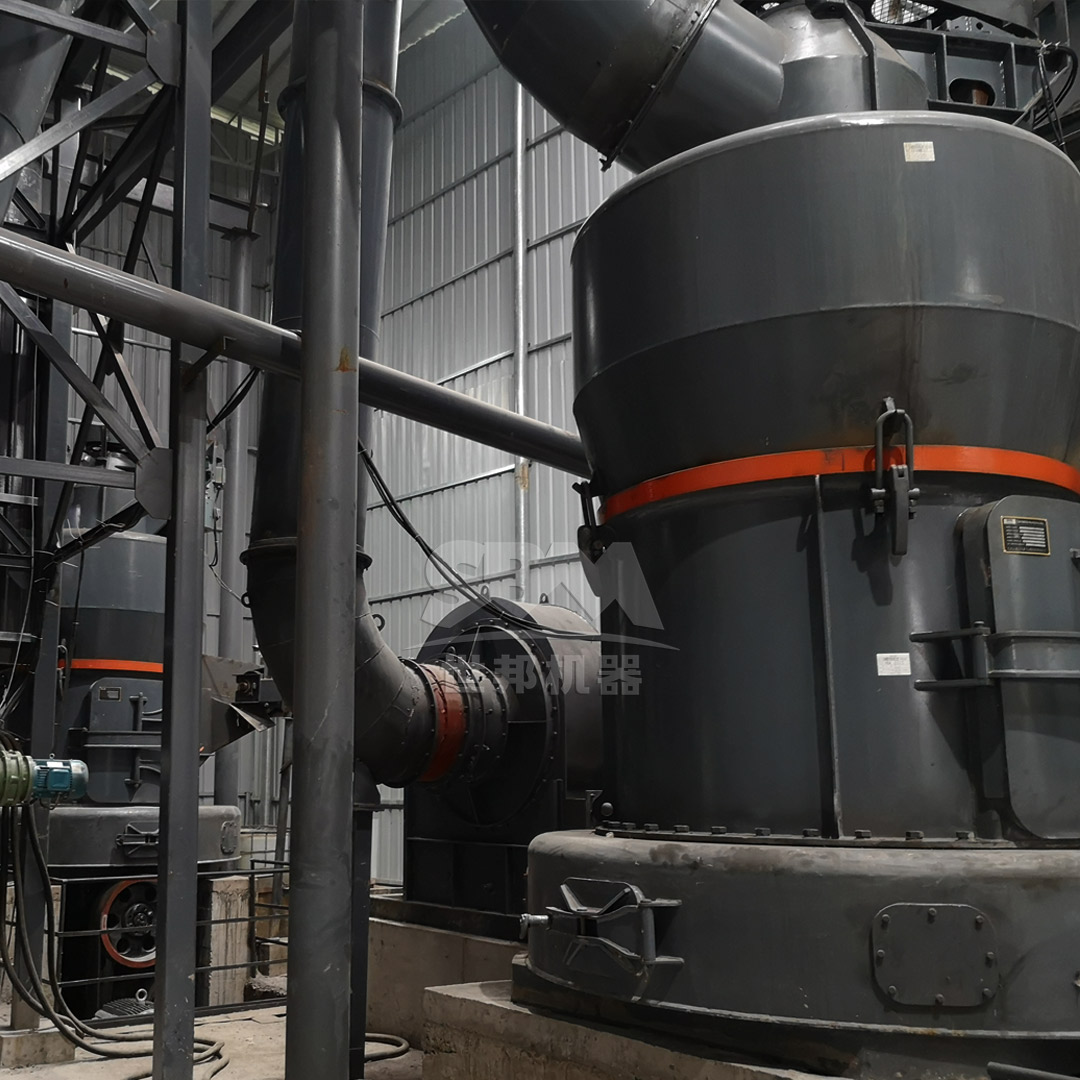
Producing consistent, high-yield ultrafine bentonite powder requires advanced milling technology. For this critical stage, our SCM Series Ultrafine Mill is an ideal solution. Engineered specifically for processing minerals like bentonite to micron and sub-micron levels, it offers a fineness range of 325-2500 mesh (45-5μm). Its high-precision vertical turbine classifier ensures a narrow, consistent particle size distribution with no coarse powder mixing, which is crucial for product performance. Furthermore, its energy-efficient design and durable, wear-resistant grinding rollers make it a cost-effective and reliable choice for large-scale, continuous bentonite deep processing operations.
2. Sodium Activated Bentonite
Many naturally occurring bentonites are calcium-based, which have lower swelling capacity. Sodium activation through ion exchange significantly improves swelling volume, viscosity, and colloidal properties. This product is the industry standard for:
- Geosynthetic Clay Liners (GCLs): Used in landfill caps and base liners for its superior self-sealing ability when hydrated.
- High-Viscosity Drilling Fluids: For oil, gas, and water well drilling to cool the drill bit, remove cuttings, and stabilize the borehole wall.
- Iron Ore Pelletizing: As a primary binder to form strong, transportable pellets for blast furnaces.
3. Organically Modified Bentonite (Organoclay)
By exchanging the inorganic cations on the clay’s surface with organic ammonium salts, the bentonite becomes hydrophobic and organophilic. This transformation creates a vital additive for:
- Paints, Coatings, and Greases: As a rheological modifier and anti-settling agent, providing thixotropy—allowing the product to flow under shear but gel when static.
- Polymer Nanocomposites: As a nano-filler to enhance mechanical strength, thermal stability, and barrier properties in plastics and rubber.
- Environmental Remediation: Used to absorb organic contaminants like oils, solvents, and pesticides from wastewater.
4. Acid-Activated Bentonite (Bleaching Clay)
Treatment with mineral acids (like HCl or H2SO4) leaches cations, increases surface area and porosity, and creates strong adsorption sites. The resulting product is a highly effective adsorbent for:
- Edible Oil Refining: To remove pigments, phospholipids, and oxidation products, decolorizing and purifying oils (e.g., soybean, palm, canola oil).
- Mineral Oil and Biofuel Purification: To improve color and stability.
- Petrochemical Industry: As a catalyst or catalyst support.
Applications Across Industries
The processed bentonite products find indispensable roles in modern industry:
- Construction & Civil Engineering: As a waterproofing agent in slurry walls, a sealant in ponds, and a viscosity modifier in cement and grouts.
- Agriculture & Animal Husbandry: As a pellet binder for animal feed, a soil conditioner to retain water and nutrients, and a carrier for agrochemicals.
- Personal Care & Pharmaceuticals: In facial masks, creams, lotions (as a thickener), and in medicinal formulations (as an excipient or for its detoxification properties).
- Environmental Protection: In landfill liners (GCLs), as a sealing barrier for tailings ponds, and as an adsorbent for heavy metals and organics.
The Role of Advanced Milling Equipment
The profitability and product quality of a bentonite project hinge on the efficiency of its grinding circuit. While ultrafine mills are key for the highest-value products, a complete plant often requires a multi-stage size reduction approach.
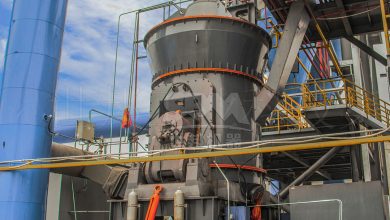
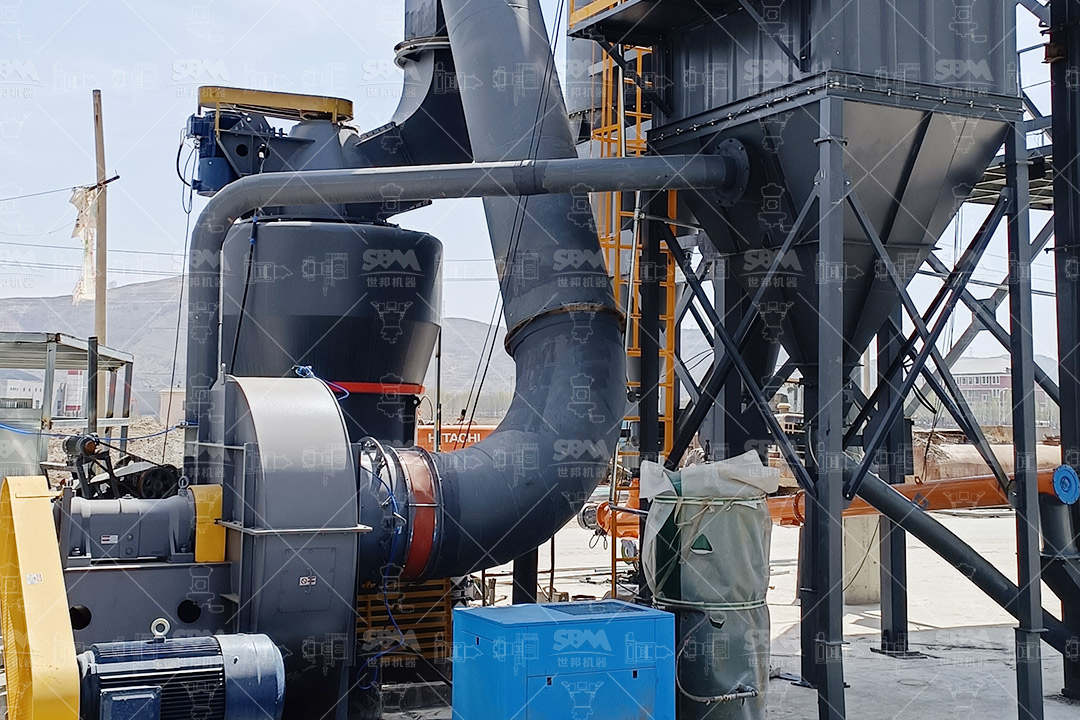
For the intermediate grinding stage, producing high volumes of fine powder in the 30-325 mesh range for applications like foundry sand, pelletizing, and cat litter, the MTW Series European Trapezium Mill stands out. With a capacity of up to 45 tons per hour and an innovative, wear-resistant design featuring curved shovel blades and an integral bevel gear drive, it offers exceptional reliability and low operating costs. Its efficient classification system ensures the precise fineness control needed to meet stringent industrial specifications, making it a robust workhorse for core bentonite processing.
Conclusion
A bentonite deep processing project is far more than simple grinding; it is a value-adding transformation chain. By leveraging advanced technologies like our SCM Ultrafine Mill and MTW European Trapezium Mill, producers can efficiently manufacture a spectrum of products—from foundational fine powders to specialized activated and modified clays. These engineered materials are critical components in industries ranging from construction and metallurgy to food processing and environmental protection, underlining the strategic importance of sophisticated mineral processing in the modern economy.