Ball Mill vs Vertical Roller Mill: Which is Better for Your Mineral Grinding Project?
Introduction
Selecting the right grinding equipment is crucial for the success of any mineral processing operation. The choice between traditional ball mills and modern vertical roller mills (VRMs) can significantly impact your project’s efficiency, operational costs, and final product quality. This comprehensive analysis examines both technologies to help you make an informed decision based on your specific requirements.
Understanding Ball Mill Technology
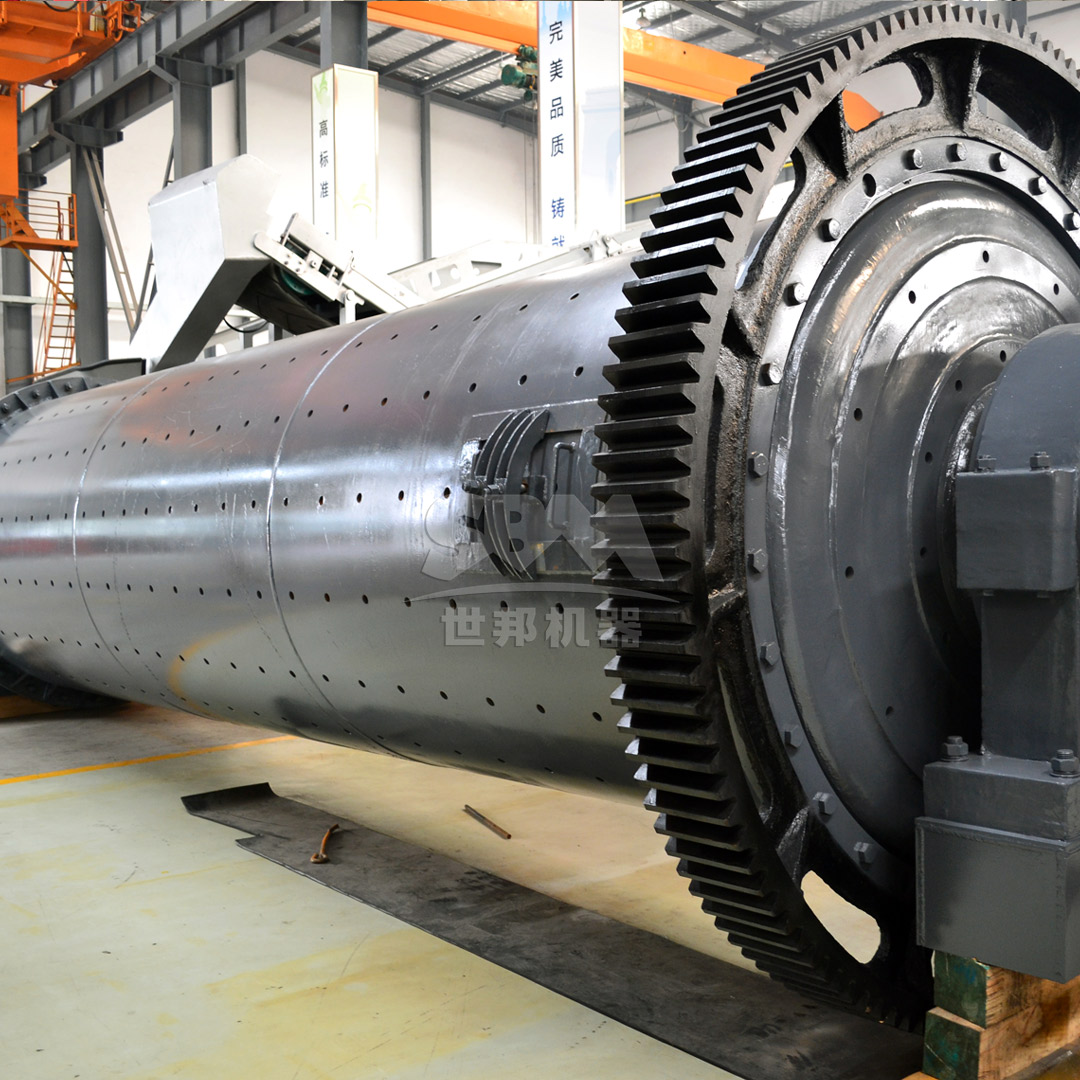
Ball mills have been the workhorse of mineral grinding operations for over a century. These robust machines operate on a simple principle: a rotating cylindrical shell filled with grinding media (typically steel balls) that impact and attrition the feed material as the mill rotates.
Key Advantages of Ball Mills
Proven Reliability: With decades of operational history across various industries, ball mills offer predictable performance and minimal technological risk. Their mechanical simplicity translates to high operational availability and straightforward maintenance procedures.
Wide Application Range: Ball mills can process virtually any grindable material, from soft minerals like limestone to extremely hard ores. They accommodate both wet and dry grinding processes, making them suitable for diverse mineral processing applications.
Simple Operation: The operating principles are well-understood by most plant personnel, reducing training requirements and operational complexity. Process control is relatively straightforward, with few critical parameters to monitor.
Limitations of Ball Mills
High Energy Consumption: Ball mills are notoriously energy-intensive, with only 1-3% of the input energy actually used for size reduction. The remainder is lost as heat, noise, and mechanical losses.
Limited Drying Capacity: When processing moist materials, ball mills require separate drying systems, adding to both capital and operating expenses. The internal environment isn’t conducive to efficient heat transfer for drying.
Large Footprint: Ball mills require significant floor space, including areas for ancillary equipment like feeders, conveyors, and discharge systems. This can be a critical constraint in space-limited facilities.
Vertical Roller Mill Technology
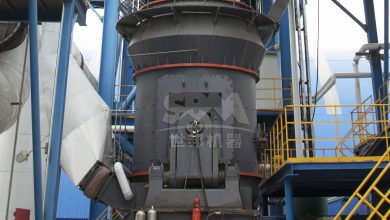
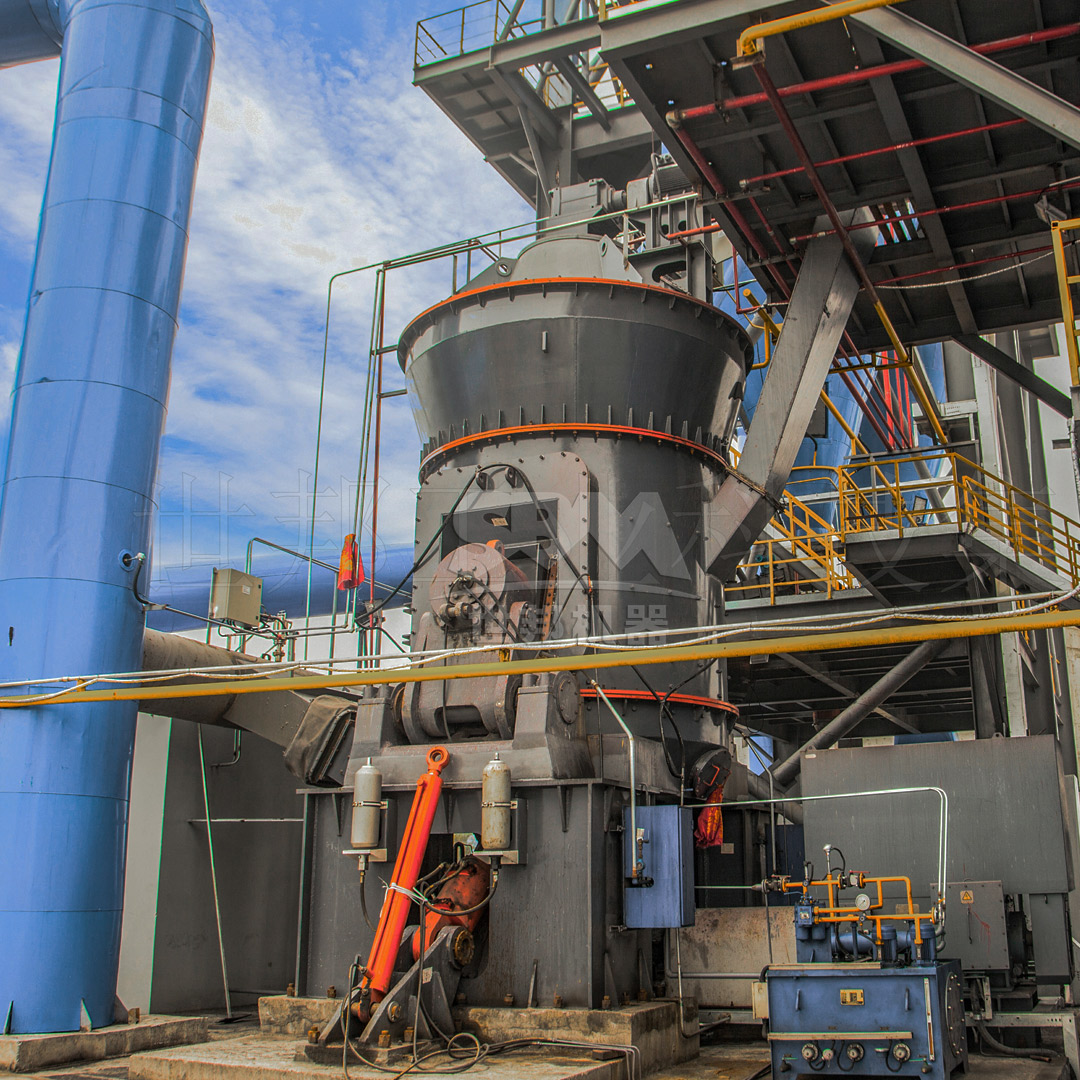
Vertical roller mills represent a more modern approach to mineral grinding, utilizing a bed compression principle rather than impact and attrition. In VRMs, material is ground between a rotating table and rollers pressed against it.
Key Advantages of Vertical Roller Mills
Superior Energy Efficiency: VRMs typically consume 30-50% less energy than ball mills for the same grinding duty. This efficiency stems from the more effective grinding mechanism and integrated drying capability.
Integrated Drying: Hot gases can be introduced directly into the grinding chamber, allowing simultaneous grinding and drying of materials with moisture contents up to 15-20%. This eliminates the need for separate drying equipment.
Compact Design: VRMs have a significantly smaller footprint than equivalent-capacity ball mills, reducing building costs and allowing for more flexible plant layouts.
Better Product Quality Control: The internal classification system in VRMs provides tighter control over product particle size distribution, resulting in more consistent final products.
Limitations of Vertical Roller Mills
Higher Capital Cost: The initial investment for a VRM system is typically higher than for a comparable ball mill installation, though this is often offset by operational savings.
Complex Maintenance: VRMs contain more sophisticated components that require specialized knowledge for maintenance and repair. Wear part replacement can be more complex than in ball mills.
Feed Size Restrictions: VRMs generally require finer feed material than ball mills, often necessitating secondary crushing stages before grinding.
Technical Comparison: Critical Parameters
Energy Consumption
Energy usage represents the most significant operational cost difference between the two technologies. Ball mills typically consume 25-35 kWh/t for cement raw material grinding and 35-45 kWh/t for cement clinker grinding. In comparison, VRMs consume 15-25 kWh/t and 25-35 kWh/t for the same applications, representing substantial energy savings.
Product Quality
While both technologies can produce quality mineral powders, VRMs generally offer superior particle size distribution control. The internal classification systems in VRMs allow for tighter control over the top size and steepness of the particle size distribution curve. Ball mills tend to produce a wider size distribution, which may be advantageous for some applications but problematic for others.
Operational Flexibility
Ball mills offer greater flexibility in terms of feed rate variations and can handle more significant fluctuations in material characteristics. VRMs operate optimally within a narrower range of conditions but provide better response to product fineness changes.
Application-Specific Recommendations
When to Choose a Ball Mill
Ball mills remain the preferred choice for specific applications:
High Capacity Requirements: For very large-scale operations (particularly above 250 t/h), ball mills may offer economic advantages despite higher energy consumption.
Extremely Hard Materials: For materials with very high Bond Work Index values (>20 kWh/t), ball mills often demonstrate better wear characteristics and lower maintenance costs.
Wet Grinding Applications: Ball mills are inherently better suited for wet grinding processes, which are essential for certain mineral processing operations.
Operations with Limited Technical Expertise: In regions where specialized maintenance skills for VRMs are scarce, the operational simplicity of ball mills may outweigh their efficiency disadvantages.
When to Choose a Vertical Roller Mill
VRMs excel in these scenarios:
Energy-Conscious Operations: In regions with high electricity costs, the energy savings of VRMs quickly justify their higher capital investment.
Space-Constrained Sites: The compact footprint of VRMs makes them ideal for brownfield projects or sites with limited available space.
Moist Feed Materials: Operations processing materials with significant moisture content benefit tremendously from the integrated drying capability of VRMs.
Strict Product Quality Requirements: Applications demanding tight control over particle size distribution are better served by VRMs with their internal classification systems.
Advanced Grinding Solutions: Our Product Recommendations
Based on our extensive experience in mineral grinding technology, we recommend considering these advanced solutions for your project:
SCM Ultrafine Mill for Precision Applications
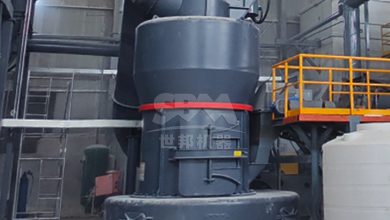
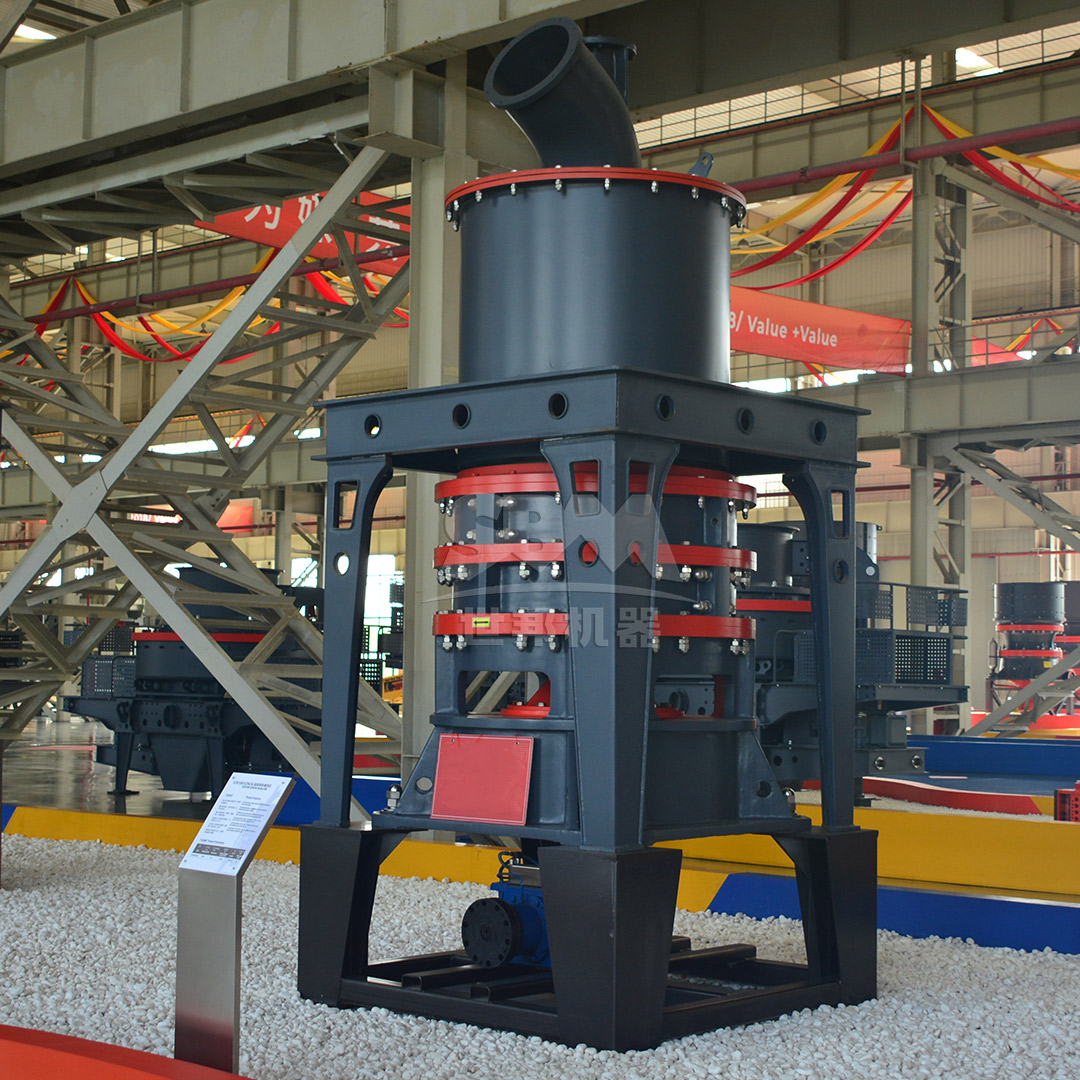
For operations requiring ultrafine grinding with exceptional precision, our SCM Ultrafine Mill represents the pinnacle of grinding technology. With an output fineness range of 325-2500 mesh (D97≤5μm) and capacity from 0.5-25 ton/h depending on model, this mill delivers unparalleled performance for specialized applications.
The SCM series incorporates several technological advancements including a vertical turbine classifier for precise particle size cuts, special material rollers and grinding rings that extend service life, and an intelligent control system that automatically maintains target product fineness. With energy consumption 30% lower than jet mills and twice the production capacity, the SCM Ultrafine Mill sets new standards for efficiency in fine grinding operations.
For medium to large operations, the SCM1680 model offers 5.0-25 ton/h capacity with a 315kW main motor, making it ideal for high-volume production of premium quality mineral powders.
LM Series Vertical Roller Mill for Mainstream Applications
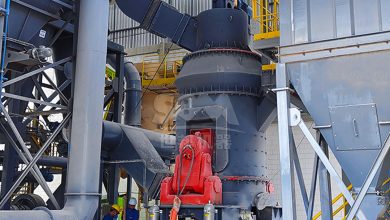
For general mineral grinding applications requiring high efficiency and reliability, our LM Series Vertical Roller Mill offers an optimal balance of performance and operating economy. With capacity ranging from 3-250 ton/h depending on model and output fineness adjustable between 30-325 mesh (with special models reaching 600 mesh), this versatile mill handles a wide range of mineral processing duties.
The LM series features several proprietary technologies including modular roller assembly for quick replacement, dynamic separator with multi-stage adjustment, and a heat circulation system for optimal energy utilization. The compact design reduces footprint by 50% compared to ball mill systems, while the negative pressure operation ensures dust emissions remain below 20mg/m³.
The LM220K model represents an excellent mid-range option with 36-105 t/h capacity and 800kW main motor power, suitable for most medium to large mineral grinding operations.
Economic Considerations
Capital Investment
Ball mill systems generally have lower initial equipment costs but require more extensive auxiliary systems (especially for drying), larger buildings, and more substantial foundations. VRMs have higher equipment costs but reduced costs for auxiliaries, buildings, and civil works. The total installed cost difference has narrowed significantly in recent years, with VRMs now being competitive across most capacity ranges.
Operating Costs
Energy consumption represents 40-60% of the total operating cost for grinding systems. With VRMs consuming 30-50% less energy than ball mills, the operating cost advantage is substantial. Maintenance costs are more complex to compare—ball mills have lower cost but more frequent maintenance events, while VRMs have higher cost but less frequent maintenance requirements.
Lifecycle Cost Analysis
Comprehensive lifecycle cost analyses consistently show VRMs with lower total cost of ownership for most applications, with payback periods of 2-4 years compared to ball mill systems. The exact economics depend on local energy costs, maintenance labor rates, and specific operational requirements.
Future Trends in Grinding Technology
The mineral processing industry continues to evolve toward more efficient and sustainable operations. Several trends are shaping grinding technology development:
Hybrid Systems: Some operations are implementing systems that combine the advantages of both technologies, using VRMs for pre-grinding and ball mills for finish grinding.
Digitalization and IoT: Both ball mills and VRMs are incorporating more sophisticated monitoring and control systems, using sensors and data analytics to optimize performance and predict maintenance needs.
Wear Resistance Improvements: Advances in materials science continue to extend the service life of wear components in both technologies, reducing operating costs and downtime.
Sustainability Focus: The drive toward lower carbon footprints favors VRMs due to their superior energy efficiency, though ball mill manufacturers are responding with efficiency improvements of their own.
Conclusion
The choice between ball mills and vertical roller mills depends on your specific operational requirements, economic considerations, and technical capabilities. Ball mills offer proven reliability, operational simplicity, and suitability for challenging materials, while VRMs provide superior energy efficiency, compact design, and better product quality control.
For most new mineral grinding projects, vertical roller mills represent the technologically advanced choice with better long-term economics. However, specific applications may still favor ball mill technology. We recommend conducting a detailed technical and economic analysis of both options for your specific project, considering not only initial investment but total lifecycle costs.
Our technical team can provide comprehensive support in selecting the optimal grinding solution for your mineral processing requirements, leveraging our extensive experience with both technologies across diverse applications and geographies.