Ball Mill vs Vertical Roller Mill for Coal Grinding: Which is Better for Your Plant?
Selecting the optimal coal grinding system is a critical decision for any power generation or industrial plant. The choice directly impacts operational efficiency, energy consumption, maintenance costs, and environmental compliance. For decades, the ball mill has been the traditional workhorse for coal pulverization. However, the vertical roller mill (VRM) has emerged as a powerful and efficient alternative. This article provides a comprehensive technical comparison to guide plant managers and engineers in making an informed decision.
1. Fundamental Operating Principles
Understanding the core working mechanisms of each mill type is essential to grasp their performance differences.
1.1 Ball Mill Operation
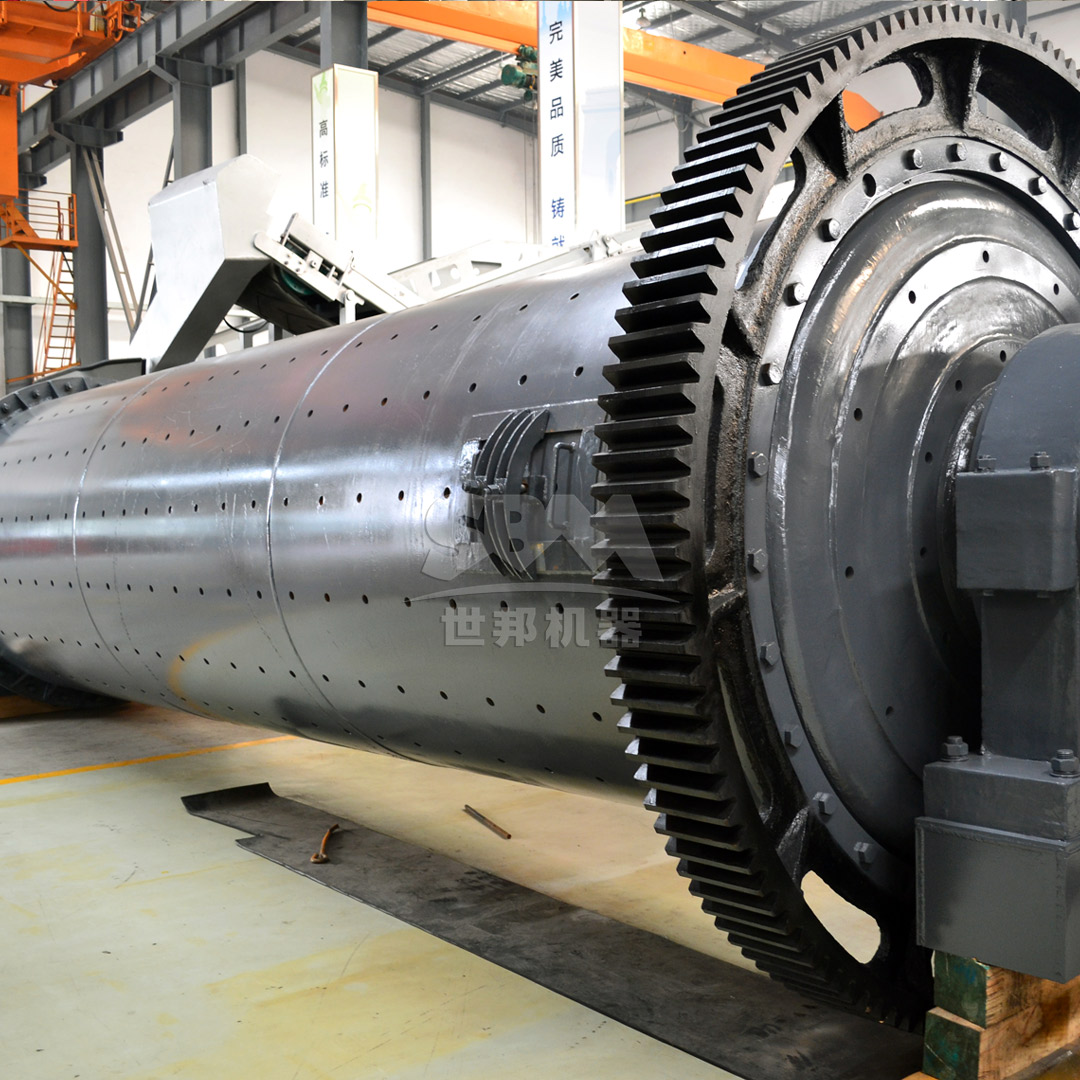
A ball mill is a horizontal, rotating cylindrical shell partially filled with grinding media, typically steel balls. The coal is fed into one end, and the rotation of the mill lifts the balls and material. They cascade and tumble, reducing the coal size through a combination of impact and attrition. The ground coal is transported by air (in an air-swept system) or mechanically discharged. This tumbling action, while effective, is inherently energy-intensive due to the need to lift the heavy grinding media.
1.2 Vertical Roller Mill Operation
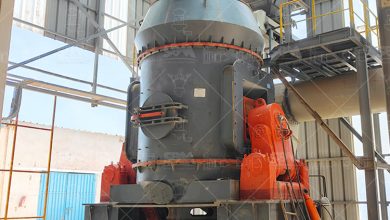
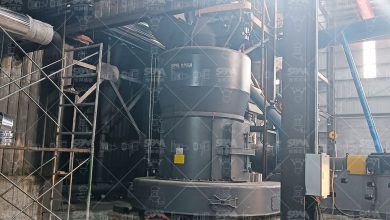
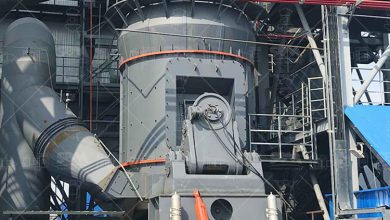
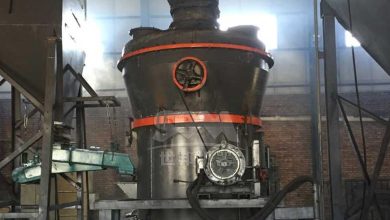
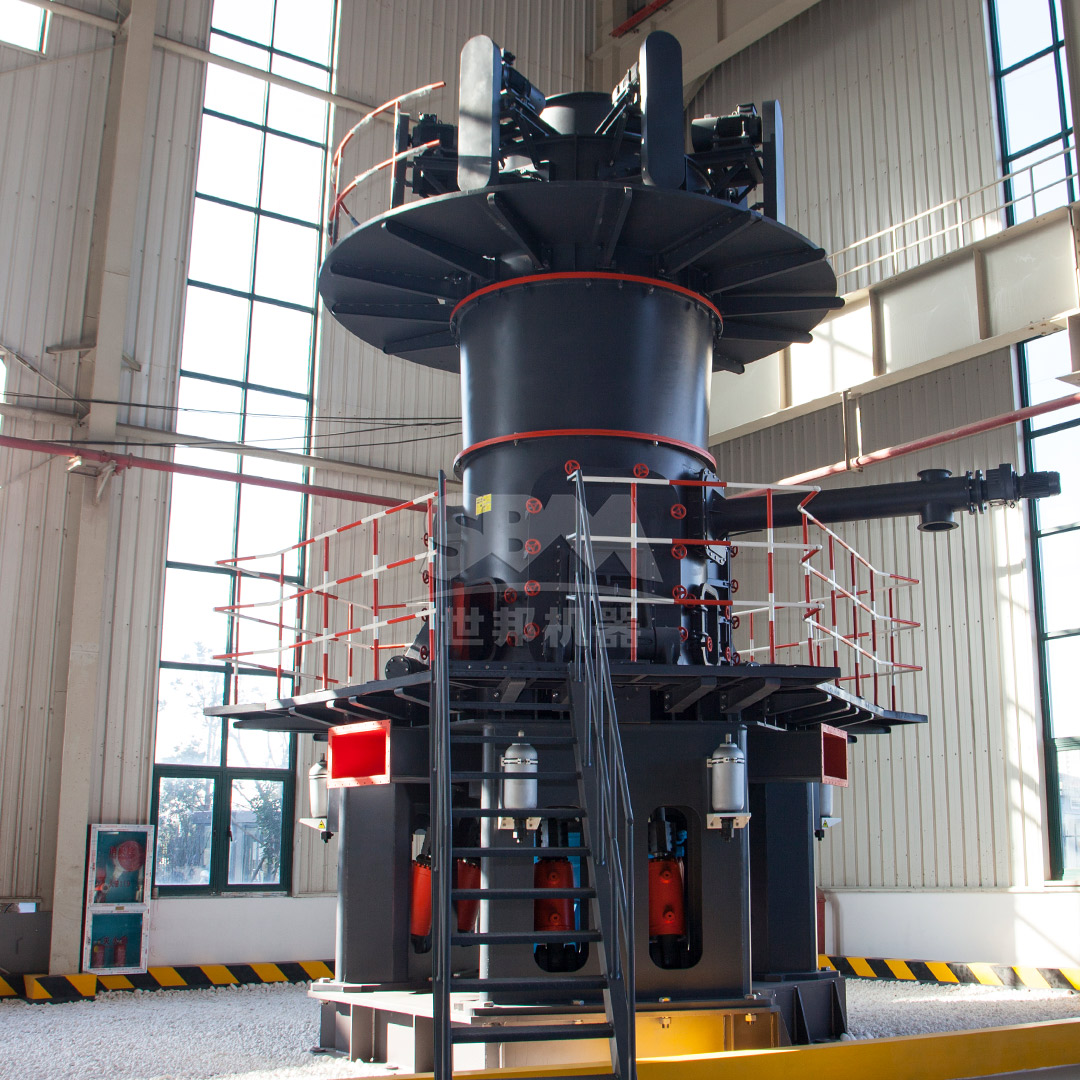
A Vertical Roller Mill operates on the principle of bed comminution. Raw coal is fed onto a rotating grinding table. Hydraulically loaded grinding rollers press down onto the material bed, crushing and grinding it. Hot gas (primary air) flows upward through the mill, drying the coal and carrying the fine particles to a classifier integrated at the top. Oversized particles fall back onto the grinding table for further size reduction. This direct application of pressure onto a material bed is fundamentally more efficient than the cascading action of a ball mill.
2. Head-to-Head Technical Comparison
2.1 Energy Efficiency
This is the most significant advantage of the VRM. The specific power consumption of a VRM is typically 15-30% lower than that of a ball mill for the same output and fineness. The reasons are multifold: the VRM eliminates the need to lift heavy grinding media, utilizes efficient bed grinding, and integrates drying, grinding, and classification in a single unit with lower system air resistance.
Ball Mill: Higher energy consumption due to lifting of balls and friction losses.
VRM: Clear winner in energy savings, leading to substantially lower operating costs.
2.2 Drying Capacity
Both mills can handle moist coal by using hot primary air. However, the VRM excels in this area due to its design. The material forms a thin, turbulent bed on the grinding table, directly exposed to the hot gas stream. This provides superior heat transfer and allows VRMs to handle feed moisture contents of up to 15-20% without a pre-dryer. Ball mills have more limited drying capacity, often requiring lower feed moisture or additional pre-drying systems for very wet coal.
VRM is superior for high-moisture coals.
2.3 Product Fineness and Particle Size Distribution
Both mills can achieve the fineness required for pulverized coal combustion (typically 70-80% passing 75 microns). The integrated dynamic classifier in a modern VRM offers very quick adjustment of product fineness (by changing rotor speed) and can produce a steeper particle size distribution (narrower range). This can improve combustion efficiency. Ball mills, with their longer residence time, can produce a very consistent product but may have a slightly wider size distribution. For specialized applications requiring ultra-fine coal, advanced mills like our SCM Series Ultrafine Mill are unparalleled. Capable of achieving fineness between 325-2500 mesh (45-5μm) with high efficiency and 30% lower energy consumption compared to jet mills, it represents the pinnacle of fine and ultra-fine grinding technology for specific industrial processes beyond standard power plant needs.
2.4 Capital and Installation Costs
Traditionally, ball mills had a lower initial purchase cost for smaller capacities. However, for medium to large-scale plants, the gap has narrowed. The VRM’s compact footprint and integrated design can reduce civil engineering and building costs significantly. A VRM installation is typically more straightforward, as it is a single, vertical unit compared to the horizontal ball mill with its associated large drive system and classifiers.
2.5 Operational Flexibility and Response Time
Ball mills have a large charge of grinding media and coal, giving them a significant buffer capacity. This makes them less sensitive to short-term feed variations and allows for somewhat easier control. VRMs have a much smaller grinding bed volume, making them more responsive to changes in load and coal quality. While this requires a more sophisticated control system, it allows for faster ramp-up and adjustment, which is beneficial in plants with variable load demands.
2.6 Maintenance and Wear
This is a critical area of comparison. Ball mills have simple, robust construction. Wear parts (liners and balls) are easily accessible and replaced during scheduled shutdowns. The wear rate is predictable, and maintenance is well-understood.
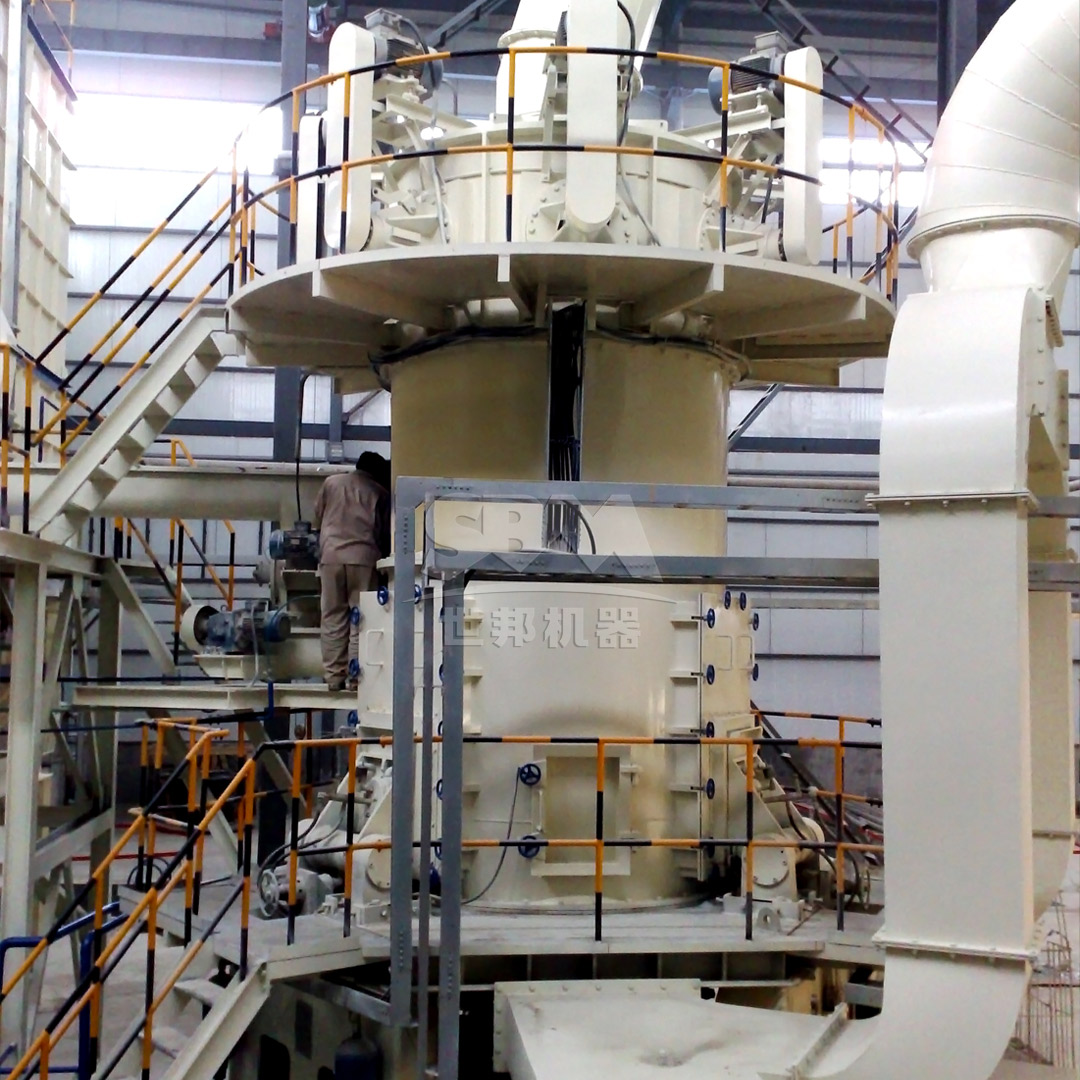
VRMs have more complex mechanical systems (hydraulics, grinding rollers/table). The wear parts (roller tires and table liners) are larger and more expensive. However, advancements in metallurgy and design have dramatically extended their service life. Furthermore, modern VRMs like our LM Series Vertical Roller Mill feature patented technologies such as a modular grinding roller assembly quick-change system, which can reduce replacement downtime from days to hours. Its non-contact design between rollers and table increases wear part life by up to 3 times, and the integrated, intelligent control system minimizes manual intervention and optimizes operation for longevity.
2.7 Noise and Environmental Impact
Ball mills are notoriously loud, often requiring extensive soundproofing enclosures. VRMs operate with considerably lower noise levels. Environmentally, both systems are enclosed, but the VRM’s fully sealed negative pressure operation is highly effective at containing dust, often resulting in lower plant emissions.
3. Decision Matrix: Which Mill is Right for Your Plant?
The choice is not universal; it depends on specific plant conditions and priorities.
Choose a Ball Mill if:
- Your plant has a small to medium capacity requirement.
- Capital cost is the primary constraint, and energy costs are relatively low.
- You are grinding abrasive or very hard coals where predictable, simple wear part replacement is preferred.
- Operational staff have extensive ball mill experience, and you prioritize simplicity and proven technology.
- Feed moisture is consistently low.
Choose a Vertical Roller Mill if:
- Energy efficiency and low operating cost are top priorities.
- Your plant has medium to very large capacity needs.
- You have space constraints; the compact footprint of a VRM is a major advantage.
- The coal feed has high moisture content.
- You require fast adjustment to load changes and value operational flexibility.
- You are committed to lower noise levels and environmental impact.
- You are investing in a new greenfield project or a major upgrade where lifecycle cost analysis favors the VRM.
4. Conclusion and Forward Look
The trend in the global coal grinding industry is decisively moving toward Vertical Roller Mills for new installations, especially for medium and large-scale plants. The compelling advantages in energy savings (a 30-40% reduction compared to ball mills), drying capability, and compact design offer a lower total cost of ownership over the plant’s lifetime.
While the robust and familiar ball mill remains a viable option for specific scenarios, the technological evolution of the VRM—with improved wear materials, intelligent control systems, and easier maintenance features—has addressed many of its historical drawbacks. For plant managers aiming to maximize efficiency, reduce carbon footprint, and optimize long-term operational economics, the Vertical Roller Mill presents the superior, modern solution for coal grinding.
When evaluating VRM suppliers, consider those offering proven, reliable technology with strong local service support. Our LM Series Vertical Roller Mill, with capacities from 3 to 250 ton/h, embodies these advancements. Its integrated design reduces footprint by 50%, its expert-level auto-control system ensures optimal and stable operation, and its durable construction minimizes lifetime maintenance costs, making it an outstanding choice for any plant seeking to modernize its coal preparation circuit.