Ball Mill vs Raymond Mill: Which is Better for Mineral Powder Processing?
Introduction: The Quest for Optimal Grinding
The selection of grinding equipment is a cornerstone decision in mineral processing, directly impacting product quality, operational cost, and overall plant efficiency. Among the myriad of options, Ball Mills and Raymond Mills (or pendulum roller mills) have historically been two of the most prominent technologies. While both serve the fundamental purpose of size reduction, their principles, capabilities, and ideal applications differ significantly. This article provides a professional comparison to guide processors in making an informed choice, and introduces advanced modern alternatives that transcend the limitations of both.
Fundamental Principles: A Mechanical Divergence
Understanding the core working mechanisms is key to appreciating their differences.
Ball Mill: Impact and Attrition in a Rotating Drum
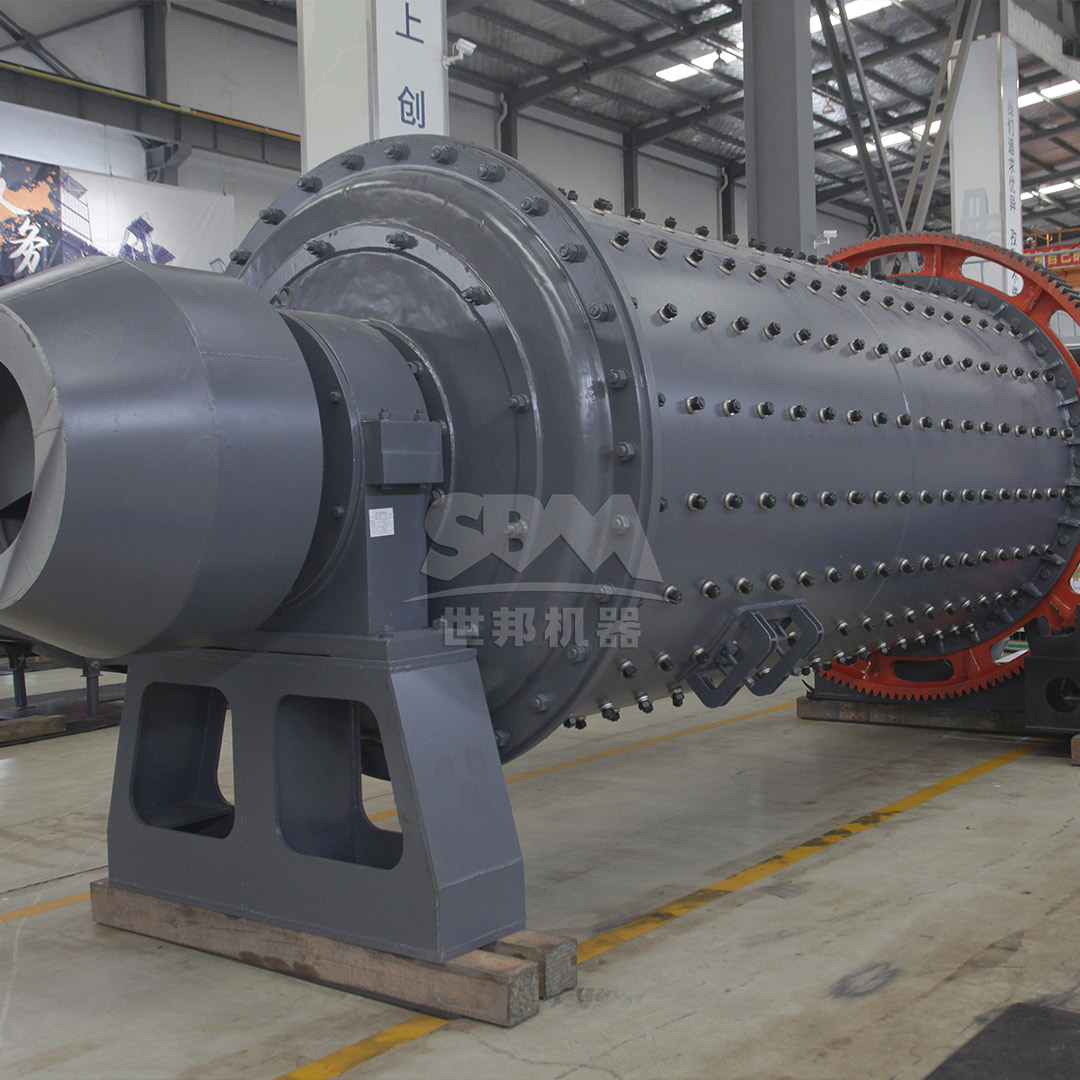
A Ball Mill operates on a relatively simple principle. It consists of a horizontally mounted rotating cylinder (shell) partially filled with grinding media, typically steel or ceramic balls. As the shell rotates, the balls are lifted by centrifugal and frictional forces until they cascade or cataract back down. The material fed into the mill is crushed through a combination of impact (from the falling balls) and attrition (abrasion between balls and between balls and the liner). The ground product exits through a discharge grate, which retains the grinding media.
Raymond Mill (Pendulum Roller Mill): Compression and Shear
The Raymond Mill, a type of vertical roller mill with a spring-loaded system, employs a different approach. The core components include grinding rollers suspended from a spider assembly, a stationary grinding ring, and a classifier. The rollers swing outward due to centrifugal force and roll against the ring. Material is fed into the grinding zone and is crushed primarily by compression between the roller and the ring. A stream of air carries the fine particles upwards to an integrated classifier. Oversized particles are rejected back to the grinding zone, while fines meeting the size requirement are collected by a cyclone and bag filter.
Head-to-Head Comparison: Key Parameters
| Parameter | Ball Mill | Traditional Raymond Mill |
|---|---|---|
| Grinding Mechanism | Impact & Attrition | Compression & Shear |
| Typical Output Fineness | Relatively coarse (0.074-0.8mm / 200-20 mesh) | Medium to fine (0.044-0.125mm / 325-120 mesh) |
| Energy Efficiency | Lower; significant energy lost to noise, heat, and media wear. | Generally higher than ball mills for fine grinding, but limited by spring pressure. |
| System Complexity | Simple mechanical structure, but auxiliary systems can be large. | More complex integrated system (mill, classifier, fan, pipes). |
| Footprint | Large, especially for horizontal models with large diameter. | Moderate, vertical structure saves floor space. |
| Noise Level | Very High (from impacting steel balls) | Moderate to High |
| Product Contamination | Possible from media and liner wear (iron contamination). | Lower, but still present from roller and ring wear. |
| Drying Capability | Can handle wet grinding; dry grinding with hot air possible. | Excellent, designed for simultaneous grinding and drying with hot air. |
| Capital Cost | Lower for small capacities, rises steeply for large scale. | Moderate. |
| Operating Cost | High media consumption, high energy cost per ton for fine product. | Lower energy than ball mill for target fineness, but part wear costs exist. |
Application Scenarios: Choosing the Right Tool
- Choose a Ball Mill When: Processing requires very coarse to medium grinding; the application involves wet grinding (e.g., mineral beneficiation); the product tolerates some iron contamination; primary or secondary grinding in a circuit is needed; and extremely high throughput for a relatively coarse product is the goal.
- Choose a Raymond Mill When: The target is medium to fine powder (30-325 mesh); simultaneous drying of moist feed (up to ~15%) is required; floor space is limited; and lower energy consumption compared to a ball mill for that fineness range is critical. It has been a staple for non-metallic minerals like barite, calcite, and limestone.
Beyond the Binary: Modern Advanced Grinding Solutions
The debate between Ball Mill and Raymond Mill often overlooks the significant technological evolution in grinding equipment. Modern vertical roller mills and ultra-fine grinding systems combine the best features of both while introducing superior efficiency, control, and environmental performance.
The High-Capacity, Energy-Saving Champion: LM Series Vertical Roller Mill
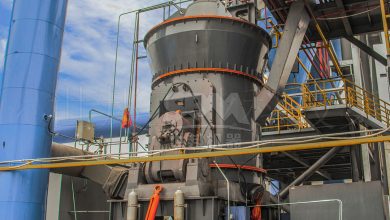
For large-scale production of mineral powders in the 30-325 mesh range, the LM Series Vertical Roller Mill represents a quantum leap. It integrates crushing, grinding, drying, classifying, and conveying into a single, compact unit. Its bed-grinding principle, where material is ground between rollers and a rotating table, is vastly more energy-efficient than the impact-heavy ball mill. Energy consumption is typically 30-40% lower than ball mill systems. Furthermore, its integrated design reduces floor space by 50% and allows for outdoor installation, slashing infrastructure costs.
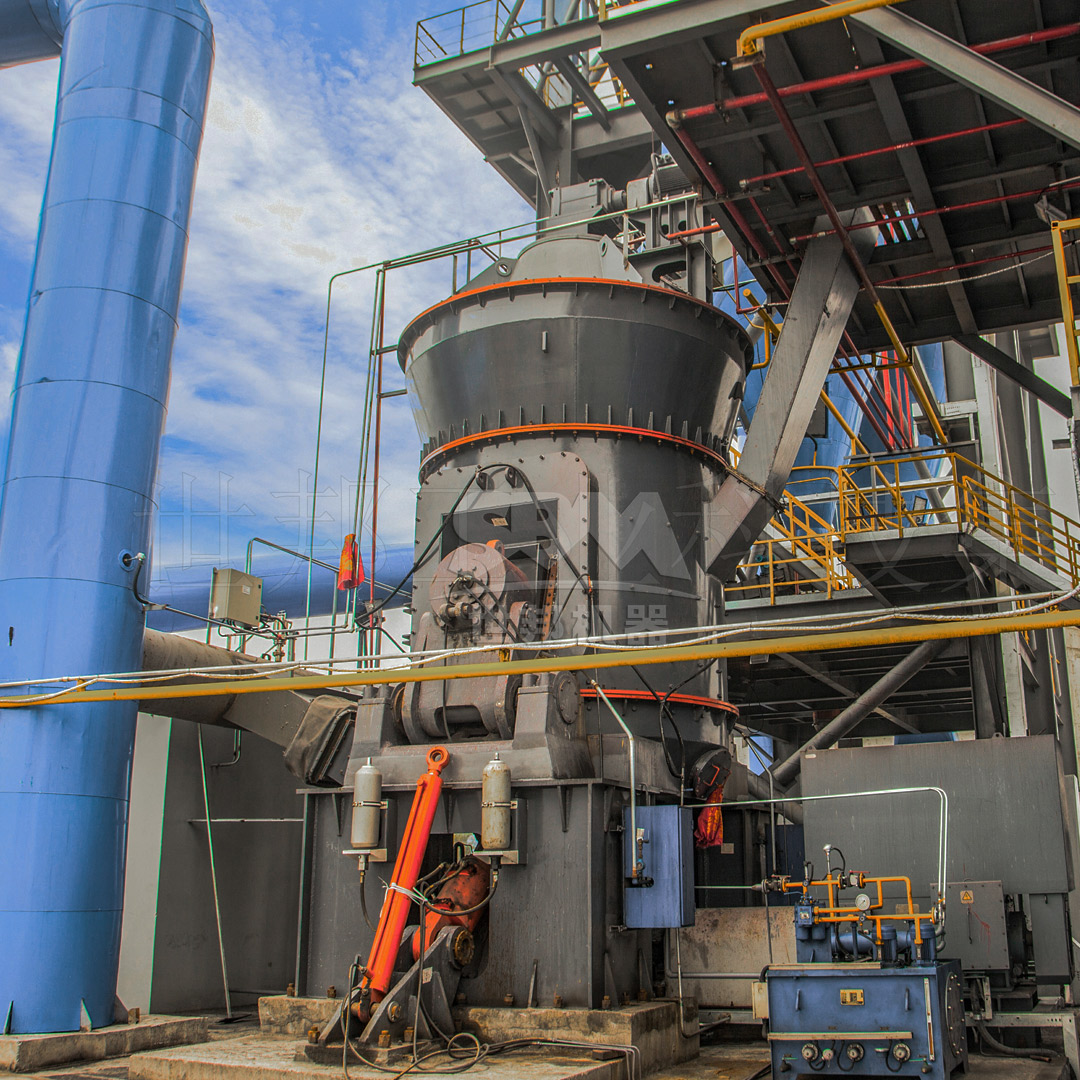
Key advantages like its intelligent control system for stable operation, fully sealed negative pressure design for dust-free operation, and exceptionally long wear part life make it the preferred choice for modern, high-tonnage projects processing limestone, slag, coal, and clinker. Models like the LM220K, with a capacity of 36-105 t/h, demonstrate the scalability and power this technology brings to mineral processing.
The Ultra-Fine Processing Specialist: SCM Series Ultrafine Mill
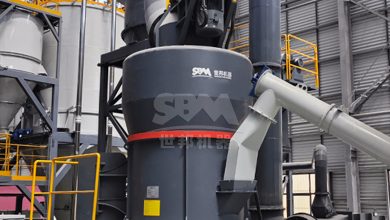
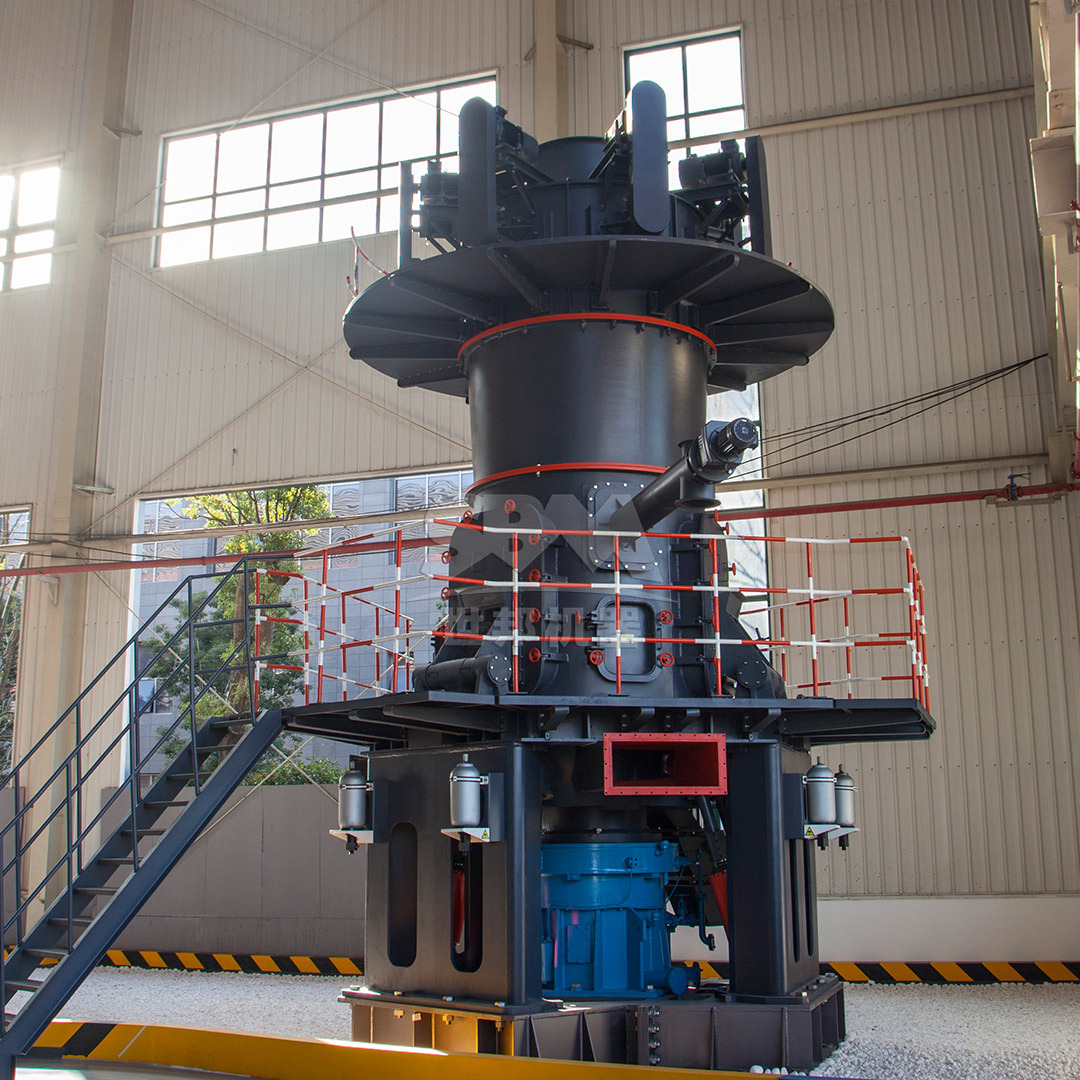
When the product specification calls for superfine or even ultrafine powders (325-2500 mesh / 5-45μm), both traditional ball mills and Raymond mills fall short. This is the domain of advanced technologies like the SCM Series Ultrafine Mill. Engineered for high efficiency and precision, this mill utilizes a similar roller-grinding principle but is enhanced with a high-precision vertical turbine classifier.
This system ensures precise particle size cuts with no coarse powder mixing, guaranteeing a uniform and high-quality product. Remarkably, it achieves a capacity 2 times that of jet mills while consuming 30% less energy. Its durable design, featuring special material rollers and rings, extends service life significantly. For processors of calcium carbonate, kaolin, talc, graphite, and other high-value non-metals requiring ultra-fine grades, the SCM series, such as the SCM1250 model (2.5-14 t/h capacity), offers an unbeatable combination of fineness control, output, and operational economy.
Conclusion: It’s Not Just A or B
The choice between a Ball Mill and a Raymond Mill is not merely a preference but a technical decision based on feed material, target fineness, capacity, and cost structure. While the Ball Mill remains relevant for coarse grinding and wet processes, and the Raymond Mill for dedicated fine drying-grinding, the future of mineral powder processing lies in advanced, integrated solutions.
For most modern applications seeking efficiency, consistency, and environmental compliance, Vertical Roller Mills (like the LM Series) for medium-fine grinding and Ultrafine Mills (like the SCM Series) for superfine products represent the next generation. They effectively bridge and surpass the capabilities of their predecessors, offering processors a path to higher quality, lower operating costs, and a reduced carbon footprint. The intelligent move is to evaluate these advanced technologies alongside the traditional options to find the optimal solution for your specific mineral processing needs.