Applications of Titanium Dioxide in Various Industries
Introduction: The Ubiquitous White Pigment
Titanium dioxide (TiO2) stands as one of the most vital and versatile industrial materials of the modern era. Prized for its exceptional brightness, high refractive index, strong UV light absorption, and remarkable chemical stability, it finds indispensable applications across a staggering array of sectors. From imparting brilliant whiteness to paints and plastics to serving as a critical functional component in sunscreens, food products, and advanced catalysts, TiO2’s role is foundational. The performance of titanium dioxide in any given application is intrinsically linked to its particle size, morphology, purity, and surface properties. Consequently, the technologies used to process and refine raw TiO2 into specific grades are of paramount importance, directly influencing product efficacy, cost-efficiency, and environmental footprint.
Key Industrial Applications of Titanium Dioxide
1. Paints, Coatings, and Inks
This sector consumes the largest volume of titanium dioxide globally, primarily as a pigment (TiO2-P). Its high refractive index provides superior opacity and whiteness, allowing for excellent coverage and color consistency. In architectural paints, it offers durability and resistance to weathering. For automotive and industrial coatings, specialized TiO2 grades provide enhanced gloss, weatherability, and protection against corrosion and UV degradation. The fineness and dispersion quality of the TiO2 powder are critical; agglomerates can lead to poor gloss and reduced hiding power.
2. Plastics and Polymers
TiO2 is a key opacifier and whitener in plastics such as PVC, polyolefins, and engineering polymers. It protects plastic products from UV-induced degradation, extending their lifespan in outdoor applications like window profiles, siding, and automotive parts. The particle size must be carefully controlled to ensure optimal light scattering without negatively impacting the mechanical properties of the polymer matrix. Surface-treated grades are often used to improve compatibility and dispersion within the plastic melt.
3. Cosmetics and Personal Care
In sunscreens and skincare products, ultrafine titanium dioxide (often coated) acts as a physical UV filter, scattering and reflecting harmful UVA and UVB radiation. Its efficacy and safety profile make it a preferred ingredient. For cosmetics like foundations and powders, TiO2 provides opacity, smooth texture, and a brightening effect. The requirement here is for extremely fine, uniform, and often nano-sized particles that are non-irritating and provide a cosmetically elegant finish.
4. Paper Manufacturing
TiO2 is used as a filler and coating pigment in high-quality paper to increase opacity, brightness, and printability. This is especially important for thin papers where show-through must be minimized. The paper industry often requires specific particle size distributions to achieve the desired balance between light scattering efficiency and retention within the paper web.
5. Food and Pharmaceuticals
As food additive E171, titanium dioxide is used to whiten and brighten products like confectionery, chewing gum, and sauces. In pharmaceuticals, it is employed as an opacifier in tablet coatings and capsules. For these sensitive applications, purity is non-negotiable, requiring processing equipment that prevents contamination and delivers a consistently safe product.
6. Advanced and Emerging Applications
Beyond its role as a pigment, TiO2 is a functional material in cutting-edge technologies. As a photocatalyst (e.g., in self-cleaning surfaces and air/water purification systems), its performance is maximized with a high surface area and specific crystalline structure (typically anatase). In lithium-ion batteries, TiO2-based anodes are researched for their stability. These applications demand precise control over the material’s physicochemical properties, often achieved through advanced milling and classification.
The Critical Role of Processing Technology
The journey from raw titanium dioxide (produced via the sulfate or chloride process) to a tailored industrial product hinges on precision grinding and classification. Different applications require distinct particle size distributions (PSD):
- Pigmentary Grades (200-300 nm): Optimal for light scattering in paints and plastics.
- Ultrafine/Sub-micron Grades (10-100 nm): Essential for UV filtration in sunscreens and catalytic activity.
- Coarse Grades: Used in welding rod coatings and other niche applications.
Achieving these precise PSDs requires grinding equipment that offers not only fineness control but also high energy efficiency, durability, and environmental compliance. The wrong technology can lead to excessive energy costs, broad particle size distributions, contamination from wear, and unacceptable noise or dust emissions.
Recommended Solutions for Titanium Dioxide Processing
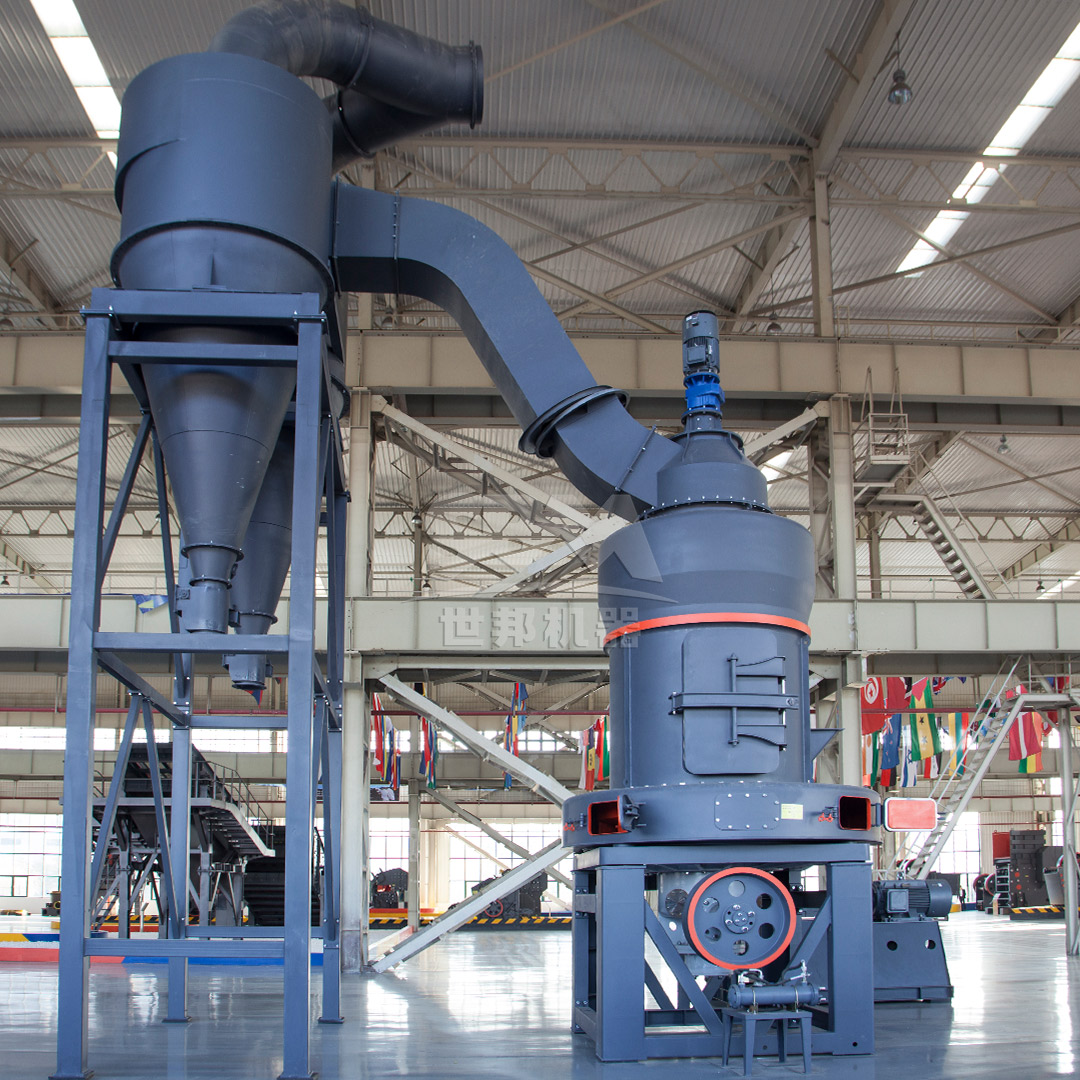
Selecting the right milling system is crucial for TiO2 producers and processors to maintain competitiveness. Based on the stringent requirements for fineness, purity, and efficiency, we recommend our advanced grinding solutions.
For Ultrafine and High-Purity Applications: SCM Series Ultrafine Mill
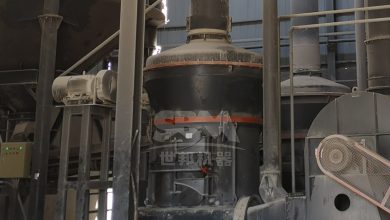
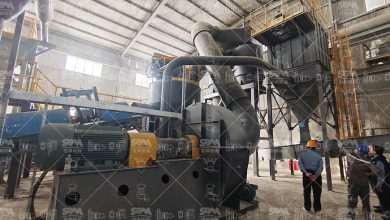
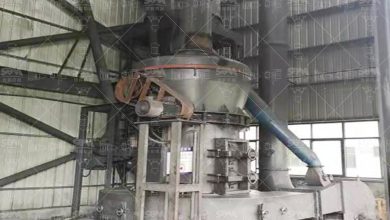
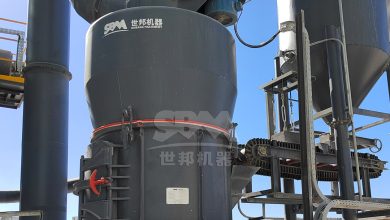
For applications demanding ultrafine fineness between 325 and 2500 mesh (45-5μm), such as high-grade cosmetics, advanced catalysts, or specialty coatings, our SCM Series Ultrafine Mill is the ideal choice. Its vertical turbine classifier ensures high-precision particle size cutting, eliminating coarse powder mixing for a uniform product—a critical factor for UV-blocking efficiency in sunscreens or photocatalytic reactivity. The mill’s high-efficiency design offers capacity double that of traditional jet mills while consuming 30% less energy. Furthermore, its durable construction with special material rollers and rings, combined with a fully sealed negative pressure operation and pulse dust collection system exceeding international standards, guarantees product purity, low maintenance, and an eco-friendly production environment. Models like the SCM1000 (1.0-8.5t/h, 132kW) provide a perfect balance of capacity and precision for dedicated ultrafine TiO2 lines.
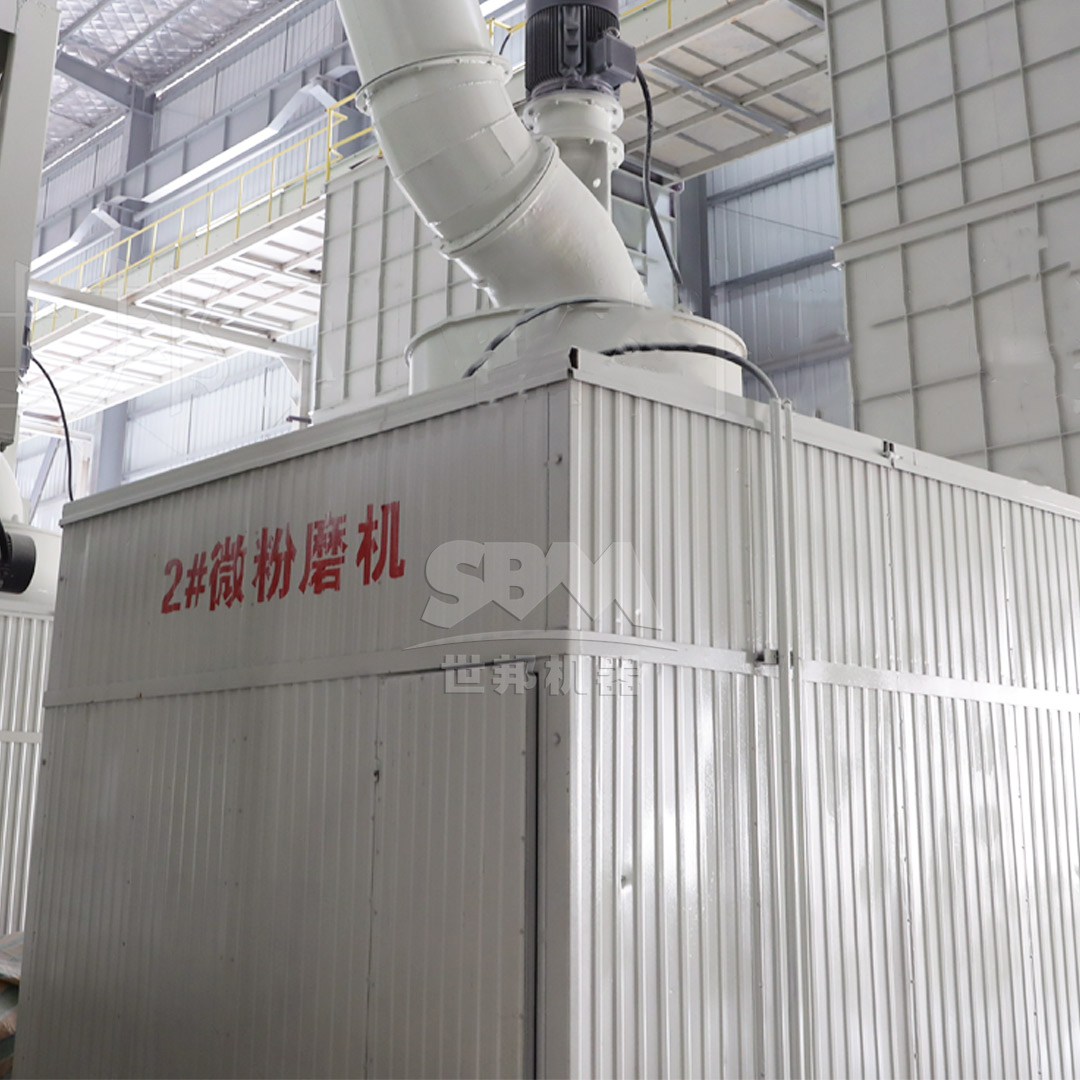
For High-Capacity Pigmentary Grade Production: MTW Series European Trapezium Mill
For large-scale production of pigmentary-grade TiO2 used in paints, plastics, and paper, where output fineness ranges from 30-325 mesh (600-45μm) and capacity is king, the MTW Series European Trapezium Mill excels. Its optimized arc air duct and integral bevel gear drive achieve transmission efficiency up to 98%, translating to significant energy savings for high-tonnage operations. The anti-wear shovel design and wear-resistant volute structure are engineered to handle abrasive materials like TiO2, reducing maintenance costs by up to 30% and ensuring consistent product quality. With models such as the MTW215G offering capacities up to 45 tons per hour, this mill is built for reliability and efficiency in core TiO2 pigment production.
Conclusion
Titanium dioxide’s expansive role across global industries is a testament to its unique properties. As end-use applications become more sophisticated and environmental regulations more stringent, the backend processing technology becomes a decisive competitive factor. Investing in advanced, efficient, and reliable grinding and classification systems—such as the SCM Series for ultrafine needs and the MTW Series for high-capacity pigment production—is not merely an operational decision but a strategic one. It ensures the ability to produce the high-quality, application-specific TiO2 grades that modern industries demand, while controlling costs and minimizing environmental impact, thereby securing a vital position in the value chain of this essential material.