Applications of Limestone in Various Industries and Advanced Processing Solutions
Introduction: The Ubiquitous Mineral
Limestone, a sedimentary rock composed primarily of calcium carbonate (CaCO3), is one of the most versatile and widely used natural resources on the planet. Its applications span from massive construction projects to delicate chemical syntheses, driving demand across a diverse range of industries. The value of limestone is intrinsically linked to its physical and chemical properties—properties that are often unlocked and enhanced through precise size reduction and classification. The journey from quarried rock to high-value powder is a critical process, determining the efficiency, quality, and economic viability of its end-use. This article explores the multifaceted applications of limestone and highlights the advanced milling technologies that enable its transformation.
Core Industrial Applications of Processed Limestone
1. Construction and Building Materials
The construction industry is the largest consumer of limestone. As a coarse aggregate, it forms the backbone of concrete and road bases. When calcined, it produces quicklime (CaO), a key ingredient in cement. Finely ground limestone powder, or calcium carbonate filler, is increasingly used to improve the workability, durability, and sustainability of concrete, partially replacing cement and reducing the carbon footprint of construction.
2. Agriculture and Soil Amendment
Agricultural limestone, often called aglime, is crucial for soil health. It neutralizes soil acidity, enhances nutrient availability (especially phosphorus and molybdenum), and improves microbial activity. The effectiveness of aglime is highly dependent on its fineness and purity; finer particles react more quickly with the soil, providing faster correction of pH levels.
3. Environmental Protection and Flue Gas Desulfurization (FGD)
Limestone plays a vital role in air pollution control, particularly in coal-fired power plants. In wet flue gas desulfurization (WFGD) systems, a slurry of finely ground limestone is used to absorb sulfur dioxide (SO2) from exhaust gases, converting it into gypsum. The efficiency of this scrubbing process is directly related to the surface area and reactivity of the limestone powder, making ultra-fine grinding essential.
4. Chemical and Manufacturing Industries
Limestone is a fundamental feedstock for the chemical industry. It is used to produce soda ash (via the Solvay process), calcium carbide, and precipitated calcium carbonate (PCC). PCC, with its high purity and controlled particle morphology, is indispensable in premium paper coatings, plastics, paints, sealants, pharmaceuticals, and food products (as a calcium supplement and whitening agent).
5. Metallurgy
In steelmaking, limestone is used as a flux in blast furnaces and basic oxygen furnaces. It combines with impurities like silica and alumina to form slag, which is easily separated from the molten metal. The consistent size and composition of the limestone feed are critical for maintaining stable furnace operation and high-quality steel output.
The Critical Role of Size Reduction Technology
The transition from raw limestone to a functional industrial material hinges on effective comminution. Different applications demand specific particle size distributions (PSD), fineness levels, and production capacities. Selecting the wrong milling equipment can lead to excessive energy consumption, poor product quality, high maintenance costs, and failure to meet environmental standards. Modern grinding systems must therefore offer precision, efficiency, durability, and environmental compliance.
Advanced Solutions for Limestone Processing
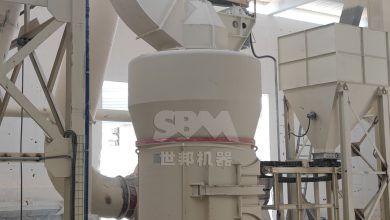
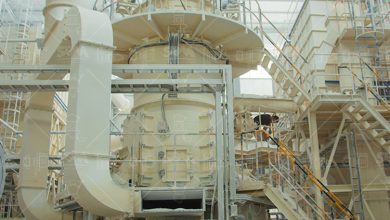
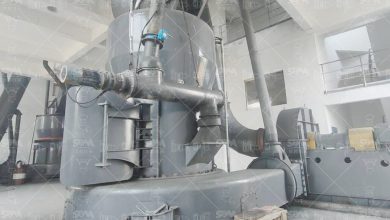
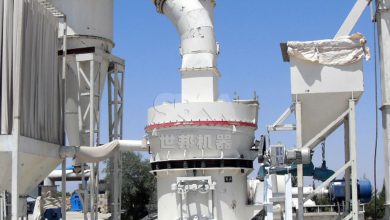
To meet the rigorous demands of these diverse industries, state-of-the-art milling equipment is required. Two standout technologies from our portfolio are particularly well-suited for the full spectrum of limestone processing needs, from coarse grinding to ultra-fine powder production.
Solution for High-Capacity, Coarse to Medium-Fine Grinding: The MTW Series European Trapezium Mill
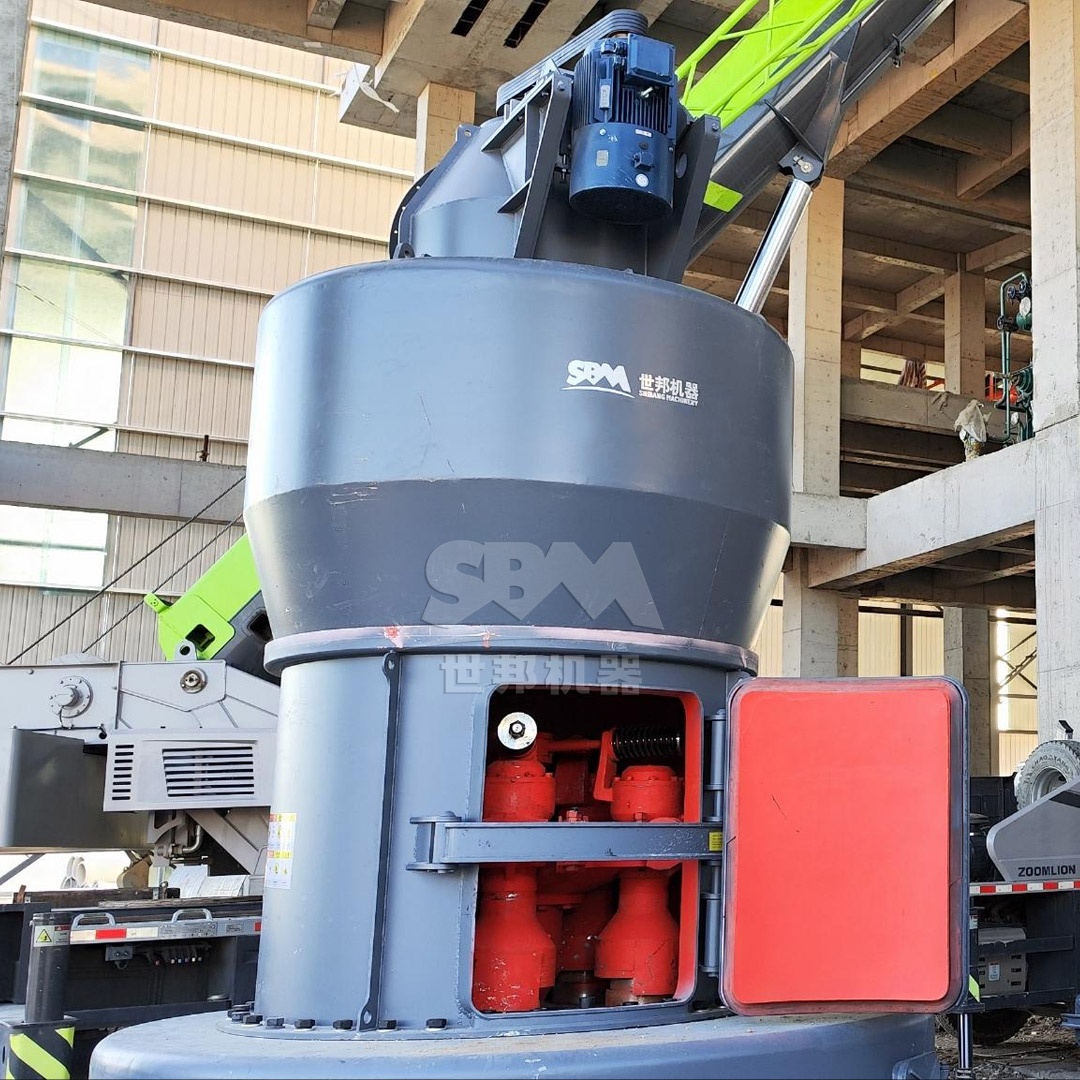
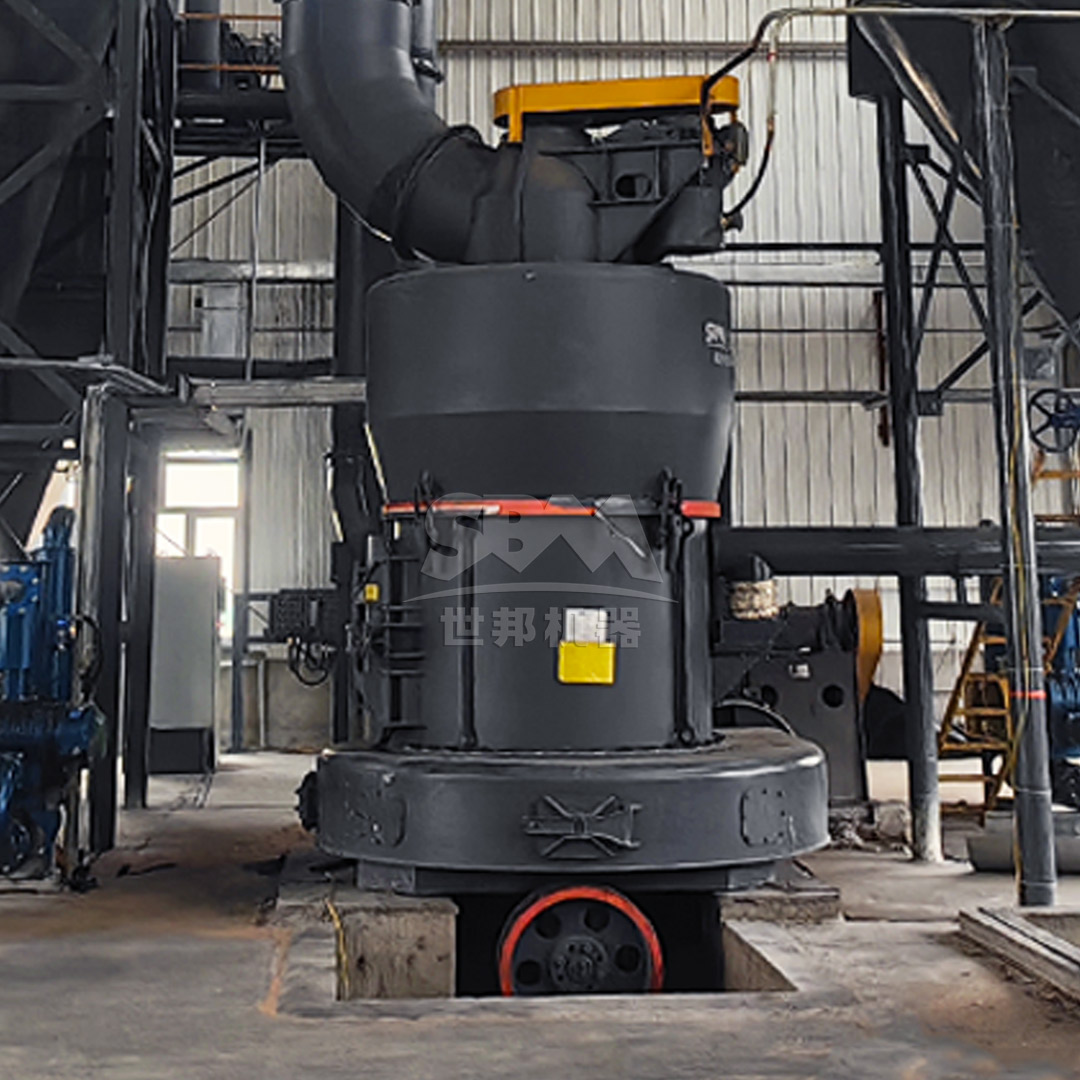
For applications requiring substantial throughput of limestone powder in the range of 30-325 mesh (600-45μm), such as for construction materials, agriculture, and FGD systems, the MTW Series European Trapezium Mill represents an optimal solution. Engineered for robustness and efficiency, this mill handles feed sizes up to 50mm with capacities ranging from 3 to 45 tons per hour.
Its technical advantages directly address the challenges of large-scale limestone processing. The anti-wear shovel design and wear-resistant volute structure significantly reduce maintenance costs and downtime when processing abrasive materials. The integral bevel gear drive achieves a remarkable 98% transmission efficiency, translating into substantial energy savings for high-tonnage operations. Furthermore, its optimized arc air duct and efficient classification system ensure a consistent product fineness, which is paramount for applications like FGD where reactivity is key.
Solution for Premium Ultra-Fine Powder Production: The SCM Series Ultrafine Mill
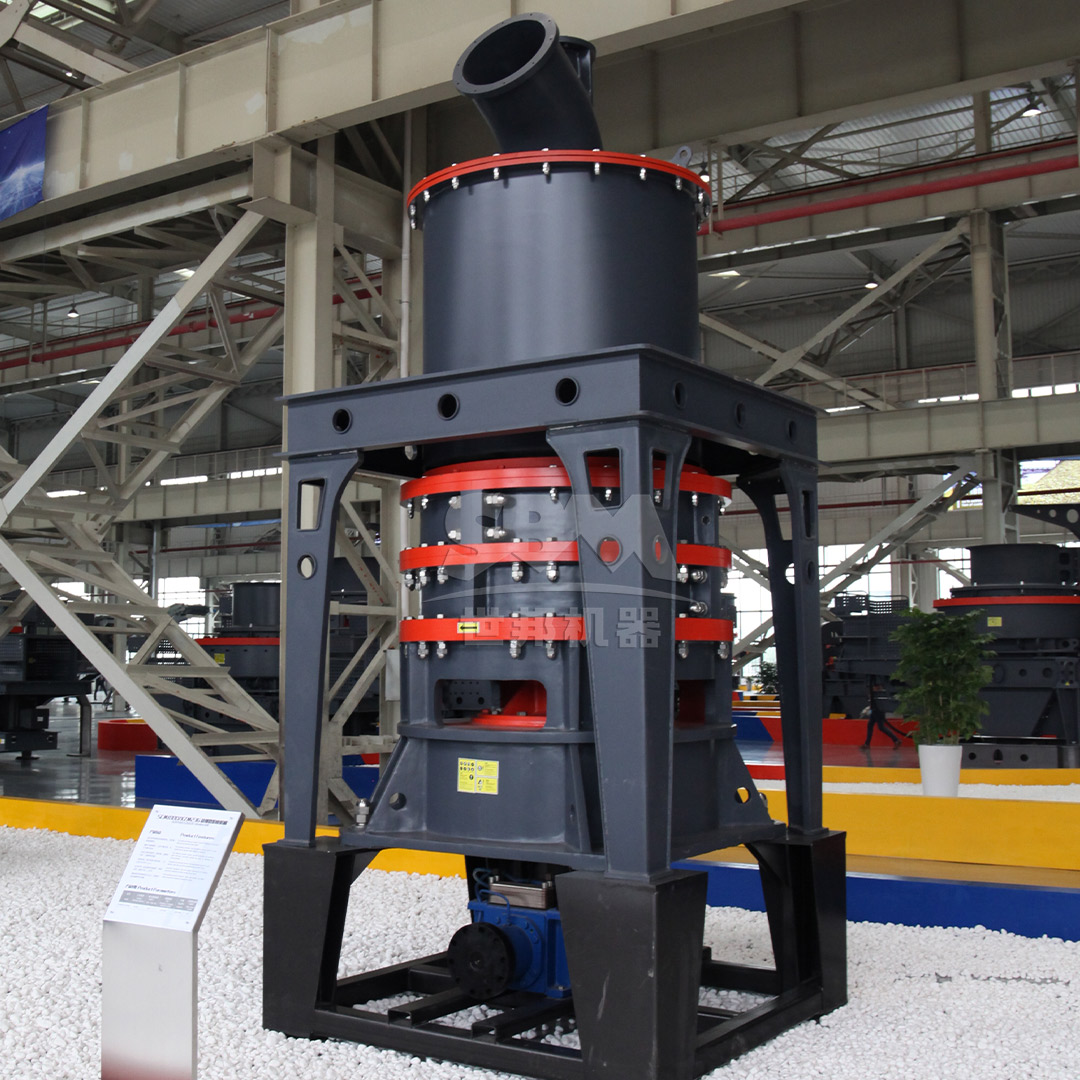
When the end product requires exceptional fineness and uniformity—such as in the production of high-grade fillers for plastics, paints, sealants, or specialty chemicals—the SCM Series Ultrafine Mill is the technology of choice. Capable of producing powders from 325 to 2500 mesh (45-5μm), this mill excels in creating high-value limestone products.
The SCM mill’s core strength lies in its high-precision classification system. The vertical turbine classifier ensures precise particle size cuts, eliminating coarse powder mixing and guaranteeing a uniform, narrow particle size distribution. This is critical for achieving optimal opacity, viscosity control, and reinforcement in downstream applications. Moreover, it delivers this precision with outstanding efficiency, offering twice the capacity of traditional jet mills while consuming 30% less energy. Its durable design with special material rollers and rings, combined with a fully eco-friendly and low-noise operation featuring pulse dust collection exceeding international standards, makes it a sustainable and reliable asset for premium powder production.
Conclusion: Partnering for Performance
The extensive applications of limestone are a testament to its importance in the global economy. However, maximizing its value is contingent upon employing the right processing technology. From the high-volume, robust grinding needed for environmental and construction applications to the delicate, ultra-fine milling required for advanced manufacturing, the choice of equipment dictates operational success.
Our MTW Series European Trapezium Mill and SCM Series Ultrafine Mill exemplify the engineering excellence required to meet these challenges. They are designed not just to grind, but to optimize—delivering energy efficiency, product consistency, operational reliability, and environmental stewardship. By selecting the appropriate milling solution, producers can ensure their limestone products meet the exacting standards of modern industry, enhancing performance and profitability across the value chain.