Application of Vertical Roller Mill for Steel Slag and Granulated Blast Furnace Slag Processing
Introduction
The efficient processing of industrial by-products such as steel slag and granulated blast furnace slag (GBFS) has become increasingly important in the context of sustainable industrial development and circular economy principles. These materials, once considered waste, now represent valuable resources for cement production, construction materials, and various industrial applications. The key to unlocking their potential lies in advanced grinding technology that can handle their specific characteristics while maintaining economic viability and environmental compliance.
Steel slag, a by-product of steel manufacturing, typically contains calcium silicates, iron oxides, and various metallic elements that give it abrasive properties and variable hardness. Granulated blast furnace slag, produced by rapid quenching of molten slag, exhibits latent hydraulic properties that make it an excellent supplementary cementitious material when properly ground. Both materials present unique challenges for grinding equipment, including high abrasiveness, variable moisture content, and specific fineness requirements for different applications.
Characteristics of Steel Slag and GBFS
Physical and Chemical Properties
Steel slag typically exhibits high density (3.0-3.6 g/cm³), significant iron content (15-30%), and variable hardness depending on the steelmaking process. Its abrasive nature stems from the presence of hard mineral phases such as dicalcium silicate, tricalcium silicate, and various iron oxides. The material often contains metallic iron inclusions that can pose challenges for grinding equipment.
Granulated blast furnace slag, in contrast, is predominantly glassy (typically 85-95% glass content) with a cellular structure resulting from rapid water quenching. This material has a lower density (2.8-2.9 g/cm³) and exhibits hydraulic properties when finely ground. The optimal fineness for GBFS in cement applications typically ranges from 400-550 m²/kg Blaine surface area, requiring precise control over the grinding process.
Grinding Challenges
The processing of these materials presents several technical challenges. Steel slag’s abrasiveness leads to high wear rates on grinding components, while its variable composition can affect grinding efficiency. Metallic inclusions in steel slag can cause equipment damage if not properly handled. GBFS, while less abrasive, requires careful control of grinding temperature to prevent dehydration of the glassy phase, which would reduce its hydraulic activity.
Moisture content is another critical factor. While GBFS is typically dry, steel slag may contain variable moisture levels that affect grinding efficiency and material flow. Both materials require efficient drying capabilities when moisture exceeds optimal levels for grinding.
Vertical Roller Mill Technology Overview
Working Principle
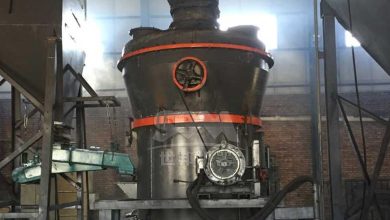
Vertical roller mills (VRMs) operate on the principle of bed comminution, where material is ground between a rotating table and rollers pressed against it. The fundamental components include a grinding table, grinding rollers, a classifier, and a drying chamber. Material is fed centrally onto the grinding table and spreads outward under centrifugal force. As it passes under the rollers, compression forces fracture the particles, while shear forces contribute to further size reduction.
The ground material is transported by process gas to an integrated classifier, where oversize particles are separated and returned to the grinding bed. This internal circulation creates a highly efficient grinding circuit with minimal energy loss. The drying capability is integrated through hot gas introduction, allowing simultaneous drying and grinding of moist materials.
Advantages Over Traditional Grinding Systems
Compared to traditional ball mills, VRMs offer significant advantages for slag processing. Their energy efficiency is notably higher, with specific power consumption typically 30-40% lower than ball mill systems. The ability to dry and grind in a single unit reduces overall plant footprint and simplifies process flow. VRMs also provide better particle size distribution control through integrated dynamic classifiers, resulting in products with steeper particle size distributions and reduced overgrinding.
Noise levels are substantially lower (typically below 80 dB), and dust emissions can be effectively controlled through integrated baghouse filters. Maintenance requirements are generally reduced due to fewer moving parts and the absence of grinding media handling systems.

Application in Steel Slag Processing
Process Requirements
Steel slag processing for cement applications typically requires grinding to a fineness of 400-500 m²/kg Blaine. The presence of metallic iron necessitates effective metal separation, either prior to or during the grinding process. Modern VRMs can be equipped with tramp metal detection and rejection systems to protect grinding components. The high iron content also affects the grindability, with Bond Work Index values typically ranging from 14-18 kWh/t.
Temperature control is critical, as excessive grinding temperatures can alter the mineralogical composition of the slag, potentially reducing its cementitious properties. VRMs with efficient gas flow systems can maintain optimal grinding temperatures through controlled ventilation and, if necessary, water injection systems.
Equipment Recommendations
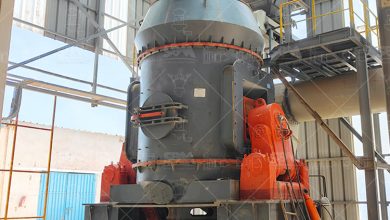
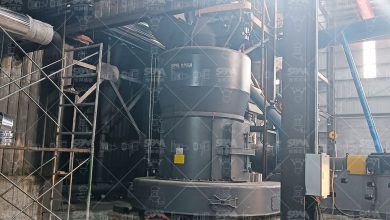
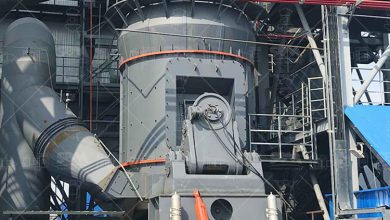
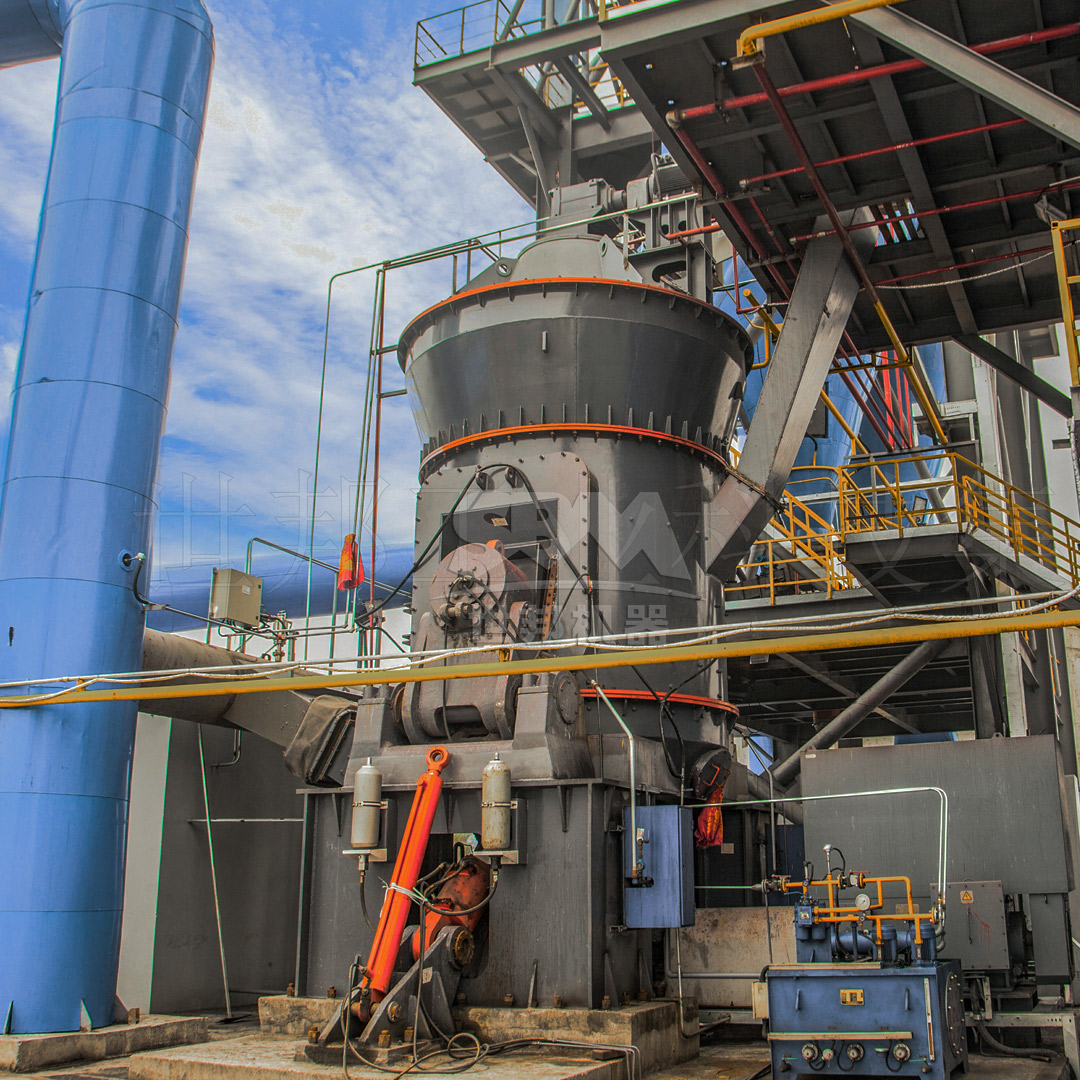
For steel slag processing applications, we recommend our LM Series Vertical Roller Mill, specifically the vertical slag mill configurations. These mills are engineered with several critical features that make them ideal for handling the challenges of steel slag:
The LM Series offers robust construction with specially designed wear protection for handling abrasive materials. The磨盘直径ranges from 1700mm to 4500mm across different models, with capacities from 4-6 t/h to 90-110 t/h for the largest units. Key technical advantages include:
- High Wear Resistance: Special alloy grinding elements designed specifically for abrasive slags, with service life 2-3 times longer than standard components
- Integrated Drying: Capability to handle feed moisture up to 15% without pre-drying requirements
- Precise Temperature Control: Advanced gas flow management maintains optimal grinding temperatures
- Metal Protection: Optional tramp metal detection and rejection systems
- Energy Efficiency: Specific power consumption typically 30-40% lower than ball mill systems
The LM220N model, with磨盘直径of 2800mm and power range of 900-1000 kW, represents an excellent balance of capacity (20-26 t/h) and efficiency for medium to large-scale operations. For smaller requirements, the LM150N offers 6-8 t/h capacity with 280-315 kW power consumption.
Application in Granulated Blast Furnace Slag Processing
Process Requirements
GBFS processing demands careful attention to product quality parameters, particularly specific surface area (Blaine) and particle size distribution. The target fineness depends on the application, with cement replacement typically requiring 400-550 m²/kg, while higher-value applications may demand finer products up to 800 m²/kg. Maintaining the glass content during grinding is essential for preserving the material’s hydraulic properties.
The grinding process must avoid excessive temperatures that could cause dehydration of the glassy phase. Optimal grinding temperatures for GBFS are typically below 100°C. The material’s relatively low Bond Work Index (approximately 10-12 kWh/t for granulated slag) makes it amenable to efficient grinding in vertical mills.
Equipment Recommendations
For GBFS processing, we specifically recommend our SCM Series Ultrafine Mill for applications requiring high fineness products. This mill excels in producing precisely controlled fine powders with minimal energy consumption. Key features include:
- High Precision Classification: Vertical turbine classifier ensures precise cut points with no coarse particle contamination
- Exceptional Fineness Range: Capable of producing powders from 325 to 2500 mesh (D97≤5μm)
- Energy Efficiency:30% lower energy consumption compared to jet mills with twice the capacity
- Advanced Control Systems: Intelligent control with automatic feedback for consistent product quality
- Environmental Performance: Pulse dust collection with efficiency exceeding international standards, noise levels below 75dB
The SCM1680 model, with its 315 kW main motor and capacity range of 5.0-25 ton/h, is particularly suitable for large-scale GBFS grinding operations. For smaller requirements or pilot-scale operations, the SCM800 offers 0.5-4.5 ton/h capacity with 75 kW power consumption.
The SCM series’ ability to achieve high fineness with narrow particle size distributions makes it ideal for producing premium-grade slag powders for high-performance concrete applications. The integrated classification system ensures consistent product quality, while the robust construction minimizes maintenance requirements.
Comparative Analysis: VRM vs Traditional Technologies
Economic Considerations
The economic advantages of VRMs for slag processing are substantial. Specific power consumption for VRMs typically ranges from 35-45 kWh/t for steel slag and 25-35 kWh/t for GBFS, compared to 50-65 kWh/t and 35-45 kWh/t respectively for ball mill systems. This represents energy savings of 30-40%, which translates to significant operational cost reduction, particularly given that power consumption constitutes 50-70% of total grinding costs.
Capital costs for VRM systems are generally higher than equivalent ball mills, but the reduced footprint and auxiliary equipment requirements often balance this difference. Maintenance costs are typically 20-30% lower due to reduced wear part consumption and simpler maintenance procedures. The higher availability of VRM systems (typically 85-90% compared to 75-85% for ball mills) further enhances economic performance.
Technical Performance
VRMs demonstrate superior technical performance in several key areas. Particle size distribution is typically steeper, with reduced fractions of both oversize and ultrafine particles. This results in improved product performance in cement and concrete applications. The drying capability allows processing of materials with higher moisture content without separate drying systems.
Noise emissions are significantly lower, typically 15-20 dB below equivalent ball mill installations. Dust emissions can be effectively controlled to below 20 mg/m³ with modern filter systems. The ability to accommodate variations in feed material characteristics is another advantage, with VRMs typically showing less sensitivity to changes in grindability than ball mills.

Operational Best Practices
Optimization Strategies
Successful operation of VRMs for slag processing requires attention to several key parameters. Grinding pressure should be optimized to balance production rate and specific energy consumption. For steel slag, higher grinding pressures are typically required to overcome the material’s hardness, while GBFS benefits from moderate pressures to preserve product quality.
Gas flow rate and temperature must be carefully controlled to maintain optimal conditions for both grinding and material transport. Higher gas flows generally improve transport efficiency but may increase specific energy consumption. Classifier speed is critical for product fineness control and should be adjusted according to product requirements.
Maintenance Considerations
Maintenance planning for VRMs in slag applications should focus on wear part management. Grinding elements (rollers and table segments) typically require replacement after 6,000-10,000 operating hours for steel slag and 8,000-12,000 hours for GBFS, depending on material characteristics and operating conditions. Regular inspection of wear parts allows for proactive replacement planning and minimizes unplanned downtime.
Classifier maintenance is equally important, with regular inspection of classifier blades and drive systems recommended. Proper lubrication of all moving parts, particularly the grinding roller bearings, is essential for reliable operation. Modern VRMs often incorporate condition monitoring systems that facilitate predictive maintenance strategies.
Environmental and Sustainability Benefits
Resource Conservation
The use of VRMs for slag processing contributes significantly to resource conservation by transforming industrial by-products into valuable materials. This reduces the need for virgin raw materials in cement production and construction applications. The high efficiency of VRMs further enhances sustainability by minimizing energy consumption per ton of product.
Life cycle assessment studies typically show 30-50% lower environmental impact for slag-based cement compared to ordinary Portland cement, with the grinding process representing a relatively small portion of the total impact. The use of VRMs with their superior energy efficiency further reduces this impact.
Emissions Control
Modern VRM systems incorporate advanced emissions control technologies that minimize environmental impact. Integrated baghouse filters typically achieve dust collection efficiencies exceeding 99.9%, with outlet concentrations below 20 mg/m³. Noise emissions are controlled through acoustic enclosures and vibration isolation systems, with operational noise levels typically below 80 dB.
The compact footprint of VRM systems reduces land use requirements, while the absence of grinding media (as in ball mills) eliminates media production and transportation impacts. Water consumption is minimal, with most systems operating in closed-circuit with respect to process gases.
Future Trends and Developments
Technological Advancements
The future of VRM technology for slag processing includes several promising developments. Digitalization and Industry 4.0 concepts are being increasingly applied, with advanced process control systems using artificial intelligence to optimize operational parameters in real-time. Predictive maintenance systems utilizing IoT sensors and machine learning algorithms are becoming more sophisticated, potentially increasing equipment availability to over 95%.
Material science advancements are leading to improved wear-resistant materials that could extend service life by 50-100% compared to current standards. Developments in classification technology promise even tighter particle size distributions and the ability to produce customized particle shapes for specific applications.
Market Outlook
The market for slag processing is expected to grow significantly, driven by increasing emphasis on sustainable construction materials and circular economy principles. Regulatory developments, particularly carbon pricing mechanisms, are likely to further enhance the economic attractiveness of slag utilization. The trend toward higher-value applications, such as ultra-fine slag powders for high-performance concrete, will drive demand for advanced grinding technologies capable of producing precisely controlled products.
Conclusion
Vertical roller mill technology represents the state-of-the-art in steel slag and granulated blast furnace slag processing, offering significant advantages in energy efficiency, product quality, and environmental performance. The specific challenges posed by these materials, including abrasiveness, variable composition, and precise fineness requirements, are effectively addressed by modern VRM designs.
Our LM Series Vertical Roller Mill and SCM Series Ultrafine Mill provide comprehensive solutions for the full spectrum of slag processing applications, from coarse grinding to ultra-fine products. The continuous development of VRM technology, coupled with growing emphasis on sustainable material processing, ensures that these systems will remain at the forefront of slag utilization for the foreseeable future.
As the industry moves toward higher efficiency and greater sustainability, the role of advanced grinding technology in enabling the circular economy will only increase. Vertical roller mills, with their superior performance characteristics and continuous technological evolution, are well-positioned to meet these evolving demands.