Application of Vertical Mill for Basalt in Basalt Acid Leaching Process
1. Introduction
The basalt acid leaching process is a critical hydrometallurgical technique for extracting valuable elements, such as magnesium, iron, and rare earth metals, from basalt ore. This process involves reacting finely ground basalt with acids (commonly sulfuric or hydrochloric) to dissolve target minerals. The efficiency of this reaction is profoundly influenced by the particle size, surface area, and liberation degree of the feed material. Consequently, the comminution stage, particularly fine grinding, is not merely a preparatory step but a core determinant of overall process kinetics, acid consumption, and final recovery rates. Among various grinding technologies, vertical roller mills (VRMs) have emerged as a superior solution, offering unparalleled advantages in efficiency, control, and cost-effectiveness for preparing basalt feedstock for acid leaching.
2. The Critical Role of Particle Characteristics in Acid Leaching
Successful acid leaching hinges on maximizing the contact surface area between the acid and the target minerals locked within the basalt matrix. Coarse particles result in slow, incomplete reactions, leading to prolonged leaching cycles, excessive acid usage, and low extraction yields. Conversely, an optimally fine and uniformly sized powder creates a high-reactive surface area, promoting faster and more complete dissolution.
Key particle parameters include:
- Fineness: Typically requiring a grind between 30 mesh (600μm) and 325 mesh (45μm), or even finer for refractory ores.
- Particle Size Distribution (PSD): A narrow PSD ensures consistent reaction rates and prevents issues like filter clogging from ultra-fines or unreacted coarse particles.
- Particle Morphology: The grinding mechanism can influence particle shape, affecting slurry rheology and filtration post-leaching.
Traditional ball mills, while capable, often struggle with high energy consumption, broad PSD, and limited flexibility in fineness adjustment. This is where modern vertical mill technology provides a transformative advantage.
3. Advantages of Vertical Roller Mills in Basalt Processing
Vertical roller mills are designed around the principle of bed comminution, where material is ground between a rotating table and hydraulically loaded rollers. This design offers specific benefits for hard and abrasive materials like basalt:
3.1 High Grinding Efficiency & Energy Savings
The direct transfer of force from the roller to the particle bed minimizes energy losses common in impact-based systems. VRMs can achieve the same fineness as ball mills with 30-40% lower specific energy consumption, a critical factor in the energy-intensive leaching industry.
3.2 Precise Particle Size Control
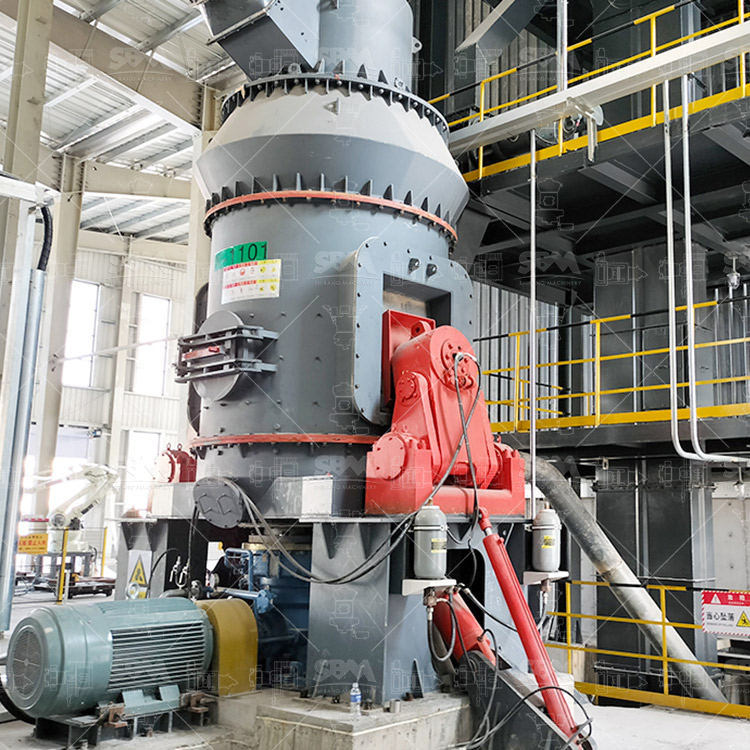
Integrated dynamic classifiers allow for real-time, precise control over the product fineness. By adjusting the classifier speed, operators can instantly shift the product’s cut point to meet exact leaching requirements, from a coarse pre-leach grind to an ultra-fine grind for complex ores, without stopping the mill.
3.3 Robustness and Low Wear
Basalt’s abrasiveness demands durable equipment. Modern VRMs feature wear-protected grinding elements (rollers and table liners) made from advanced composite materials, significantly extending service life and reducing maintenance downtime and operating costs.
3.4 Integrated Drying & Grinding
If the basalt feedstock contains moisture, the VRM’s integrated hot air system can simultaneously dry and grind the material. This eliminates the need for a separate, energy-intensive drying circuit, streamlining the process flow before the leaching tanks.
4. Recommended Vertical Mill Solutions for Basalt Acid Leaching
Selecting the right mill model depends on the required capacity, feed size, and target fineness for the leaching circuit. Based on typical basalt processing parameters, two of our vertical mill series stand out as optimal solutions.
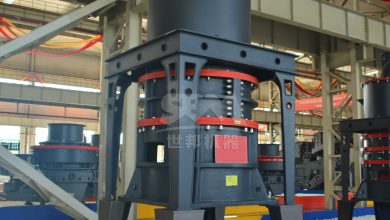
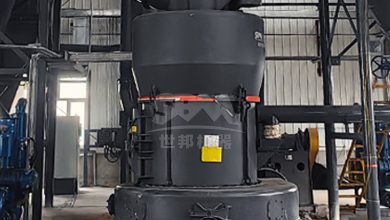
4.1 For High-Capacity, Coarse to Medium-Fine Grinding: LM Series Vertical Roller Mill
For large-scale basalt acid leaching plants requiring capacities from 3 to over 250 tons per hour and a fineness range of 30-325 mesh (600-45μm), the LM Series Vertical Roller Mill is the industry benchmark. Its integrated design combines crushing, grinding, drying, and classifying in a single unit, reducing plant footprint by 50% and civil costs by 40%.
For a typical basalt leaching application aiming for 80% passing 200 mesh (75μm), the LM190K model is highly recommended. With a grinding table diameter of 1900mm and a main power of 500kW, it reliably delivers 23-68 t/h. Its intelligent control system allows for expert-level automation and remote monitoring, ensuring a stable feed of consistently sized powder to the leaching circuit. The fully sealed, negative pressure operation guarantees environmental compliance, a non-negotiable aspect of modern mineral processing.
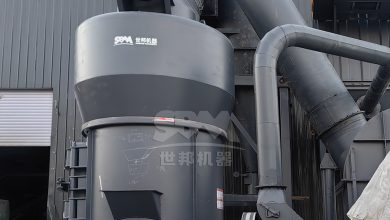
4.2 For Ultra-Fine Grinding of Refractory Basalt: SCM Series Ultrafine Mill
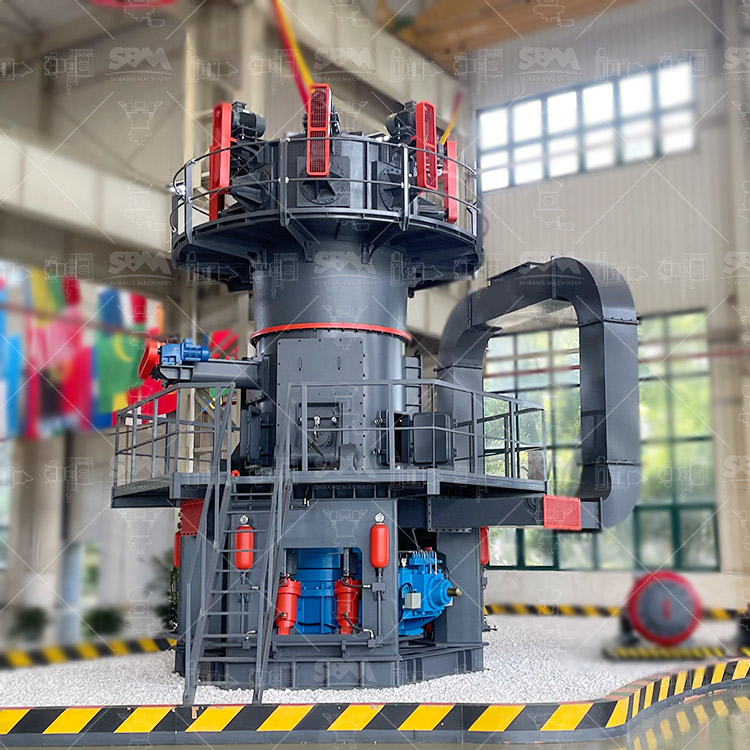
Some basalt-hosted valuable elements are encapsulated in extremely fine-grained minerals, necessitating grind sizes down to 2500 mesh (5μm) to liberate them for acid attack. For this demanding application, the SCM Series Ultrafine Mill is the specialized tool of choice.
This mill excels in producing high-volume, superfine powders with a narrow particle size distribution. Its high-precision vertical turbine classifier ensures no coarse powder is mixed into the final product, guaranteeing uniformity. For a leaching circuit requiring ultra-fine basalt powder, the SCM1250 model offers an excellent balance, providing 2.5-14 t/h at a fineness range of 325-2500 mesh with a main power of 185kW. Its durable design, featuring special material rollers and rings, withstands the challenges of prolonged fine grinding of abrasive materials.
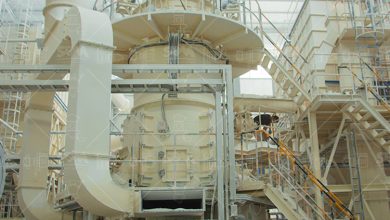
5. Process Integration and Economic Benefits
Integrating a vertical mill into a basalt acid leaching flowsheet delivers tangible economic benefits:
- Reduced Operating Cost (OPEX): 30-50% lower energy consumption compared to traditional systems directly lowers the cost per ton of ground material.
- Enhanced Leaching Efficiency: A controlled, high-surface-area feed leads to faster leaching kinetics, higher recovery rates, and reduced acid consumption per unit of recovered product.
- Lower Capital Cost (CAPEX): The integrated, compact design of VRMs reduces the need for extensive auxiliary equipment, conveyors, and building space.
- Operational Stability & Automation: Advanced control systems ensure a consistent product quality, which is vital for stabilizing downstream leaching chemistry and automating the entire process.
6. Conclusion
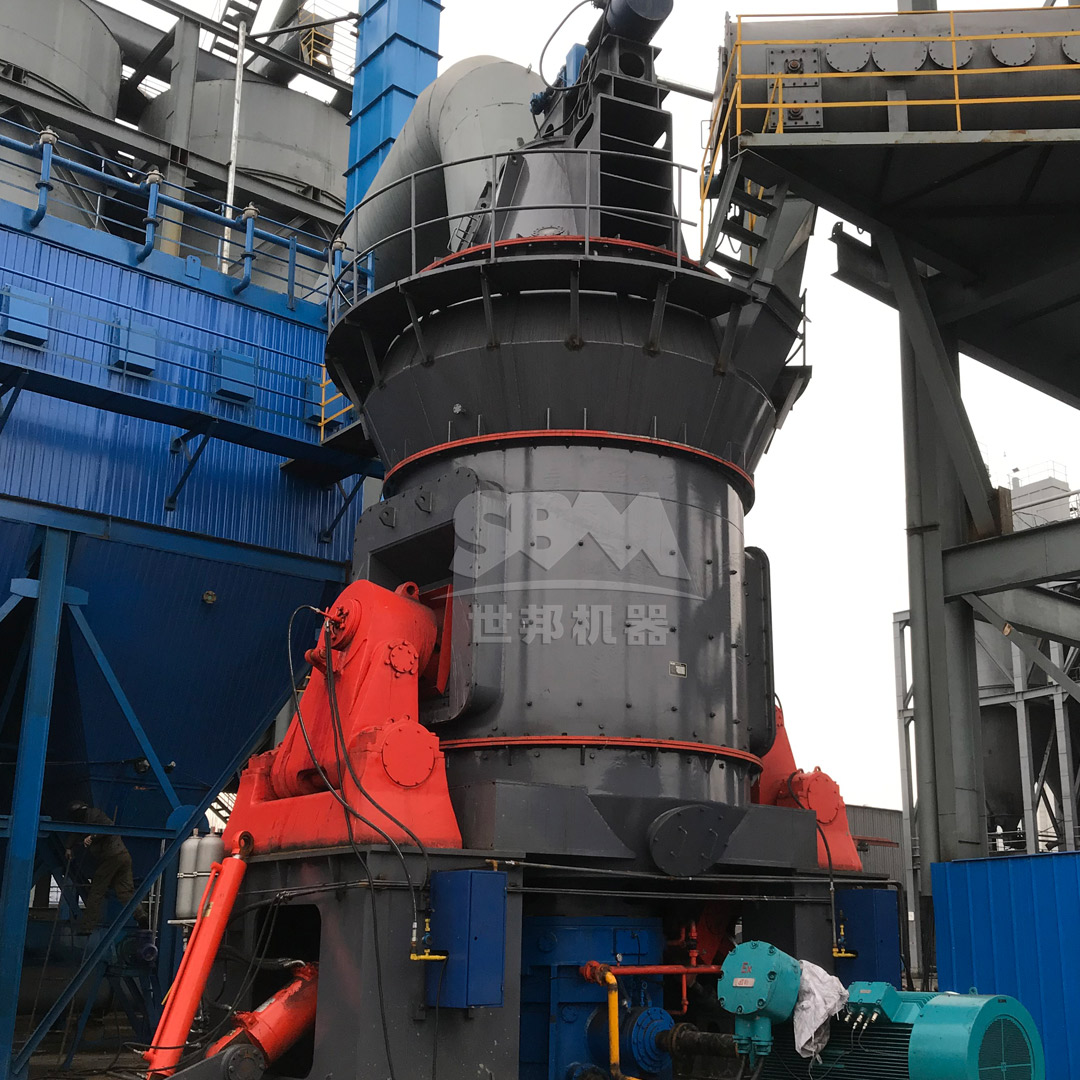
The transition to vertical roller mill technology for feedstock preparation represents a significant optimization for the basalt acid leaching industry. By delivering precisely controlled particle size with exceptional energy efficiency and operational reliability, VRMs address the core needs of the leaching process. Whether the requirement is for high-volume medium grinding with the robust LM Series or for specialized ultra-fine liberation with the SCM Series, this technology provides a proven pathway to increase extraction yields, reduce both capital and operational expenditures, and enhance the overall sustainability and profitability of basalt-based resource recovery operations. Investing in the right vertical grinding solution is, therefore, a strategic decision that pays dividends throughout the value chain.