Application of Ultrafine Slag Powder Ground by Superfine Grinding Mill in Concrete Industry
1. Introduction: The Rise of Ultrafine Slag Powder in Modern Concrete
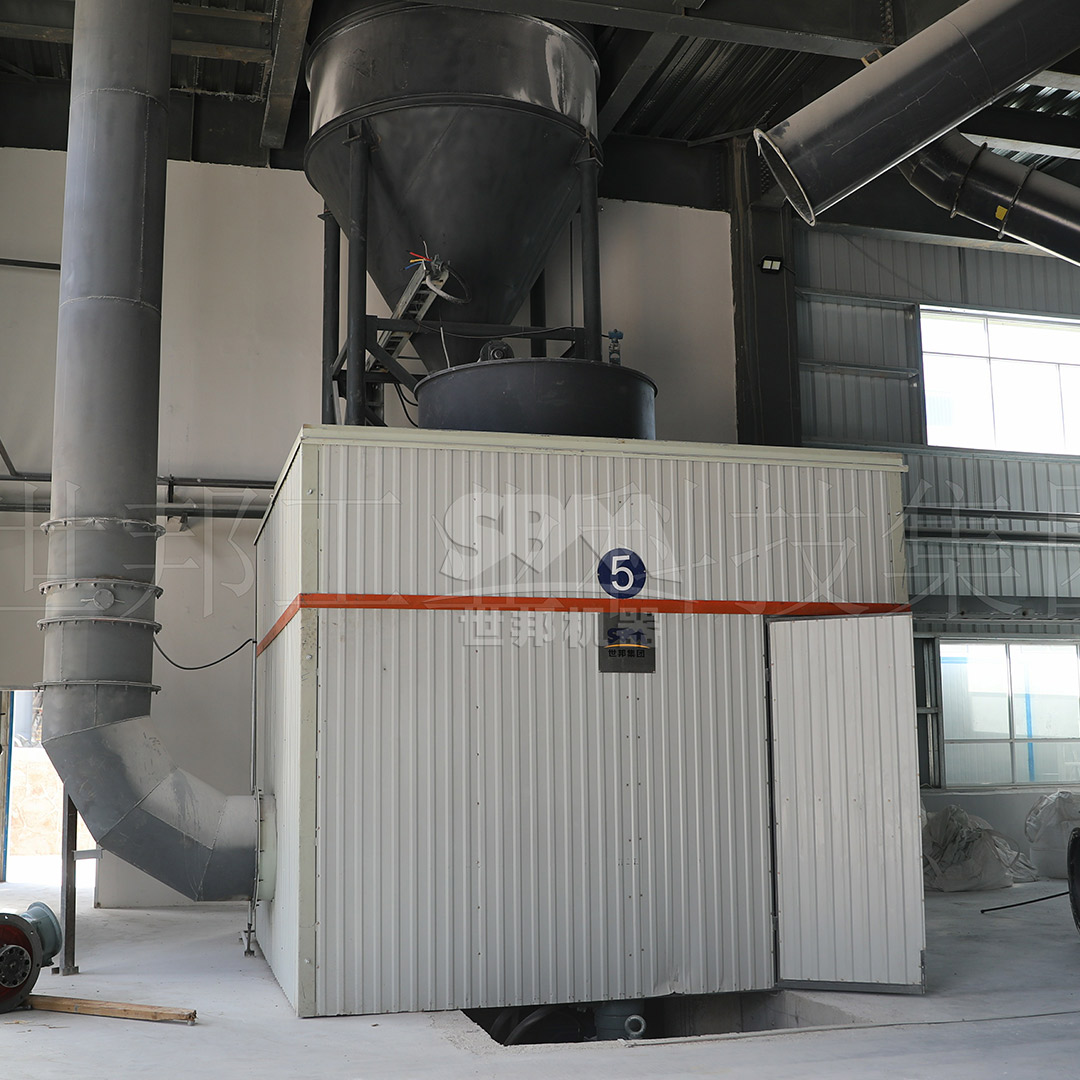
The concrete industry is undergoing a significant transformation driven by the dual demands of enhanced performance and environmental sustainability. Among the most impactful developments is the utilization of industrial by-products, particularly granulated blast furnace slag (GBFS). When ground to conventional fineness, slag powder is a well-established supplementary cementitious material (SCM). However, recent advancements in superfine grinding technology have unlocked the potential of Ultrafine Slag Powder (USP), typically defined as powder with a Blaine fineness exceeding 600 m²/kg or a median particle size (D50) below 10 microns. This material is revolutionizing concrete mix design by offering superior mechanical properties, durability, and a substantially reduced carbon footprint.
The production of high-quality USP is critically dependent on advanced milling equipment capable of achieving precise particle size distributions with high efficiency and low operational cost. This article explores the multifaceted benefits of USP in concrete and highlights the pivotal role of state-of-the-art grinding mills in its production.
2. Performance Advantages of Ultrafine Slag Powder in Concrete
2.1 Enhanced Mechanical Properties and Microstructure
The primary benefit of USP stems from its extreme fineness and latent hydraulic/pozzolanic activity. The sub-micron and micron-sized particles fill the interstitial voids between cement grains and fine aggregates more effectively than ordinary slag or fly ash, leading to a denser and more homogeneous paste matrix. This physical filler effect reduces total porosity and refines the pore structure, which directly translates to:
- Higher Compressive and Flexural Strength: Concrete incorporating 20-30% USP often exhibits 7-day and 28-day strengths comparable to or exceeding plain Portland cement concrete, with significantly higher later-age strength (56-90 days) due to continued pozzolanic reactions.
- Improved Microstructure: The reduction in capillary pores and the formation of additional calcium silicate hydrate (C-S-H) gel through pozzolanic reactions decrease permeability and enhance the interfacial transition zone (ITZ) between paste and aggregate.
2.2 Superior Durability and Longevity
The refined pore structure is the key to dramatically improved durability, which is the most critical economic factor for modern infrastructure.
- Chloride Ion Resistance: The dense matrix significantly impedes chloride ingress, protecting reinforcing steel from corrosion. This is paramount for marine structures, bridges, and parking garages.
- Sulfate Attack Resistance: USP consumes free calcium hydroxide (portlandite) to form stable C-S-H, reducing the material available for deleterious expansive ettringite formation in sulfate-rich environments.
- Reduced Alkali-Silica Reaction (ASR): The dense microstructure limits water mobility, and the lowered alkalinity of the pore solution helps mitigate ASR-induced expansion and cracking.
- Enhanced Impermeability and Carbonation Resistance: The barrier effect of the dense USP-concrete slows down the diffusion of carbon dioxide, delaying carbonation-induced corrosion.
2.3 Sustainability and Economic Benefits
Using USP represents a cornerstone of green concrete technology. Replacing 30-50% of Portland cement with USP directly reduces the clinker factor, leading to:
- A 25-40% reduction in CO₂ emissions associated with concrete production.
- Conservation of natural limestone resources and reduction of quarrying.
- Valorization of an industrial by-product, diverting it from landfills.
- While the grinding process consumes energy, modern superfine mills optimize this input. The overall lifecycle assessment (LCA) of USP concrete shows a markedly lower environmental impact.
3. The Critical Role of Superfine Grinding Technology
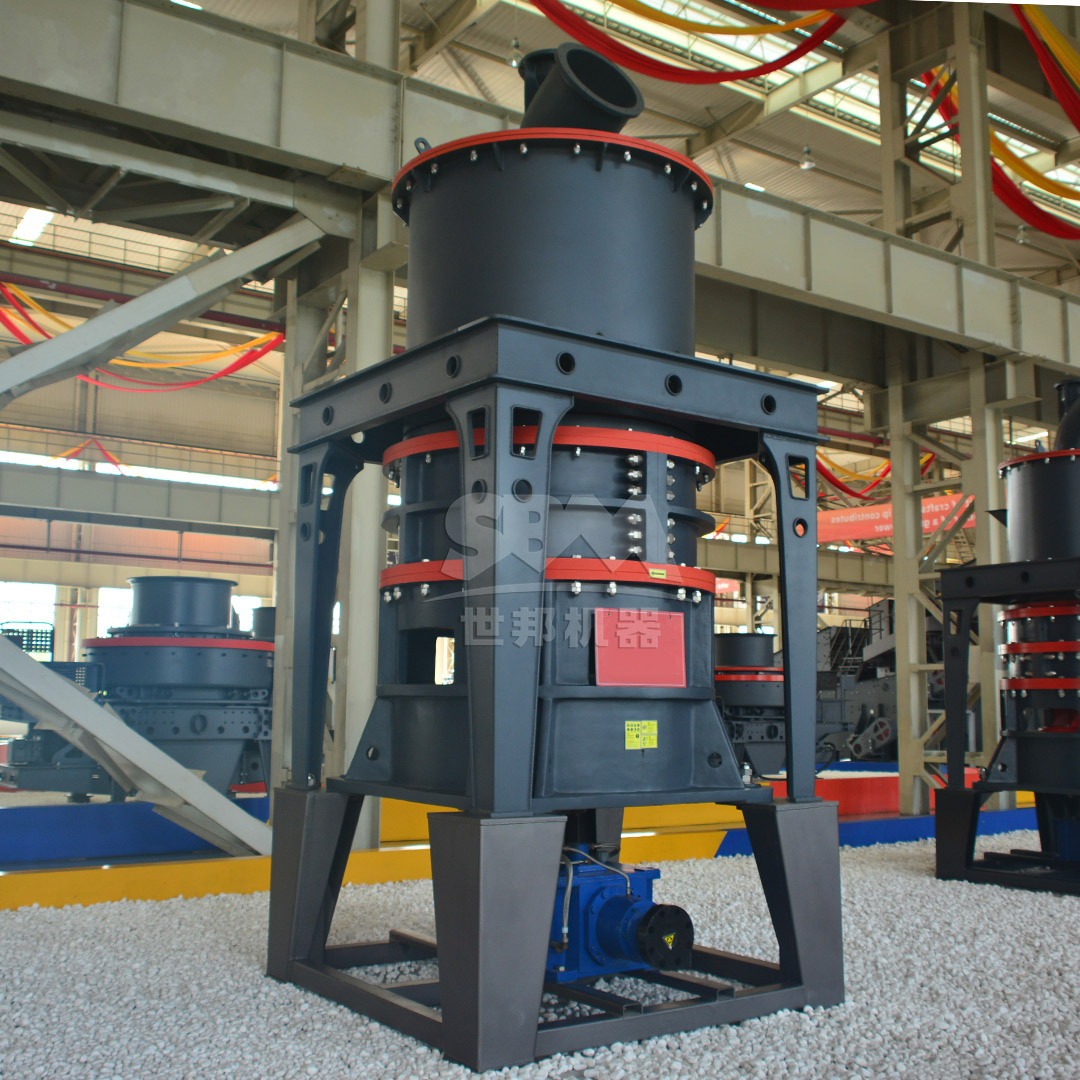
The transformation of granular slag into high-performance USP is not trivial. It requires grinding technology that can deliver consistent ultra-fineness, high throughput, and energy efficiency. Conventional ball mills are often inefficient for achieving particle sizes below 15 microns, suffering from high energy consumption, wear, and limited classification capability.
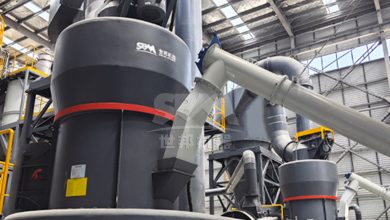
Modern Vertical Roller Mills (VRMs) and specialized Ultrafine Mills are engineered to overcome these challenges. Their advantages include:
- Bed Grinding Principle: Applying pressure to a material bed rather than impact/attrition, leading to higher energy efficiency.
- Integrated Dynamic Classifiers: Allowing for real-time, precise control over the particle size distribution (PSD), ensuring the target fineness (e.g., 4000-6000 Blaine) is consistently met.
- Low Wear Rates: Designed with wear-resistant materials and geometries that minimize maintenance downtime.
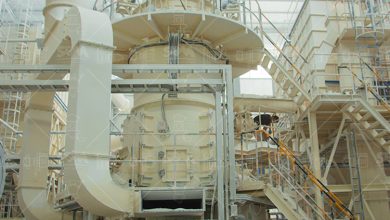
- System Integration: Combining grinding, drying, classifying, and conveying in a single compact unit.
4. Recommended Grinding Solutions for Ultrafine Slag Powder
Selecting the right grinding system is paramount for profitable and sustainable USP production. Based on industry requirements for high output, precise classification, and operational economy, we recommend the following solutions from our portfolio:
4.1 For High-Capacity Production of USP (325-2500 mesh / 45-5μm)
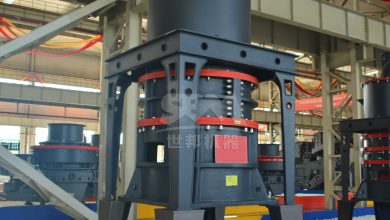
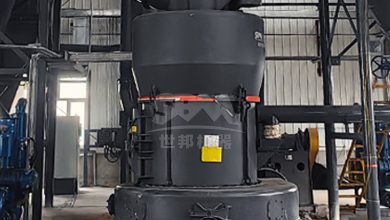
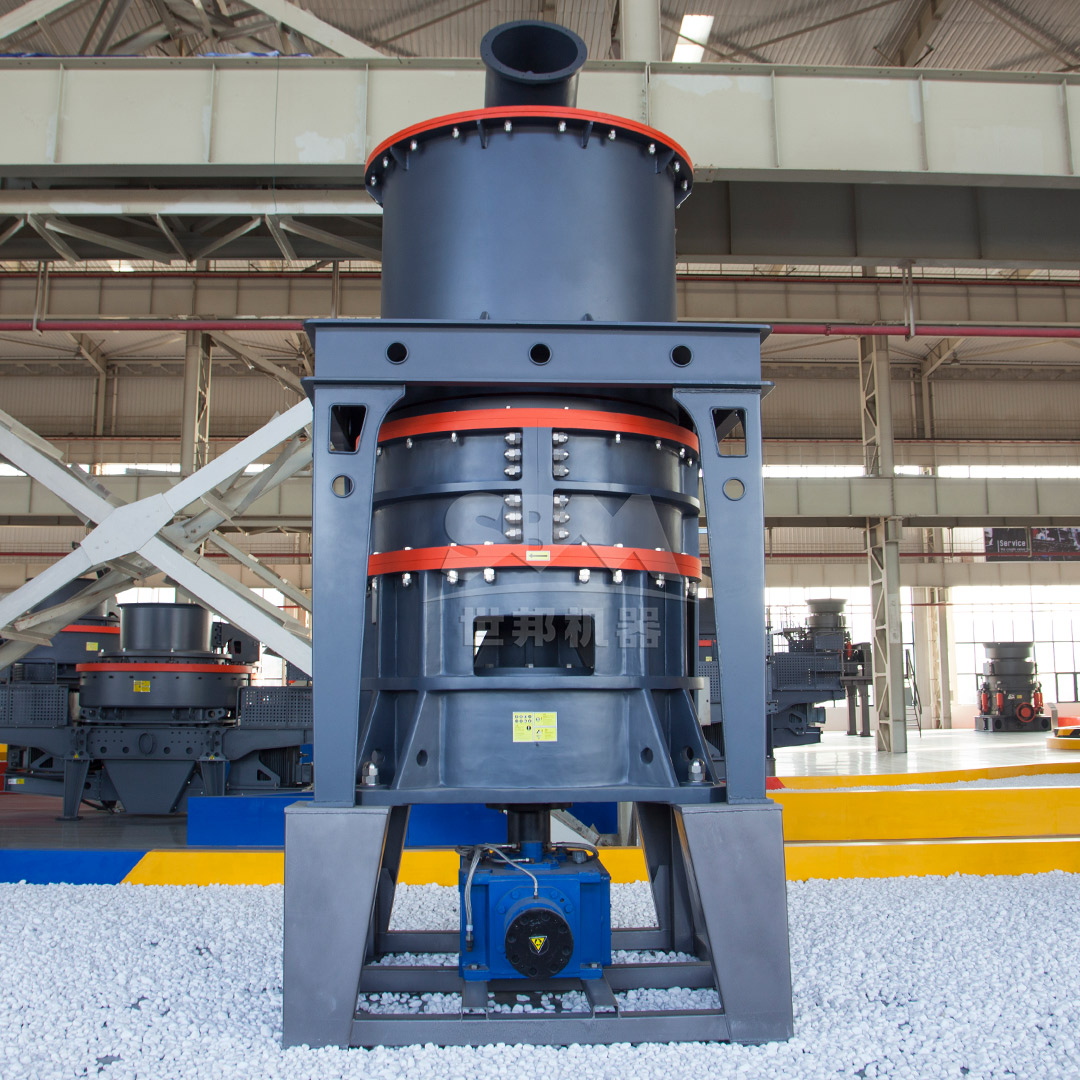
Our SCM Series Ultrafine Mill is the ideal choice for dedicated, large-scale production of premium-grade ultrafine slag powder. Its design is specifically optimized for minerals like slag, offering unparalleled fineness control and efficiency.
- Core Advantage – High-Precision Classification: The integrated vertical turbine classifier achieves sharp particle size cuts, eliminating coarse powder contamination. This ensures the uniform fineness critical for predictable concrete performance.
- High Efficiency & Energy Saving: With a capacity twice that of traditional jet mills and approximately 30% lower energy consumption, the SCM series significantly reduces operating costs. Its intelligent control system with automatic granularity feedback ensures stable product quality.
- Robust and Eco-friendly: Featuring special material rollers and rings for extended service life and a shaftless screw grinding chamber for stability. The system operates with a pulse dust collector exceeding 99.9% efficiency and a soundproof design for minimal environmental impact.
- Model Example – SCM1250: This model offers a capacity range of 2.5-14 tons per hour, powered by a 185kW main motor, and can process feed slag (≤20mm) into powder ranging from 325 to 2500 mesh, making it perfect for a mid-to-large scale slag powder plant.
4.2 For Versatile and Efficient Grinding (30-325 mesh / 600-45μm)
For projects requiring flexibility to produce both standard and ultrafine slag powder, or for grinding a variety of materials, the MTW Series European Trapezium Mill offers outstanding reliability and cost-effectiveness.
- Core Advantage – Durable & Efficient Drive: The integral bevel gear drive boasts a transmission efficiency of up to 98%, saving space, reducing installation costs, and ensuring smooth, high-torque operation.
- Anti-wear Design: The curved shovel blade and optimized grinding roller geometry are engineered to handle abrasive materials like slag, dramatically reducing wear part consumption and maintenance frequency.
- Optimized Airflow and Classification: The arc air duct design minimizes energy loss, while the wear-resistant volute structure of the classifier improves air selection efficiency, contributing to lower power consumption and consistent product fineness.
- Model Example – MTW215G: This high-capacity model can process up to 45 tons per hour (feed size ≤50mm) into powder ranging from 30 to 325 mesh, powered by a 280kW main motor. It is an excellent choice for large-volume production of high-quality SCMs.
5. Conclusion
The application of ultrafine slag powder represents a paradigm shift towards high-performance, durable, and sustainable concrete. Its benefits in enhancing strength, impermeability, and chemical resistance are well-documented and increasingly demanded by specifiers and engineers worldwide. However, the consistent production of this advanced material hinges on advanced grinding technology.
Investing in efficient, precise, and robust grinding systems, such as the featured SCM Series Ultrafine Mill and MTW Series European Trapezium Mill, is not merely an equipment purchase but a strategic decision to secure a competitive edge in the growing market for green construction materials. By enabling the cost-effective production of superior USP, these technologies empower concrete producers to meet the highest standards of performance while championing environmental stewardship.