Application of Ultra-fine Steel Slag Powder Produced by Vertical Mill in Concrete
Introduction
The construction industry is under increasing pressure to adopt sustainable practices and reduce its environmental footprint. One promising avenue is the utilization of industrial by-products as supplementary cementitious materials (SCMs). Steel slag, a major by-product of the steelmaking process, presents a significant opportunity. When processed into ultra-fine powder, it exhibits excellent pozzolanic and latent hydraulic properties, making it a high-performance additive for concrete. This article explores the application of ultra-fine steel slag powder (UFSSP) in concrete, focusing on its benefits, the critical production technology, and the equipment that enables its efficient and high-quality manufacture.
Properties and Benefits of Ultra-fine Steel Slag Powder in Concrete
Ultra-fine steel slag powder, typically with a Blaine fineness exceeding 420 m²/kg or a particle size distribution where D97 is ≤ 5μm, undergoes a physical and chemical transformation that unlocks its potential in concrete mixtures.
Enhanced Mechanical Properties
The incorporation of UFSSP improves the microstructure of hardened concrete. The ultra-fine particles fill the voids between cement grains, leading to a denser paste matrix. This micro-filling effect reduces porosity and enhances the interfacial transition zone (ITZ) between the paste and aggregates. Consequently, concrete containing UFSSP demonstrates increased compressive, tensile, and flexural strength, especially at later ages (beyond 28 days) as the latent hydraulic reactions continue.
Improved Durability
The densified microstructure is the key to superior durability. Reduced permeability makes the concrete more resistant to the ingress of chloride ions, sulfates, and water, thereby significantly improving resistance to corrosion of reinforcing steel, sulfate attack, and freeze-thaw cycles. This extends the service life of concrete structures in harsh environments, such as marine applications or regions using de-icing salts.
Sustainability and Economic Advantages
Using UFSSP directly replaces a portion of Portland cement, which is a major source of CO₂ emissions. This substitution reduces the carbon footprint of concrete production. Furthermore, it provides a valuable outlet for steel slag, diverting it from landfills and promoting a circular economy. From an economic perspective, while the grinding process adds cost, the overall material cost can be lower due to cement replacement, and the enhanced durability leads to lower lifecycle maintenance costs.
The Pivotal Role of Vertical Mill Technology
The realization of these benefits is entirely dependent on the ability to produce UFSSP with consistent quality, appropriate fineness, and activated surface properties. This is where advanced grinding technology becomes indispensable. Traditional ball mills are often inefficient for achieving the ultra-fine ranges required and have high energy consumption.
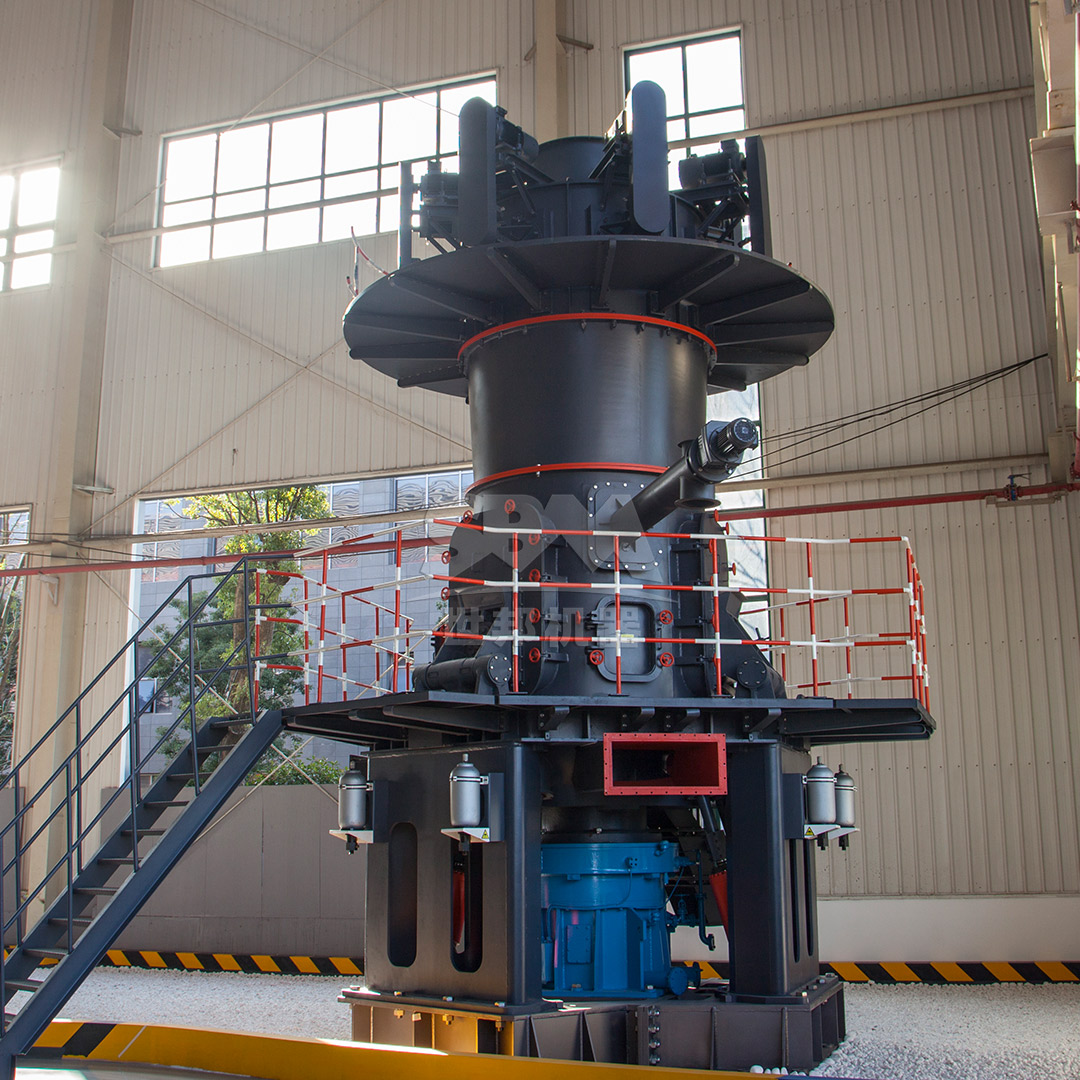
Vertical roller mills (VRMs), specifically designed for mineral and slag grinding, have emerged as the superior solution. Their working principle involves feeding material onto a rotating grinding table where it is ground under pressure by rollers. The ground material is then transported by an air stream to a dynamic classifier integrated into the mill housing. The classifier ensures precise particle size control by separating fine product from coarse material, which is returned to the grinding table for further processing.
Advantages of Vertical Mills for UFSSP Production
- High Grinding Efficiency & Energy Savings: The bed grinding mechanism in a VRM is more efficient than the impact/attrition in ball mills, leading to 30-50% lower specific energy consumption for the same fineness.
- Precise Particle Size Control: Integrated high-efficiency classifiers allow for tight control over the particle size distribution (PSD), which is critical for the performance of UFSSP.
- Drying Capability: Hot gas can be introduced into the mill, allowing it to simultaneously dry and grind moist slag, simplifying the process flow.
- Compact Design & Low Noise: VRMs have a smaller footprint than traditional ball mill systems and operate with lower noise levels.
Recommended Equipment for High-Quality UFSSP Production
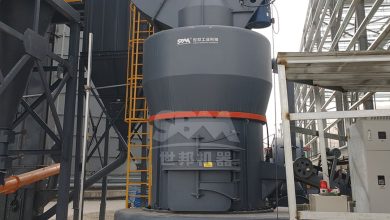
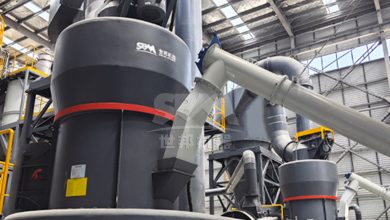
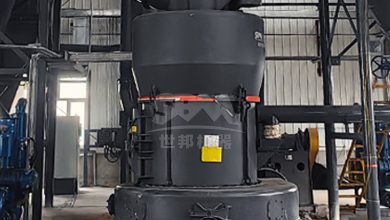
Selecting the right grinding system is paramount. For the production of ultra-fine steel slag powder with a target fineness of ≥420 m²/kg or 325-2500 mesh, our LM Series Vertical Slag Mill is the ideal industrial-scale solution.
LM Series Vertical Slag Mill: Engineered for Performance
This mill series is specifically designed to handle the abrasive and hard nature of granulated blast furnace slag and steel slag. Its robust construction and optimized grinding geometry ensure high availability and consistent output quality.
Key Features & Advantages:
- High Efficiency & Low Operation Cost: The non-contact design between rollers and grinding table, coupled with wear-resistant materials, extends component life by up to 3 times. Its energy consumption is 30-40% lower compared to traditional ball mill systems.
- Intelligent Control System: Features an expert-level automatic control system supporting remote operation, enabling real-time monitoring and adjustment of key parameters like feed rate, grinding pressure, and classifier speed for optimal product quality.
- Integrated System & Environmental Compliance: The system integrates grinding, drying, classifying, and conveying in a single unit, reducing space requirements by 50%. It operates under full negative pressure, ensuring dust emissions <20 mg/m³ and noise levels ≤80 dB(A).
Model Example (LM Vertical Slag Mill Series): The LM220N model, with a 2800mm grinding table diameter and a main motor power of 900-1000 kW, is capable of producing 20-26 tons per hour of steel slag powder with a specific surface area ≥420 m²/kg and moisture content ≤1%. This makes it perfectly suited for large-scale commercial production feeding ready-mix concrete plants or cement blending facilities.
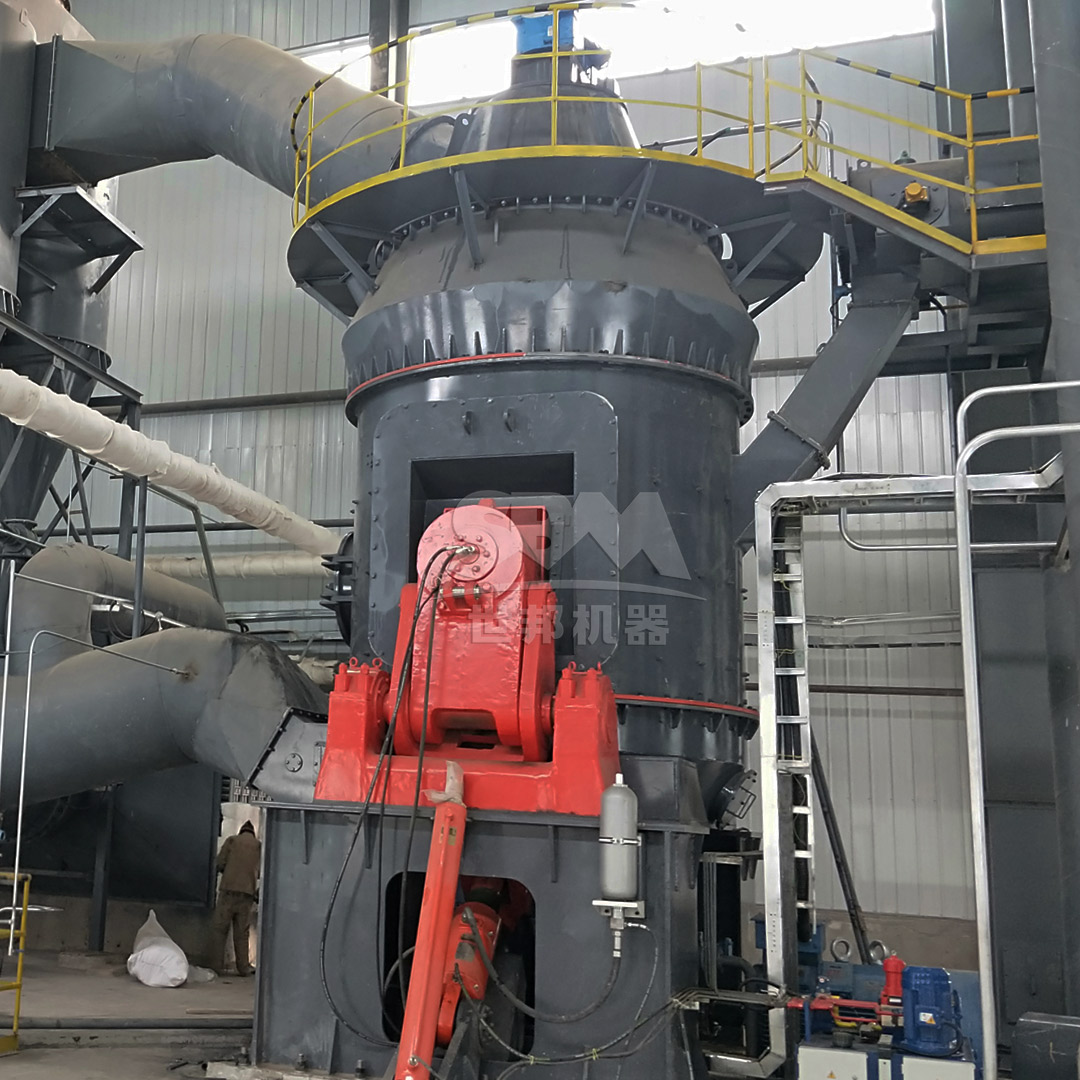
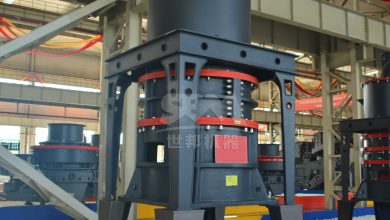
For projects requiring the very finest product ranges (D97 ≤ 5μm) or pilot-scale production, our SCM Series Ultrafine Mill offers exceptional capability. It utilizes a unique three-ring medium-speed micro-grinding principle with a vertical turbine classifier, achieving fineness between 325-2500 mesh. Its high-precision classification ensures no coarse powder contamination, resulting in a uniform and highly reactive product ideal for advanced concrete research and specialty applications.
Case Study and Implementation Considerations
Successful implementation requires attention to several factors. The chemical and mineralogical composition of the source slag must be consistent. The grinding process must be optimized not just for fineness but also for particle morphology and activation. In concrete mix design, the optimal replacement ratio (typically 20-50% by mass of cement) must be determined through testing, considering the target strength, workability (often requiring superplasticizers), and durability requirements.
Conclusion
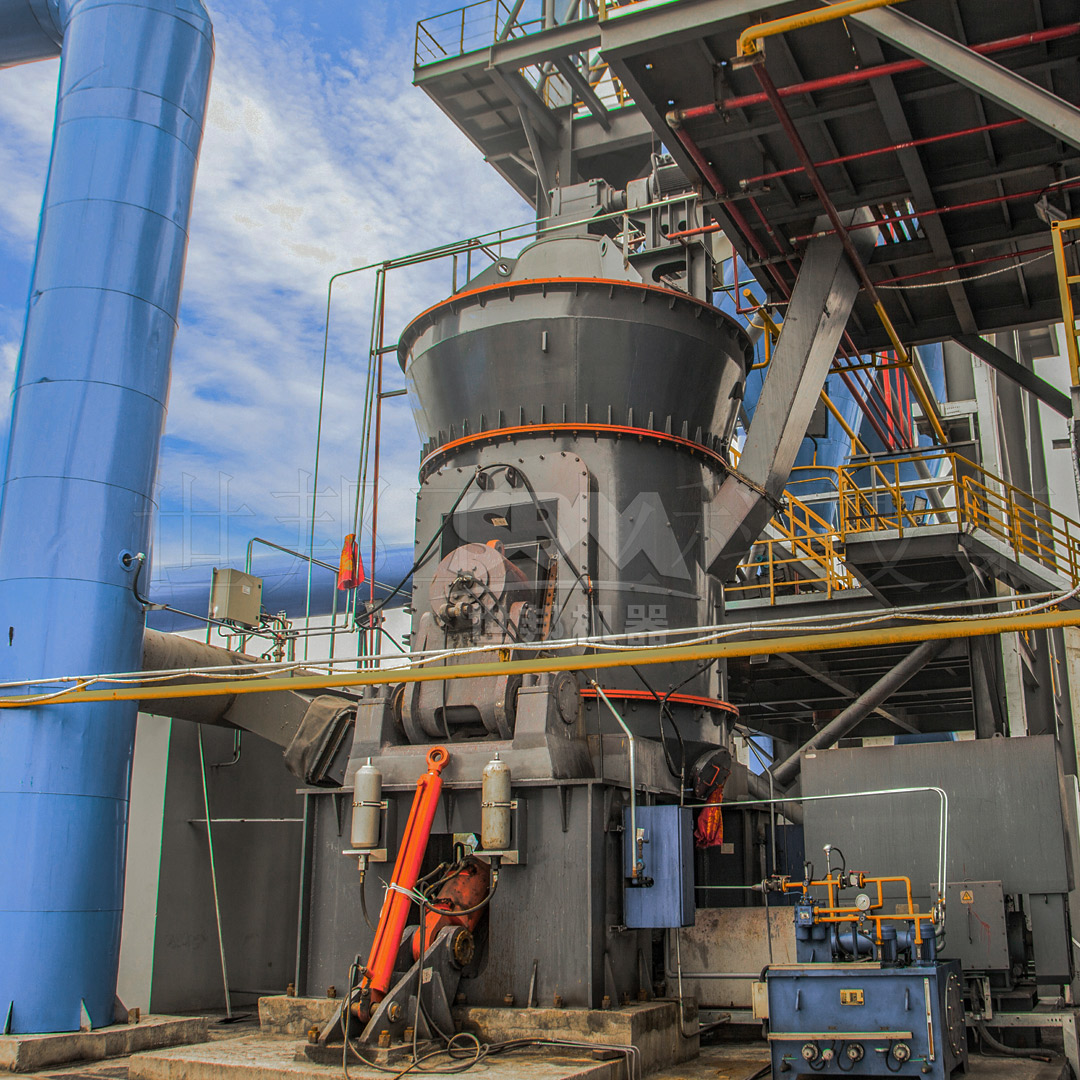
The application of ultra-fine steel slag powder in concrete represents a significant stride toward more sustainable and high-performance construction materials. Its benefits in enhancing strength, durability, and environmental profile are well-established. However, these advantages are contingent upon the production of a high-quality, consistently fine powder. Advanced vertical roller mill technology, exemplified by our LM Series Vertical Slag Mill, provides the efficient, reliable, and controllable means to transform steel slag from an industrial by-product into a valuable resource for the concrete industry. By adopting this technology, producers can contribute to a greener built environment while creating superior and more durable concrete structures.